When you picture a workout that builds strength, improves posture, and sharpens focus, Pilates might not be the first thing that comes to mind. But for more than a century, this low-impact, whole-body exercise has helped people of all ages and abilities move better and feel stronger from the inside out.
Developed by Joseph Pilates in the early 1900s, it was designed as a system of controlled movements to help dancers safely recover from their injuries. Today, it’s a favorite form of strength training for fitness enthusiasts, physical therapists, dancers, and others who may be looking for a powerful way to stay active that emphasizes precision, alignment, and mindful breathing, ensuring that every small movement counts.

At first glance, Pilates might seem gentle, but it’s anything but easy. Each exercise is designed to engage the core muscles—abdominals, back, hips, and glutes—that support your spine and help stabilize your body. Over time, consistent practice can improve your strength, flexibility, and balance, helping make daily activities such as sitting at your desk feel easier and more natural. One of the most appealing aspects of Pilates is how effectively it tones and strengthens without adding bulk. Instead of isolating muscles, these workouts focus on and train multiple muscle groups at the same time.
And because it’s kind to your joints and can improve their range of motion, Pilates can also be an ideal form of exercise for people with arthritis, chronic pain, or injuries who still want a challenging yet restorative workout. It also focuses on form and control rather than speed and intensity and can easily be modified for different needs and skill levels. A twenty-five-year-old runner might use it to enhance performance and prevent injuries, while a seventy-year-old might focus on gentle movements to support balance and joint health.
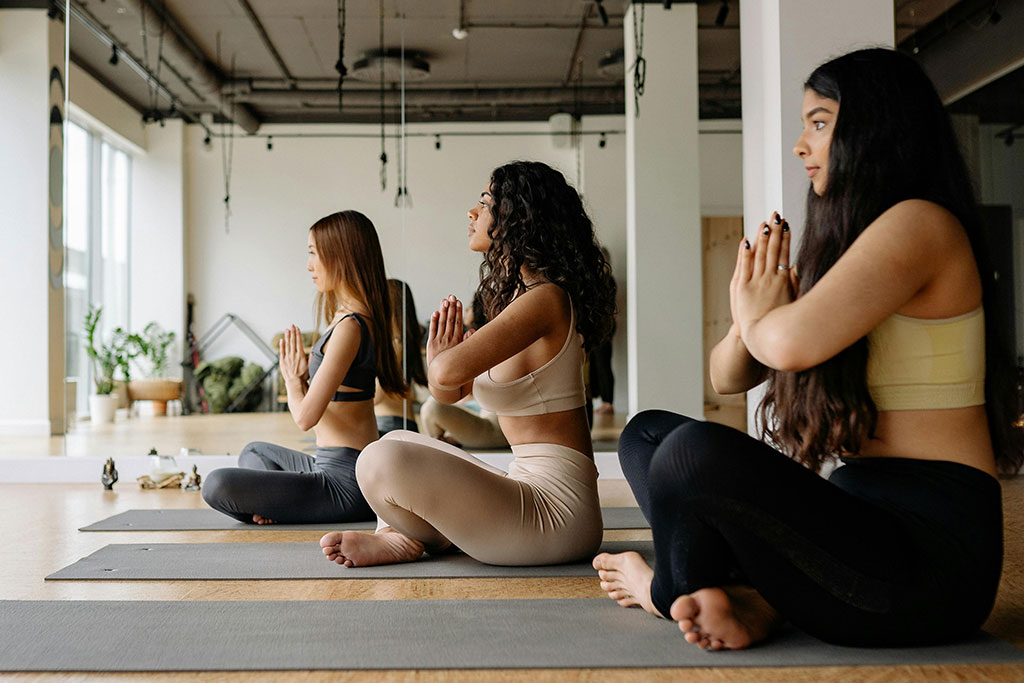
With that being said, the perks of Pilates extend far beyond the physical. At its heart, it is a mind-body routine that emphasizes concentration, breath control, and body awareness. Each movement requires focus and intentionality, encouraging you to fully tune in to the exercises rather than zone out; such mindfulness can quiet the chatter of everyday life and promote a greater sense of calm. And while the controlled breathing can help you move more efficiently through the exercises, it’s also thought to reduce stress and tension. Some research shows that continued practice can decrease symptoms of anxiety and depression, enhance mood, and even improve sleep quality.
There are several forms of this exercise to choose from, and understanding the differences can help you find what works best for your goals. Here’s a closer look at five of the available options.

Each type shares the same foundation of mindful movement and precision, so it’s easy to transition between them once you’ve learned the basics. If you’re new to Pilates, you can practice the fundamentals with a beginner-level class or an online video series led by a certified instructor. As you practice more, focus on mastering your form before increasing difficulty.
The key to progress is consistency. Just two to three sessions a week can make a noticeable difference in your strength and flexibility within a few months. And remember: Pilates is about taking a journey to better wellness, not perfection.
*Be sure to consult with your doctor before starting any new exercise routine.
As the days grow shorter and autumn routines ramp up, maintaining healthy eating habits can quickly fall by the wayside. Between school schedules, work projects, and social commitments, it’s easy to grab convenience foods instead of more balanced meals. But with a little planning and a few smart strategies, you can make nutritious eating easy, even during your busiest weeks. Try these practical meal-prep tips to help you stay fueled and focused this fall.

As you may have experienced, a little food forethought goes a long way, not only in reducing stress but also in helping prevent last-minute takeout runs. Consider starting each week by sketching out a simple meal plan—nothing elaborate, just a list of dinners and lunches you’ll prepare. Build your grocery list around those recipes, making sure to include versatile ingredients that can be used in multiple ways like roasted vegetables, cooked grains, and lean proteins. For example, grilled chicken can serve as a salad topping one night and a wrap filling the next.
Nobody likes the daily task of coming up with meals, so plan ahead. Set aside one or two hours each Sunday to batch-cook essential components for the week, focusing on items that reheat well and mix easily into different meals.
Store these in labeled containers in the fridge so you can quickly mix and match and maybe even find inspiration. A little organization makes it easy to assemble healthy meals in minutes.

When time is tight, one-pan recipes are lifesavers. Toss chopped vegetables, a protein, and seasoning onto a baking sheet, then roast at 400°F for 25–30 minutes while you catch up on emails or help with homework.
Slow cookers and Instant Pots are equally useful. Just combine your ingredients—think hearty stews, chili, or shredded chicken for tacos—in the morning. Set the timer to slow cook and dinner will be ready later in the day. These tools make healthy eating nearly effortless.
Whenever you cook, consider making twice as much and freezing half for another day (soups, casseroles, and stir-fries freeze especially well), and label containers with the date and contents for easy rotation. This not only saves time but also gives you a backup plan for those hectic nights when full-blown cooking just isn’t realistic.
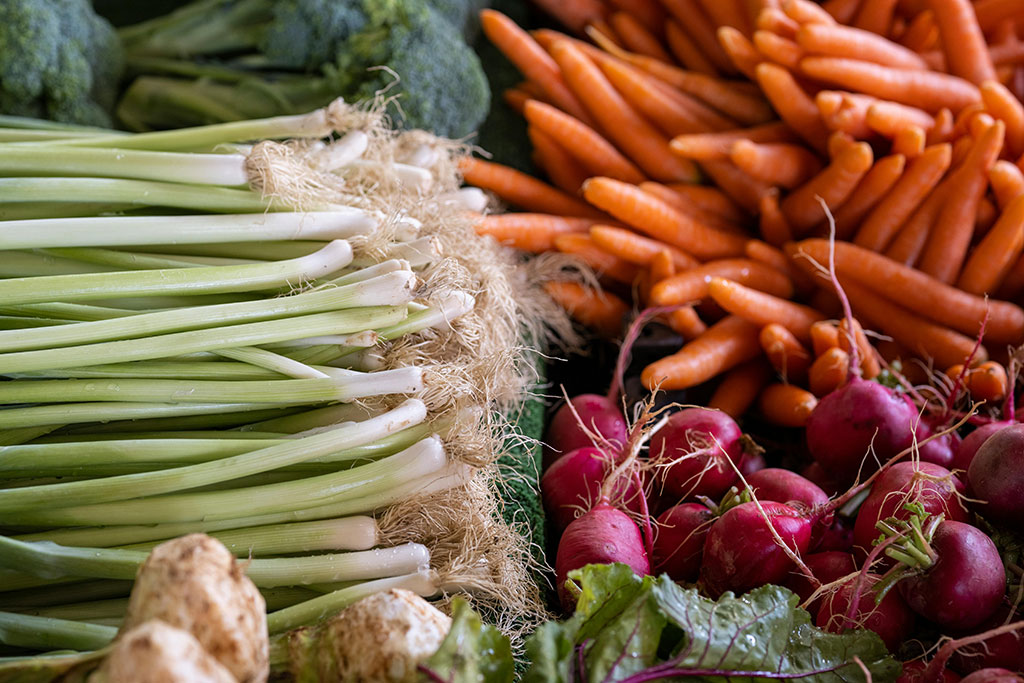
Fresh fall produce is often fresher, cheaper, and more flavorful, so take advantage of items like squash, apples, kale, and root vegetables to add variety and nutrition to your meals. Try making a roasted vegetable medley, apple-cinnamon overnight oats, or a butternut squash soup for a cozy, nutrient-rich dish.
It’s relatively easy to ensure that you and your family won’t eat the same thing all week. Swap in different sauces, dressings, and toppings to keep flavors interesting, and adopting even small changes—like substituting quinoa for rice or adding a new spice blend—can make your meals feel fresh and exciting.
Meal prep doesn’t have to be time-consuming or complicated. By using a little forethought, cooking in batches, and using seasonal ingredients, you and your loved ones can stay nourished and energized all fall long, no matter how busy life gets.
Sometimes the simple classics are the things people crave most for a comforting family gathering. But we don’t blame you if you’d like to kick them up a notch. Take these recipes from the Toast: 80 Delicious Recipes for Toast with a Twist cookbook. These eats find new and exciting ways to elevate crisp bread with exciting new flavors and all-day appeal.
Tangy produce and rich, buttery crab sit atop pillowy brioche for a unique, reinvented take on classic lobster rolls.
This traditional Spanish recipe lets outstanding ingredients, including quality fruits and sourdough, speak for themselves.

From Toast: 80 Delicious Recipes for Toast with a Twist by Katie Marshall, published by OH.
Photography © 2025 Simon Smith.
I was inspired to create this recipe by the decadent and delicious Canadian idea of lobster served in brioche rolls. Such hedonism. The toasted brioche here accentuates the sweetness of the crab meat, and is also helped along by the kewpie mayo, which is made just from egg yolk and is nicely rich. The pickled cucumber adds a necessary salty acidity, with still some crunch—and the togarashi (seven spice) gives a little Japanese spice kick!

SERVES 2–4 (WITH LEFTOVER PICKLED CUCUMBER)



This Spanish staple is just so easy. All you need is a box grater and a bit of time to intensify the flavor of the tomatoes. It’s traditionally made with day-old bread, so it’s a great way to use up the end of a loaf. For maximum effect, use the most delicious and ripe tomatoes you can find—and it really warrants a decent olive oil.

SERVES 4–6


Zack Jurasek, founder of Texas-based GlowRow, discusses what makes his company’s nighttime kayaking tours uniquely fun, visually stunning, and surprisingly good exercise.

What is GlowRow? What inspired you to found it?
My real passion for GlowRow came from flounder-gigging with my dad when I was a kid. We’d walk around in ankle-deep water with a lantern and a gig and catch our dinner for the night; when we did, we could see everything under the water. I wanted to re-create that experience, allowing people to witness aquatic creatures in their natural habitat. That’s exactly what people do with our clear, well-lit kayaks and paddles at our ten locations.
What’s your guide-to-customer ratio?
Following the American Canoe Association’s policy, we assign one guide per five boats, or ten customers, since we use two-person kayaks. The maximum number of boats on the water at once can vary, especially when we accommodate large groups like church outings or corporate teams. We can have up to forty people, in twenty clear kayaks, with four guides. That said, we’re aiming to set a Guinness world record by getting a hundred clear kayaks on the water at the same time.

Which tours are most popular?
A few would be in the running. Our North Padre location, which is going nonstop, is right next to a popular seafood restaurant we have a partnership with. So right after you’re done GlowRowing, you can go get dinner or have a drink. Another one would be Port Aransas; the wildlife immersion there is really in-depth. In addition, we are trying to relocate our popular Austin location down to the lakefront for an even better experience.
We’re also the only kayak company in the world that gives you the chance to paddle right up to the hull of an aircraft carrier. In Corpus Christi, after the season’s first couple of cold fronts, the bay calms down enough for us to safely circle the USS Lexington, now a museum. It’s also jellyfish season then, so we show guests how to properly hold them, identify which species are harmful, and even highlight the bioluminescent comb jellies. Another popular tour is during the Fourth of July and New Year’s fireworks shows in the marina.
Does night kayaking offer any other unique experiences?
Here’s a fun one. A specific type of fish is drawn to the light frequencies we use, and they sometimes leap into the kayaks. We’ve actually had guests leave five-star reviews after being hit by a fish because it’s a once-in-a-lifetime moment. All you hear are screams, squeals, and laughter!
And I’m excited to say that we have a brand-new experience: immersive movie shows on a giant screen at the shoreline. Each kayak will have Bluetooth speakers, and we’ll have a remote-controlled alligator head in the water for a movie like Lake Placid and a shark fin swimming around the marina while folks are watching Jaws, really amping up the whole fear factor.

Is kayaking a good workout?
Most definitely. One of my goals for creating GlowRow was to get people out there doing something extracurricular because obesity is a big problem in the United States. As far as the workout it provides, I’d consider it comparable to riding a bicycle, except with your arms instead of your legs. You’re consistently paddling in that cyclic motion. How much exercise you get depends on tides, wind direction, and currents, even on the rivers. The route is designed to mitigate the wind; we paddle out halfway and typically try to drift back. So you’re really only paddling half the time, about forty-five minutes.
How does the GlowRow experience make people feel good mentally and emotionally just by being out on the water?
Oh, man. There are a few stories that exemplify this. The oldest guest we’ve had is a ninety-seven-year-old woman. I’ll always remember that night when I was guiding her. Goodness gracious, she couldn’t stop saying that it was the best thing she had done in her entire life.
There’s another story that I repeat constantly because it really tugs at the heartstrings. One night, I was out guiding a group, and as another guide was doing the kayak briefing, one customer just started crying. I asked her if she was OK; she said she was, but it was a lifelong dream of hers to paddle with dolphins. Providing such experiences is exactly what keeps my fire going for this business. Guests doing GlowRow have one-of-a-kind experiences and make memories that just can’t be replaced.
For more info, visit glowrow.com