Technology has woven its way into almost every aspect of our lives, from our leisure activities to our work and even to many of our self-care routines. But as we drift from one screen to another, we may start to feel tethered to smartphones, computer monitors, and TVs—or maybe even dependent on them.
While these gadgets certainly have value, over-relying on them can carry significant drawbacks to your well-being. Chief among these are heightened stress and anxiety, diminished quality time with loved ones, and a more sedentary lifestyle (a major risk factor for obesity, heart disease, and diabetes).
Before you turn on another device as a reflex, set aside some screenless time instead. After all, unplugging for at least part of each day can open you up to a world of benefits. Try these enriching activities, each of which can empower you to live a more well-rounded life.

Nature offers a perfect antidote to the digital world. Taking in thriving greenery and fresh air can reduce stress, boost your mood, and enhance your memory. Either alone or with a loved one, consider taking a leisurely stroll around the neighborhood or a park. For a more challenging activity, lace up your hiking boots and hit a rugged trail. You could even try your hand at bird-watching or identifying local plant life, either of which can make your time outdoors feel more engaging and provide a sense of connection to your environment. And while you may be tempted to add a soundtrack to your activities, truly unplugging means leaving your headphones at home so you can take in the enriching natural soundscapes or conversation with a cherished companion.

One of the most worthwhile ways to invest your free time is in your own physical fitness. Staying active not only benefits your heart health, among other perks, but also remedies the sedentary lifestyle largely associated with heavy device usage. Devote some of your sessions away from screens each week to getting more steps in or practicing a new exercise regimen (kickboxing or dancing, for example). Alternatively, set a specific physical goal like surpassing thirty-pound bicep curls or touching your toes. Once you start to see results of your training or achieve certain milestones, you’ll experience a sense of satisfaction that hours lost to screen time are unlikely to match.

Escape into a fictional world with a good, old-fashioned novel or learn fascinating real-life stories in a nonfiction work. Reading stimulates your brain, expands your vocabulary, and can open the door for fulfilling social occasions such as book club meetings. While you can experience these same benefits via e-books, opting for a physical product boosts your immersion in stories without the distractions of ads or notifications—or the negative effects of blue light.

You might love reading for its own sake, but you could also turn to books to educate yourself on specific topics or improve your real-life skills. For instance, crack open an instructional book on playing the guitar or piano or check out textbooks from your local library to learn a new language. Even if you’d like to improve your tech skills, such as photo editing, reading a physical book disengages you from a hobby that would otherwise keep you glued to a screen. Mastering a new ability provides a creative outlet and feelings of accomplishment.

This skill deserves its own dedicated focus; after all, one of the healthiest activities you could pursue is enhancing your cooking chops. Crafting homemade meals with fresh ingredients is generally cheaper and more nutritious than dining out, especially when feeding your whole family. To become a true artisan in the kitchen, utilize cookbooks to take up other culinary skills like baking and intricate coffee-brewing methods.

For an ultra-satisfying means of spending your time offline, engage in community service or simply help someone in need. Volunteer at a local shelter, participate in a street cleanup session, or mentor an individual in your neighborhood. (Maybe you have a skill you could impart to someone else!) Performing acts of kindness not only makes an immediate difference in others’ lives but also benefits you in return, providing a sense of purpose, enhancing your personal satisfaction, and potentially improving your mental health.
Ultimately, moderating screen time is not about rejecting technological advancements altogether but, rather, integrating them into a more balanced lifestyle. If you need a little help kick-starting your unplugging journey, try setting tech-free zones (the bedroom is a great place to start) or screenless sessions, such as the final two hours before going to bed. You could even implement time limits on your smart devices and schedule more in-person catch-ups than virtual ones. However you approach it, making a concerted effort to unplug once in a while can recharge your mind and body, strengthen your relationships, and help you rediscover the joys of the offline world.
From ancient geothermal pools to sleek, modern sauna sanctuaries, wellness-focused travel is booming across the United States. And people are noticing. The global wellness tourism market is forecast to nearly double, from an already robust $525.38 billion in 2025 to around $910 billion by 2030, per researchandmarkets.com.
As more people prioritize restoration over nonstop sightseeing, hot springs, spa towns, and immersive sauna experiences have become destinations in their own right. These places can offer not only physical relief, soothing sore muscles and improving circulation, but also mental clarity and rare opportunities to slow down.
Whether you’re craving solitude, recovery from your itinerary, or a luxurious reset, you’ll find ample restorative escapes that blend natural beauty with intentional relaxation. Here’s a guide to some of the most revitalizing wellness destinations nationwide.

Long before wellness tourism became trendy, Indigenous cultures recognized the restorative properties of mineral-rich hot springs. Today, many of these sites are thoughtfully preserved and enhanced to create deeply relaxing experiences.
Hot Springs, Arkansas
Often referred to as “the Spa City” or “America’s First Resort,” Hot Springs has a long history of therapeutic bathing. Bathhouse Row, a collection of historic baths within Hot Springs National Park, blends old-world charm with modern spa treatments. Visitors can enjoy traditional thermal baths while surrounded by preserved architecture and forested hills.
Ojo Caliente, New Mexico
One of the oldest natural health resorts in the country, Ojo Caliente offers multiple mineral pools, from iron-rich waters to lithium-infused soaking spaces, each with its own unique benefits. The experiences here encourage mindful relaxation in a desert landscape that feels both grounding and expansive.
Pagosa Springs, Colorado
Home to the world’s deepest geothermal hot spring, Pagosa Springs is a haven for those seeking a range of relaxation offerings, with its titular resort offering over fifty options (both hot and cold). Its mineral waters include sodium, magnesium, and potassium, which reportedly offer a host of health benefits for muscles, bones, skin, and more. Relaxing beneath the open sky in this southwestern Colorado town feels especially restorative.

Some destinations go beyond a single soak, offering entire metropolitan areas shaped around wellness, leisure, and intentional living.
Berkeley Springs, West Virginia
A quieter gem located a mere two hours from Philadelphia and Washington, Berkeley Springs has drawn visitors since 1776, including the first president himself. The warm mineral waters remain central to the town’s identity, complemented by a peaceful arts scene and small-town charm that encourages unhurried exploration.
Sedona, Arizona
Known for its striking red rock formations and wellness, Sedona attracts travelers seeking physical and emotional renewal. Many visitors flock here for a reset, thanks to options like luxury spas and outdoor meditation experiences that pair perfectly with hiking and yoga.
Calistoga, California
Napa Valley-based Calistoga boasts both striking mineral hot springs and volcanic ash mud baths. A blend of wine-country indulgence with holistic spa culture, it’s ideal for travelers who want equal parts relaxation and refinement. It even houses the Golden State’s own version of Old Faithful!

For many travelers, wellness experiences serve as the perfect complement to their physical activity.
Austin, Texas
A long-time haven for live music in the Lone Star State, Austin also features a wide range of outdoor offerings. For instance, you can bike along Lady Bird Lake during daytime hours before unwinding at Miraval Resort & Spa, named North America’s best wellness retreat by the World Spa Awards two years running.
Jackson Hole, Wyoming
After skiing, snowshoeing, or hiking in Grand Teton National Park, nearby spas and hot springs such as Granite and Astoria provide essential recovery. Soaking tired muscles while overlooking rugged peaks can add a sense of reward and balance to adventure-heavy trips.
Bend, Oregon
Known for its outdoor recreation, the Bend area also offers access to natural hot springs and wellness lodges within driving distance. Visitors can mountain bike or paddle during the day, then unwind with a soak or sauna session in the evening at Summer Lake Hot Springs, a mere two hours away.
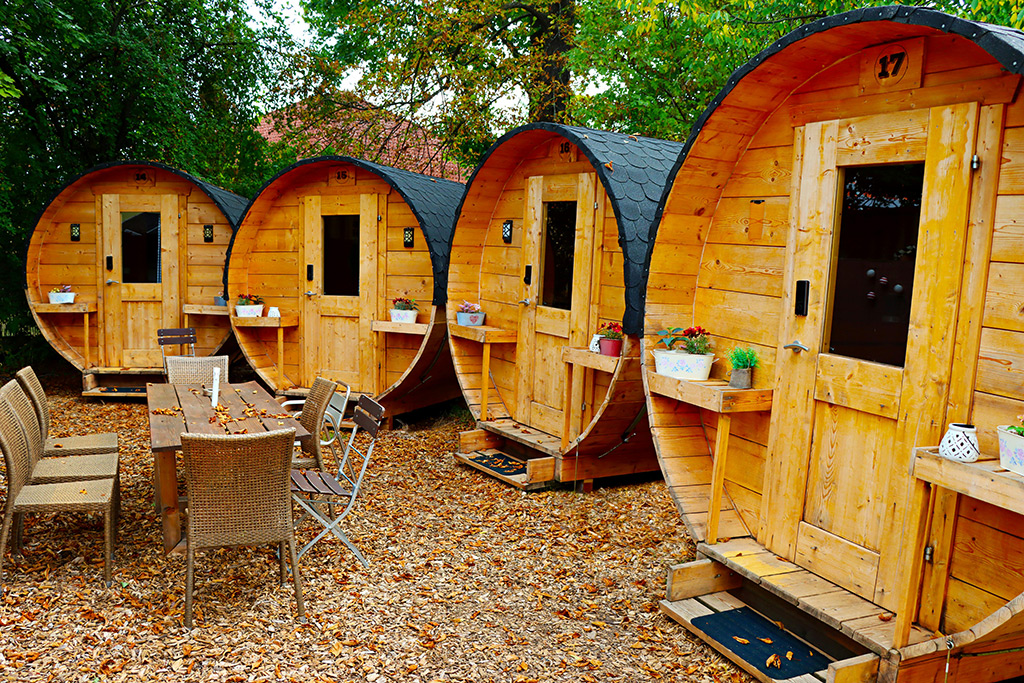
While sauna traditions have long been associated with Nordic countries, the United States has embraced them in new and creative ways. Modern sauna destinations emphasize contrast therapy (i.e., alternating heat and cold) to boost circulation, reduce inflammation, and promote mental clarity. The following are just some of the trendy types to try.
Mobile and outdoor saunas
Mobile saunas, often built into trailers or small cabins, are popping up near places like beaches and mountains. These flexible setups allow travelers to enjoy the benefits of steam bath therapy in scenic, unconventional locations.
Scandinavian-style sauna retreats
Sauna culture is deeply rooted in northern Midwest states such as Michigan and Minnesota. Lakeside saunas paired with cold plunges or snow immersion offer a bracing yet invigorating experience with a focus on community and reconnecting with nature.
Urban sauna studios
Cities such as New York and Los Angeles are seeing a surge in boutique sauna studios. These spaces often combine infrared saunas, steam rooms, cold plunges, and breathwork sessions in sleek, minimalist environments. They cater to busy professionals looking for efficient, high-impact relaxation without leaving the city.
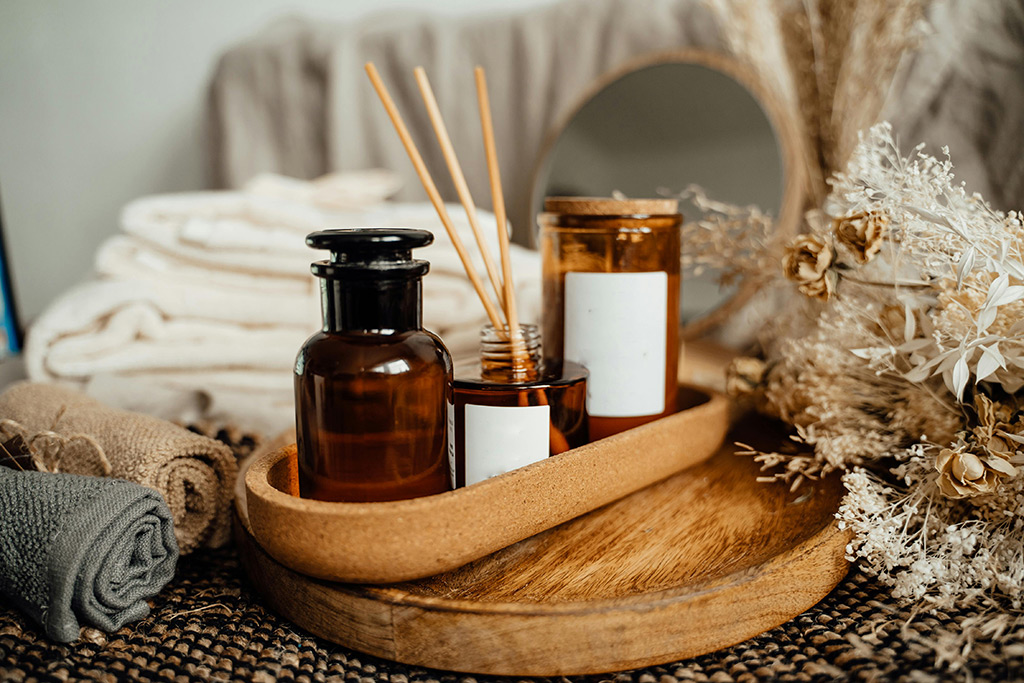
The beauty of wellness travel lies in its flexibility. While some destinations emphasize quiet reflection and solitude in nature, others offer social soaking and guided treatments in resort-style amenities. When planning your escape, consider what you need most: deep rest, physical recovery, mental clarity, a connection to nature, or a little of everything. There are hundreds of such places to choose from, so do your research and consider contacting a travel agent to narrow down your options to perfectly suit what you’re looking for.
The holiday season regales us with its glimmering lights and gleeful gatherings, but it also could be an uncomfortably chilly time of year. As an antidote to the ice or cold breezes, gather indoors to indulge in some warm eats with your loved ones. These two recipes from the Everyday Chef cookbook combine healthy ingredients into comforting concoctions—and every mouthful offers another taste of relief against the cold.
Chicken soup is practically synonymous with comfort, and this version will become your new go-to recipe.
This complicated-sounding bread is actually easy to make yourself as a delectable appetizer.

Recipes from Everyday Chef: Simple Dishes for Family and Friends by Jeremy Sewall and Erin Byers Murray. Rizzoli New York 2025. Photography by Michael Harlan Turkell.
Everyone should have a go-to chicken soup recipe. Some version of chicken soup is found in almost every culture, with recipes as ancient as our ability to boil water. My version is flexible: once you learn the basics, you can swap out the vegetables depending on what you have on hand. I use orzo because it holds up well in broth and it’s easy to eat with a spoon. This tastes better the day after it’s made, especially with a few crumbled crackers on top.

SERVES 4 TO 6



This quick and easy recipe starts with a no-yeast dough that is pan-fried, topped, then baked. I give the dough a bit of bite with a dose of black pepper—it’s my favorite part of the recipe. I prefer store-bought marinated sun-dried tomatoes that come in a jar. Keep a jar in your pantry for an easy addition to snacks. This dish also works well with thinly sliced fresh tomatoes.

SERVES 4 AS AN APPETIZER


Intense exercise carries the risk of injuring your muscles and joints, especially if you’re a senior. However, personal trainer Henry Pollock of GYMGUYZ in Austin, Texas, explains how you can work out more safely with low-impact alternatives.

Tell us about your fitness background:
I’ve been in fitness and parks-and-recreation management for about thirteen years. I started by receiving a personal training certification then started working for a municipal recreation center, where I fell in love with the parks system. I worked my way up the chain and have had multiple certifications, including becoming an ISSA Certified Master Trainer, which is my current role at GYMGUYZ.
I’ve held over 2,500 sessions in my time, guiding a variety of different classes and clients. I absolutely love fitness, and my motto is always to make people healthier and happier than when we first met.
How would you define low-impact exercise?
These are exercises that aren’t too hard on any of the muscles or joints. They’re easily accessible for seniors and won’t cause any further injury or extreme pain to their workload.
High-impact activities include anything that involves jumping or heavy weightlifting. Obviously, we don’t want to put seniors through intense sprinting, downhill running, or heavy squats, for example. But “high-impact” is a relative term depending on the person, and it’s not necessarily a bad thing—just as low-impact doesn’t necessarily mean “good workouts.” Exercising safely is really just about not stressing the body past a certain point.

Should even young and able-bodied people be concerned about impact?
In a sense, yes. You can always overload your body, and high-impact exercise always carries more risk than low-impact fitness. The former has a place in any routine, though. Weight training is a great exercise for many seniors, for example. You’ll need to build lean muscle mass as you get older, which can keep you safe against falls and other risks. These people should tailor their approach to high-impact exercises, not omit them.
What are some examples of low-impact exercises?
These include squatting-to-standing moves or sitting-to-standing ones, using the wall to do push-ups, doing calisthenics on a floor or bench, and other body-weight exercises like hip hinges or thrusts. These are exercises you can do without incorporating extra weights. Some other low-impact exercises that I strongly recommend, especially for seniors, are yoga and water or aerobic exercises. Getting in the water is extremely good for your body because it naturally diffuses impact, but you can still stress the right muscle groups and get a good cardio workout.
Recumbent bikes, ellipticals, and upper-body bikes also offer great cardio exercise. These are generally low-impact in nature and carry a low risk of injury. Some other good types of training include balance exercises, such as tai chi and slow-marching with heel-toe movements.
How important is form for impact?
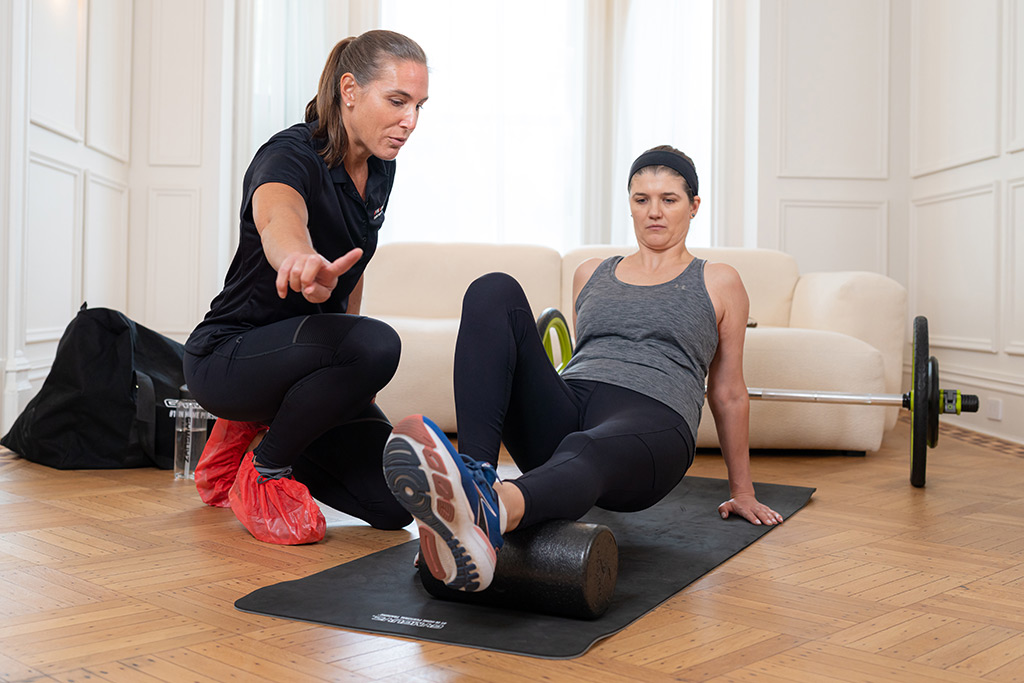
Form is critical for any type of exercise, whether you’re working with strength equipment or just walking. It’s really what trainers look at to make sure that our clients are doing exercises correctly, even simple ones, since using the correct modality reduces their risk of injury. What’s key is working gradually according to your needs and seeking a trainer’s help to check your form and help you make progress.
What are the top advantages of working out with a trainer?
It’s extremely important to seek advice because each person is different: their injuries, ailments, goals, etc. Ultimately, when you hire a trainer, you’re going to get better results because they will help you stick to the “big three” in fitness: accountability, a plan, and nutrition, catering them to your needs.
When I work with clientele, I always start with an assessment to understand where they are and what their needs are. Everyone has different goals. Many of my clients live a more sedentary life, but others have experienced balance issues due to vertigo or even a serious injury and are learning how to walk again.

How do you recommend someone begin a new regimen?
One of the best ways to get started, especially if you’re looking to prioritize low-impact exercise, is to seek out local group exercise classes. I think it’s particularly great for seniors to work out in a group setting because of the socialization aspect. There are lots of different classes offered in elderly settings, like SilverSneakers, with low-impact routines geared toward that demographic. But instead of just jumping into any random class, make sure you’re getting into one that targets your demographic and goals.
However, one-on-one training offers the best customized experience, so you get what you need. For example, GYMGUYZ can bring fitness to your home since we carry equipment in our van and can provide personal training and accountability. That’s a huge advantage for those with transportation challenges, including seniors, teenagers, and people recovering from an injury, as well as folks who live in towns without gyms. There’s also a comfort factor because gyms can feel intimidating for some people, but the comfort of working with a trainer at home can lead to greater success.
For more info, visit gymguyz.com