Fredrika Syren and James Harker turned an eco-friendly home challenge into an adventure called the Zero Waste Family, which has led to a film, a book, and a new NBC show. The husband-and-wife team discuss their family’s journey and offer advice for how others can follow in their footsteps.

How did this journey begin?
Fredrika: I’ve been an environmental writer for thirty years and was already recycling, eating organic, and going to the farmers’ market. But once our daughter, Bella, was born in 2006, things completely changed. I realized that it was her planet and her future, so I started this journey. James, on the other hand, was dead set against it.
James: I had a busy job, so Fredrika started doing little challenges, like “Let’s try to spend every Saturday this month not using any electricity” or “Let’s try to shop at the farmers’ market instead of the grocery store for six weeks.” Little by little, I started getting more in-tune with it. One day in 2015, I moved the trash can from the kitchen to the other side of the house. That gave everyone a few moments to think about what we were doing and really propelled us forward.
How has the experience been for your kids?
Fredrika: Bella was nine when we went zero waste, and there’s a hilarious part in our documentary where she complained that other people had trash cans and asked why we couldn’t be “normal.” Our boys, though, have no memories of that. For the longest time, our youngest, Liam, who’s now eight, didn’t understand that there was something called a trash can and that most people have them.
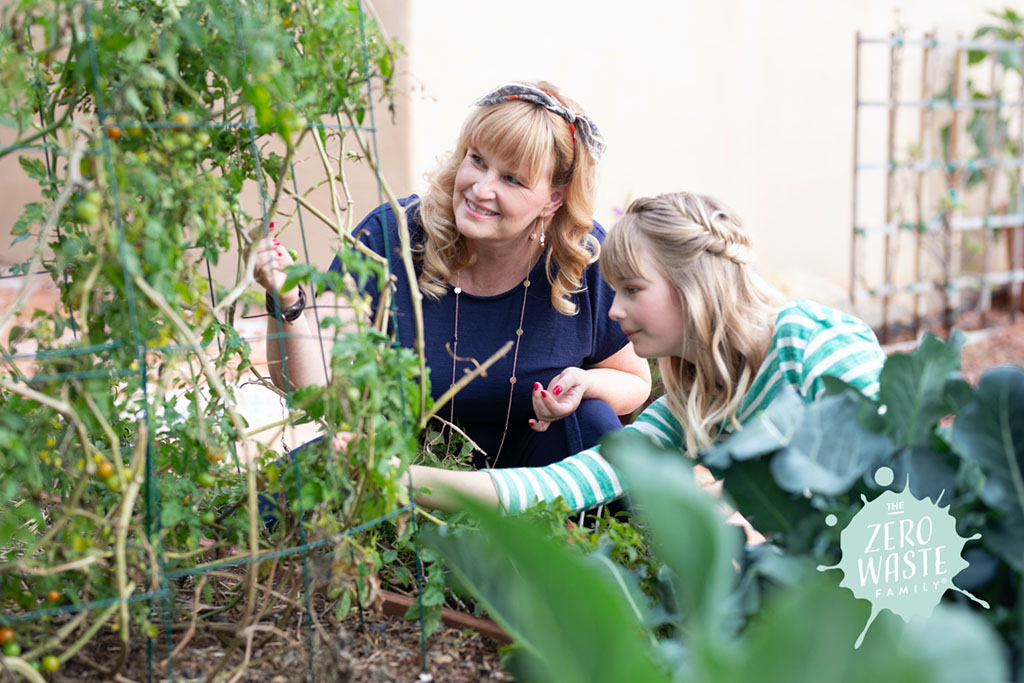
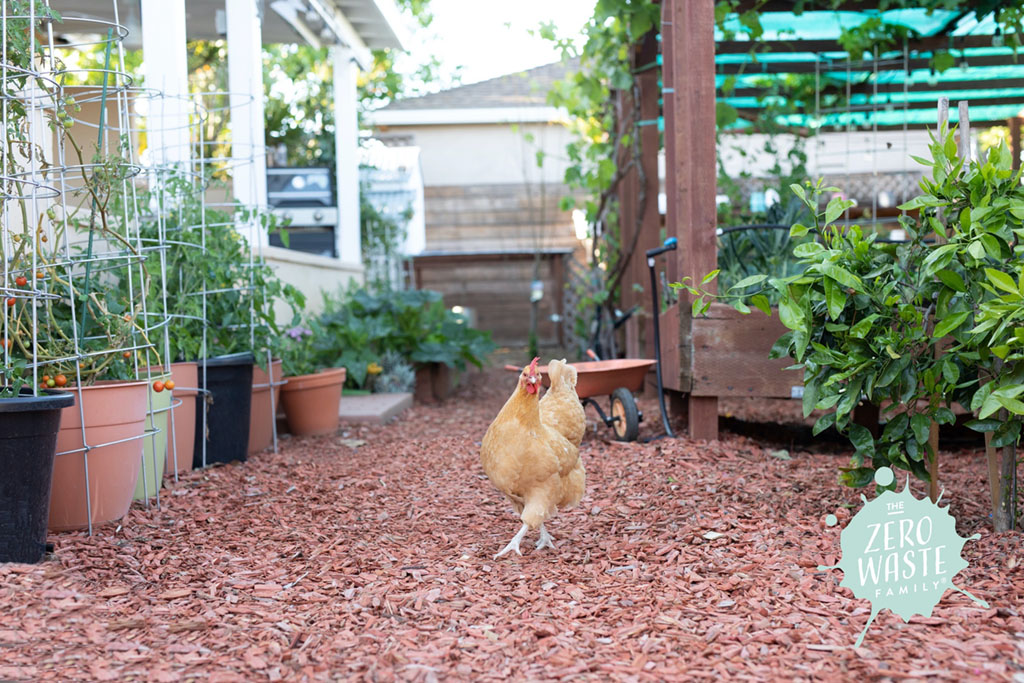
James: The boys are now at an age when they’re learning patience, which doesn’t come naturally to kids. So it’s actually not even a zero-waste skill but a life skill that needs to be learned along with our lifestyle. Our garden is a good example of this, and our kids play a big part in it. Our ten-year-old, Noah, loves hunting for curl grubs and feeding them to our chickens.

Has your zero-waste lifestyle helped during COVID-19?
Fredrika: It’s made the pandemic much easier to get through. Our friends depend much more on food from the grocery store, whereas we have a 400-square-foot garden, tend to cook everything ourselves, and buy fifty-pound bags of beans, lentils, and rice. We’re also very creative with coming up with solutions. No toilet paper? A zero-waster can figure it out. No disinfectant? We make our own but don’t use chemicals. In fact, when COVID-19 shut everything down, people wanted to learn how to eat and live on a budget, so we started our YouTube channel to help.

Was there a lot of trial and error?
Fredrika: It took us nine years to become zero waste, so it takes time. You have to be kind to yourself and enjoy the journey. We had to do a lot of research and experience many trials and errors, as you said. We’ve definitely had times when things didn’t work out—for example, we made a dishwasher powder that was a disaster.
James: We have this motto that if we can’t recycle, reuse, or compost it, we don’t buy it. But it took a while to get there. You’ve got to take it one step at a time, and every step is a victory.
What are some misconceptions about your lifestyle?
Fredrika: We obviously spend time in the garden and cook fresh meals, but people think we’re sitting here doing zero-waste projects all day long. I actually consider myself a lazy person.
James: I think she has a different definition of the word lazy. [Laughs] Another assumption is that it must cost a lot of money. In reality, many of the things we do go back to the simple ways our grandparents did them because they didn’t have a lot of money. It’s actually much more cost-effective than just buying something at the store—we save about $18,000 a year living a zero-waste life. It’s allowed us to go down to one car, which also helps from a sustainability perspective.
Fredrika: We don’t do this to complicate our life; we do this to uncomplicate our life. We are a much happier family since going zero waste. James is not working sixty hours a week anymore; he’s working from home part time and is here for the kids. And that makes us a very happy family. Less waste equals more happiness.

How do you feel about how far you’ve come on this journey?
James: Younger people have a lot of anxiety about climate change. So when our kids learned that they could take steps to be personally responsible and take action, it gave them a greater sense of control. Providing our kids with not only the tools to effect change but also the confidence that something can be done has been one of the unexpectedly great outcomes of this journey.
Fredrika: Our kids talk about how when they’re grown up, they’ll grow food for themselves. Bella has already figured out that, in college, she’s going to convert a camper van into a tiny home, where she’s going to grow food and cook for her friends. So it’s neat to see that our kids are going to take this into the future, and I believe we’re going to be zero waste for the rest of our lives. I’m living my dream, and I’m so grateful.
For more info, visit zerowastefamily.com
There’s no question that gift giving is an integral part of the holiday season. Shopping begins months in advance for some people, and, depending on how many individuals you have to shop for, the bills can quickly add up, as can wasteful packaging and wrapping paper.
However, there are alternative approaches. Before you load up your virtual or physical shopping cart, change your perspective and your approach by adopting these other creative options; just consider discussing the change with friends and family first to make sure everyone is on the same page.

GIVE AN EXPERIENCE
It’s hard to beat a gift that you can physically engage with or participate in. Sure, objects like a necklace or a pair of shoes are nice and can be practical under the right circumstances. However, an experience is something you can carry with you for the rest of your life.
If you are looking for an adventure to gift to your entire family, think of something that everyone will enjoy and benefit from, such as contributing to a vacation fund, setting up a family scavenger hunt, purchasing an annual US Park Pass, or enrolling everyone in a cooking class. Good gift ideas for a significant other could include a skydiving excursion, a private dinner or wine tasting, a quiet weekend getaway, or an in-person or virtual class on a subject they enjoy.

GIVE BACK
Sometimes helping others can be a gift to your own health. According to the Mayo Clinic, volunteering has a host of health benefits, including a decreased risk of depression and stress, the development of social skills and new relationships, and even increased life expectancy.
Websites such as VolunteerMatch and AmeriCorps can help you search for nearby volunteer opportunities suitable for you and your family. Instead of, or prior to, holding a gift exchange, spend the day giving back to an organization or a program that needs your help.

GIVE FOR THE FUTURE
One of the best and longest-lasting presents you can give is one that sets up the recipient for a successful future. Ask your financial advisor about establishing a savings account or investing in a fund for a family member; this is a particularly great gift for children or young adults to help them learn good financial habits. If your loved one is looking to attend or is currently attending school, consider contributing to their education by donating an amount you’re comfortable with toward their tuition or offering to contribute to books or other supplies they may need.
Do you have a friend or relative who owns their own business? You can purchase a product or service from them. If they have a photography business, for example, you could have them take your next set of family photos to include on your holiday cards.

GIVE GOOD HEALTH
Changing to a healthier lifestyle can be challenging, especially with the cost of gym memberships and nutrition programs factored in. If you have a loved one who you know is looking to improve their health, consider gifting an annual gym membership, a subscription to a healthy meal kit service, such as HelloFresh or Sunbasket, or giving a gift card to a nutritionist service.
Additionally, you could consider donating any exercise equipment you no longer use or try looking for discounted equipment on places like Facebook Marketplace to gift.

GIVE YOUR TIME
Your time is one of the most underrated but highly valuable gifts you can give to a loved one. It might sound like a cliché, but more time is something many people want above all else but seldom have.
Offer to babysit for a friend or family member with children so they can enjoy a night to themselves or with their significant other. Help a loved one with a home-improvement project on their to-do list so they can complete it more quickly. Or just leave more time in your schedule for getting together with friends and family. These gifts are simple, don’t cost much money, and make a big impact on the lives of those you love.
Change up your usual holiday meal and try these delicious and healthy recipes for your table this season. From turkey to side dishes, and, of course, dessert, everyone will be full and thankful.
This seasoned golden-brown turkey with hints of fruit is the perfect centerpiece for your table.
Ratatouille is the perfect veggie-packed dish to serve as a side or a healthy, vegetarian-friendly main dish.
You can’t go wrong with this nutritious, colorful, and flavorful side!
Close out your holiday meal with this naturally sweet pie.

Serves 6–8



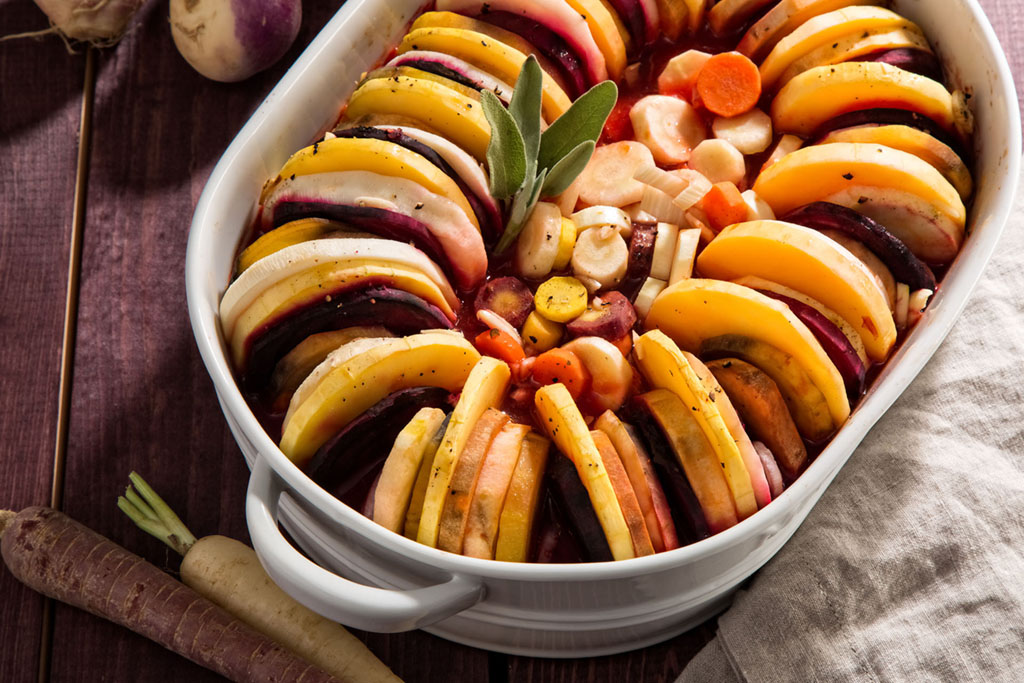
Serves 6–8





Serves 6–8


The holidays are prime time for eating delicious food, celebrating with loved ones, and creating long-lasting memories. However, all this cheer can be both physically and mentally draining.
That’s why it is essential to focus on your wellness during the holidays. Use these tips to make healthy decisions throughout the season.

EAT IN MODERATION
Your eating habits can be difficult to monitor when there’s an abundance of delicious meals and enticing sweet treats available, so it’s important to remember everything is best in moderation.
STAY HYDRATED
While tasty beverages like eggnog and cocktails are ever-present during the holiday season, make sure you’re conscious of how much water you’re drinking. There is no set standard for how much water you should drink because it varies from person to person; however, you should try to drink at least several glasses a day. Bring a reusable water bottle with you when you run errands and while you’re at work to help increase your water intake.

GET ENOUGH SLEEP
Between the shopping, gift wrapping, and cooking, you may feel like there aren’t enough hours in the day to complete everything on your schedule. However, you shouldn’t sacrifice sleep to get your tasks done. A lack of sleep can weaken your immune system, cause weight gain, and lead to increased anxiety. According to the CDC, adults should get at least seven hours of sleep each night. If you’re having trouble sleeping, avoid blue light from devices like your phone, television, or tablet for an hour or two before you go to bed. Also, avoid eating a large meal or drinking caffeine or alcohol for three to four hours before heading to sleep.
SET A SCHEDULE
Create a schedule for the busy months ahead by spreading your tasks across the season. Avoid spending long hours in stores by breaking up your shopping into two or three shorter trips, and wrap a selection of your gifts at a time instead of trying to do it all at once. If you can’t do everything on your list, ask a loved one for help. By distributing tasks, you’ll clear up time to focus on other things you need to get done. You should also be prepared to turn down invitations or requests from family and friends. While it’s difficult to tell people you cannot attend an event, most people understand this is a busy time.

STICK TO A BUDGET
You may have a long list of people you want to give gifts to, but it is important to limit how much you spend. Set a budget before you start shopping, and try your best to stick to it. The stress of the holidays can stretch well into the new year if you’re paying off gifts you bought with a credit card. It’s recommended to spend no more than 1 percent of your gross annual income on gifts. To save money, give homemade gifts like crafts or holiday treats. You can also suggest a gift exchange to friends or family where everyone is only responsible for buying a single gift within a certain price range for someone else.
MAKE TIME TO EXERCISE
You can adjust your exercise routine to fit into your holiday schedule. Instead of a thirty-minute routine, try breaking up your workout into smaller intervals throughout the day. For example, you can combine a fifteen-minute exercise routine or yoga session with a pair of ten-minute walks spread throughout the day. If you’re at a party, suggest a walk or an active game before the meal or in between dinner and dessert.

MANAGE STRESS
You need to remember to take time for yourself. Put down your phone, close your laptop, and take a few moments for an activity that puts you at ease, such as meditating, reading, drawing, or spending quality time with a loved one.
If you need a quick pause from holiday activities, try 4-7-8 breathing. This technique can help you reduce stress as well as get to sleep faster. To perform this exercise, find a quiet place to sit or lie down, and follow these steps:
Finally, remember to enjoy yourself. That’s what the holidays are all about! Make sure to eat, drink, and be merry, but in moderation.