In life, making a big splash usually captures the most attention, whether it’s an important announcement, a majestic house, or a flashy car. When it comes to your health, though, small, consistent steps usually make more of a difference than dramatic changes—and are usually safer for beginners.
Think about this in terms of your home life. How often do you get things out of cabinets, stand at the counter washing dishes, or carry groceries? The truth is, such common movements, also known as microhabits, can help shape not only your overall health but also your strength and mobility.

Spending hours sitting each day comes with a cost. At some point, you’ve likely experienced some common effects of being stationary for long periods, such as stiff joints and reduced energy. Most people know what they should do for better well-being: get more active. The stumbling block is usually consistency, which is thwarted by distractions and overloaded schedules.
Take advantage of gaps in your busy calendar since the body adapts remarkably well to frequent, low-level activity. Muscles and joints, for example, respond to regular use, even without pumping iron in the gym. Strength and balance can lead to improvements, especially for beginners or sedentary individuals.
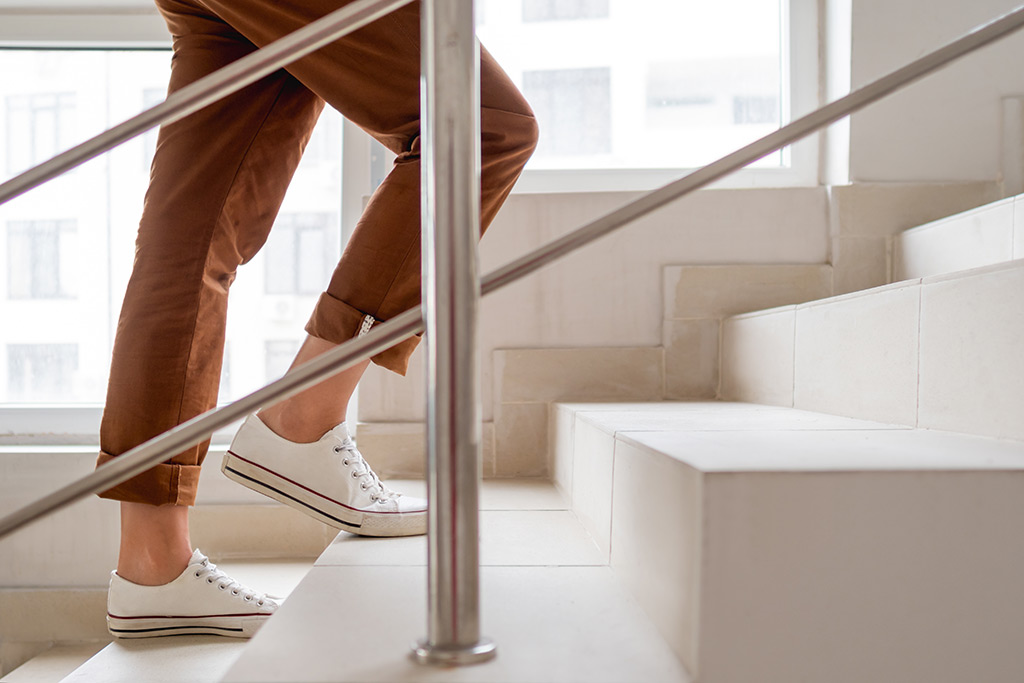
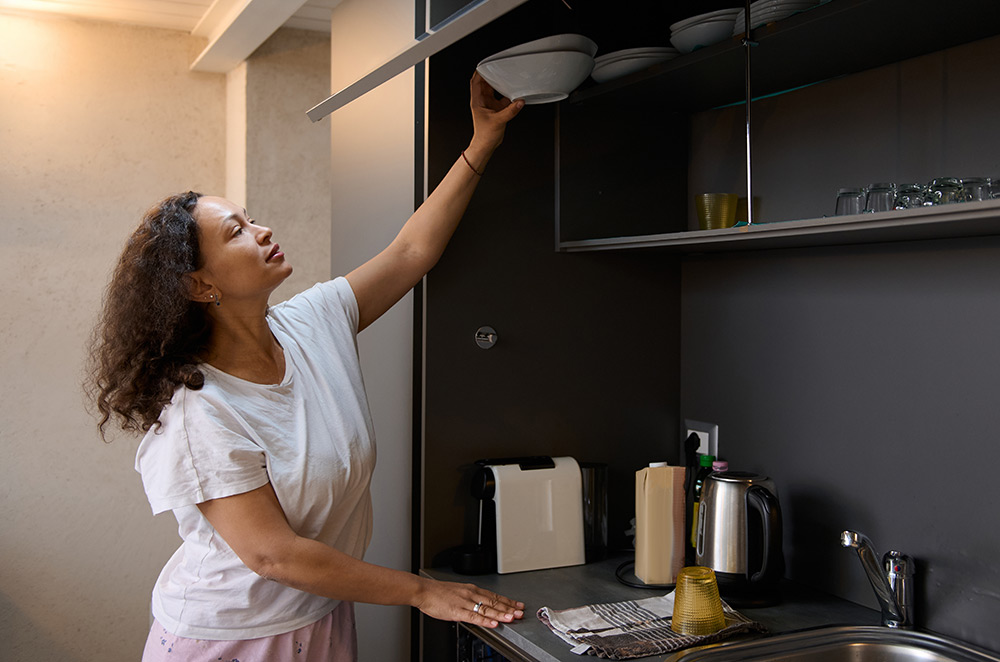
When people hear this word, they usually picture barbells. However, a gym membership isn’t absolutely necessary since strength is required for common movements. Lugging laundry baskets (everyone’s favorite chore) works the arms and core, especially going up the stairs. Reaching for a pot in an overhead kitchen cabinet requires balance (more on that later) while challenging shoulder stability. Merely standing up from a chair engages the legs and hips.
The key is making small adjustments, which turn such routine actions into strength-building opportunities. For example, stand up a little slower and hold your posture for a breath. Place those groceries down deliberately instead of rushing to drop them on the counter. In doing so, you begin to notice how you move, which demands more control and stability. While daily movements won’t fully replace structured strength training, they can help maintain functional strength and reinforce good movement patterns.

Having a sense of healthy physical balance and mobility usually falls into the “use it or lose it” category, especially as life becomes more sedentary and predictable—which tends to happen with age. However, research shows that measurable improvements can occur within a few weeks of regular practice, depending on your starting point and consistency.
There are plenty of simple changes you could make to improve your balance, such as standing on one foot while brushing your teeth and shifting weight slowly while waiting for the kettle to boil. Likewise, keeping your joints frequently in motion can aid your mobility, so try rolling your shoulders after waking, turning your neck gently before sitting down, and stretching frequently at your desk. Slow, intentional activity helps maintain joints’ range of motion and provides a good reminder that they’re meant to move. Such moments require little effort, carry minimal risk for most healthy adults, and can help maximize your health when done repeatedly.
As a bonus, sharpening these qualities makes you more confident in your movements, which tend to feel easier and safer. For instance, balance itself is often reduced to merely being a means for preventing falls when, in reality, it can be a tool that helps you move through life more easily.

Your home either encourages motion or shuts it down; it largely depends on how you lay it out. Start by arranging spaces to invite standing and walking. Clear pathways in your hallways that encourage movement between rooms. Also, choose firm seating that allows easy standing rather than sinking too deeply. If it’s too soft or low, it can influence how much getting up and sitting down impacts joints and muscles, especially for older adults. Finally, consider placing frequently used items where they require a reach or a step (as long as it doesn’t put you at risk for injury).
You don’t necessarily need drastic changes to improve your health—often, the key is to just stay more active. By being aware of already existing microhabits and adding new ones to your everyday life, you can foster a routine that makes a noticeable difference in how you feel. The body keeps score of what you repeat, so make sure it’s movement.
If you think of good design as purely refinement, you may be surprised. Style can also be about surrounding yourself with the features that make you feel healthier and happier. Take a look at these ideas for imbuing your home with decorative objects and impactful elements that can help you live better.
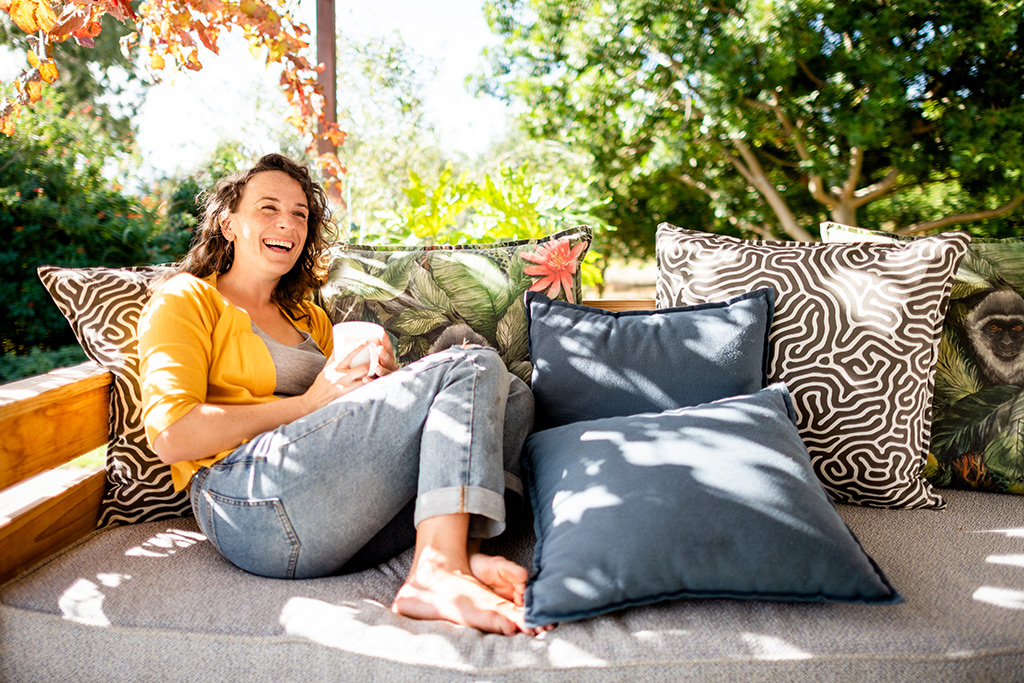
Spending time in nature is unquestionably linked with better mental and physical health. In fact, the National Park Service reports that visiting a park for just thirty minutes can positively impact your heart health, circulation, and blood pressure. But you don’t have to load up your car and a backpack to enjoy these nature benefits. If you have a backyard or balcony, you’re footsteps away from fresh air.
Just take some indoor comforts outdoors so you feel more motivated to soak up its enriching vibes. For example. If you have a backyard, decorate it with some outdoor-safe furniture, an end table for setting down a drink or book, and an umbrella for shade. Select items in soothing, cool colors like white and blue for a relaxing ambience or vibrant, tropical ones like light green and sunny yellow for a hosting-ready space.
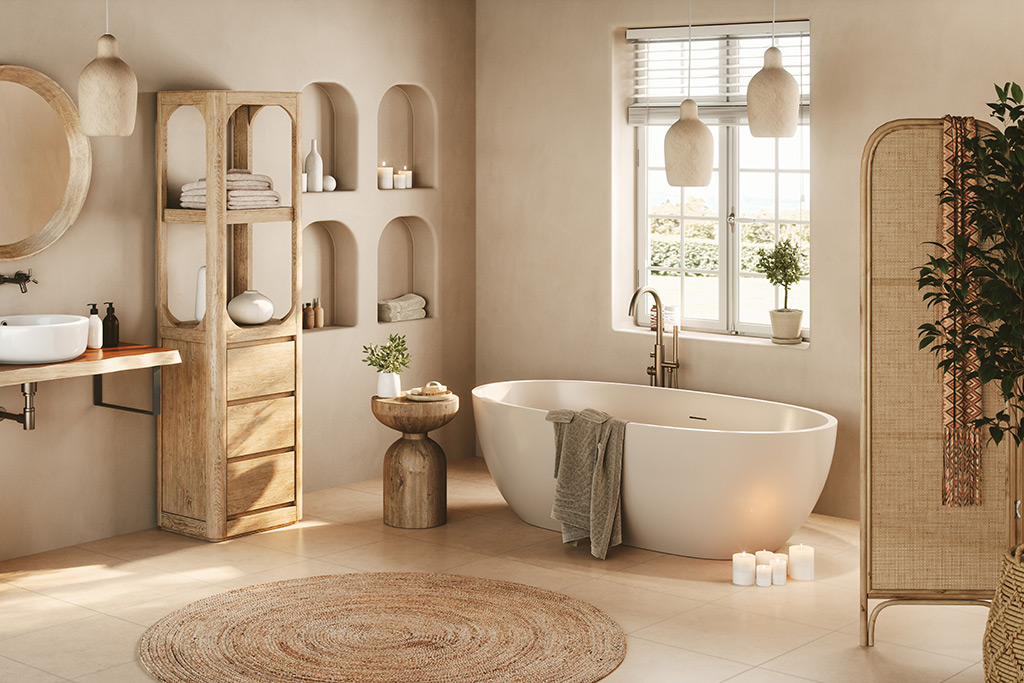
You don’t have to check in to a hotel to get some R and R. In a few steps, you can bring that indulgent atmosphere into your own bathroom. Start by swapping your showerhead for a rainfall model, and make any updates that would make the space feel more luxurious, like reapplying tile grout or replacing lime-laden fixtures. And keeping the room clean and sanitized weekly will make it feel more comforting and preserve its materials’ longevity.
Next, stock up on spa supplies, including a wooden bath caddy and waffle-weave bath sheets for wrapping yourself in a warm hug. Then dispense your soaps, shampoos, bath soaks, and other products into matching glass containers for satisfyingly neat style. Add aromatherapy via scent diffusers and calming music via a waterproof portable speaker, and your hygiene routine will feel like visiting a high-end resort (likely for less money too).

As helpful as electronics can be for everything from work to recreation, you should carve screenless time into your routine. Unplugging can reset your mind throughout the day and improve your rest at night while also helping you detach from common sources of stress, like your work inbox or the news.
Although your bed is an obvious candidate for going tech-free, you’ll need additional spots as well. According to sleepfoundation.org, extended use of blue-light devices doesn’t just affect your rest right before bed; prolonged sessions, especially in the evening, can actually interrupt your sleep. So think of at least one other area of your home you can make screenless, such as your family dining table.
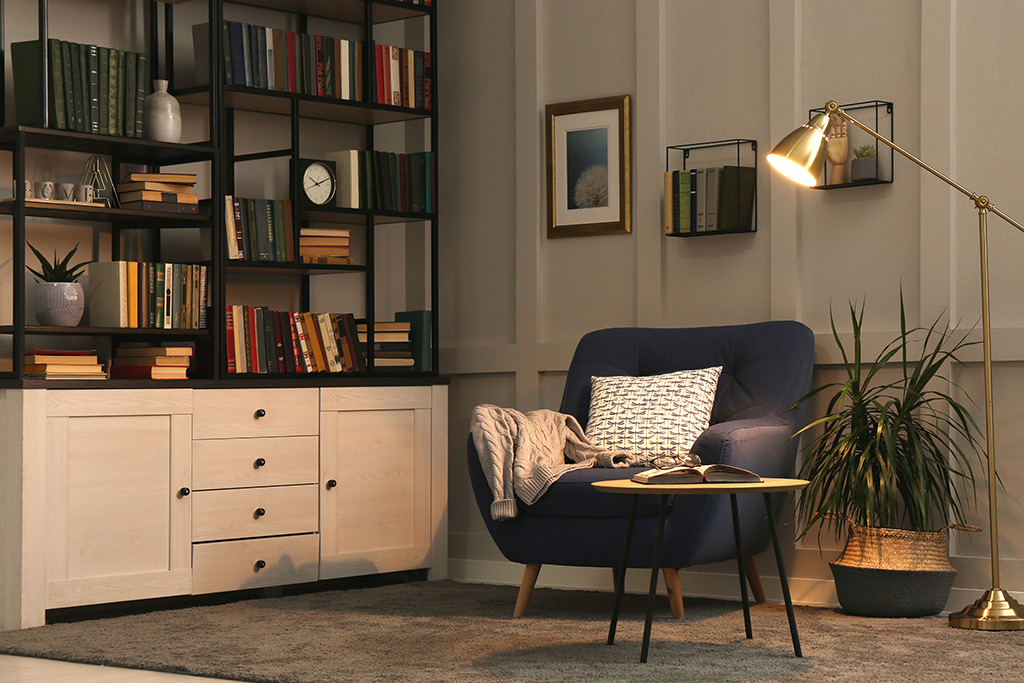
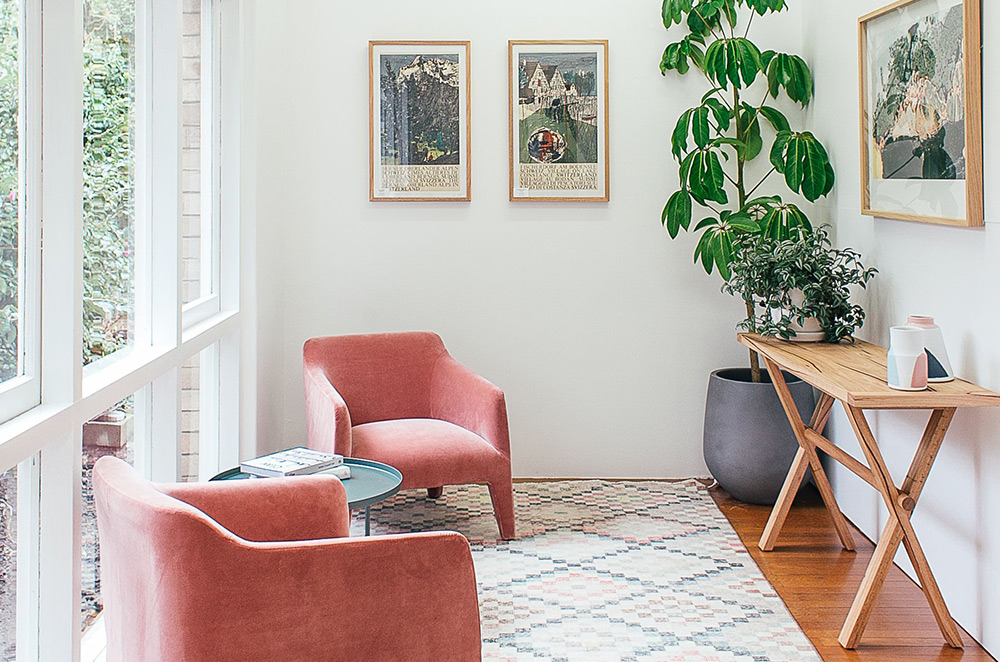
Here’s an excellent idea for a tech-free zone. To keep your mind sharp and revisit a timeless hobby, craft a space dedicated to the written word. This can resemble anything from a minimalist spa to a traditional library, but you’ll need these fundamentals: convenient access to your collection, a spot to set down a cozy drink like coffee or tea, and a comfortable seat with plush accoutrements that make you feel cozy. Drop in a few houseplants too; they create a naturally soothing ambience and may improve your mood.
If you aren’t the most avid novel reader, this relaxation zone can still be useful! Dedicate it to an enriching hobby like knitting, sketching, or doing crossword puzzles instead.

Children of the ’80s and ’90s likely remember the whimsical trend of dressing their bedroom ceiling with a sea of glow-in-the-dark stars. And though those days may be long past, you can still recapture that magic in a more decidedly adult fashion.
Try adding imaginative touches to your home relaxation zone, such as colorful tapestries draped across the ceiling or neon LED wall panels in geometric patterns. If you have children, you also have every excuse to cuddle up with them in a play tent—a more permanent, better-structured version of the classic blanket fort—in a bedroom or play area. Finding ways to indulge your sense of wonder is an excellent way to bond with loved ones and de-stress from adult worries, allowing these feelings to slip away. It can even help with cognitive health as the years pass.
Here are some soothing decor secrets that top design experts recommend:
New York City may be known for its pizza, bagels, and cheesecake, but get ready to be impressed by its salads as well. This pair of recipes from the Eat NYC cookbook proves that getting your veggies can be just as soul-stirring as it is whole-body nutritious.
This side dish, named after the famed New York City hotel, features lettuce, walnuts, and fruit all bound in a tangy dressing.
Learn how topping a simple wedge of lettuce with bacon, juicy tomatoes, and zesty white wine vinegar creates a concoction you’ll adore.

Recipes from Eat NYC: The Iconic Recipes That Feed the City by Yasmin Newman. Smith Street Books, 2024. Photography by Alan Benson. Food styling by Lucy Tweed.
recipe by yasmin newman
photography by alan benson
food styling by lucy tweed
The first Waldorf salad was served on March 14, 1893, at the hotel Waldorf Astoria’s debut event. The elegant combination of four ingredients—apple and celery tossed in good-quality mayonnaise over a bed of lettuce—was designed for New York’s elite, but through the 20th century became an American staple known the world over. The dish is credited to maître d’hôtel Oscar Tschirky, who wasn’t a chef, but was nevertheless a celebrity in his own right during his tenure at the Waldorf, and later published the recipe in a cookbook. Not long after, walnuts became an accepted topping; today, additions span from chicken and grapes to candied nuts.
While the chilled salad is no longer a common sight in New York, its culinary influence lives on.

SERVES 2 OR 4 AS A SIDE

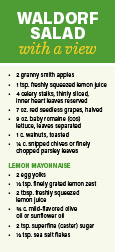

recipe by yasmin newman
photography by alan benson
food styling by lucy tweed
The wedge salad—dressed quarter-moons of crisp iceberg lettuce—is indispensable steakhouse fare. Since at least the middle of the last century, its attractive form and fresh tart flavors have been the perfect companion to a rich prime rib off the grill, or a main in its own right for a power lunch at a light-filled village restaurant.
This wedge is classic in form, with both a vinaigrette and blue cheese dressing, finished with crisp bacon pieces and juicy cherry tomatoes.

SERVES 4

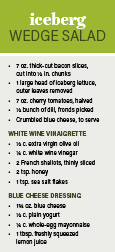
Another flip of the calendar means fresh opportunities are on the horizon. And a great way to equip yourself for another twelve-month journey is to make some financial preparations.
It’s time to take a simple, organized, and stress-free approach to this fundamental aspect of household management. So roll up your sleeves and get ready to dig through your documents. Taking these steps now can help you keep better tabs on your finances through 2027 and beyond.

At its core, this should help you manage how money comes in and where it goes out. If maintaining yours feels like a headache, here’s how to get back to basics:

Now it’s time to clarify how your resources are split among cash, investments, and more. Simplifying this information can help you monitor all your money.
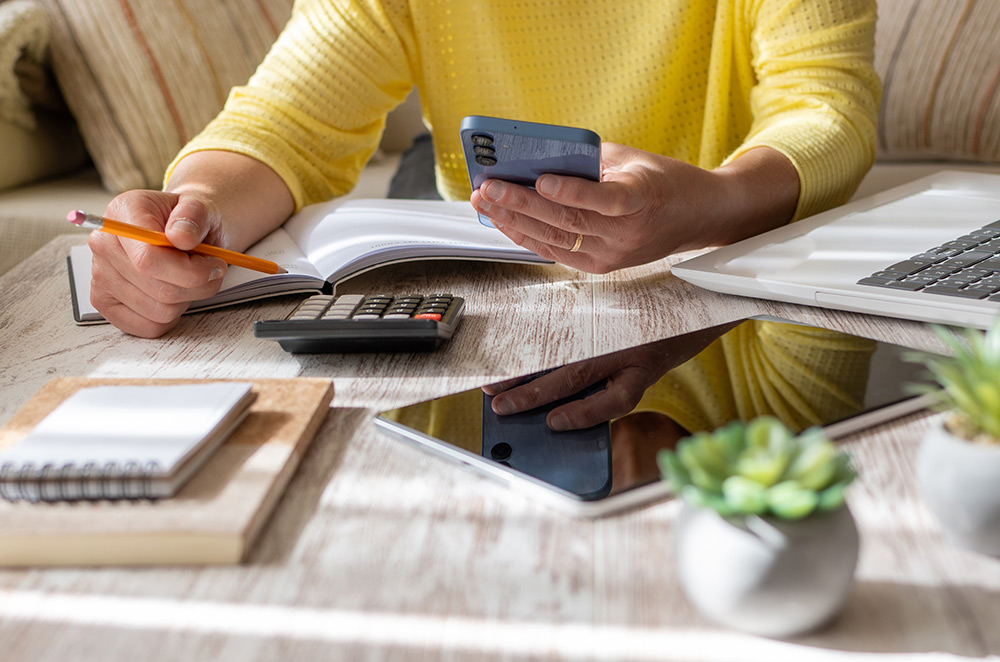
Compile your financial paperwork from various sources, including your bank and any investment brokers. If you suspect you may have forgotten some, run a search in your email inbox for “statement” to track down any overlooked accounts. List each asset type in a spreadsheet or checklist for future reference, and write down how much you are spending versus earning per year on each of them.
As you take a bird’s-eye view of all these assets, consider what else you may want to change this year. For example, ask your financial advisor whether you should reallocate your investments. Then consider adjusting your budget further with these new details. If you have extra cash, think about investing more in your retirement funds to take full advantage of their potential tax benefits.

While the aforementioned efforts should help you make more sense of your money, you can take additional steps to help stop clutter from building up once more. For example, consider setting up your email accounts to keep tabs on all types of fiscal statements from all sources, even creating a labeling system for organizing investment paperwork, bank forms, bills, etc. Sort every printed financial statement neatly in a binder or folder in your home office.
If you don’t already work with a financial professional, doing so may mean gaining a clearer picture of your assets, devising solutions to issues like tackling debt, and crafting long-term plans. Taking this step could help you declutter your money management and proceed with even greater confidence.