Your house is clean—the counters are clear, the pillows straight, and the floor finally vacuumed—yet your mind won’t stop. It scans for the next loose thread, perhaps turning to work: recalling emails, mentally preparing for tomorrow’s meetings, or remembering the text you forgot to answer hours ago. Stress and unresolved concerns can even carry into your sleep, contributing to restless nights or worry-themed dreams.
Welcome to the world of the classic overthinker, where your brain runs on a loop, often burning energy without producing anything valuable. It can interfere with your focus, working memory, patience, and more. But it can also be conquered.

The tendency to dwell isn’t a new phenomenon, of course. The problem is that twenty-first-century living makes that strain so much easier to sustain. For many, the nine-to-five norm of clocking out at the same time every day is gone. And when you get home from work, phones may be lighting up left and right, even during dinner. Frequent notifications, especially work-related ones, can elicit stress responses and keep your mind in a state of alert.
Granted, some of the noise that overthinkers experience is purely internal. Perfectionism has a nasty way of stretching small decisions into drawn-out internal debates, sometimes repeatedly. For instance, you might rehearse conversations that very well may never happen or delay choices because the pros and cons seem so even, no matter how much you ruminate over them.
Other potential triggers are physical, though. You may be tripped up by something as seemingly innocuous as unopened mail sitting on the counter, a disheveled desk, or a half-finished project collecting dust in your garage. Research suggests that unfinished tasks create a nagging pull to go back and finish them, a dynamic psychologists call the Ovsiankina effect. When everything is half-finished, your home and job can feel like a list that never ends.

You cannot control every thought, but you can reduce the cues that keep causing them. If you work from home, restrict your tasks to a defined location, even if it is only one end of a table. When you step away from that space, try to be firm that the work is over. Clear boundaries improve psychological detachment from work, which is linked to lower stress and better recovery.
You should consider lowering the visual noise as well to prevent your eyes from scanning a field of (over)thinking fodder. Open that pile of mail, and get rid of junk. Clear that desk of yours, relegating loose items to drawers or baskets. Similarly, consider designating one device-free place (a guest room, perhaps) and/or time (such as dinner), and cherish the experiences there.

Oftentimes, establishing positive behaviors can be life-changing, as evidenced by the wild success of the book The 7 Habits of Highly Effective People. You can take inspiration from the first habit, “Be Proactive,” by proactively managing your invasive thoughts. Set a brief window to worry, such as a ten-minute period in the late afternoon. Write down what is bothering you, and identify a next step, if one exists. When a nagging thought resurfaces—and it will—tell it, “Not now.”
Journaling can also help ease overthinking. Before bed, empty your head onto paper, listing tasks and unresolved details so your mind does not rehearse them overnight. And be sure to keep one trusted system for documenting these thoughts rather than scattering them across apps and sticky notes.

Occasional overthinking is common and can create a sense of mental gridlock or emotional unraveling, but by taking certain steps, you can regain control of your thoughts instead of letting them control you.
That said, if your worry is constant, intrusive to your everyday life, or physically distressing, seek professional support. After all, rearranging a room can help, but it cannot treat clinical anxiety.
The unique landscapes of the United States do more than provide a backdrop for travel. They can also shape the way people rest, recover, and relieve stress. From the silent, sunbaked expanses of the Southwest to history-tinged, seasonal adventures in the Northeast, nature dictates the pace of restoration.
Whether you find peace in the stillness of a desert or clarity in the salt air of a coastal forest, the landscape serves as the primary architect of the experience. Take a look at how wellness varies alongside our nation’s geography, with properties offering you calm, natural immersion with a distinct local personality.

Out west, wellness takes on a different definition. Coastal and forested retreats look to lush nature and rich soil to inspire a sense of indulgent self-care. Along the California coast, retreats bathe you in ultimate luxury. From the trees and rock formations to the rushing waves, nature is present virtually everywhere, granting visitors a sense of ease and treating them to wonderful local cuisine.
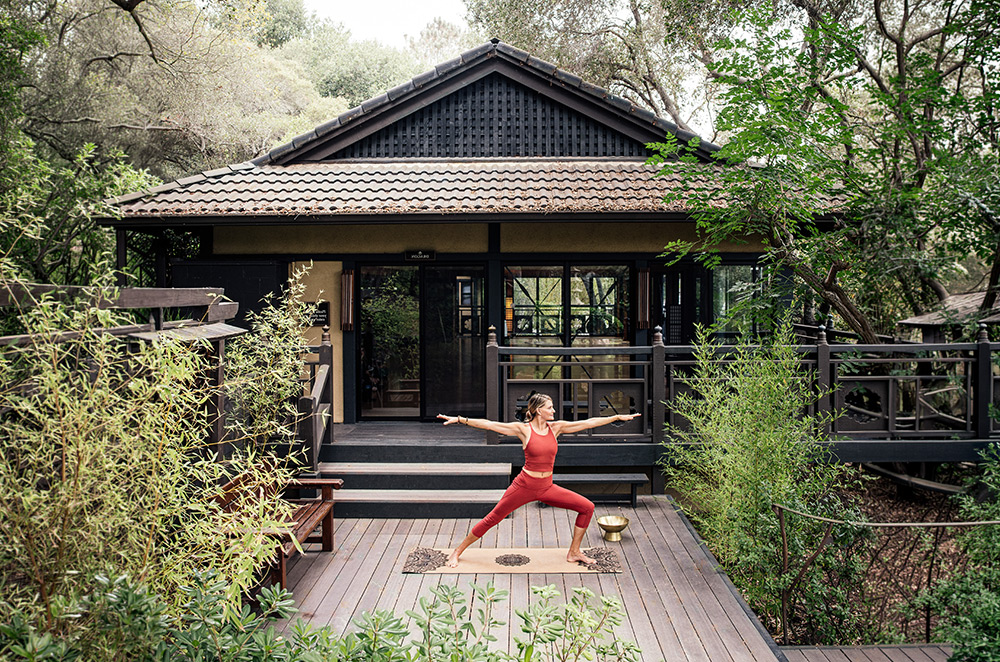
Golden Door
At this Southern California oasis, wellness is woven into six hundred acres of private gardens, trails, and minimalist architecture with Japanese influences. Daytime balances guided classes, spa treatments with beauty enhancements, and time for wandering outdoors, creating space for both structure and solitude. Meanwhile, nights are spent enjoying nutritious meals then resting in luxuriously appointed accommodations.
The Ranch Malibu
Follow the coast north to find an alternate site with a more immersive approach to wellness, pairing ocean-adjacent landscapes with a highly structured healing program. Visitors should be prepared for long hikes, mindful movement, and primarily plant-based meals designed to work in tandem, using the surrounding mountains and coastal air to support an expert-based approach to physical reset and mental clarity.

In this warm and vibrant region, retreats build their desert sanctuaries for absolute stillness: a sense of quiet from visual noise and seclusion from urban stress. These regional accommodations rely on this calm ambience to encourage you to turn inward.
Castle Hot Springs
This Arizona oasis looks to some of nature’s oldest tools for healing. Geothermal mineral waters bubble up from the earth, anchoring experiences that revolve around soaking, gentle-movement classes, and outdoor meditation. The surrounding desert and mountains keep distractions at bay, making it easier to settle into a slower rhythm and enjoy immersive activities on the property.
Amangiri
Farther north, near the Arizona border, a contemporary destination rises from the Utah desert as if carved directly from the landscape. Here, wellness unfolds against dramatic rock formations and expansive skies. Sunrise yoga and personalized spa treatments draw on the grounding qualities of the land, while the silence itself can feel restorative. Just as the desert sets a calm pace, you may feel unhurried and unhindered by the stresses of daily life.

Up in the elevated reaches of the continental United States, wellness is not necessarily about pure stillness. Rather, it asks something of you. Higher elevations can change how you breathe and move, and retreats here often lean into that awareness, making efforts like rigorous hikes part of the healing process while following it up with intentional recovery.
Devil’s Thumb Ranch Resort & Spa
Don’t let the sinister name fool you. Located just forty minutes away from Rocky Mountain National Park in Colorado, this escape challenges you to find relief in exertion, enjoying alpine activities like horseback riding, zip-lining, and cross-country skiing seasonally. Once you’ve broken a sweat, cleanse and unwind in a spa featuring mineral therapy, a remedy soak, and more.
Sage Lodge
A self-proclaimed key to adventure, this Montana resort combines daytime experiences like tours of nearby Yellowstone with calming, restorative experiences, including infrared treatments and red-light masks. And while the geography here is rugged, many of the property’s experiences look to the surroundings to inspire calm, including naturalist tours for learning about the landscape and stargazing under a tremendous sky.

In this region, wellness is often characterized by old-fashioned hospitality. Retreats tend to feel nurturing, shaped by slower rhythms, a relaxed pace in the hot sun, and a preference for getting to know other guests.
Lake Austin Spa Resort
Located in Texas’s famously floral and warm Hill Country, this retreat encourages you to reset by the water and strike up conversation with companions. Complement this time with group yoga sessions, sound baths, and spa treatments coupled with nourishing meals rooted in regional agriculture. The experience feels restorative while allowing you to explore the grounds, centering your overall stay in comfort and care.
Carillon Miami Wellness Resort
For a different energy, check into a tropical retreat that blends comprehensive wellness programming with ocean views and a vibrant coastal setting. Hydrotherapy circuits, private training classes, and curated whole-body treatments coexist with sunlight and sea air for a sense of community that feels distinctly Southern in spirit.

Wellness in this region carries an especially thoughtful definition. Historic estates and forested preserves create venues that encourage pause, perspective, and nostalgic pondering. Leaning into the Northeast’s sense of history, properties turn to ageless practices to provide relief to their guests.
Troutbeck
Based in New York’s Hudson Valley, wellness programs here unfold on a storied property surrounded by rolling land. Troutbeck’s popular yoga, meditation, and somatic practices feel naturally aligned with the area’s sense of history and tradition, granting you a chance to reset from your routine and temporarily immerse yourself in a new way of living.
YO1 Longevity & Health Resorts
Try a more relaxed yet clinical approach to your well-being high up among the Catskill Mountains. YO1 turns to long-relied-upon approaches for relief, featuring personalized wellness programs aimed at supporting relaxation and sleep—all set against a panorama of mountains and winding trails.
Wellness travel in the United States is defined by variety. Desert stillness, coastal ease, mountain resilience, ageless forests, and Southern warmth each invite you to craft your own personal path to renewal. Among these travel options, the best may be the one based on what you need now, whether that’s a restorative spa treatment or an active wilderness retreat. Luckily, each of these destinations grants you the opportunity to tailor your visit to what you seek, while the natural setting tailors you to its own refreshing rhythm.
It is common nutrition advice that we should eat our colors, forgoing all-beige or all-white meals in favor of ones that feature vibrant produce aplenty. These two entrée recipes make it easy to embrace such a plan. Packed with as much flavor as eye-popping color, they will be a hit with your whole family.
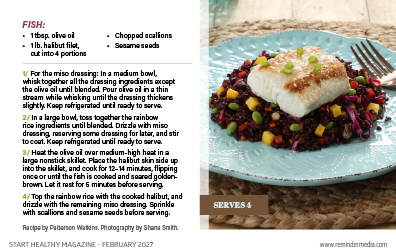
Colorful and rich, this fish dish is packed with nutrients and bursting with nutrition.
Recipe by Patterson Watkins. Photography by Shana Smith.
Craft these delicate yet filling traditional South American handhelds in your own kitchen.

Recipe from Eat NYC: The Iconic Recipes That Feed the City by Yasmin Newman. Smith Street Books, 2024. Photography by Alan Benson. Food styling by Lucy Tweed.
For this gluten-free dish, black rice is tossed with mangoes, bell peppers, carrots, red cabbage, radishes, and edamame and dressed in a delicious miso dressing before being topped with seared halibut. It’s as colorful as it is satisfying!

Serves 4
Tip: Make the miso dressing and rainbow rice ahead of time for easy meal prep. The rice is lovely served cold or hot.


recipe by yasmin newman
photography by alan benson
food styling by lucy tweed
Arepas, the traditional cornmeal cake of Venezuela and Colombia, arrived in New York City with migrants from both countries, finding homes in local communities in Astoria and Jackson Heights in Queens. The savory baked or fried rounds are comfort food from breakfast to night, eaten plain or as a side, or split and stuffed with a cacophony of fillings—from juicy shredded beef to fried plantains and black beans. In a city of sandwiches, arepas were a natural addition to the canon of cheap and satisfying hand-held options.
This timeless combination of shredded chicken, mayo, and avocado, known as “reina pepiada”, is pretty much creamy chicken salad swirled with guacamole. For a vegetarian version, simply omit the shredded chicken and top the guacamole with grated queso blanco.

Makes 4


Almost nothing is as heartwarming as enjoying a great meal, especially when you share it with the people you love. But as emotionally and mentally satisfying as food can be, sometimes our comforting favorites aren’t the best for our long-term wellness. Some—even ones that seem to be healthy—could also carry nearly immediate consequences.
Food-based ambiguities may be unsettling, but don’t fret as you pick up your fork for your next meal. First, check out these answers to common nutrition questions.

That depends largely on the type you’re eating. For example, mozzarella typically contains around 85 calories, 6 grams of protein, and 11 percent of your daily value of calcium per one-ounce serving while being relatively low in sodium. Add to that probiotics that aid digestion, alongside tryptophan (which is associated with serotonin production), and it’s safe to say this cheese has many beneficial traits.
That is, if your digestive system can handle it. Cheese, like all dairy, can cause trouble for individuals living with a condition like IBS and, in some instances, those with lactose intolerance. It may also trigger nondigestive reactions for many. For example, some research associates it with worsened acne, an effect attributed to the hormones found in most dairy foods.
But even dairy-tolerant individuals should mind their cheese servings. Some varieties may contain especially high levels of saturated fat and sodium—with hard selections like cheddar being among the worst offenders. Even mozzarella may take up to 20 percent of your daily saturated fat per serving.
And don’t let its relatively nutritious perks persuade you to overindulge. Always read the nutrition facts on dairy products before you buy, opt for lower-fat varieties whenever possible, and consume them in moderation by following the recommended serving sizes on each product’s nutrition facts label. If you’re looking to enjoy a protein-rich, low-calorie meal with less trepidation, you’d be far better off basing one on lean meat like fresh turkey.

Like dairy, “meat” is a broad category of foods that loops in highly beneficial and unquestionably poor options alike. On the positive end, you have good ones like white-meat poultry alongside omega-3-rich salmon and sardines. Even red meat, which has often wavered between good and bad from a scientific perspective, is loaded with nutrients like protein and iron.
However, it is generally higher in saturated fat, so limit your portion sizes and stick to trimmer cuts like 90 percent lean ground beef. After all, too much red meat has been linked to an increased risk of heart disease, inflammation, and a greater danger of developing colorectal cancer. This is especially true of ultra-processed meats like hot dogs. These foods carry a staggering list of consequences with few benefits, generally making them a type to limit or avoid altogether.
For the benefits of meat with fewer drawbacks, prioritize eating healthier, unprocessed ones, cooking them at home when possible to limit sodium and fat. And, of course, those who object to eating meat or wish to reduce their intake can easily find alternative sources of its best nutrients, including protein from nuts alongside calcium and iron from tofu.

The answer is all of them! The best kind of diet is one that features a mix of fresh produce. As with cheeses, though, some happen to be higher in nutrients while being lower in calories. You could give top marks to spinach, which is packed with vitamins A and B9, as well as magnesium, fiber, and more, making this leaf a boon for whole-body wellness.
There is some controversy surrounding certain plant foods, though, including many starchy ones like potatoes and corn, which have a higher glycemic index, meaning they can raise your blood sugar. However, these options are also high in nutrients like fiber. In reality, the cooking method is just as impactful as the vegetable itself. No one would expect french fries or corn tortillas to be health foods, but roasting each of these veggies whole with a touch of light oil and seasoning makes for a beneficial and filling side dish.
And remember that restaurants often use egregious amounts of salt, butter, and other offenders to make their veggie dishes taste better. So if you really want to eat healthy, cook more vegetables at home!

In general, dietary experts encourage us to:
While this advice is a good start, you may want to seek more specific guidance from your doctor and perhaps a dietitian. Together, they can help you create a nutrition plan based on your exact caloric needs, weight goals, digestive wellness, food preferences and sensitivities, and much more, making these worthwhile steps toward crafting a healthy lifestyle for you and your family.