Giving gifts undoubtedly plays a major role in the holiday season. For many people, shopping starts months in advance; unfortunately, costs can quickly add up, along with excess packaging and other waste.
But you don’t need to spend big—or shop at all—to show someone you care since there are many meaningful alternatives to traditional gift-giving. Consider these five inspired options that focus on experiences, shared memories, and meaningful gestures rather than material items. Taking such a thoughtful, fiscally sensible approach can strengthen your relationships and fulfill wishes without busting your budget.

Events often create longer-lasting memories than physical items, offering something more personal and enduring. For your family, consider planning a scavenger hunt or escape room experience, purchasing an annual national parks pass, or enrolling everyone in a painting class. If you’re buying for a partner, a private dinner, tickets to a local performance or show, or a class tied to their interests will give an added gift: showing how much you know them.
Helping others can also be a gift to yourself. According to studies, volunteering can not only reduce stress, blood pressure, and depression but also build social connections and even increase life expectancy. This year, instead of (or in addition to) a gift exchange, why not spend time with your loved ones volunteering for a cause that matters to everybody involved? Check out a website like idealist.org, which makes it easy to find opportunities in your area.

It’s been said that there’s no better time than the present, but when it comes to presents, looking ahead can be particularly meaningful. Gifts that support a loved one’s long-term success can have a lasting impact, providing both funding and hope. Consider setting up a savings account or buying a savings bond, particularly for children or young adults learning financial responsibility. For a student, you could help with tuition, books, or other school supplies.
Wellness gifts can encourage positive lifestyle changes that might otherwise feel financially out of reach to some. If friends or family members have been talking about wanting to get healthier, gifting a gym membership or meal kit subscription may be appreciated. Another option: gifting them simple fitness equipment such as resistance bands or hand weights.

For many, the most precious thing you can give is your time. Surprise your loved ones this holiday season by taking this often-overlooked gift-giving route. For young parents in your life, create a One Free Babysitting coupon so they can enjoy a break. Another example: offer to help an older relative with a home project. Even simply prioritizing time together can mean more than any store-bought item. Such gestures cost little yet can make a meaningful difference.
Ultimately, thoughtful gifts don’t have to be expensive or even physical. Taking an alternative approach to presents can reduce stress, expense, and even waste (fewer boxes and less wrapping paper!) while creating deeper connections during the season of giving. Your options are virtually endless—limited only by your imagination.
Building strong neighborhood bonds is a labor of love. They’re often built slowly through shared experiences, mutual support, and countless small moments of connection. While developing them can sound like a huge abstract goal, it’s actually rooted in simple, approachable actions like lending a hand and choosing to engage with the people around you. In fact, the mere act of showing up is a positive first step. So whether you’ve lived in the same place for decades or just moved in, there are meaningful ways to get involved that can create a lasting sense of belonging for everyone.

Something as small as a conversation can be a big starting point. Saying hello to your neighbors, introducing yourself to a neighborhood newbie, or exchanging a few words with a fellow pet parent can help break down barriers. Even kind gestures like holding a door open and offering a genuine compliment contribute to a more supportive environment.
You may ask: Can I do this if I live in an apartment building or planned community? The answer is yes! These shared spaces offer natural opportunities to connect. For example, take advantage of common areas by hanging out in one for a few minutes. Building events are another place where residents mingle and conversation opportunities flourish. You could even start a casual chat at the community mailbox. Regardless of where you live, such brief interactions can have a cumulative effect by both building familiarity over time and making your community feel more welcoming.
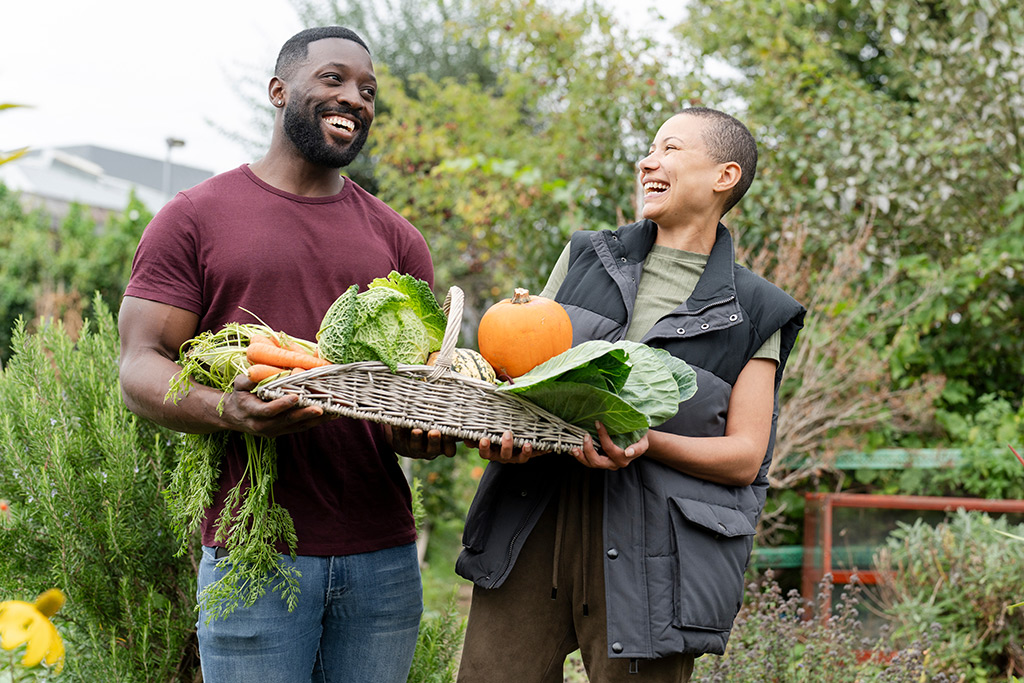
Do you thrive more in a low-pressure environment for forming connections? If so, one of the easiest ways to build community is through shared interests. Book clubs are a popular example of this; you could even start one. Fitness classes, gardening groups, crafting circles, and recreational sports leagues are just a few other examples of activities that could bring people together in your neighborhood.
Look for these opportunities at places like local community centers or parks-and-rec departments, which, as a bonus, often host free or low-cost programs for all ages. Online neighborhood platforms and social media groups can also be a gold mine for unearthing meetups and clubs in your area. Show up consistently, and you might just begin to form relationships that extend beyond the activity itself.

Shopping at local businesses and dining at neighborhood restaurants help sustain the local economy while fostering personal connections. As many people have experienced, when business owners recognize customers by name (re-creating a mom-and-pop feel), it fosters a sense of mutual investment and pride in the area.

Giving your time is one of the most impactful ways to contribute to your community while meeting others who care about similar causes. Opportunities range from food banks to animal shelters to youth-mentoring programs to environmental cleanups. And don’t fret about commitment: many organizations welcome both one-time volunteers and those looking for ongoing involvement. If traditional volunteering doesn’t fit your personality or schedule, consider offering your skills informally, such as by helping a neighbor with yard work or setting up a yard sale.

Strong communities are built on trust, and trust grows through kindness and reliability. Simple gestures, such as shoveling a neighbor’s sidewalk, checking in with them during extreme weather, or offering to share your tools, can have a big impact. These actions show care without expecting anything in return.
If you’re comfortable doing so, consider taking the next step by organizing casual gatherings yourself. They don’t need to be elaborate; the goal is simply to create space for people to connect. Over time, such shared moments can turn acquaintances into friends.
Building a strong community doesn’t require grand gestures or formal titles. It’s the result of taking small, consistent actions that create a ripple effect of connection and trust over time. Each conversation, shared activity, and act of generosity contributes to nurturing a culture of belonging for everyone.
Winter can impact our mental health with its dour skies and isolating weather that can keep us bundled up indoors. As an antidote, rely on the uplifting power of comfort food to warm up your heart and soul. Try these scintillating and easy-to-assemble recipes sampled from Everyday Chef: Simple Dishes for Family and Friends.
Warm, nutty spices plus crisp potatoes equals ultimate comfort eating—without the guilt.
This dish perfectly balances rich ingredients with nutritious produce for the ultimate entrée.

Recipes from Everyday Chef: Simple Dishes for Family and Friends by Jeremy Sewall and Erin Byers Murray. Rizzoli New York 2025. Photography by Michael Harlan Turkell.
Cumin and the other spices make this dish sing, and the smell of them toasting is amazing. You can use ground spices if you don’t have whole ones, though grinding them yourself guarantees freshness. The pesto can be made ahead and goes well with many other dishes.
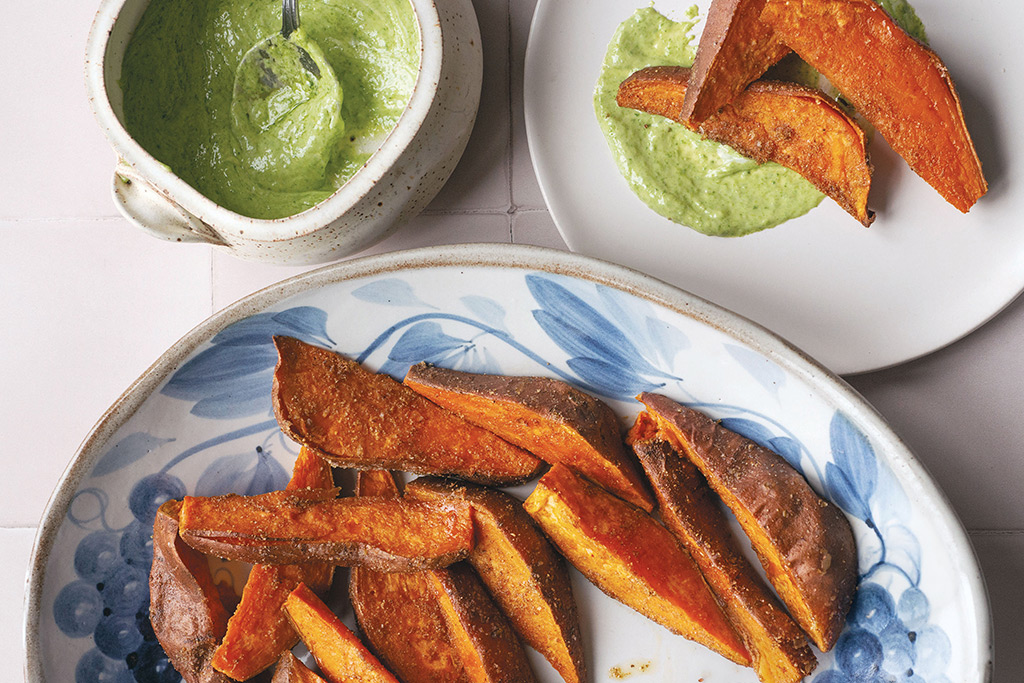
SERVES 4 AS A SIDE
Basil Pesto (Makes about 1 c.):



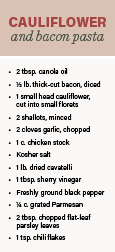
Bacon and cauliflower are a stellar combination. Add cheese and pasta and it’s a party. This straightforward dish can be prepped in advance, making it a breeze to put together. I call for cavatelli here but just about any dried pasta will work.

SERVES 4

When your body is fueled optimally, you feel your best. And when you get all the beneficial chemicals your body depends on, the difference is transformative. To function optimally from day to day, accomplishing everything from your workday to your workout, you need magnesium.
This powerful yet underutilized nutrient can help your muscles operate properly, keep your heart beating strong, sustain your long-term bone health, and so much more. In fact, more than three hundred chemical reactions inside you depend largely on it. Thankfully, it’s easier than you may think to get the amount you need.

When you consume magnesium, it settles inside the cells throughout your body, powering them up to generate many essential processes. However, a deficiency (called hypomagnesemia) can lead to numerous adverse effects. Some possible signs include muscle twitches, high blood pressure, migraines, and, surprisingly, some mental-health conditions like anxiety and insomnia. Should you fail to get a sufficient supply of magnesium, you can even increase your risk of developing osteoporosis.
But how much magnesium should you aim for? Look to meet the recommended daily amount of 310–320 milligrams for women and 400–420 for men. As Robert H. Shmerling, MD, writes in Harvard Health Publishing, this figure is not difficult at all to reach if you maintain a healthy diet. However, many Americans may not get enough of it, and those living with a condition such as diabetes can actually burn through more magnesium than other individuals, making regular consumption a necessity. Further, experiencing high levels of stress can actually cause your body to deplete it.

If you want to measure your magnesium against the aforementioned guidelines, a smart first step is to see your doctor. You can discuss your concerns with them, request a blood test, and develop a health-care plan based on your results.
If you must boost your levels, you have a few primary options to consider. You can increase your magnesium by taking over-the-counter supplements, but the best way to obtain it is through your diet. Ingesting more magnesium through natural sources improves absorption while reducing your risk of reaching excessive quantities by self-medicating.
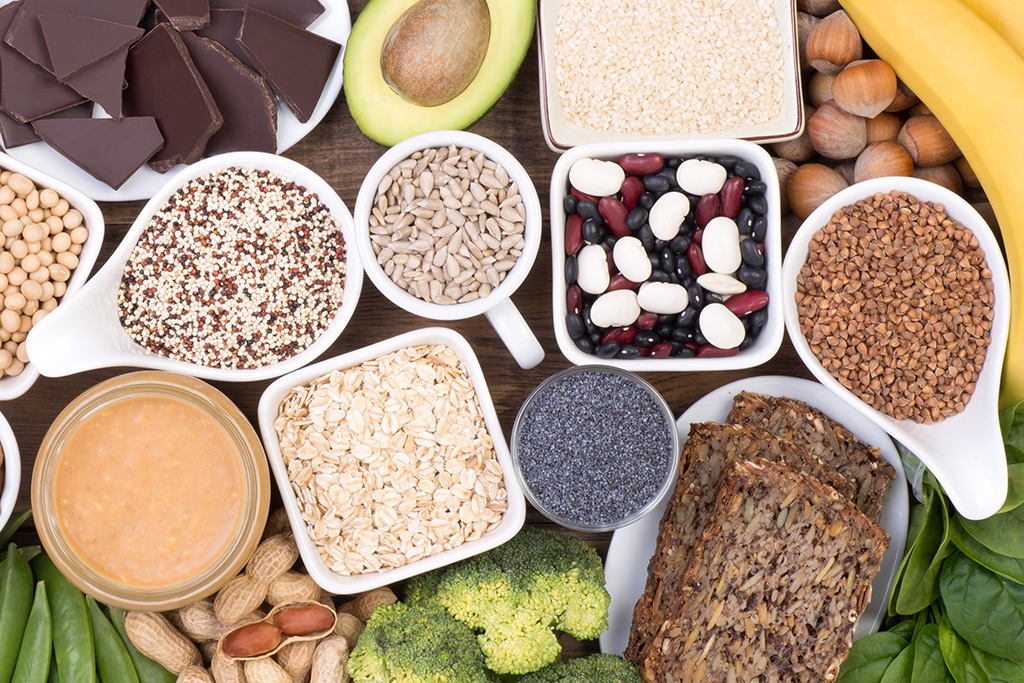
Now that you know more about magnesium, take a look at some of the best sources to fuel you with it.
Chocolate
You may be thrilled to learn that such a delicious treat can satisfy your health as well as your palate. But surprisingly, chocolate is packed with magnesium. Try to avoid overindulging to limit sugar, saturated fat, and other less-ideal ingredients, or eat cocoa nibs, an unprocessed and unsweetened version that tastes wonderful in smoothies and on toast.
Green vegetables
These paragons of nutrition are go-to sources of many vitamins and minerals, and magnesium is no exception. Spinach and Swiss chard are especially beneficial, so dress your sandwiches with some raw greens or quickly sauté the veggies to make a wholesome side for your weeknight dinners.

Nuts
Nuts are packed with magnesium, with roasted almonds being a particularly high source at 80 milligrams per ounce. Snack on a handful of nuts during your workday, or incorporate them into salads, your morning bowl of oatmeal, and more.
Seeds
Like nuts, seeds pack exceptional quantities of this helpful chemical for their size, with pumpkin and chia varieties being particularly advantageous. And because they’re so small, you can easily sprinkle them into all kinds of recipes, including soups.
Water
There are innumerable benefits to hydrating well, and another you may not know is that water from various sources (i.e., filtered, tap, or others) can actually supply you with magnesium. In fact, meeting the recommended daily water intake of 2.7 liters for women and 3.7 liters for men could fortify your intake of this nutrient. Check nutrition labels of bottled water and, if possible, choose a mineral-rich brand.

While magnesium may share the spotlight with some more well-known and readily considered ones like vitamins C and D, it is just as crucial to your overall health. Whether you are tackling lower levels of it, are at risk of reduced quantities, or simply want to improve your diet, be sure to incorporate more magnesium-rich foods and beverages into each day so you have more strength to tackle whatever your lifestyle demands of you.
*Talk to your doctor before making any dietary changes.