Drawing from his childhood experiences, landscape architect David Kamp has made a career of thoughtfully designing gardens and other green spaces to help enhance visitors’ well-being. Here he discusses his approach and offers practical tips for bringing nature’s healing elements into our own lives.

How did you first become captivated by nature?
I was what some might call a “free-range kid.” The forms and patterns I saw outside fascinated me, and I found connections everywhere, at every scale. Nature was always inviting me to look closer—to listen, smell, touch, and taste. Drawing also helped me observe these elements more clearly, allowing me to understand why things took the shapes they did.
My curiosity evolved during my time at the University of Virginia, where I realized that design is an expression of values. The campus became my classroom; I saw how evocative the built environment could be. Some spaces encouraged walking and thinking, what I call the “pace of thoughts,” while others invited me to pause and reflect. This understanding led me to appreciate how design could foster connections with something larger like nature.
How did your early career experiences further influence this perspective?
I began my career with landscape architect Peter Rolland, who was part of the team chosen to design Australia’s new Parliament House in the 1980s. This project was significant not only for its size—80 acres total—but also for its historical and cultural context. Led by architect Romaldo Giurgola, the design sought to express the character and values of Australia; for instance, the building was placed in the site’s hill rather than on it to honor the land and nature, which is integral to the country’s ethos. Through this project, I learned that design could transcend scale and speak to the individual and to the nation, allowing distinct voices to coalesce into collective expressions of shared values.

How would you describe the relationship between design, health, and the environment?
There’s a profound connection between human health and environmental health; everyday interactions with nature can go a long way toward improving overall quality of life. For example, a task like replenishing a bird feeder in a communal garden can promote focus and mindfulness while fostering social connections. Witnessing nature’s generative power reminds us that resilience is at work. I’ve seen communities worldwide draw upon that power for inspiration.
My work aims to restore this relationship. Good design can encourage respect, responsibility, and reciprocity by providing people the opportunity, regardless of ability, to connect with nature on their own terms and in their own way. One example of this is Rockefeller Center’s Channel Gardens, which uses plants and water to create a place to pause—a momentary escape from our busy lives.
Can you share an example of a project where you achieved this?
An especially impactful one was a design I did for the Terence Cardinal Cooke Health Care Center that highlighted how healing nature could be for individuals facing severe challenges, particularly those with HIV/AIDS. As I engaged with doctors, nurses, and patients, I realized that the challenge was not just the illness itself but also the psychological toll it took on everyone involved. Many felt stigmatized and isolated, working and living in an area of the facility called the Discrete Unit, which underscored their sense of vulnerability.
The project, then, became a means to address both physical and emotional needs. When I first visited the rooftop I was to work with, I was struck by its lifelessness, but I also found a sprouting avocado in a plastic pot—a symbol of hope amid despair. This inspired me to create a garden that would serve as a sanctuary for patients grappling with their health and identity. My approach followed the tradition of medieval monastery gardens, emphasizing that when knowledge cannot deliver a cure, we can look to nature for solace.
Once finished, the space offered the opportunity and choice for everyone to engage with nature however they preferred. And the gardening activities provided patients with a sense of empowerment, fostering resilience and allowing them to connect with both themselves and each other.

What practical advice do you have for those looking to bring nature into their homes?
Designing healing environments requires weaving in garden features that both stimulate the senses and encourage physical activity. You want to do so in an accessible way, though, so that individuals of all ages and abilities can engage with nature, promoting inclusivity and shared experiences. Additionally, when planning outdoor areas, make sure to honor the natural rhythms of the environment and your daily life alike. Doing so can deepen your connection to nature, ultimately enhancing your overall well-being.
For more info, visit naturedesignhealth.com
Garden pests can be a nuisance, whether they’re aphids devouring your lettuce or stink bugs ruining your tomatoes. Chemical insecticides, however, may not be the most ideal solution. Though they are effective at warding off destructive insects, they can also threaten your and your family’s well-being, causing skin irritation, eye problems, and even cancer. Further, they may harm helpful bugs as well as birds and other wildlife and contaminate groundwater, making their way into various bodies of water and sickening aquatic animals.
Instead, take a greener approach to limiting the presence and impact of pests. While eco-friendly methods can demand more time and effort than conventional pesticides, the potential rewards of a healthier and more sustainable garden make them a valuable alternative.
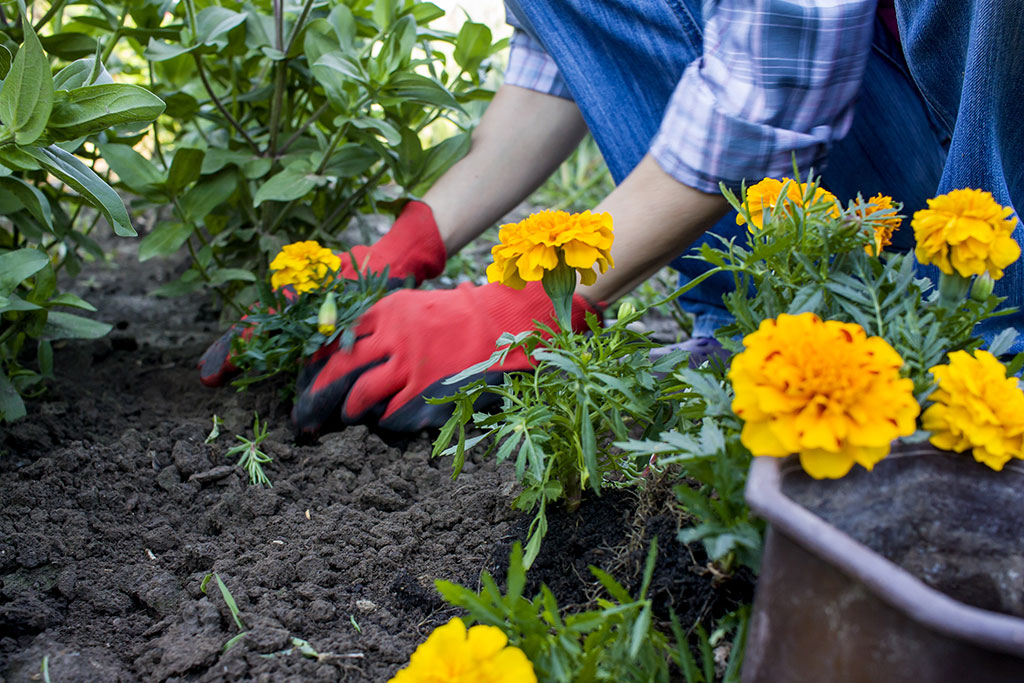
To start, there are many ways you can work to prevent destructive bugs from getting to your plants in the first place, including the following.
Know your enemy
Finding insects in your oasis is a given—if you think about it, you’re the interloper in their natural habitat. The key is to know which ones actually pose a threat. After all, some can be advantageous, like pollinators and ladybugs, which devour unwanted insects and their eggs. Scour online gardening guides like the ones from the Big Bug Hunt to help you determine which pests your plants are susceptible to, what to keep an eye out for, and how to ward them off.
For instance, aphids can suck nutrient-providing sap from all sorts of plants, including lettuce and roses. Meanwhile, grasshoppers love to feast on crops like peas and beans. In either case, an effective preventative tactic would be to remove their hiding places: pulling weeds for the former and keeping your grass lower for the latter.
Companion planting
This age-old gardening technique involves growing certain crops together to gain benefits that result in greater production, with one consideration being insect control. Hardy species like marigolds and herbs like basil and rosemary are great options since they are low-maintenance and attract helpful insects such as mantises that eat beetles and other pests. Plant them in rows among vegetables with similar care requirements or as a beautiful border around your garden, and you can rest easier knowing fewer bugs may gnaw on your bounty.

Barriers
Pests can reach your plants in a variety of ways. To thwart ones from the soil, spread diatomaceous earth (DE), a powder made from the fossilized remains of single-celled aquatic organisms, on your dirt directly after planting seeds or seedlings. This abrasive substance deters crop-consuming insects by damaging their exoskeletons as they crawl through it. Be careful to purchase food-grade DE that’s nontoxic to both humans and birds, fish, and other wildlife, and freshen this coating regularly, such as after heavy rain.
As for airborne insects, consider putting a cloche—a dome-shaped glass or plastic container—over your plants, especially young, delicate seedlings, which are very appealing to common garden pests. This solution will allow sunlight through while keeping intruders at bay. Another barrier method is lightweight insect netting; simply drape it over garden hoops for effective protection without squashing your plants.
Regardless of which option you choose, cover your seeds or seedlings immediately after planting them so pests won’t get trapped inside the enclosures. You may also want to remove the barrier during the day (when some plant-eating bugs are less active) to allow butterflies and other pollinators to visit flowering crops like zinnias and peppers.
Natural repellent
As an additional precaution, you could apply a natural insect repellent to your garden. For instance, consider a garlic spray, which you can purchase online or at your local garden center. The garlic may help deter all sorts of pests, from ants and aphids to thrips and flies. Use it sparingly, though, as it can also repel insects you actually want in your garden.

If destructive pests still make their way in despite all your efforts, you can give these nontoxic removal strategies a try.
Water
The easiest method might be to simply spray them off with your garden hose, or you could try handpicking them and dropping them into a container of hot, soapy water to kill them. Then simply throw the bugs into your trash.

Insecticidal soap spray
Spritzing on an insecticidal soap spray will suffocate pests without harming most helpful insects. But do a test first, such as on a small leaf, to ensure that it won’t hurt your plants, and wash it off within a few hours of applying it so they won’t be negatively affected.
Traps
Another way to stop bugs in their tracks is by capturing them in traps. For instance, try catching earwigs by digging a hole in your garden and placing a shallow container filled with vegetable oil and a dab of soy sauce; the soy sauce will attract them, and the oil will smother them. Likewise, you could snare small insects like flies and aphids by employing homemade sticky traps made with biodegradable yellow paper and a sticky, appealing natural substance like honey. You can also purchase sticky traps, but they might not be as eco-friendly.
Protecting your flowers and vegetation from pests using natural methods can require constant monitoring and hard work, but the rewards are well worth it. Not only will you enjoy healthier crops, but you may also help preserve the earth’s delicate ecosystem.
When you think of healthy eating, one of the first foods that may come to mind is salad—more specifically, the simple yet potentially boring combo of lettuce, tomatoes, onions, and low-fat dressing. These recipes from the Vegetarian Salad for Dinner cookbook kick it up a notch, daring you to walk on the wild side with their ingredients and flavors while still offering immense nutrition.
This mouthwatering mixed salad features grains, greens, citrus, nuts, and more, making it an unforgettable taste experience.
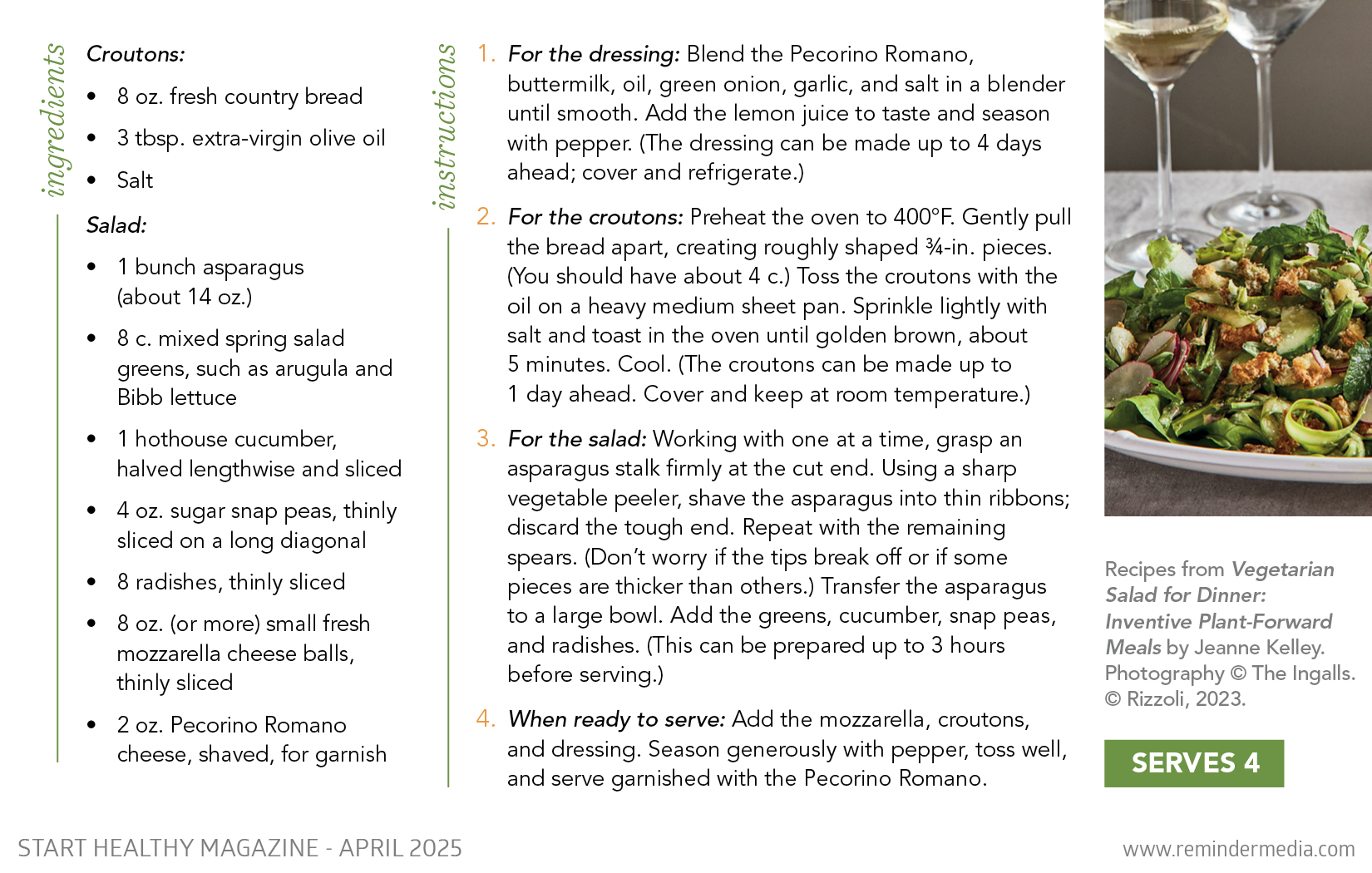
Bursting with crisp vegetables and savory cheeses, this unique take on bread salad is as fresh as it gets. Even the croutons are homemade!

Recipes from Vegetarian Salad for Dinner: Inventive Plant-Forward Meals by Jeanne Kelley. Photography © The Ingalls. © Rizzoli, 2023.
I have pretty kumquat trees on my terrace. I’ll pluck and pop one of the little orange citrus into my mouth whenever I walk by for a quick, puckering pick-me-up. Kumquats are a great addition to salad—the peel is sweet, and the pulp adds the perfect amount of tart. When I’ve eaten all the kumquats off my tree, I use tangerine sections, which are good in this salad too.

6 Servings
Tip: I use an inexpensive V-slicer to shave paper-thin slices of the fennel, carrot, and watermelon radish.



In this panzanella, I use freshly pulled croutons as opposed to my stash of frozen homemade bread cubes. Using a Nancy Silverton technique from her Breads from the La Brea Bakery cookbook, I “pull” the bread into roughly shaped pieces—pieces that get delightfully coated with creamy dressing.

4 Servings

Your golden years are rife with opportunities. After all, you now have the freedom to set sail toward all the new sights your heart desires—no need to stockpile paid time off or pack your work laptop beside your beach towel. However, with retirement often comes the challenges of advancing age, requiring you to take a little more care with your planning. Equip yourself with the following tenets of postretirement vacationing, and you can make the most of your liberties while still traveling smart.

Folks navigating busy career and school schedules tend to prefer summer and winter, but as a retiree, you can leave these overcrowded and overpriced dates to others. Opt instead to take your trips during “shoulder seasons”: periods just after peak seasons, typically in spring and autumn. “The special advantage that retired people have when it comes to travel is flexibility,” says Lynn Farrell, president of Foremost Travel Group. “Vacationing in shoulder season often means the weather is better and the crowds are gone.”
Note that congestion times may vary by location, though. For example, a beach resort may be just as busy in spring as in summer due to spring break and Easter, and some New England towns may welcome bustling crowds in fall to witness the changing foliage. Do your research before you choose a spot to ensure that you don’t wind up getting stuck among too many other tourists.

Travel insurance might seem like an unnecessary money grab—something you scroll right past when booking a flight or hotel online. But in actuality, securing such coverage may be just short of a lifesaver, helping protect your investment in all sorts of scenarios. For one, it could grant you the freedom to arrange health-based cancellations without penalty. And, just as important, it may cover emergency medical expenses like hospital or doctor visits during your trip so you won’t feel the financial burden of an unexpected health scare.
While you can purchase a policy from an agent during the planning process, you could also seek out an independent travel insurance company. Shop on websites like SquareMouth to compare multiple plans and customize your coverage, or buy directly from a reputable option such as Travel Guard or Faye. As for the cost, you can expect to pay between 4 and 10 percent of your total travel expenses, though cancel-for-any-reason coverage may hike the price by an additional 40 percent. Even still, this investment could be more than worth it for the peace of mind it will bring.

Your ideal vacation destination may look different in your golden years than in your youth depending on your current health status and how your preferences have shifted. For instance, if walkability and accessibility are a concern, you’ll want to avoid cities with older cobblestone streets, such as Rome, or steep hills and numerous stairs, such as San Francisco. Research each potential locale’s ordinances for ramps, railings, elevators, and other like infrastructure, and assess its public transportation for efficiency and ease of boarding. Places that succeed in both these areas will make it easier for you to explore the sights without putting excess strain on your body. And be sure that car travel is always an option in case you need to get off your feet.
Meanwhile, if you’re looking to treat yourself with relaxation after the hustle and bustle of your work life, you may want to choose an all-inclusive resort. Look to Travel + Leisure’s top recommended destinations for seniors, each of which offer a bevy of outdoor, health, and wellness activities. From Suncadia Resort in Cle Elum, Washington, to Lone Mountain Ranch in Big Sky, Montana, you can hit the putting green, indulge in a spa treatment, or take a low-impact exercise course such as outdoor yoga, all within steps of your hotel room. For more retiree-friendly vacation ideas, reach out to a travel agent or consult resources such as AARP’s travel hub.

As raring as you may be to get going, it’s crucial to adopt a slower approach. Primarily, this means being intentional about building an itinerary that suits your capabilities rather than jam-packing it with as many activities as possible—Farrell warns that overscheduling your trip could lead to burnout, especially for older retirees. “We recommend ‘packing your patience’ when traveling,” she says. “Vacations can be tiring as we age.”
In this vein, don’t feel the need to hit everything on your bucket list all at once. Farrell adds, “I recently worked with a couple to create a five-year travel plan,” she says. “They are very mobile now, so we are starting with Peru and Machu Picchu, then planning their future travels to accommodate less-active trips in five years.” And if you do decide to include multiple stops in one trip, pace yourself by staying at least three nights per setting; too many consecutive days of transport via plane, train, or automobile could wear on you and drain the joy out of your journey.

Whether you consider yourself a youthful and able-bodied retiree or experience some health-related challenges, feel free to see the world as your oyster, embracing rather than resisting the thrill of exotic travel. Farrell notes that one of her agency’s specialties is accommodating plans to their clients’ abilities and limitations alongside their interests. “I recently assisted a client in a wheelchair with booking an African safari with her children and grandchildren,” she says.
So shed your hesitation and design a trip around activities you’ve never had the chance to participate in, such as swimming among tropical fish or taking an international cooking class. To prepare, conduct a little research into a destination’s customs, language, accommodations, and activities via tourism books or vlogs. Or take the stress of planning out of your hands entirely by working with a travel agent, who can help you explore all the options at your fingertips as well as arrange guided tours, translators, and other support. While you may have certain hindrances as a retiree, modern travel resources are more numerous than ever, which means that your only true limit is your imagination.