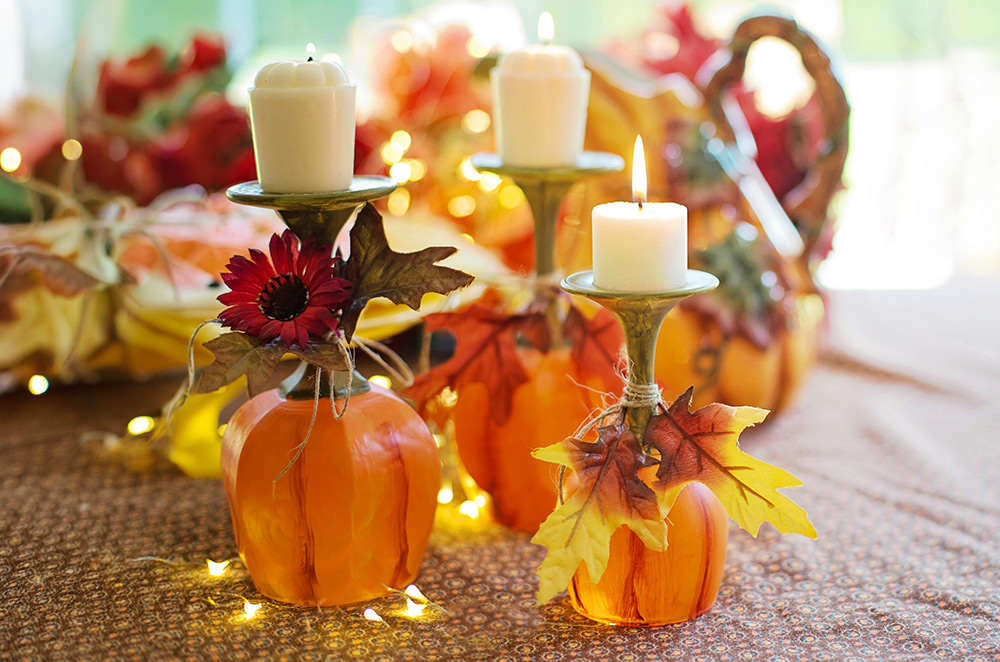
Your dining table undoubtedly shines during formal feasts, when it’s filled with tempting platters and surrounded by good company. But on an average day? It might look a little uninspired. That’s where the concept of the tablescape comes in. More than just decorations, a tablescape is an artfully arranged combination of centerpieces, tableware, and accents that sets the perfect festive mood. And the best part is that it doesn’t require expensive pieces or elaborate setups. With just a few small touches, you can create a warm, inviting holiday table that’s sure to impress.

When designing your setting, start with a table runner featuring a print, pattern, or color that speaks to you, and lay a strand of faux or fresh garland on top. It’s a simple way to add texture and dimension to your design, forming a solid foundation that you can then build upon.

You can easily throw together a stunning centerpiece by buying a pretty basket or bowl (or repurposing one you already have) and filling it with holiday-themed items such as pinecones, ornaments, and dried orange slices. For a little sparkle, you could even mix in a strand of battery-powered fairy lights. It doesn’t have to be overly complicated or ornate since it won’t be the only decorative feature adorning the table.

Speaking of lights, candles are a great way to lend warmth and ambience. Select a mix of tea lights and pillar candles in varying heights, and scatter them down your runner for an effortlessly chic look. If you’re concerned about open flames, opt for battery-operated versions that flicker in close resemblance to the real thing.

With the center of your table established, you can now move on to place settings. The traditional mode of thought is that you need matching fine china to be appropriately fancy, but a mix of different chargers, plates, bowls, and glasses in complementary colors can lend an equally charming collected-over-time look. Complete the design with coordinating cloth napkins and silverware for each person. If you don’t already have a nice set of the latter, it may be worth investing in a quality one to use for special occasions.
You can often find beautiful dishware for low prices at thrift stores and antique malls. When shopping, stick to a color scheme, like classic red and gold or elegant silver and blue, to keep everything cohesive. Also, small details can make a big impact. Try tying a piece of twine around a folded napkin and tucking in a sprig of rosemary or a cinnamon stick for a natural, rustic touch.

While it’s fun to put together a festive display, make sure not to go overboard. You’ll want to leave enough space for serving dishes and platters, especially if you’re hosting large groups this season, and keep your centerpiece low and arrangements compact at a sit-down dinner so guests can easily see and talk to each other across the table. You could also opt out of using chargers to ensure that guests have enough room to comfortably rest their arms while dining.
Remember, the best part about a tablescape is that it doesn’t have to be perfect. It’s about creating something festive and unique to your home. Take your time shopping to find pieces that make you happy, and you’re sure to craft a holiday table that brings joy day in and day out.
The holiday season is back, and for many folks, that means preparing large turkey-and-stuffing feasts. But in all that merriment (and preparation), don’t forget to plan other nutritious and delectable meals. These two recipes from A Cookbook for Winter can help make any ordinary weeknight supper or weekend dinner party feel extra special.
Fresh seasonal vegetables and an herbaceous dressing make for the perfect winter appetizer.
Serve this creative recipe featuring flaky crust, warm broth, zesty spices, and other comfort staples.

Adapted from A Cookbook for Winter: More than 95 Nurturing & Comforting Recipes for the Colder Months. Published by Ryland Peters & Small.
This is simple to make and such a satisfying dish to eat on colder days. Butternut squash contrasts nicely with the dark and earthy lentils and if you’ve got some feta lurking in the fridge, throw a few crumbs on top to serve.

Serves 8 to share, 4 as a main



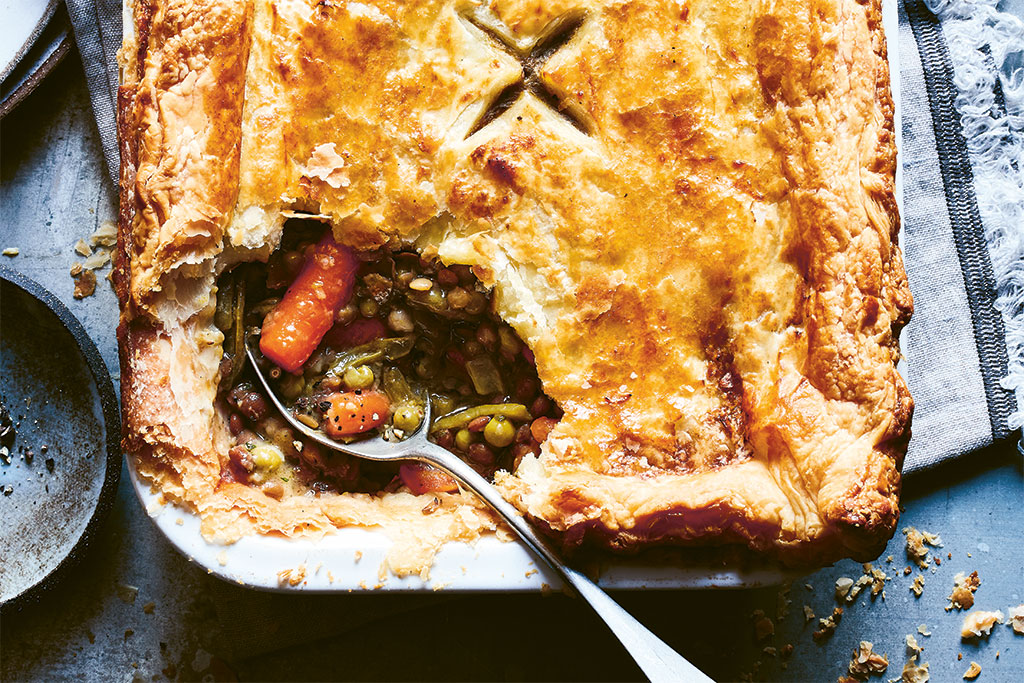
This harvest pie is packed with canned lentils and vegetables and uses potato and leek soup to bring everything together for a hearty and savory supper. If you were short on time, you can mix the filling directly in the pastry case and just top with a pastry lid, then into the oven for a quicker fix.
Serves 4


Wintertime can inundate your home with snow, ice, or frigid winds, depending on where you reside. And while your first move may be to crank up the furnace, there are other cost-effective ways to keep chilly conditions at bay. Try these simple and impactful solutions throughout your abode, and you’ll stay cozy all season long.

Check these heater accessories for cleanliness, and replace them at least every two to three months or as the manufacturer advises; if they’re clogged, your furnace will have to work harder to circulate air. For whole-home efficiency, ask an HVAC technician to recommend cleaning times for your air registers, baseboard heaters, and radiators as well.
Similarly, objects obstructing your registers, such as furniture or boxes, can interfere with your heater’s ability to distribute warm air. Especially if you’ve redecorated recently, go room to room to ensure that nothing is blocking the flow of heat through any of them.

Adding this tool equips you to generate only as much heat as you need, potentially lowering your energy bills. For instance, you can set automatic schedules based on the time of day, creating more warmth when you’re awake and reducing it while you’re asleep or out of the house. In fact, adjusting your thermostat 7–10 degrees lower than its normal temperature setting for eight hours daily can help you save up to 10 percent annually on your energy costs.
There’s a chance your water heater is overworking when you run your shower, dishwasher, or washing machine. The general recommended setting is 120 degrees, but to save money, consider turning the appliance down 5 to 10 degrees, testing it until you reach a temperature you can be satisfied with.
While using a fireplace is a simple and satisfying way to get warm, its chimney can also allow heat to escape through it. Always shut the flue when your fireplace is not in use to prevent air transfer, only opening it right before lighting the hearth again. You can purchase a fireplace plug if necessary to create a stronger seal.

Does a pesky draft seem to seep from beneath your exterior or basement door? Laying door snakes may help put a stop to this. You can find these weighted fabric tubes at many major retailers or search for a guide online to making your own. And for a more permanent solution to door and window drafts, seal any gaps around the frames using weather stripping or caulk.
Swapping thin curtains or drapes with thicker alternatives can preserve warm air inside your house and keep chilly outdoor air out; look for thermal options that are designed to provide insulation. However, you should open any treatments on bright days, especially those on south-facing windows, to invite sunlight into your rooms. Just make sure to close them at night to minimize heat loss.

Finally, don’t overlook the impact of creating a cozy lounging atmosphere. If you have rooms with cold hardwood, ceramic tile, or laminate flooring, laying rugs will add a soft cushion to help keep your feet warm. And blankets, duvets, thick clothing, and slippers are perfect for warding off the chill—especially if you join a loved one for a heartwarming cuddle session. While this can’t overcome frigid temperatures, you’d be surprised by how effective layering can be at alleviating cool winter nights and keeping your heating use in check.
If you are familiar with classic holiday movies, you probably remember that the Grinch nearly ruined Whoville’s jolly atmosphere and Ebenezer Scrooge dampened others’ joyful mood. If you are attending a holiday get-together, follow these guidelines so you can be a cheery holiday host or guest, not a Grinch or a Scrooge.

Your job as host is to plan and throw a party your guests will enjoy. These steps can help make yours a success.
Get the party started
You first need to let your guests know who is invited and other important details, such as what, where, and when. “Whether it is a text invite, a phone call, or an engraved invitation, the nature of that invite sets the tone for the event,” says Daniel Post Senning, copresident of The Emily Post Institute. The holidays can be busy, so get your invites out as early as possible before your guests’ calendars fill up.
Put out a spread
Food and drink are often the center of a holiday party, so put some thought into your menu. Depending on whether your get-together will be formal or casual, you could plan a three-course meal or simply put out a collection of finger foods. It’s up to you. Your guests might even appreciate just having a selection of decadent desserts.

Get into the spirit
’Tis the season, so you’ll want to add holiday flair to your festivities. You don’t have to be too fancy; you can keep the decor simple with sprigs of evergreen, garlands of paper snowflakes, and strings of lights. A playlist of holiday tunes will add a lively vibe.
Exchanging gifts
Presents are a holiday tradition, so let your guests know if your party will include a gift exchange. You could host a white elephant game, in which everyone anonymously brings a wrapped present and who gets what is partially left to chance. Or you could hold a Secret Santa exchange and pair up guests to give and receive gifts. These games can be enjoyable icebreakers. Partygoers will have a blast trying to figure out who brought which gifts.

Be a good host
As the host, your role is to make sure everyone enjoys the party. Talk with your guests during your event and say goodbye when they leave, Senning says. These suggestions could help increase your party’s fun factor:

As a guest, there are also things to keep in mind to help foster a better party.
RSVP and mind your manners
Make sure you reply to the invitation. “The most common mistake people make is not responding,” Senning says. “Sometimes people have difficulties saying no.” However, if you don’t accept or decline an invite, your host won’t have an accurate head count to plan the party. You should also arrive on time, actively participate, and be polite to other guests.

Thank your host
It’s thoughtful to bring a small gift for your host, such as mulling spices for holiday beverages, winter-themed drink coasters, or holiday-scented soap. Also, be sure to thank them when you leave or follow up soon after to do so.
Offer to help clean up
Parties are fun, but the cleanup afterward is not. Give your friend or family member who hosted the get-together a hand and help put things away, or offer to take out the trash and recycling after the party winds down.