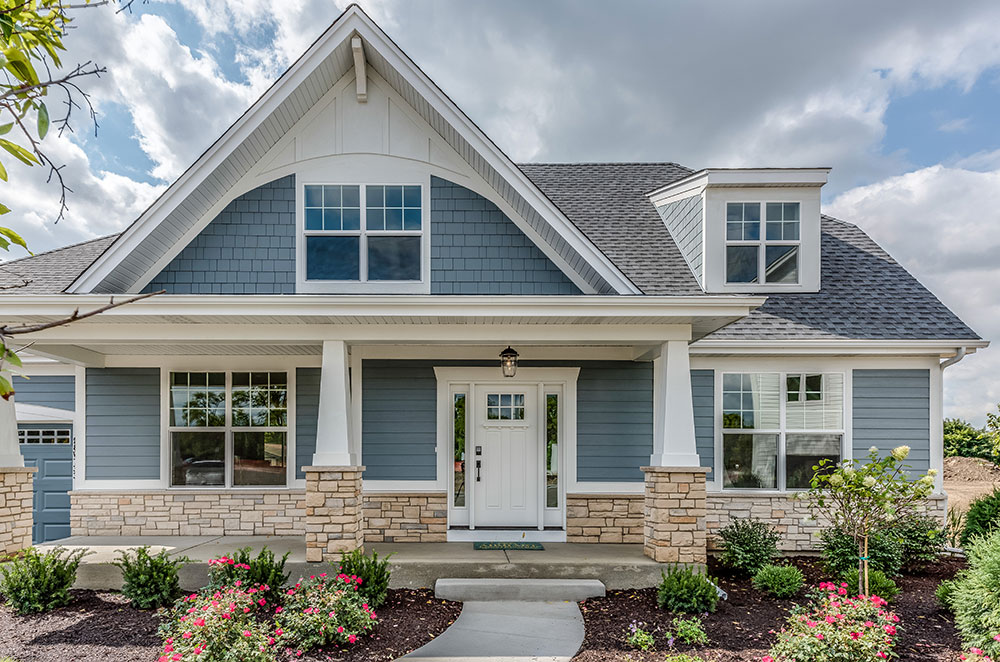
Your home is a reflection of your sense of style, a collection of furniture, artwork, and more that is carefully curated to create your ideal ambience. But trends evolve, and what once felt like a must-have fad may now appear outdated, resulting in interiors that feel stale and uninspired. If you’re ready for a fresher, more modern design, check out this guide to some of the most common decorative elements that could be aging your home, along with more stylish alternatives for breathing new life into your spaces.
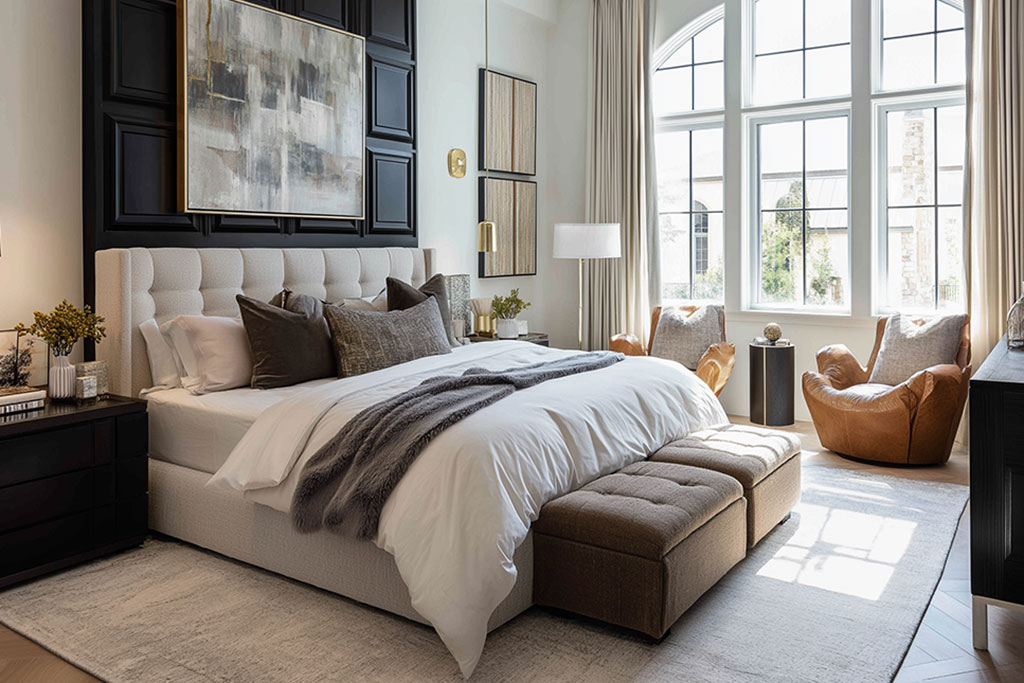
For those who prefer a clean and perfectly matched appearance for their primary bedrooms, a comprehensive furniture bundle—featuring an identical bed frame, side tables, vanities, and/or dressers—may certainly have seemed like the ideal solution in the past. But while such a set is convenient and cohesive, it can also make arguably the most personal space in your home feel like it’s right out of a furniture showroom: pretty and neat on the surface, yet ultimately dull and generic.
Instead, opt for distinct yet compatible pieces that lend a stylish look representative of your unique personality. A simple trick for achieving this is to vary the materials as you shop for new bedroom furniture. For example, you could select an upholstered bed frame, stone end tables, a wooden dresser, and a metallic vanity mirror, depending on your specific tastes. As for color, diversifying shades from very light to completely dark will create eye-catching variety. Curate your bedroom with variable selections, and you’ll imbue the space with a visually stunning range of hues and textures you won’t soon grow tired of.
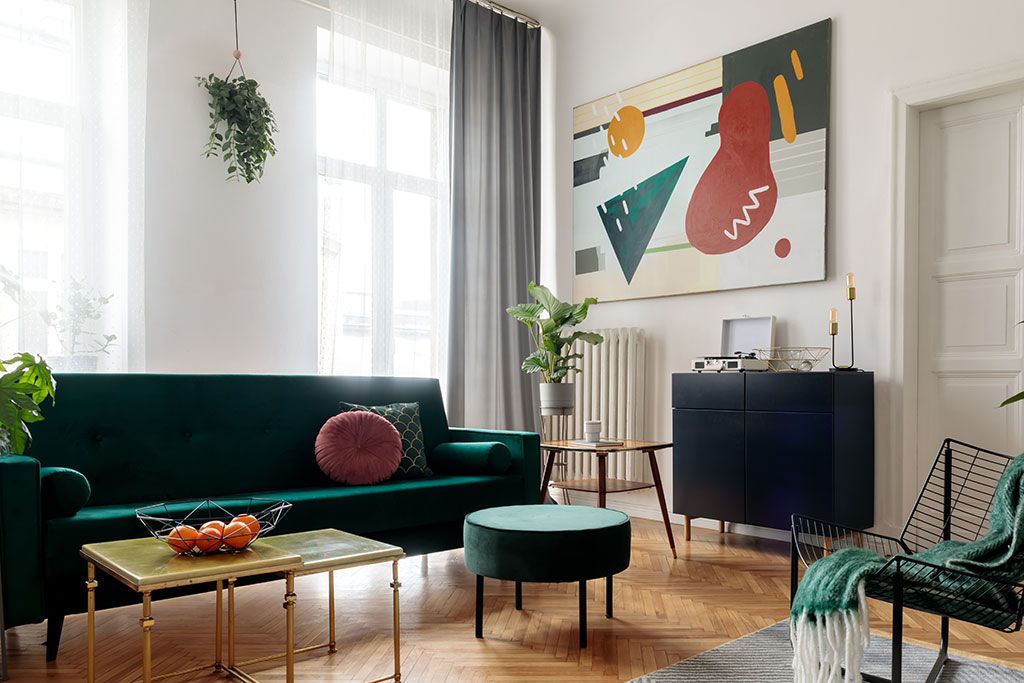
“Live, Laugh, Love” was once the battle cry of American suburbia, but this and other word-based decor may have drawn their final breath. “No one needs to be told to ‘EAT’ while they’re in a kitchen,” designer Taylor Johnson tells Apartment Therapy. It’s time to swap these canned sayings for some more unique and striking wall decor.
Take a risk by embracing creative features such as framed original pieces from local artists (or prints if you’d like to save money) or antique paintings from secondhand shops. If you aren’t sure where to start, search for art that communicates the feeling those cliché statements are meant to illustrate; for example, replace the words “Don’t Worry, Be Happy” with an uplifting and bright-colored sketch for greater impact.

It’s hard to miss highly reflective and light-catching decorations, whether they’re made of glass, glazed ceramic, or shiny plastic. Such goods were once sought-after for their supposed elegance—before they became representative of mass-produced pieces that appear cheap and bland. So while they may have had their place in the sun, it’s now the era of matte pieces, which lend a much more tasteful touch to their surroundings.
To give any room a style update, upgrade items like lamps, vases, and candleholders to ones made from materials that are naturally nonreflective, such as stone, porcelain, and terra-cotta, in muted colors to guarantee that you get that sophisticated matte finish. Of course, if you still want to retain some glossy elements in a space, this is by no means forbidden; just opt for metal pieces instead. Such decor is timeless and appears naturally shiny, making it an elegant exception.

Once synonymous with comfort due to their relaxed feel and long pile, shaggy rugs were common elements for crafting a welcoming living room or bedroom. However, they aren’t without their drawbacks. Their dangling fibers can create a tripping hazard and tend to cling to messes and never let go, potentially spawning some unfortunate odors over time.
For these reasons, you’ll want to replace any longer rugs in your home with more chic alternatives: short-pile ones that display a subtle pattern in various neutral colors and are made with low-maintenance wool or cotton fibers. Their simplified style and reduced care needs will make a tremendous difference in any room.
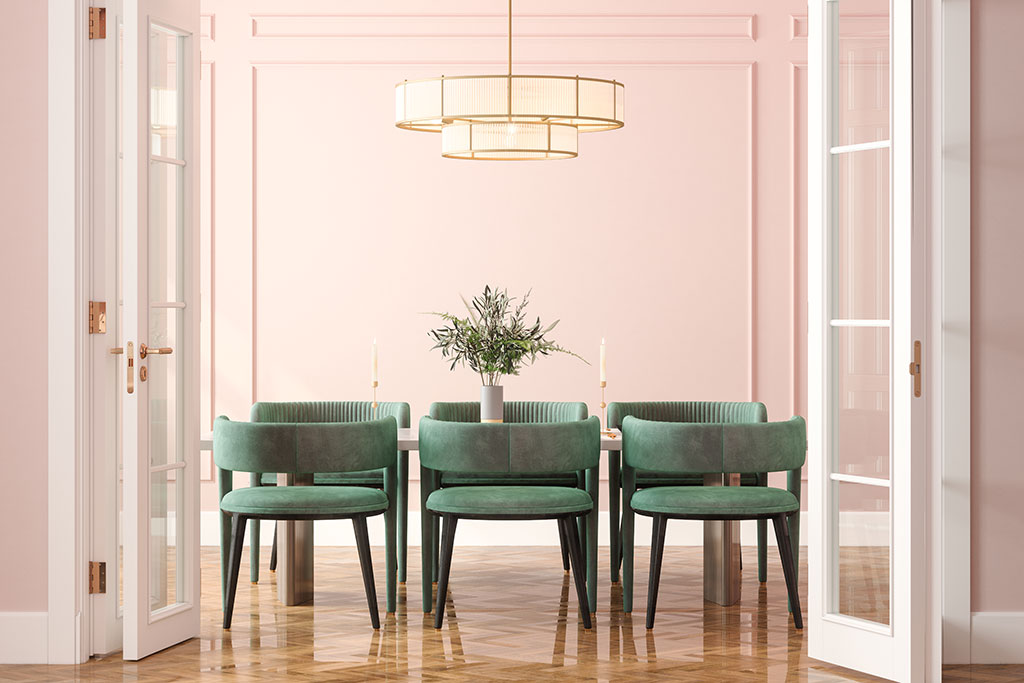
Nothing says “good eating” like a glass table and black leather chairs, right? The businesslike look of minimalist dining rooms may seem clean and forward-thinking, but it ultimately lacks the warm, welcoming vibe that such a valuable hosting space needs. (You may end up requiring that “EAT” sign after all to indicate this room is for holding meals and not meetings.)
If your dining area feels too coldly contemporary, try warming up the color scheme by swapping stark-white wall paint or furniture for more comforting neutrals with hints of green or peach. Then incorporate a few elements like a vintage sideboard, classical oil painting, or antique table centerpiece. However, avoid going too traditional. Good design is all about balance, after all, and a space that marries contemporary with classic features will welcome guests and residents alike to enjoy a shared meal and forge stronger bonds.
If you find yourself having to dig through a heap of items just to find a single sweater or pair of pants, your bedroom closet may need some reorganizing. However, embarking on a full overhaul may take hours, time that could be better spent on something more enjoyable. Instead, try these easy tactics to help you quickly tame the chaos.

One of the simplest ways to create extra room is by clearing out anything you either no longer want or won’t need in the coming weeks. Grab a bag for tossing items with holes, stains, or other damage and a box for ones suitable to donate. Then pull out offseason garments to temporarily stow them elsewhere—perhaps under the bed in a zipped fabric storage bag. Consider decluttering in small, focused sessions to help keep the task manageable.

If your closet has a rod, you have several options to enhance your hanging space. For example, you could buy a package of slim hangers to fit in more of your wardrobe; just be aware that these tend be flimsier than others, making them best for lighter items. They are, however, often covered in a nonslip material to better secure clothing and prevent a mess on your floor. You could also hang a closet organizer with tiers to provide convenient spots for folded items.
Additionally, aim to capitalize on the empty spaces on your closet walls and the back of the door. Installing a few hooks in the former will allow you to hang hats and purses out of the way along with canvas bags to hold various items like sunglasses or socks; adhesive hooks are an easy alternative if you don’t wish to drill holes. Add an over-the-door organizer as well, and you’ll have handy pockets you could use to stash all sorts of items, from slippers and sandals to belts and ties.

It can be challenging to keep high shelves tidy, especially if they’re hard for you to reach. A solution for utilizing this space more efficiently is to place containers that have see-through fronts or can be clearly labeled, allowing you to corral your belongings by type and quickly find them later. Also consider getting a step stool to give you easy access to the upper shelf; look for one that folds up compactly so you can put it in the back of your closet or underneath your bed.

Don’t forget about the square footage at the bottom of your closet! To make the most of it, move all your hanging shirts, blouses, and other shorter items to one side to make room underneath for a wheeled multidrawer unit, stackable bins, or cubbies. Such pieces will offer extra storage for clothing like sweatshirts or T-shirts.

As a final touch, consider adding an LED wireless ceiling light so you can see your clothing more easily as you sort through it all for an outfit. Another option is to stick a few rechargeable motion-sensor lights on the walls to make sure every section is visible. With optimal lighting and a perfectly organized space, you can enjoy a truly stress-free closet experience.
Forget greasy takeout pizza from a chain parlor—real, authentic pizza captures the simple quality of fresh ingredients in an irresistibly indulgent package. Rediscover this worldwide favorite food with the help of these superb recipes from the Pizza Night cookbook, which help you create both the base and the layers of flavor.
Start off strong with a six-ingredient recipe for your base, which harkens back to this food’s Italian origins.
Top your dough with this scintillating selection of zesty, hearty toppings to create a mouthwatering pie.

Recipes excerpted from Pizza Night by Deborah Kaloper. © Smith Street Books 2023. Photography by Emily Weaving.

Makes 1 lb. 15 oz. dough or four 9½ in. pizzas
Shaping the dough
Sprinkle a work surface with flour, place a dough ball on top and lightly dust with a little more flour. Place your hands (see Notes) in the centre of the ball and push and stretch the dough out to a 9½ in. circle. Take care to not deflate the air bubbles in the outer ½–¾ in. edge, as these will create a beautifully aerated crust.
Your dough is now ready for topping and cooking.
Notes




Makes one 9½ in. pizza


Both the world and your lifestyle are ever evolving, and that means it’s essential to ensure that your home is equipped to meet your future needs as well as your current ones. Enter futureproofing, an approach that involves incorporating design and technology that adapt to shifting requirements for comfort and safety. Here are three key areas to focus on when upgrading your home to better guarantee its suitability for years to come.

When planning for the future, two factors to keep in mind are your home’s longevity and your finances, both of which you can bolster by making changes based on efficiency and sustainability. For one, improving your home’s energy efficiency may put less strain on your systems and lower your cost of living. Consider solutions that can positively impact your heating and cooling, such as upgrading your home’s insulation, installing new windows and doors, and choosing Energy Star appliances when your current ones need replacing. Though certainly more of an investment, solar panels are another great option due to the renewable energy they produce, reducing your dependence on gas or oil and, in turn, shrinking your energy bills.
Similarly, implementing water-saving features can make your home more sustainable and lower your expenses. For example, you can switch out your bathroom’s fixtures for low-flow versions to lower water consumption without sacrificing performance. If you’re a gardener, you could also collect rainwater to use for irrigation or install a smart irrigation system that adjusts watering schedules based on weather conditions and soil moisture. (Just make sure you comply with local ordinances for water retention and usage.)

While it’s tempting to design your home for the life stage you’re in right now, you should instead create flexible spaces for greater adaptability as your needs shift over time. One way to do so is by modifying certain rooms to serve multiple functions, such as by making your home office double as a guest room. Also, invest in furniture that can be reconfigured to suit different purposes and maximize space: think ottomans that provide both seating and storage and foldable tables that can be put away when needed.
In addition to these general upgrades, identify specific changes you can make based on your current life trajectory. For instance, if you’re a parent with young children, focus on creating spaces that will grow with them. Forgo overly specific themes in favor of more neutral designs, and invest in multifunctional pieces that can be converted for other uses down the line, such as a crib that transforms into a child’s bed when the time comes. With such versatility, it will be easier to make better use of your spaces as your kids get older.
Conversely, if you’re on the verge of retirement or have a multigenerational home, look into age-in-place design ideas that can make your house accessible for everyone in the long term. Some good options include modifying doorways for wheelchairs and walkers, creating no-step entryways to minimize injury risk, and installing grab bars and handrails to enhance safety.

The world is becoming increasingly digital, so it’s important to make sure your home is equipped with a robust connectivity infrastructure and high-speed internet to support numerous smart devices for multiple family members. Structured wiring, Wi-Fi boosters, and integrated Ethernet ports can help ensure that everyone is and will continue to be up and running as technology grows even more essential for school, work, and connecting with loved ones.
It may also be worth integrating smart upgrades for climate control, lighting, and security, all of which can be run with a voice assistant like Amazon Alexa or Google Nest. These enhancements can greatly improve the convenience, safety, and efficiency in your place and potentially reduce your energy costs.
Futureproofing your home is all about creating a living space that is sustainable and adaptable, equipping it to withstand the test of time and handle any changes that may arise regarding technology, your lifestyle, and your physical mobility. By making these kinds of improvements, you can better guarantee that it will remain comfortable, valuable, and ready for whatever your future holds.