If you’re a homeowner who’s been waiting for the right time to sell, your opportunity may be coming up. Spring is typically the hottest real estate season, thanks in part to the warmer weather and longer days making it more enjoyable for buyers to browse. To better ensure a smooth and successful process, check out this guide on how to get yourself and your house ready for what lies ahead.

A real estate agent is one of the biggest assets you can have when selling your home, and considering how busy they may be come spring, you’ll want to find yours before then. First, do your homework—ask friends and family for any recommendations, and research the leading listing agents in your market, carefully reading through their online reviews and testimonials.
Once you’ve created a short list of candidates, schedule consultations with each of them to see what they might be like to work with. Verify that they have the experience you need and a solid marketing plan, and ask for details about their communication style, typical commission, and approach to the home sale process. And make sure to be forthcoming as well! The better your agent understands your wants and needs, the more capable they’ll be of matching you with the right buyer.

While winter weather may prevent you from taking on exterior projects to improve your home, you can still begin planning. Do a thorough walk-through around the perimeter of your property, keeping an eye out for any issues—minor or otherwise—that may be sticking points for potential buyers. You can also consider getting a pre-listing inspection to catch problems that could prove costly during a contract negotiation, giving you a chance to repair or upgrade them beforehand.
Additionally, there’s no time like springtime to maximize your curb appeal, making your home look beautifully fresh and cheerful. Create a list of tasks that may help enhance its facade, such as adding potted flowers to your front porch, edging your lawn to give it sharp, clean lines, and pressure-washing your driveway, sidewalks, and siding. Once the temperatures warm up, you’ll be ready to jump right into sprucing up your property.
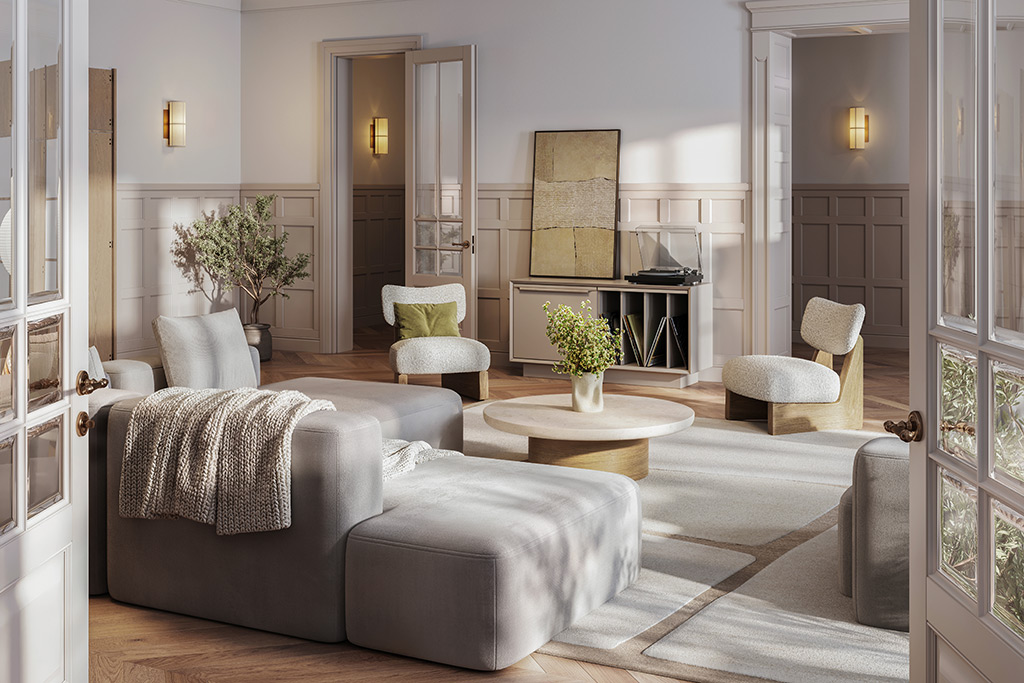
Similarly, you’ll want to tackle your interiors to make them appealing to potential buyers. The two keys are decluttering and depersonalizing. With the former, the goal is to ensure that your home feels spacious and spotless. Focus on tasks like clearing surfaces, cleaning out drawers, cabinets, and closets, and emptying the garage. If you have oversized furniture, or just a lot of it, consider putting some pieces in storage to make your rooms look larger.
As for depersonalizing, remove items that are specific to you; these could include family photos, fan gear, and religious objects. By making your spaces as neutral as possible, you will turn them into blank canvases, enabling visitors to more easily picture themselves making a home there.

Work with your real estate agent to decide the timing of your listing. Do you want it to hit the market at the very beginning of the spring season or after it’s in full swing? You should also establish a solid selling strategy, including the use of video and how to handle showings. If you have any concerns or specific priorities, they can help make adjustments that suit your needs.
Earning top dollar for your home means staying flexible and putting in the effort to get it in excellent condition. Stay focused on the exciting move that awaits after the sale, trust your real estate agent’s guidance, and enjoy the journey—you’ll be able to hang that Just Sold sign before you know it!
When it comes to decorating your home, you’ll see all kinds of furniture and decor online that fit neatly into a certain style category. But what if you’re drawn to a little of this and a little of that? Your home doesn’t have to be confined to one style alone. To help you mix different aesthetics, either because you enjoy variety or share a space with someone with different preferences, here are a few recommendations you can follow.

The secret weapon for blending designs? The 80/20 rule, which suggests that 80 percent of the space reflects one dominant style and the remaining 20 percent showcases another. For instance, if you love a clean, minimalist look but want to bring in a few boho touches, most of your furniture should be sleek, but then you could layer in accents like a patterned pillow, rattan lamp, and colorful art piece for added flair.
Similarly, if you prefer farmhouse charm but want a splash of industrial edge, you’d keep most of your furnishings rustic and bring in other elements like black iron barstools or bronze light fixtures. This approach can help prevent the room from feeling disconnected, instead making the design seem intentional and cohesive. Of course, you don’t have to literally measure your decor for exactness—just make sure that one style clearly takes the lead while the other plays a supporting role.

When you’re shopping for items, look for ones with some kind of commonality through their colors, textures, or shapes. To make a vintage velvet armchair and a sleek modern coffee table work together in your living room, consider finding an area rug that reflects the colors within both pieces. But if the table has any wood tones, you could instead connect the texture by incorporating other vintage pieces like wooden picture frames and vases. Even items that seem wildly different at first glance can work together when they share a common thread, which can help your collection feel more anchored.
However, if you find old and new pieces that you love but can’t seem to connect, consider incorporating a transitional item, which can serve as a bridge between the two. Think of a midcentury-style console with rustic wood grain or a chandelier with both antique nickel and traditional crystal accents. Such a piece can help quietly pull the look together without demanding too much attention.

Even two items that are beautiful and cohesive can clash if they’re out of proportion with each other, so you need to consider the size of your pieces and check that they take up the same visual weight. For example, a dainty side table might get lost next to an oversized modern sectional and a massive antique armoire could overwhelm a set of slender midcentury chairs. That’s why it’s important to keep your items balanced while also ensuring that each one not only flows well with the others but also feels right in the space.

Ultimately, one of the best ways to make a mixed-style space feel intentional is to weave in personal touches that tell your story. A great way to start is by incorporating meaningful items, such as travel souvenirs, family heirlooms, framed photos, or handmade pieces, that speak to your experiences and interests. These details help your home feel warm and lived-in rather than stylish but uninviting.
And don’t shy away from mixing in a few unexpected elements, either! A quirky accent chair, bold art piece, or vintage find may seem out of place at first, but it can quickly become a key focal point that adds charm and originality. By blending your unique personality with thoughtful design choices, you’ll create a space that feels both cohesive and distinctly yours.
After the holidays end and the New Year’s excitement dwindles, you might feel eager for warm days to return. While you can’t control the weather, you can add some warmth to your kitchen with the help of these two lip-smacking recipes from The Brunch Club. Serve up the cheesy potato side and morning take on crumble for an unforgettable winter brunch with friends or family.
Breakfast potatoes reach new heights with truffle and rich Gruyère cheese.
Warm spices, soft apples, and crisp oats add up to a truly indulgent breakfast treat.

Recipes from The Brunch Club: Delicious Recipes and Hosting Tips for Feeding Friends by Georgia Hearn. Published by OH. Photography © Danielle Wood 2026.
There is nothing more comforting and special than a plate of tartiflette! It’s decadent, cheesy and indulgent and I hope it transports you straight to any previous mountain trips where you may have partaken of it during après ski. The addition of truffle makes it just that little bit more special.

SERVES 4



The ingredients of this nostalgic pudding lend themselves so nicely to a brunch recipe, with fruit and oats playing the starring roles. Paired alongside cold soy yogurt for a perfect contrast, the buttery caramel, crispy crumble topping is so delicious! I think this recipe is wonderful served hot, warm or cold.

SERVES 10


Kendle Frank, content coordinator at Freedom Service Dogs of America, shares the paw-some story of the Colorado nonprofit’s work matching assistance dogs with service members and others in need.
Would you share the origins of your organization and its purpose?
Freedom Service Dogs of America was founded in 1987 by PJ and Michael Roche, and since then, we’ve grown from a two-person effort to one of the country’s largest assistance dog organizations. We are accredited by Assistance Dogs International, a worldwide accreditation coalition that sets high standards for care, health, and training of assistance dogs all over the world.
Our mission is to custom-train and purpose-breed service, professional therapy, facility, and skilled companion dogs for veterans and first responders with PTSD or traumatic brain injuries. We also serve adults with autism or mobility challenges, as well as professionals providing mental health and crisis-support services. Recipients get their own assistance dogs and lifetime support services at no cost to them, thanks to our community of supporters.

How and where do the service animals undergo training?
Most of our service dogs-in-training—Labrador retrievers, golden retrievers, and mixes of the two—are a result of our in-house purpose breeding program here in Colorado. They are born on-site and spend their first few weeks of life in our nursery, where they undergo socialization and enrichment from our staff and volunteers.
They then receive their first formal training with our prison puppy-training program partners before being matched with a volunteer puppy raiser, who provides ongoing socialization and basic training until they reach adulthood. During that time, FSD covers the cost of their veterinary care, food, and supplies.
At about fourteen months old, our dogs return to the FSD facility for formal training, where they start working on advanced service dog cues and begin their custom training process. Our dogs learn to perform up to forty unique tasks that are directly related to an individual’s particular needs. For example, if someone living with mobility challenges has a hard time bending over, we can train a dog to do tasks such as pressing automatic door buttons and pulling laundry out of the dryer.
When we have a dog who we believe may be a candidate for someone on our wait list based on their skills and temperament, the individual comes to our facility to make sure the dog is a good fit. Once a match is made, the person returns for a two-week placement class, where they practice the custom cues their dog learned and go on outings with our trainers and the other teams to learn how to navigate public spaces.
At the end of the placement class, we hold a graduation celebration for the team and they officially begin their life together. They’ll continue receiving ongoing support services, including additional training and guidance. When an assistance dog retires at around age eight or nine, the recipient will have the opportunity to receive a successor dog to fill their place.

Would you break down the types of services your dogs provide?
Our service dogs can learn to perform life-changing tasks such as creating space in crowds, retrieving dropped items or medication, performing deep-pressure therapy, and more. Our PTSD assist dogs can also be trained to do things like recognize and interrupt anxious behaviors and flashbacks and awaken veterans and first responders from nightmares.
In addition, our professional therapy dogs and facility dogs are placed with professionals who provide mental health or crisis support services, including clinical therapists and members of law enforcement. Their main role is to provide joy, comfort, and stress relief to the public and specific populations, such as those within hospitals, schools, fire stations, and police departments.
Finally, our skilled companion dogs are partnered with first responders, veterans, active-duty military members and their families, and Gold Star families. While these pups aren’t trained to perform specialized tasks and don’t have public access rights like service dogs, they are skilled at providing loving comfort, and their main purpose is to bring joy to service members and their families.

What kind of impact does Freedom Service Dogs of America make?
We take great care to ensure that each dog in our program is placed with the person or situation where they’ll have the greatest impact. If a dog is not meeting our high standards of health or temperament required to graduate as an assistance dog, they may find an alternative career as an FSD skilled companion dog or be placed as a pet with a loving member of our community.
Our work is truly life-changing for both humans and dogs alike. Our dogs love their roles as assistance animals. We like to say our dogs wag while they work. And with an FSD dog by their side, individuals can go from being isolated to living a life filled with joy, hope, and independence.
For more info, freedomservicedogs.org