The holiday season brings to mind enchanting aromas—think freshly baked cookies, spiced apple cider, and crisp evergreens. While store-bought fragrances and candles can quickly bring these delightful notes into your home, some may also increase indoor pollution and pose health risks, such as irritating your respiratory system. The good news is that there are plenty of other techniques you can use to infuse your spaces with wonderful natural scents and create a cozy atmosphere.

Is there anything better than the richness of a delicious meal filling the air as it cooks? You can get similar results with seasonal smells by simmering a potpourri of various ingredients in water, either in a large pot on the stove or in a slow cooker. The first step is to pick your combination of fruits, spices, and herbs. A classic option is orange slices, cinnamon sticks, and whole cloves, or you can go more woodsy with fresh pine needles, pear slices, and sprigs of rosemary. Aim for a ratio of one whole fruit per eight cups of water and the equivalent (or slightly less) of the other items, depending on how strong you want the pot to be.
When you’re ready to start, fill your cooking vessel three-quarters full with water, add your ingredients, and bring everything to a boil. Then reduce the heat to low, checking the pot occasionally and adding more water as needed; you’ll want to keep it at least half full to prevent scorching or a fire hazard. Maintain it carefully, and you’re sure to enjoy its comforting scent for hours on end.

Draping natural garlands in your home can lend not only a traditional touch but also a fresh, festive fragrance. For example, fir, pine, and spruce needles release woody notes that evoke the season’s warmth, making them perfect choices to use as decor. You can forage for branches in your backyard or ask for leftover boughs at a local evergreen lot—many give them away for free. Once you have enough, tie their lengths together with floral wire, wearing thick gloves to protect your hands from their sharp needles and sap. To get your ideal look, shape the edges with scissors and add decorative elements like holly leaves and berries. The finished creation will make for a beautiful focal point along a banister, fireplace mantel, or wherever else you prefer.
Another equally charming option is to create a decorative chain of dried oranges to perfume the air with a sweet, citrusy smell. To begin, slice the fruit no more than a quarter-inch thick—otherwise, they’ll take much longer to dehydrate. Place the slices on a baking sheet lined with parchment paper, and bake them in the oven at 200°F for about three hours or until they’re completely dry, flipping them every thirty minutes. Make sure to let them cool before working with them.
Next, cut several four-inch lengths of twine, enough for every slice, as well as a longer strand to attach them to. Poke a hole with a toothpick through the flesh just below the rind of each slice, thread a short piece of twine through it, and knot the ends. The last step is to tie them onto the longer twine, spacing them out evenly and as close together or far apart as you’d like. Hang your garland in a highly visible spot, such as across a doorway or draped around your Christmas tree, so friends and family can fully appreciate its fragrance and beauty.

Alternatively, you can use those dried oranges to make a holiday wreath for your door or wall. All you need is a hot glue gun and a wooden or bamboo floral hoop. Start by applying a drop of the adhesive to the surface, then firmly press a slice on it. Continue adding more in the same fashion, allowing them to overlap slightly, until your form is totally covered. Finish by adding a festive ribbon at the top to serve as a hanger and offer an extra touch of decoration.
For a softer scent than citrus, consider utilizing natural branches of eucalyptus as your base instead, bending them around a circular wire frame and attaching them with twine or floral wire. Tuck in some bay leaves or rosemary sprigs for an herbal, woody note, and the end result will smell like the fresh air of a winter forest.
A bonus to any of these fragrant crafts is the opportunity they provide to spend quality time with loved ones putting them together. Try one this season, and it may turn into a wonderful tradition you’ll enjoy for years to come.
This time of year calls for hot, flavor-packed dishes that are as heartwarming as the holidays themselves. Luckily, you can’t go wrong if you craft these recipes from A Cookbook for Winter. Featuring rich flavors that will leave a lasting impression, they are a testament to the soul-enriching power of sharing a home-cooked meal with the people you love.
A classic soup becomes more elegant and sumptuous thanks to a splash of wine and two gooey cheeses.
Enjoy a dreamy mixture of melty chocolate, fruit, and soft bread to finish off any meal with a bang.

Adapted from A Cookbook for Winter: More than 95 Nurturing & Comforting Recipes for the Colder Months. Published by Ryland Peters & Small.
Slowly braised onions are truly one of life’s pleasures, especially in this classic, comforting soup, with its topping of melted cheese.

Serves 4



Bread and chocolate are an ever-popular combination in Switzerland, and this sweet spin on the classic croûte fromage (melted cheese on bread) makes a great finale for any meal. Serve it with lashings of vanilla custard on the side.

Serves 6


It’s visually striking when colors work well together. After all, few things look better than a forest-green pillow on a sienna armchair. Believe it or not, there’s a complex science behind color concord, even if it’s something that seems purely subjective. In other words, our eyes can detect when a room has a pleasing palette, even if we’re unsure why it just works.
If you approach home design with deliberate color schemes in mind, you can craft seriously stunning spaces. Use the following advice to identify cohesive hues and choose features like sofas, rugs, pillows, and art in perfectly balanced shades.

This detailed tool may seem intimidating at first, but once you familiarize yourself with it, you can find shortcuts to designing any room. The color wheel shows the relationship between colors, starting with the three primary ones (red, yellow, and blue) and the secondary shades you get from combining these (orange, green, and purple). More complex tones arise as you proceed outward to the wheel’s edge. Here are the types of appealing schemes you can create by using it:
It’s possible to dive even deeper into color theory, but doing so can really consume an afternoon. So it may be more efficient to use a digital color wheel, such as the one by Canva, to build nice palettes for your home rather than attempt to construct them on your own. Don’t overthink this; just try out various schemes and placements on the wheel until you arrive at ones that stand out to you.

Want a shortcut to style without having to spin a wheel? Embrace the trend of all-neutral rooms, which feature colors like white, gray, brown, and black. Going neutral is a very trendy approach to design, and rooms with these shades are fairly simple to arrange. But because such styles are devoid of bolder colors, they need a balance of dark, light, and medium tones to lend visual appeal. For example, decorate a tan dining table with medium-gray chairs, then top it with black candleholders and white candlesticks. It’s that easy. These pieces will look magnificent together and create a perfectly pleasing atmosphere.
You may find the pure-neutral look too sterile and prefer more energetic or soothing pops of color. If so, go for it! Just keep in mind that every room needs neutrals; they balance bolder tones, keep them grounded, and prevent rooms from looking oversaturated. And, fortunately, you’re free to blend neutrals as you’d like without fear of clashing. They don’t exist on the color wheel because they’re not based on combinations of red, yellow, and/or blue, so they won’t compete with other hues.

Now that you know how to build a color palette, you can play with various schemes and implement them right at home. Of course, that leads to the next challenge. Inspiration is often difficult for creative projects like home design, especially when you’re dealing with an empty sandbox of a room and aren’t sure where to start. How do you build a color scheme when you don’t have a dominant hue in mind?
Perhaps the simplest way to begin a design or redesign is to base it on the space’s current palette. Select your favorite material or decorative piece in a room, and work from there. Maybe you have a gorgeous tufted sofa in maroon and a tropical painting that features vibrant sea blues. Take the dominant colors of these pieces, and use the color wheel to find suitable hues that pair with them. Continuing the previous example, ivy green would form a triadic scheme with maroon and sea blue, so you could add leafy plants and matching accent decor to the room. Pepper in some light neutrals like beige pillows and dark neutrals like walnut end tables, and you have a balanced, harmonious space. Again, it’s that easy.

Once you know where to start, you can shop for home goods that fit neatly into your preferred color scheme. Be sure to print out or take a screenshot of the palette you designed (or carry swatches) to use as a guide as you hunt down accurate hues. To stay on track with your new scheme, try shopping for furniture and decor in this priority order.
Large pieces
Opt for broad seating furniture and prominent storage pieces in neutral shades. (Remember to balance light tones with dark ones.) Alternatively, you could add one eye-popping element in a bold color like goldenrod or amethyst to give a room an excellent centerpiece.
Smaller decor
Think wall art, armchairs, plants, and side tables. These pieces are better for introducing bold colors, but try not to oversaturate rooms. If you ever feel like you’re going overboard, select neutrals to pare back—after all, they will match virtually everything!
Accent decor
These are the simplest pieces to swap if you’re tweaking the palette of a finished room. Find pillows, throws, vases, coffee-table books, and other ornaments that directly showcase your color scheme for pops of attention-grabbing vibrancy. IKEA’s and Fable’s online shops, for instance, offer tools that allow you to browse by color and pinpoint perfect matches.
If you’re still feeling overwhelmed by the rainbow of shades on the color wheel and the multicolored patchwork of goods in home decor shops, you can hand the task of decorating to a professional. But whether you decide to go it alone or enlist help, there’s a special, undeniable joy in identifying a beautiful piece of decor and just knowing that it will match perfectly with its surroundings. Slide a vase onto a shelf, step back, and admire it nestled among its new family.
As technology changes, our homes often do as well. For example, modern houses are now being equipped with an array of energy-efficient technologies, so how well are you keeping up? Implement the following simple upgrades, and you’ll utilize some of the most powerful, environmentally friendly, and cost-cutting solutions out there today.

Start with a simple yet essential swap. Hunt down any incandescent bulbs throughout your home and replace them with LED ones, which not only consume less power (about a fifth as much in many cases) but also last longer on average. For added efficiency, install timers, dimmers, or sensors in both indoor and outdoor areas to limit overuse. You can even find smart bulbs that are compatible with your phone or smart hub, allowing you to voice-activate them and set up low-use modes like “Ambient evening” and “Reading light only.”
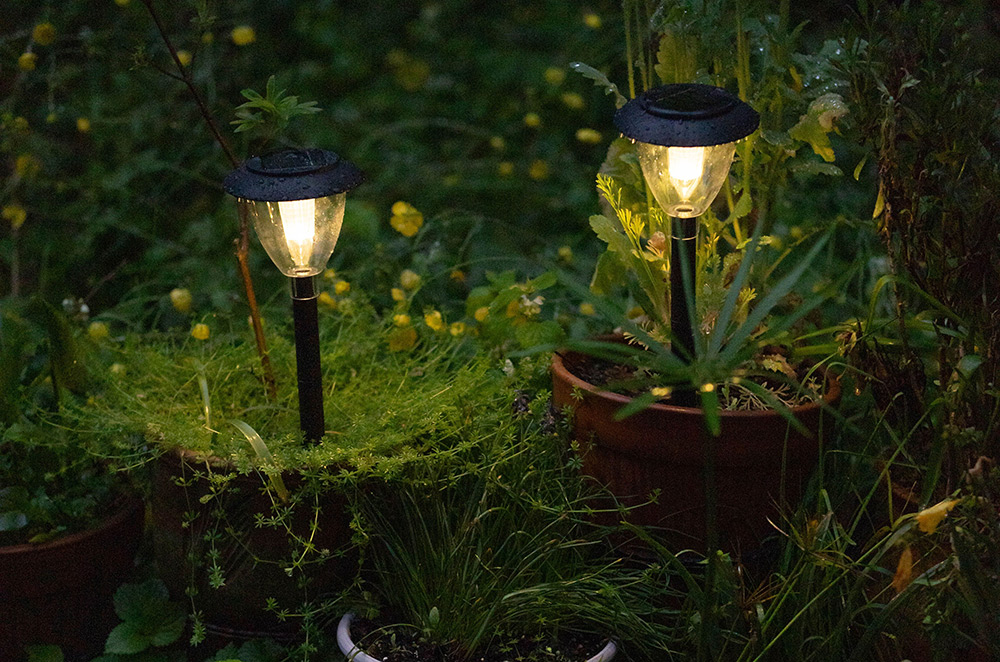
Outdoor lighting features could be some of the most helpful tech you install, and they don’t have to draw from your home’s electric current to operate. Swapping to solar lights can save you money because they’re essentially self-sustaining illuminators that never need to be plugged in. Some types offer even more benefits, such as water resistance, motion detection, and shatterproof bulbs.

These preventative services can help keep some of your home’s most energy-sucking components in top shape. By checking for potential issues, doing cleanings, and testing mechanical performance, technicians can help promote the most efficient cooling and heating possible. Spring is an ideal time to request a service because it can help prepare you for the hot months ahead, but be sure to make an autumn appointment as well for help with winterization.
Upgrading your HVAC control unit offers a variety of benefits, not the least of which may be compatibility with a smartphone app. The Sensi app, for example, which works with thermostats of the same brand, enables you to regulate the temperature settings while you’re away, build detailed heating and cooling schedules based on your routine, and even track your energy use in real time so you can ascertain periods of overuse and take corrective steps to save money.

Instead of solely turning to your thermostat to enhance indoor comfort, though, evaluate how well insulated your home is. An insulation professional can identify any potential faults in your current protection, which may include temperature variations by room or heat escaping through your attic, and then suggest upgrades. These changes can significantly lower your energy bills by reducing heat transfer. In fact, according to the EPA, homeowners can save an average of 15 percent on heating and cooling costs by air-sealing and adding insulation. And because unprotected areas, like your basement, attic, and garage, can get cold and bring the chill indoors, insulating them can provide supplementary savings.
For a quick, simple DIY upgrade, install this equipment virtually anywhere you plug in at least two electronic devices. More than just handy forms of protection against electricity currents (like their older cousin, the surge protector), smart plugs can help eliminate phantom power, whereby idle electronic devices such as TVs and set-top boxes continue using energy, needlessly adding to your utility costs. Addressing this problem can potentially save you upwards of $200 per year. For even greater control over your utility usage, opt for a version that can detect energy use, identify major power drains, and even flip on and off in response to your vocal commands.

Did you know that professional energy assessors may be available from your local government or utility company? Book an expert to thoroughly review your property, identify wasteful features, and recommend personalized efficiency upgrades. You can even talk to them about other smart swaps in this guide to determine how else you can make a major difference for the environment while saving serious money.