Whether you’re selling your property soon or taking a prudent interest in maximizing its equity, you may be keen on making value-adding improvements: DIY fixes like touching up paint or major professional overhauls like renovating your kitchen. But before you act, first consider which updates could offer appealing returns on your investment.
The unfortunate truth is that not all household projects will boost resale value, even if they enhance your curb appeal, modernize your home’s styling, or boost your daily quality of life. The key is to focus on making the upgrades that today’s homebuyers truly yearn for. This guide is packed with some of the top undertakings that can help you maximize value. That way, you can both enjoy the fruits of your labor and even earn some money back when you sell.

A strong first impression is crucial to property value, and your front entry is one of the first things buyers will notice. Upgrading to a new steel front door is a cost-effective swap that can deliver a gratifying 100 percent return, according to the National Association of REALTORS®’ 2025 Remodeling Impact Report. This means you could very well recoup every dollar spent while improving your household security and energy efficiency. But don’t stop there. You can also update the surrounding features by installing a new porch light, painting your trim, and peppering in some potted plants. These quick curb appeal boosts will add major impact without involving major renovations.
If the structure’s exterior is showing its age, updating the walls can dramatically improve both cosmetics and value. Consider installing vinyl or fiber-cement siding, two popular options that consistently rank high for cost recovery, landing at 97 and 114 percent, respectively, per a Journal of Light Construction (JLC) report. These options are as stylish as they are durable, adding curb appeal while protecting against moisture damage and weather-related wear and tear.
Meanwhile, one of the best updates you can make may be one of the most overlooked. Installing a new garage door significantly improves your home’s appearance from the street, and it can also recoup a surprising amount of its cost when it’s time to sell. According to the JLC, homeowners typically can see a whopping 268 percent ROI by replacing this feature. To maximize buyer appeal and value, select a door that complements your home’s architecture and features modern touches like insulated panels and smart door openers.

You don’t have to gut your kitchen to make it look and feel buyer-ready. In fact, making low-cost upgrades, such as replacing the cabinet fronts, swapping out their hardware, and upgrading appliances, can often yield a better return than conducting a full overhaul. These improvements to midrange kitchens can yield around 113 percent ROI per the JLC, depending on the materials used and the visual quality of the results. What type of kitchen will make buyers do a double take? Look to craft a clean-looking, function-forward space with neutral finishes and quality materials. To achieve such an ambience, focus on making the cosmetic updates that will bring your space up to date without blowing your budget.
As with the kitchen, conducting a full bath remodel may not always be necessary, as it likely won’t recoup a significant portion of the costs. To maximize your ROI in these spaces, plan for midrange upgrades focused on key features like the vanity, toilet, and tub. Enhance these elements, and you can make them feel more modern and functional while also recouping up to 80 percent of the costs. For bonus value, replace any worn tile or grout as well.
This may not be the most glamorous project, but adding new insulation in the attic (or replacing the current coating) is a stellar performer in terms of ROI, often rewarding the full investment amount. It’s also a relatively inexpensive upgrade that offers ample long-term benefits, particularly in regions that experience extremely high or low temperatures. This can help improve energy efficiency, reduce your utility bills, and appeal to cost-saving and eco-conscious buyers alike.

One of the most reliable ways to boost your home’s value is also thankfully one of the most affordable. Brushing on fresh coats of paint in neutral colors inside and out can instantly brighten up your spaces, creating a clean, modern, and move-in-ready look. Even better, these upgrades offer an average ROI of 107 percent, per Angi. Prioritize covering any bold color choices first, then shift to focus on touching up high-traffic areas like the living room, kitchen, and hallway, where signs of damage like scuff marks frequently appear.
While each of these updates tends to offer appealing returns, there is no one-size-fits-all solution for every American home. Before starting any household projects, especially high-cost ones, consider factors unique to you and your property, including your timeline, budget, and local market conditions. You might even benefit from sharing your priorities with a real estate agent or contractor.
With a little forethought and planning, you can execute the projects with the greatest impact—work that could pay you dividends. After all, even if you aren’t selling now, investing in greater homebuyer allure can pay off once that day comes.
Today’s homebuyer evaluates real estate the way they evaluate everything else that shapes their lives: by the quality of the experience it delivers. Can I walk somewhere worth walking to? Can I connect, entertain, raise a family, and flourish here? Can this place support how I actually want to live?

Consumer spending on experiences has grown significantly over time, while spending on goods has become less central for many consumers. That shift is happening in real estate as well.
For decades, the most desirable residential home communities have been clustered around the most powerful employers, social circles, and legacy markets. But affluent buyers are increasingly approaching geography with more flexibility. They are no longer only buying into an address. They are buying into an everyday experience, and they are willing to cross borders to find it.
Buyers are asking whether the location supports the life they want to live. Access to health care, green space, dining, wellness, culture, and convenience now plays a larger role in what makes a place desirable. The address still matters, but it is no longer the whole story.

For many consumers, buying abroad is about more than owning a home in another country. It is about expanding lifestyle options.
That international mindset is especially strong among younger affluent generations. According to research recently conducted by Leading Real Estate Companies of the World® in partnership with the Center for Generational Kinetics, 59 percent of younger millennials are interested in purchasing a luxury home in another country over the next five years, compared to 48 percent of older millennials, 46 percent of Gen X, and just 23 percent of baby boomers. In other words, the people who will shape the next era of luxury housing are also the ones most open to living and investing globally.
Some buyers want a beachfront retreat or a historic city apartment. Others are drawn to mountain destinations, countryside escapes, or tax-friendly markets that offer strong lifestyle value. Many are looking for a place that can serve multiple purposes: a seasonal residence, a future retirement option, a gathering place for family, or an asset that may also generate rental income.
In short, through purchasing property, they are setting up for a different kind of daily life.
If you are considering buying abroad, begin by defining your purpose clearly. Are you doing so for vacations, investment, future relocation, retirement, or some combination of all four?
That answer should shape everything that follows. A property that works beautifully as a short-term rental may not be ideal for long stays, or a dream retirement destination may not suit frequent family travel. The clearer you are about your goal, the better your decisions will be.

When evaluating an international property, think past the front door. Consider airport connectivity, safety, infrastructure, access to health care, and whether the destination is vibrant year-round or highly seasonal. If children or grandchildren might use the home, schools and family-friendly amenities may matter as well.
In addition to being attractive on arrival, the right property should support how you plan to live there over time.
Buying abroad also requires careful planning. Real estate laws, taxes, financing options, inheritance rules, and foreign ownership restrictions can vary widely from country to country. In some places, obtaining property does not give you residency rights. In others, rental regulations or transaction costs may significantly affect the value of the purchase.
This is why local expertise is essential. Buyers should work with real estate professionals, attorneys, and tax advisors who understand the market and can guide them through due diligence.
The rise of the global homebuyer is about more than international aspiration. It reflects a broader change in how consumers think about home itself. It can be a sanctuary, an investment, a gathering place, and a lifestyle platform all at once.
For a growing share of purchasers, the best address is no longer simply the one everyone recognizes. It is the one that delivers the life they actually want—wherever it is in the world.
Common retirement strategies like 401(k) or IRA accounts are designed to help individuals build their funds while enjoying possible advantages, such as tax savings and employer matching. But they aren’t the only tools you can use to prepare for your future years of freedom and relaxation. Whether you are a young professional looking ahead or have your retirement date in sight, check out these alternative strategies for planning your nest egg.

While life insurance’s primary purpose may be to help cover unpredictable expenses in the event of your passing, certain policies offer wealth accumulation and distribution benefits as well. For example, properly structured permanent cash-value life insurance can increase in value over time, and you can withdraw or borrow against this value after retirement. This makes such a policy valuable to a diversified portfolio. Additional benefits of these plans may include tax-free growth, a lack of repayment terms, and free access to your capital. Consider speaking with an insurance professional about your available options and how you could potentially take advantage of these pluses to boost your retirement funds.

Investing in “hard assets” (ones that can’t easily be converted into cash) such as real estate can be another excellent way to generate money for retirement. However, you must be able to put in significant funds up front and have the patience to wait for the property to appreciate. This strategy also requires expertise to navigate the market wisely, build a lucrative portfolio, and overcome potential challenges like property upkeep and capital gains taxes. If you’re interested in pursuing this path, it may be best to go the route of a real estate investment trust or fund; a financial professional can help you manage these assets effectively.

This financial contract involves making lump-sum or periodic investments with an insurance company in exchange for future payments. With the guidance of a financial and/or insurance professional, you can structure a plan that helps you keep up with demanding medical costs, resists inflation, and more. There are various ways to structure an annuity, each of which may have certain limitations, so you should discuss these plans with a professional before entering into a contract. Doing so can help ensure that you’re making an informed decision and may help you reap more benefits in the future.
Among the most prudent retirement approaches is establishing a portfolio that balances potentially lucrative ventures with potentially lower risk options such as high-yield savings accounts. If you work with a financial professional, you can devise personalized strategies that reduce risk but still provide growth opportunities. This individualized approach may help you arrive at the most appropriate strategy for your needs.
There’s nothing wrong with simple, straightforward options like 401(k)s. After all, these common employee-sponsored offerings are typically the foundations of many Americans’ retirement strategies. However, a willingness to explore different investment options, particularly ones you may be unfamiliar with, may also yield a healthy nest egg.
For the past few years, HIIT (high-intensity interval training) has dominated the fitness world. HIIT is a specific type of workout characterized by quick, high-intensity movements followed by short periods of rest, repeated back-to-back. And while it can be hugely effective at burning calories and increasing heart rate, the sheer amount of strain it can place on joints and the overall force of movements can make it challenging for some people.
However, low-impact exercise can provide similar health benefits to those associated with HIIT but with less force put on the body. Low-impact workouts can be a great option for older adults, individuals with joint problems, people recovering from injuries, or those just starting out on their fitness journeys. Essentially, low-impact exercise is beneficial for everyone, and you should consider making it a part of your health-and-wellness routine.
Read on to learn what specific kinds of health benefits a low-impact workout provides, and check out some exercises to get you started.
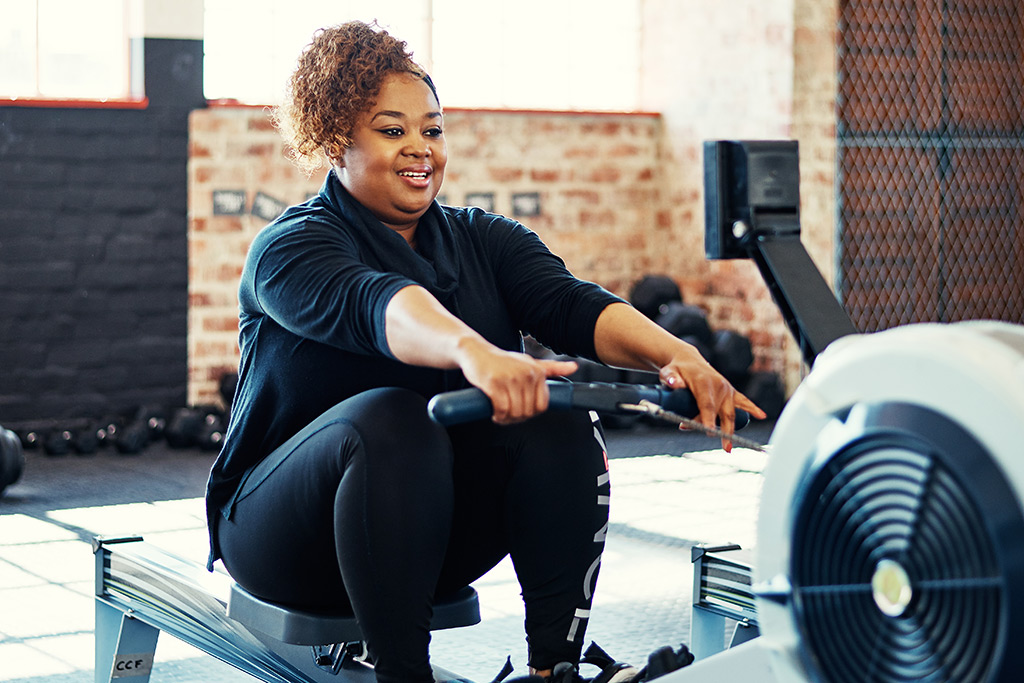
As mentioned above, anyone can benefit from incorporating low-impact workouts into their routine. But there are certain groups of people who will find a low-impact workout is their only exercise option. If you fall into this category, you should know that there are still varying degrees of intensity when it comes to low-impact fitness, and you can decide what level is right for you.
Seniors
The CDC recommends that adults sixty-five and older get at least 150 minutes of moderate exercise every week; this is aerobic exercise, meaning the exercises you perform must increase your heart rate and respiration. Low-impact workouts, such as cycling, walking, or yoga, can still get the blood pumping and provide tremendous cardiovascular benefit when performed regularly. Programs such as SilverSneakers are aimed at helping seniors stay fit and healthy through exercise, and SilverSneakers provides resources for virtual and in-person classes you can attend—sometimes at no cost.
People with joint pain/arthritis
When it comes to HIIT, one of the biggest concerns of older adults is the strain it can place on bones and joints. However, these health concerns are more common than you might think and affect a far larger portion of the population than just the elderly. If you are worried about the strain of a high-impact workout but you are physically able to perform moderate- to high-intensity aerobic activities, low-impact workouts such as a dance class, Pilates, and swimming are great for increasing heart rate significantly without the jumping or running required in HIIT.
Fitness newbies
If you’re looking to improve your physical fitness but haven’t established a set routine yet, try incorporating three to five low-impact exercise days into your week. You can start with a thirty-minute walk each day and then gradually increase or rotate in other low-impact exercises like rowing, yoga, or no-jumping aerobics. Once you have established a pattern and have found the types of exercises you’re comfortable with, you can experiment with other forms of exercise.

The health benefits of low-impact workouts are numerous, and they’re arguably more sustainable than HIIT or other forms of intense exercise. Even seasoned athletes can reap the benefits of including low-impact exercises in their routines. Low-impact training can help prevent muscle and joint strain from too many back-to-back high-impact workouts while providing the level of aerobic activity necessary for good health.
Low-impact cardio activities like walking and biking are incredibly beneficial for your cardiovascular system. Exercises like these increase heart rate while putting very little to no strain on joints, so you can go at your own pace. They can also be performed as a social activity, offering even more benefits. And it’s not just your heart and lungs that stand to gain from frequent low-impact exercising; your mind can benefit, too. That’s because all forms of low-impact cardio can give you a boost of endorphins and a subsequent euphoric boost to your mood, much like the one that runners experience.
One of the most important elements of low-impact exercise is that it’s sustainable for your body. Because they are so low-impact, these types of exercises can generally be performed for longer periods of time and more frequently, making it easier for you to achieve maximum health benefits. They can also help you slowly build your strength over time, which will allow you to eventually incorporate more high-intensity exercises into your routine.

The specific low-impact exercises mentioned above are a great place to start. However, there are a number of weight-training and other cardio-based activities that qualify as low-impact as well, and you can use them to diversify your routine.
Stationary lunges
Jumping lunges are a common type of HIIT exercise, but stationary lunges remove the impact of coming down on your knees. To perform them, stand with one leg in front of you and one leg behind you, about shoulder-width apart. Bend at your knees until the knee of your back leg is nearly touching the floor, and then stand to straighten both legs. Repeat with the other leg.
Body-weight squats
Strong legs and glutes can be beneficial for helping you perform a number of other low impact exercises, and body-weight squats are a great way to build your leg and glute strength. With your feet hip-width apart, slowly bend at your knees, being mindful that your weight is in your heels and your knees don’t extend past your toes. Straighten your legs, and stand up, squeezing your glutes as you lift.
Modified jumping jacks
Traditional jumping jacks are a relatively low-impact exercise. However, even slight jumping can put stress on joints if performed for an extended period of time. Here’s a variation to consider. Start by standing with your feet slightly apart and your arms at your sides. Step one foot out to the side at a time, simultaneously extending your arms above your head and moving back down as you bring your leg back in. Repeat with the other leg.
Standing crunches
A strong core is key to a strong body, but if performing crunches on the floor hurts your back, this is another option you can try. Stand with your feet hip-width apart and your hands on the back of your head with your elbows out. Lift one knee upward, and move your opposite elbow to meet your knee. Repeat on the other side.
Whether you just want to get started on your exercise journey, raise your heart rate without sacrificing your joints, or add a little variety and stability to your current routine, low-impact exercises are a great way to do it.
*Be sure to consult your doctor before starting any new wellness routine.