Oenophiles—also called wine aficionados or connoisseurs—are known to integrate vineyard tours into their travels whenever possible, and certain destinations are especially appealing. Three that stand out as the most iconic and influential are France, Italy, and Napa Valley in California. While all produce world-class wines, the differences in their vineyards reveal much about the philosophies and identities behind their bottles. As you contemplate your next travel adventure, consider the unique traits that make the wines from each region so distinctive.

The concept of terroir—a French term encompassing soil, climate, topography, and human influence—is central to understanding vineyards. In France, terroir is almost sacred, with the idea being that the land itself should express the wine’s character more than the wine-making process. As such, French vineyards are often planted on complex soils, such as limestone and clay in Burgundy and gravel and sand in Bordeaux. When combined with varied microclimates and elevations, they contribute to wines of precision and regional identity.
Italy takes a more flexible approach. Italian vineyards span from the Alpine foothills of Trentino to the sunbaked hills of Sicily, and soils range from volcanic ash on Mount Etna to marl and sandstone in Tuscany. Their producers focus on regional tradition but often prioritize grape variety and food pairing more than strict interpretations of terroir. In turn, the vineyards are often older and more fragmented, shaped by centuries of agricultural use and inheritance patterns.
Napa Valley, by contrast, is a relatively young wine region. It offers dramatic elevation changes, a mosaic of over thirty types of soil—including volcanic rock and marine sediment—and a predominantly Mediterranean climate that features warm days and cool nights that are ideal for ripening grapes like Cabernet Sauvignon. While terroir is respected, Napa’s vineyards often emphasize innovation, precision farming, and scientific viticulture.

Harvest times vary based on the type of grape, the area’s temperatures, and seasonal weather patterns. Consider France’s climate, which differs significantly across regions. For instance, Bordeaux has a maritime climate with moderate rainfall, but Burgundy is more continental with cold winters and hot summers. As a result, French growers often face vintage variation and must adapt their practices to yearly changes; canopy management, low yields, and manual harvesting are common.
Italy experiences a similarly wide range of climatic conditions. The north enjoys a cooler Alpine influence, while the south is much hotter and drier. Italian viticulture often emphasizes indigenous grape varieties, each requiring different management styles. Dry farming is more prevalent, especially in southern regions, and many vineyards still rely on traditional techniques passed down through generations.
Napa Valley’s climate is consistent and largely predictable thanks to the influence of the Pacific Ocean and morning fog from San Pablo Bay. This allows for highly controlled vineyard practices. Irrigation is widely used along with advanced technologies such as drone monitoring, data analytics, and precision harvesting. This modern approach is a hallmark of Napa’s vineyard identity.

French vineyards are typically associated with noble varieties: Pinot Noir and Chardonnay in Burgundy, Merlot and Cabernet Sauvignon in Bordeaux, and Syrah in the Rhône Valley. French wine-making emphasizes restraint and ageability; wines are often blended and aged in oak with minimal intervention to let the vineyard speak.
Italy’s vineyards are home to over 350 official grape varieties, many of which are grown nowhere else—these include Nebbiolo, Sangiovese, and Nero d’Avola. Italian wines tend to be more food oriented, featuring higher acidity and a lighter body, and the focus is often on harmony rather than boldness.
Napa Valley is dominated by international varieties, especially Cabernet Sauvignon, Merlot, and Chardonnay. The wines are generally bold, fruit forward, and oak influenced with high alcohol levels. Napa’s signature style appeals to new-world palates, favoring richness and immediate drinkability over subtlety.

French vineyards are often small and fragmented due to inheritance laws, most notably in Burgundy. A single vineyard may be split among several owners, each producing a slightly different wine from the same land. This leads to a wide diversity of expression but can limit economies of scale.
Italian vineyards are also highly fragmented, particularly in the north. However, there is a growing trend toward cooperative wine-making, where small growers pool resources. In contrast, southern Italy is seeing larger estates emerging, especially as interest in export markets grows.
Napa Valley’s vineyards are larger and often owned by corporations or wealthy individuals. This allows for significant investment in vineyard infrastructure, marketing, and hospitality. Estate-bottled wines are common, and many vineyards double as tourist destinations with tasting rooms and wine clubs.

France is the benchmark for fine wine. Bordeaux and Burgundy, in particular, serve as models for classification systems, and French wine laws are among the strictest, reinforcing the idea of controlled origin and typicity. Italy, meanwhile, is the world’s largest wine producer by volume and is deeply intertwined with food culture worldwide. Its wines are diverse, accessible, and deeply respected in the fine-wine world. And Napa Valley, while newer, has carved out a significant place in the global market. It continues to lead in branding, luxury experiences, and innovation, influencing wine-making practices around the world.
France, Italy, and Napa Valley each offer unique vineyard experiences shaped by centuries of culture, terroir, and evolution. France stands as the traditionalist, Italy bridges tradition with variety and innovation, and Napa Valley represents the new order, embracing technology and bold, expressive wines. Together, they form a vibrant triad that defines modern viticulture and wine appreciation.
In today’s fast-paced society, the quest for comfort and peace has become more prominent than ever before. And one of the best ways to achieve both is by thoughtfully designing your spaces with a sensory focus—the careful application of certain stimuli can help you unwind, lower your tension, and experience emotional equilibrium. Use these tips for engaging all five senses, and you can enhance any room in your home for an optimal environment.

Our mood can be greatly influenced by visual elements, especially when it comes to lighting. According to numerous studies over the past decades, natural light in particular can help boost feelings of happiness, improve work performance, and prevent circadian rhythm disorders, ensuring better sleep. To capitalize on these benefits, consider removing your window coverings in common areas such as the living room; you could also opt for a window film or lighter-colored or sheer shades or curtains to keep the space bright while maintaining privacy. As for when the sun isn’t out, install warm and adaptable in-home lighting. Instead of harsher cool-toned hues, choose soft white or yellow bulbs to replicate the glow of natural light, and consider dimmers so you can vary the brightness depending on your desired ambience.

Perhaps nothing feels quite as disruptive or distracting as the noisy thrum of nearby traffic or the steady bass of a neighbor’s too-loud music. Research has shown that noise pollution might cause disturbed sleep patterns as well as increased stress and anxiety. Conversely, calming noises can help establish a greater feeling of peace. For rooms where you need to concentrate or want relaxation, set up a white noise machine with a selection of comforting sounds, such as a nature scene or heavy rain, or a Bluetooth speaker to play soothing instrumental music. You could also incorporate a sight element by exploring aesthetically attractive options, including retro bookshelf speakers or decorative sound bars. Such pleasing noise paired with an accent piece to suit your style can make for an ideal sensory experience.

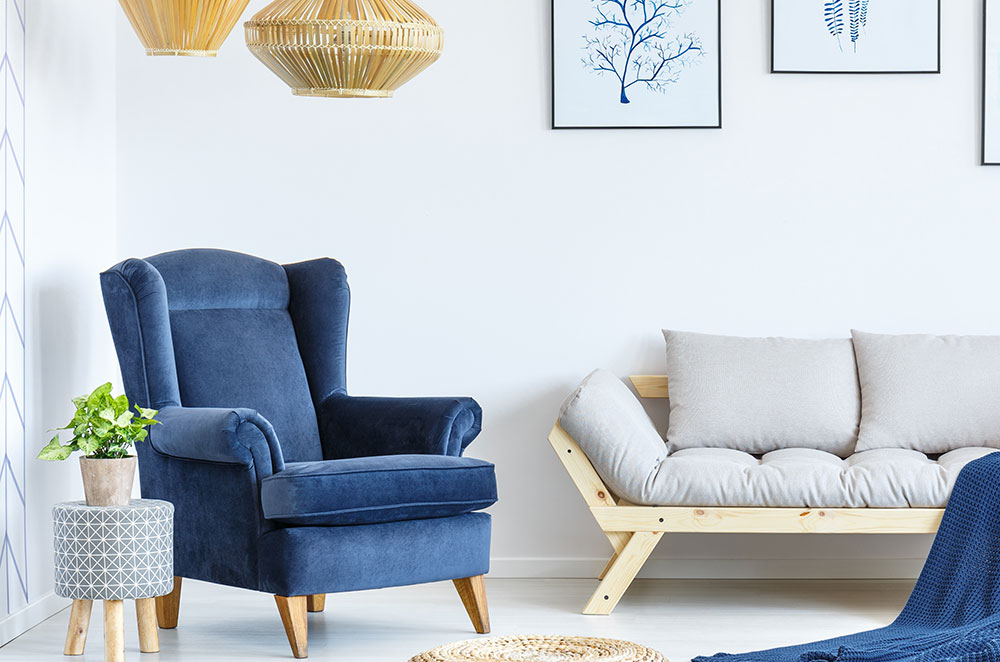
Many interior designers are very picky about the materials they use, especially in areas designed for social interaction and relaxation—and for good reason. Different textures each have varying associations that can shape a room’s vibe, even if you don’t physically touch them. For instance, if you want a friendly and inviting atmosphere, you should use soft materials like plush velvet for couches and cozy cotton for pillows and throws. In contrast, to create a more stimulating environment, you might incorporate a rougher texture, such as woven jute or reclaimed wood accents. And combining several types—smooth, rough, soft, and hard—can pique interest while still providing comfort.

Because the olfactory bulb is intimately connected to the limbic system, the brain’s emotional center, smells can arouse strong memories and feelings. Further, according to a study published in the chemistry journal Molecules, ones such as coffee beans, lavender, and cypress can dramatically raise mood and lower stress. So make sure to imbue your spaces with optimal aromas, such as through essential oils, candles, or even houseplants. Lavender is especially advised for bedrooms due to its relaxing qualities, and citrus smells like orange and lemon can stimulate the mind, making them suitable for a home office. Try testing out a few scents to see which evoke the reaction you wish to experience in your rooms, helping to ensure that you select the ideal one for each.

With food being a universal language, it’s no surprise that it can make an instant positive impact on your enjoyment of a space, whether you’re hosting a themed dinner party or savoring a cozy night in alone. Given its perishable nature, this element may not be as easy to decorate with, but there are still a few ways you can go about it. For one, consider placing artsy bowls filled with candy, nuts, or seasonal fruit on tables for you and your guests to snack on as you unwind. Or set up a decked-out coffee, tea, or bar station that will allow you to indulge everyone in a delicious beverage while providing a luxury experience. And don’t be afraid to get creative with your recipes, seeking out inspiration from cuisine around the world to find fresh ways to delight and satiate your palate.
By purposefully incorporating the five senses into your design, you can transform your home into a sanctuary that enriches your daily life with comfort and joy, creating spaces that are sure to welcome both you and your guests.
In the world of real estate—where location is paramount—there are few places as enticing as the globe’s best surfing hot spots. Blessed with pristine beaches, world-class waves, and a vibrant coastal environment, these places offer a unique combination of natural beauty, adventure, and a laid-back lifestyle.

For instance, California’s iconic beaches, such as Rincon Beach and those in Malibu, draw surfers year-round, providing the perfect setting for anyone seeking an adrenaline rush. Meanwhile, the prime properties in Santa Cruz and Encinitas command a premium due to the cities’ proximity to first-rate surf breaks. But none may be better than in Hawaii, the birthplace of surfing. The legendary waves in spots like the Banzai Pipeline and Waimea Bay attract enthusiasts from every corner of the globe. Both are located in Oahu’s North Shore, which has witnessed a robust real estate market driven in part by the allure of the swells.
Of course, the United States isn’t the only country with enticing locales. With its untouched beaches and consistent surf, Nicaragua beckons adventurers looking to escape the crowds. Then there’s South Africa’s Jeffreys Bay, where you’ll find the renowned Supertubes breaks; the town also provides proximity to awe-inspiring natural wonders, making it an undeniable draw for property buyers. And in Australia, the New South Wales hot spot of Byron Bay, the fashionable Bondi Beach in Sydney’s suburbs, and the Gold Coast, Queensland’s major holiday destination, are high on the global surfer’s bucket list.

The top surf sites are characterized by a laid-back atmosphere where the ocean takes center stage. Locals and international buyers alike are drawn to such a culture, embracing the sense of camaraderie that accompanies it. From early morning dawn patrols to sunset sessions, surfing becomes a way of life. This connection with the ocean and the tight-knit community that it creates results in a desirable environment that transcends mere property ownership.
The potential for capital appreciation further enhances the attractiveness of these beach locations. International buyers are particularly interested in them due to their potential as investment or second-home destinations. For those seeking a change of scenery or an escape from the hustle and bustle of urban life, these regions offer an idyllic retreat.
In addition to being popular among residents, surfing locations attract a steady stream of tourists year-round, fueling the local economy. With this comes a range of economic opportunities, from surf schools and rental shops to cafés and boutique hotels. Property buyers recognize the potential for investment and income generation, making real estate in these areas enticing. Additionally, international buyers are drawn to the prospect of vacation homes or rental properties that can provide both personal enjoyment and financial returns.

Surfing hot spots in places like California, Hawaii, Nicaragua, South Africa, and Australia have garnered a reputation as some of the most desirable real estate markets globally. These regions encapsulate the essence of a dream lifestyle, combining stunning natural beauty, a thriving surf culture, and economic opportunities. From locals seeking to embrace their passion for the waves to international buyers looking to own a slice of paradise or diversify their real estate portfolios, the allure of these coastal havens remains undeniable. As the waves continue to beckon, their areas’ real estate markets will undoubtedly ride the tide of demand for years to come.
On June 29, 1900, the first cruise ship set sail from Hamburg, Germany—and more than 120 years later, cruising has become one of the most popular vacation options in the world. According to a report from the Cruise Lines International Association, nearly thirty-five million people embarked on a cruise in 2024, with 82 percent of cruise goers surveyed saying they would do it again.
So what has people boarding these ships in droves? This guide has the answers, offering a look at the best aspects of a cruise vacation along with tips for booking your first trip and insight into what you can expect while aboard.

Start your journey by figuring out when you’d like to travel, how much you want to spend, and who you’ll be going with. Such details can help you or your travel agent narrow your search to a specific cruise line and ship that meet your expectations.
Most of the top companies offer trips throughout the year, but certain dates may affect your overall experience or even what part of the world you can travel to. For example, waters can be rough during hurricane season, which runs from June through November in the Atlantic and mid-May through November in the Pacific. This kind of inclement weather could prevent the ship from being able to port, potentially crossing some destinations off the itinerary.
The time of year you travel will also impact pricing, but generally speaking, the bigger the ship and longer the cruise, the more amenities and activities it will have and the more expensive it will be. All major cruise lines have fleets with different routes, capacities, and attractions, giving you a variety of options to choose from based on your budget and interests. Consider the popular Royal Caribbean line: while it is well-known for its short and typically less expensive trips to the southern Atlantic, it also offers excursions to eighty countries and over three hundred different destinations. Further, it has both lower-capacity ships that can accommodate just a few thousand passengers and high-capacity ones, like Allure of the Seas, that can carry nearly 7,000 people.
Prices tend to increase the closer to the trip date you book, so planning ahead is key. Be on the lookout for eligible discounts, such as ones for larger groups or families with young children, and explore all the different ship options and packages available for a cruise line. You can conduct this research and reserve your trip directly through its website, but experts recommend working with a travel agent; such professionals often have partnerships with cruise lines and may be able to help you secure discounted rates and special perks.

You may have heard people describe cruise ships as “floating all-inclusive resorts,” and that’s a pretty accurate depiction. Everything you could want—from ocean views to world-class entertainment to five-star dining—is at your fingertips when you board one. Here are some of the top factors to consider when perusing cruises to help you find the option that checks all your boxes.
Rooms
Because accommodations can vary widely on ships, it’s important to look closely at both the descriptions and detailed plans of a cruise’s rooms (also called staterooms or cabins). Depending on the cruise line, you’ll find everything from single staterooms for solo travelers to luxury suites that can accommodate multiple guests and may provide access to exclusive clubs, restaurants, and more. If you’re looking for something more budget friendly, interior rooms are typically less expensive than those with balconies or ocean views; however, they may come with unwanted noises and are often less comfortable, especially if you experience seasickness.

Food and drink packages
No vacation is complete without great food, and cruises can certainly deliver in this category. According to a U.S. News & World Report ranking, Oceania Cruises is among the best for dining experiences; the company even markets itself as having “the finest cuisine at sea.” And don’t worry about getting tired of the food onboard—most ships have multiple restaurants with different cuisine types, so you can try something new every day.
Also, be sure to thoroughly read through all that comes with your food and drink packages. Some ships’ offerings, for example, will include only soft drinks, while others will include certain types of alcoholic beverages like beer and wine but exclude spirits. You don’t want to pay for more than you need or be stuck paying extra later when you could have booked ahead of time and saved money.

Entertainment
Depending on the size of the ship and length of the cruise, you could try a new attraction or show every day and not run out of experiences. Disney Cruises are some of the most popular with families because of their kid-friendly shows, character experiences, youth clubs, and play areas, but they offer plenty of adults-only shows and activities as well. Adults traveling without children might enjoy a Virgin Voyages or Viking Cruises excursion; these companies prohibit people under eighteen, and both are well-known for their luxurious feel, shore excursions, and dining options.
Ports of entry and island hopping are other important factors to consider, but experts recommend that you don’t book a cruise specifically for one shore excursion just in case it gets canceled due to inclement weather. The major cruise lines offer trips virtually anywhere in the world you’d like to see, including the Caribbean, the Mediterranean, the rivers of Europe, Australia, the Arctic, and more. With most cruises, you can expect not only some sea days (time spent entirely at sea without docking) but also plenty of time to explore ashore, giving you the opportunity to see multiple cities or islands in one trip. Some cruise lines even have exclusive rights to islands, so you and fellow passengers might have the entire place to yourselves. (Just bear in mind that these and other off-boat jaunts may come with added fees.)

With so many different options and locations to choose from, there’s a cruise out there for every type of vacationer. If you’re considering one for your next trip, talk to a travel agent, who can help you determine if it suits your budget and assist you in narrowing down the details to ensure that you have the voyage of your life.