Some years call for ambitious goals. Others call for distance—enough to step away from familiar routines and hear ourselves think.
The most restorative destinations offer more than beautiful surroundings. They create a change in rhythm—a landscape, culture, or way of life that encourages us to slow down, look more closely, and return home with a renewed sense of possibility. From an Atlantic island threaded with mountain paths to a Mexican city alive with artistic tradition, these distinctive places offer compelling settings for beginning again.

Rising dramatically from the Atlantic Ocean, Madeira feels both remote and remarkably alive. Volcanic peaks, terraced hillsides, and villages overlooking the sea give the island an almost cinematic quality, while its subtropical climate makes outdoor living possible throughout much of the year.
The island’s historic levadas—irrigation channels accompanied by walking paths—offer a particularly memorable way to experience the landscape. Routes pass through fern-filled forests, beside waterfalls, and into the Laurisilva, Madeira’s ancient laurel forest. On the greener northern coast, mountains, natural pools, streams, and volcanic formations create an environment that seems designed to restore tired senses.
Madeira suits those who reset through movement: a morning hike above the clouds, a swim in the ocean, or a long lunch overlooking the water. Funchal provides sophistication and convenience, but quieter communities such as Ponta do Sol, Santana, and São Vicente offer an appealing sense of retreat.

Kyoto’s power lies not simply in what visitors see but in how the city encourages them to see. A carefully prepared bowl of tea, light moving across a temple garden, or the texture of handmade paper can become an invitation to pay attention.
Although celebrated for its shrines, temples, and historic districts, Kyoto is also a living center of craftsmanship and creativity. Artists, architects, chefs, and designers continue to reinterpret its traditions, while restored machiya townhouses, former bathhouses, and artisan workshops provide new settings for contemporary life. The city’s relationship with nature—expressed through gardens, seasonal food, bamboo groves, and contemplative walking routes—adds to its enduring appeal.
In Kyoto, urgency gives way to intention. Staying in a residential neighborhood beyond the busiest landmarks allows its quieter patterns to emerge: bicycles passing in narrow lanes, small shops opening for the day, and mountains visible at the city’s edge.

Few places make everyday concerns feel smaller than the Atacama Desert. Surrounding San Pedro de Atacama, salt flats, volcanoes, sculpted valleys, and vast expanses of earth stretch toward an immense horizon.
The desert’s elevation, extreme dryness, and limited light pollution create exceptional conditions for observing the night sky. After dark, the Milky Way, planets, nebulae, and distant galaxies appear with extraordinary clarity, making stargazing one of the region’s defining experiences.
Days can be spent exploring the otherworldly terrain of Valle de la Luna, watching flamingos move across salt lagoons, or witnessing steam rise from the El Tatio geysers at dawn. Yet the desert’s greatest luxury may be its emptiness. With fewer distractions, your thoughts expand to fill the space. For travelers seeking perspective rather than pampering alone, Atacama offers a profound form of renewal.

At the southern edge of Australia, Tasmania offers an invigorating combination of wilderness and refinement. Ancient forests, rugged mountains, secluded beaches, and clear waterways make nature the dominant presence, while Hobart and the island’s smaller communities bring together art, inventive cuisine, and a strong appreciation for local craftsmanship.
The island rewards slow exploration. A gentler journey might include walking part of the dramatic east coast, staying near a remote bay, or driving through landscapes where vineyards and orchards give way to protected forest reserves. Tasmania’s seasons also create distinct moods, from summer’s long outdoor days to autumn’s color and winter’s fireside pleasures.
For creative travelers, Hobart provides a stimulating counterpoint to the island’s slower pace. Galleries, studios, historic architecture, and experimental cultural spaces make it possible to alternate solitude with inspiration—and to enjoy some of Australia’s most memorable food along the way.

Some resets thrive on stimulation. Oaxaca offers color, texture, flavor, and artistry in abundance, making it an especially compelling destination for anyone hoping to begin the year with renewed creative energy.
The city’s distinctive architecture provides the backdrop for a thriving culture of ceramics, textiles, contemporary art, design, and cuisine. Historic convents have become cultural centers, traditional techniques are preserved in working studios, and new generations of makers continue to reinterpret regional forms. Beyond the city, archaeological sites, mountain communities, and artisan villages deepen the connection between landscape and culture.
Oaxaca invites curiosity. A day might move from a bustling market to a quiet courtyard, a weaving workshop, and a memorable meal centered on local ingredients. It reminds visitors that renewal can begin by engaging with the world more fully.
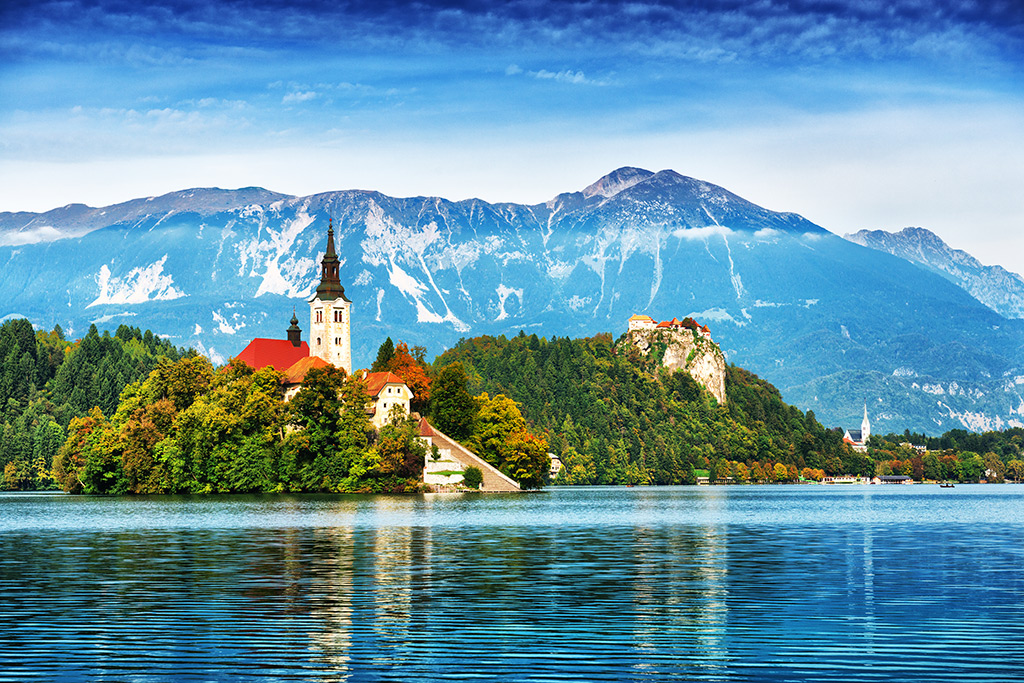
Compact, green, and quietly captivating, Slovenia makes it easy to move between contrasting worlds. Alpine peaks rise above clear lakes, forests surround historic spa towns, and the Adriatic coast lies within reach of the capital, Ljubljana.
Lake Bled may be the country’s most recognizable view, but Slovenia’s unhurried character extends well beyond it. The tranquil shores of Lake Bohinj, traditional villages of the Julian Alps, and mineral-water retreats of the country’s eastern regions offer space for walking, cycling, bathing, and unhurried meals. Slovenia also retains a strong connection to small-scale craftsmanship, local food traditions, and experiences rooted in community.
Culture fills the morning and nature the afternoon, and a welcoming town square rounds out the evening.
Whether found in a forest, desert, studio, or centuries-old street, the right place can alter our perspective. The most meaningful resets give us just enough distance, beauty, and inspiration to see the way forward more clearly.
When you host a gathering, you’re not just staging an event. You’re managing a room full of people who arrive with unique habits, appetites, good intentions, and quirks fully intact. The night works when you understand this reality and accept that a one-size-fits-all approach may not work.
Fortunately, most gatherings include the same cast of characters. Knowing how to accommodate them appropriately is often what separates a tense host from a relaxed one.

Early arrivals come ready: coats off, eyes scanning, and energy already on. They’re usually the ones who text “Parking now” or ring the bell ten minutes early, not out of impatience but eagerness. Put a small snack and an easy drink (olives, cheese, or sparkling water with citrus) near the door so they can settle without hovering while the rest of your guests trickle in. A place to stand, lean, or sip buys you time and gives them purpose.
The helpers arrive with a similar lightness but ask the question outright: “How can I help?” Not everyone means to commandeer your evening; many genuinely want to share the load of preparation. Give them one contained task, such as folding napkins, lighting candles, or pouring the first round, and the room starts working sooner. Avoid vague responses; specificity keeps them useful without putting them in charge.

Not every guest craves attention. Many are content to observe, listening to laughter while seated in a cozy corner, a warm drink in hand. They’re often the ones who arrive on time, choose a chair, and stay there, happy to absorb the atmosphere before participating. Seat them where they can see the room and enter conversation on their own terms. A side table, a good lamp, and a clear sightline do more than forced introductions.
On the other end of the social spectrum is the guest who floats: the social butterfly who easily connects people. They drift between circles, introduce neighbors to each other, and generate new conversation just when the room starts to cluster. They’re the ones refilling glasses unasked or pulling a newcomer into a story already in progress. Resist the urge to manage them. While your hands are busy with practicalities, their presence keeps the energy buoyant.

Food can be served with a side of anxiety for guests with allergies or other dietary concerns. They’re often discreet, quietly scanning labels or asking questions at the counter. To allay their concerns, include at least one clearly safe option with its own utensils and label it plainly. A neutral mention, such as “nut-free and dairy-free,” is enough to make someone feel seen without drawing attention.
Then there are the picky eaters: those with firm texture preferences or selective dislikes. They may eat slowly, separate foods on their plate, or quietly skip a dish altogether. They don’t need an entire separate menu; they need assurance. Including straightforward crowd-pleasers, like bread, roasted potatoes, a simple protein, or dessert, creates a fallback that keeps plates full and conversations flowing. Reliability matters more than novelty.

Guests arrive with different forms of generosity. Some come bearing armfuls: maybe three bottles of wine, a homemade dish in foil that’s still warm, a bouquet, or a delicious treat. They may apologize for “overdoing it” while unloading everything at once. Receive these gifts with gratitude, and integrate what fits your plan. What doesn’t may make for a gracious encore later in the evening.
Others show up with nothing in hand except their energy and warmth. They’re the ones who will likely linger to talk, help clean without being asked, or stay until the very end. Hospitality isn’t transactional. Some people bring wine; others bring laughter. Both are welcome.
A good gathering feels loose and welcoming, not perfectly planned. It’s defined by the home’s feel: inclusive, warm, easygoing, and alive. Plan for the array of people and personalities on your guest list, and you just might find that the night practically runs itself.
While winter is a time for relaxation, it can also be rough on your skin—even your home’s heating can zap moisture from it, dulling its appearance and accentuating fine lines. Unfortunately, many factors may be outside your control, but there is still plenty you can do to improve your skin’s health and appearance. By getting lots of hydration and eating a balanced diet full of essential nutrients, you can enjoy a bright complexion both this season and throughout the year.

The most important action you can take is staying hydrated. Drinking too little water can lead to skin dryness and encourage wrinkles and other signs of aging, while keeping on top of your intake can promote smoothness and suppleness. How much you need will depend on factors like your age, sex, and overall health, but the general recommended amount of total fluids is about fifteen cups daily for men and eleven for women.
For variety, try infusing your water with refreshing fruit-and-herb combinations, such as cucumbers and mint or berries and basil, to make it more flavorful. Snacking on water-rich foods like celery and oranges is another delicious way to satisfy your thirst. Or take it up a level by blending ice, watermelon, strawberries, lime juice, and a bit of honey for a revitalizing smoothie.

It might not seem like it, but winter is a perfect time to enjoy all sorts of fruits and veggies that offer skin-enriching vitamins A, C, and E. A and C work to stimulate collagen production, and C and E support hydration.
You can easily get all three vitamins in one meal, such as by making a salad with some spinach, berries, and a touch of an oil-based dressing. To add extra nutrition and flavor, top it with unsalted almonds or sunflower seeds, both of which are excellent sources of vitamin E. After your meal, consider treating yourself to a fruity, nutrient-rich dessert, such as an apple drizzled with honey for natural sweetness.

To get extra-radiant skin, be sure to include foods that contain omega-3 and omega-6 essential fatty acids in your diet. The former can help lower inflammation and the latter improve skin-cell growth, and both may prevent your skin from getting dry and flaky after sun exposure. Note that your body cannot make these fats, meaning you can only get them through the foods you eat. However, there are several unhealthy sources of them you should avoid, such as fast food, and you must be careful about balancing the two; it’s much easier to consume omega-6s, which may actually increase your inflammation.
That said, there are plenty of good options for boosting your intake of these fats. For instance, it can be as easy as grilling a piece of salmon with some olive oil. And for a snack, reach for nuts or seeds or even a hard-boiled egg.

On the other end of the spectrum, frequently eating foods high in sugar and salt can have a negative impact on your skin. Consuming too much soda, candy, chips, and other treats can limit your body’s production of collagen, heighten inflammation, and zap moisture from your skin. Instead, choose healthier swaps like unsweetened tea, carrots, plums, and unsalted nuts, keeping them stocked in your refrigerator and pantry to grab whenever hunger hits. These options can help you feel satisfied without hurting your skin.
There is a lot that can impact your skin this winter. But if you pair making smart food choices with other sensible steps, you can better ensure that it remains healthy and radiant in the months ahead.
Even though it’s often chilly and gloomy, winter can provide distinct advantages for selling your home: Less competition, lower inventory levels, and motivated buyers can help you obtain a higher sales price. So don’t let this time of year dissuade you from selling! Use these tips to showcase your home’s best features and help ensure a successful sale during the off-season.

Depending on your location, this could be your home’s best selling feature. But enhancing the appearance of its exterior doesn’t need to be costly. Even the most minor tweaks, such as adding lights, seasonal plantings, or even a fresh coat of paint to your front door, can make all the difference.
Clear the walkways
Start by clearing the walkways and door entrances, removing any debris, mud, and standing water. If you live in a cold climate, be sure to shovel and salt the front and back walkways and take down any icicles by your door entrances. Also, to keep your home free from salt residue and dirt, you may want to request that buyers remove their footwear or provide them with disposable foot coverings as they tour your home.
Decorate the exterior in moderation
One of the benefits of selling in winter is that it may allow you to take advantage of holiday lights and seasonal decor. If you typically decorate your home’s exterior, consider leaving a few of them up through winter to keep your home looking festive and bright. However, put away religious memorabilia to make it easier for buyers to envision themselves in your home.

During winter, the days are shorter and the temperatures cooler, which can present different challenges when preparing your home for a showing. This doesn’t mean you need to redecorate—just make some adjustments with lighting, temperature, seasonal decor, and colors.
Create a bright, cheerful atmosphere
Spice things up a bit by incorporating vibrant winter colors into your home. Think jewel tones, such as plum, emerald, and royal blue, for accessories like throw pillows, blankets, and area rugs. Also, place fresh-cut seasonal flowers and plants in the main areas of your home to create a bright, sunny atmosphere even when the sun isn’t out.
For daytime showings, draw all the shades and blinds to let in as much light as possible and turn on all overhead lighting. If the buyer has scheduled a late-day or evening tour, keep table and floor lamps on to create a warm atmosphere and make sure your exterior is well lit to both display its attractiveness and ensure the buyer’s safety.

Set the mood
On cooler days, keep your home’s thermostat at a comfortable temperature. And if you have a fireplace, flaunt it—flip on the switch or add a fresh log to create a warm, welcoming environment. Light one or two flameless candles, and play easy-listening music. It’s also not passé to bake some cookies, brew a fresh pot of coffee, or leave buyers and agents a cup of hot cider to create a comforting tone and a friendly atmosphere.
Dress your house for success this winter to make the best first impression possible. Keep your decor simple and crisp, and remember that less is often more.