Many people these days are looking for unique and innovative ways to relax, and one peaceful, transforming option is sound bath meditation, a basic but effective technique that encourages mental clarity through the medium of sound frequencies.

Dating back thousands of years, a sound bath is an introspective experience that’s designed to help you shed your cares via calming noises. It typically takes place in a quiet, gently lit environment and generally lasts thirty to ninety minutes. Participants sit back on mats or cushions and close their eyes as trained practitioners lightly stroke the edges of crystal bowls with gongs or tuning forks, creating waves of sound that wash over their audience.
Sound bath recipients are enthusiastic about the experience, saying it creates a certain catharsis and joy. They often report notable decreases in stress and claim to feel lighter and more balanced after a session, among other benefits. In fact, studies have shown that adults who finished a sound bath had lower blood pressure, heart rates, and respiratory rates. Another study, in Frontiers in Immunology, found that gentler noises may help improve immunity.

Sound baths are easily accessible, making them an ideal meditative mini retreat for many. You can sign up for group sessions at a wellness center or yoga studio, listen to prepared sound bath recordings right at home, or, if truly inspired, even purchase instruments to create your own peaceful experience.
Sound baths can provide a mesmerizing approach to your wellness routine. By combining ancient practices with modern techniques, they invite you to enjoy true serenity, paving the way to a more balanced lifestyle.
As the new year unfolds, individuals seek a transformative change not only in pace but also in place. Whether driven by the desire for a warmer climate, the appeal of investment opportunities, or the chance to fulfill a lifelong dream, relocating to an exotic international destination can be the perfect way to turn the page and start a new chapter.
Over the last year, a few locales have risen to the top as some of the most promising for purchasing real estate: Cyprus, Crete, the Maldives, and Montenegro. Each offers amazing natural beauty, an eclectic mix of lifestyles, and compelling purchasing opportunities. Here’s what makes them uniquely worthy of consideration.
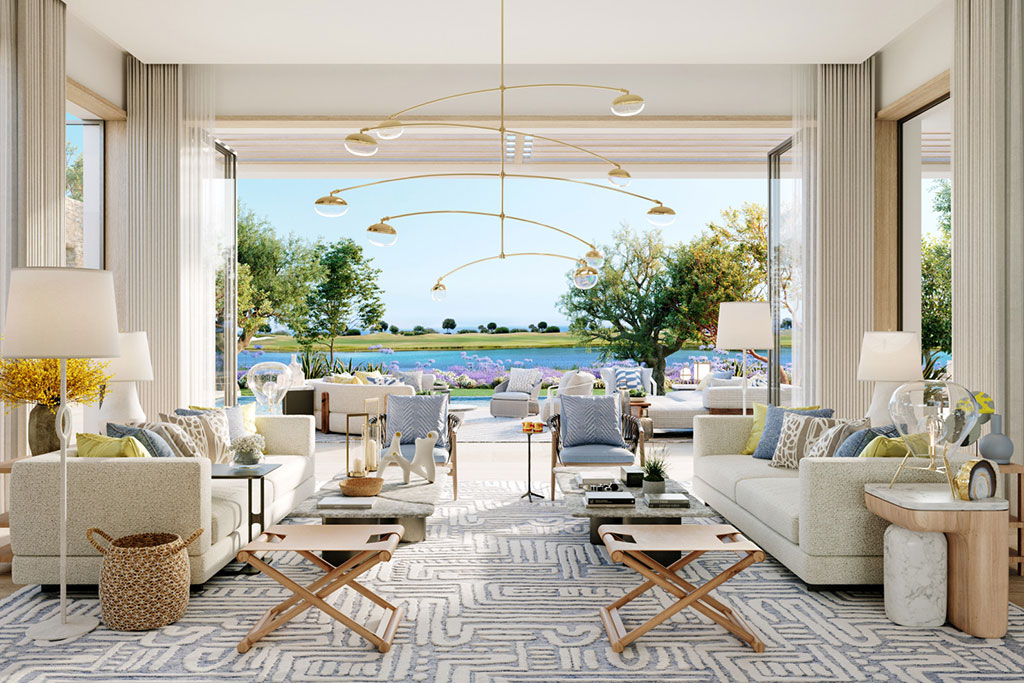
Blending European charm with Middle Eastern proximity, Cyprus is an ideal hub for business and leisure. Its robust infrastructure, English-speaking population, and potentially favorable tax regime make it especially attractive to real estate investors and digital nomads.
Why live here?
On top of enjoying over three hundred sunny days per year, Cyprus offers a high standard of health care, education, and safety. The island lifestyle is relaxed yet cosmopolitan, featuring a growing expat community in cities like Limassol and Paphos.
Why purchase here?
The local real estate market continues to benefit from foreign interest, particularly for beachfront properties and luxury villas. The island’s previously successful citizenship-by-investment program is now closed, but it still offers a permanent residency program tied to real estate. And with tourism going strong, rental yields in short-term vacation properties also provide an opportunity.
New development spotlight
Limassol Greens Golf Resort is an exciting new leisure destination in Cyprus, placing residential units in the center of the resort and surrounding them with golf greens and fairways on all sides. Set on the grounds of a family-owned citrus farm that dates back to the 1930s, the resort is an oasis of tranquility. Plus, it is only thirty-five minutes away from two international airports.

Greece’s largest island, Crete offers a unique blend of mountainous terrain, pristine beaches, and traditional villages. It’s a destination where history meets a laid-back lifestyle, and it is increasingly catching the eye of international buyers.
Why live here?
Crete boasts a strong cultural identity, Mediterranean cuisine, and a slower pace of life that appeals to retirees, remote workers, and families alike. Cities like Chania and Heraklion provide modern conveniences while preserving old-world charm.
Why purchase here?
Real estate prices in Crete remain relatively affordable compared to other parts of Europe. Greece’s Golden Visa program, which creates a pathway to residency for those who invest at least €250,000 in real estate, has made the island particularly attractive to non-EU citizens. The rise in tourism has also made short-term rental income a profitable venture in its coastal towns.
New development spotlight
Elounda Hills is an exclusive gated community nestled on a hillside overlooking the sparkling Aegean Sea. A collection of exquisite villas and apartments, it embodies elegance and breathtaking natural beauty for ultimate resort-like living. With amenities including a private marina, rejuvenating spa, and supervised kids club, you’ll find significant potential for financial returns and lifestyle benefits here.

Long associated with five-star resorts and honeymooners, the Maldives is now opening up more real estate opportunities for foreign investors, particularly in designated resort zones and private island developments.
Why live here?
Imagine waking up to turquoise waters and coral reefs just outside your window—such unparalleled natural beauty, peace, and exclusivity is standard in the Maldives. For those seeking a high-end, tranquil lifestyle away from it all, this is a dream come true.
Why purchase here?
The Maldives has been cautiously expanding its real estate laws to attract foreign capital, especially regarding luxury tourism. With government support for public-private partnerships, savvy purchasers can find opportunities in boutique resort ownership and ecotourism. While the up-front cost can be higher than in other markets, the long-term rewards in the premium travel sector may be significant.
New development spotlight
The Coral Residences is a spectacular collection of 40 two- and three-bedroom luxury apartments in the Maldives. Buyers can enjoy the comforts and privacy of a home with full access to five-star resort services, experiences, and amenities. Each apartment is a personal haven that features generous space, a stylish living area, and exclusive facilities reserved solely for the residential community.
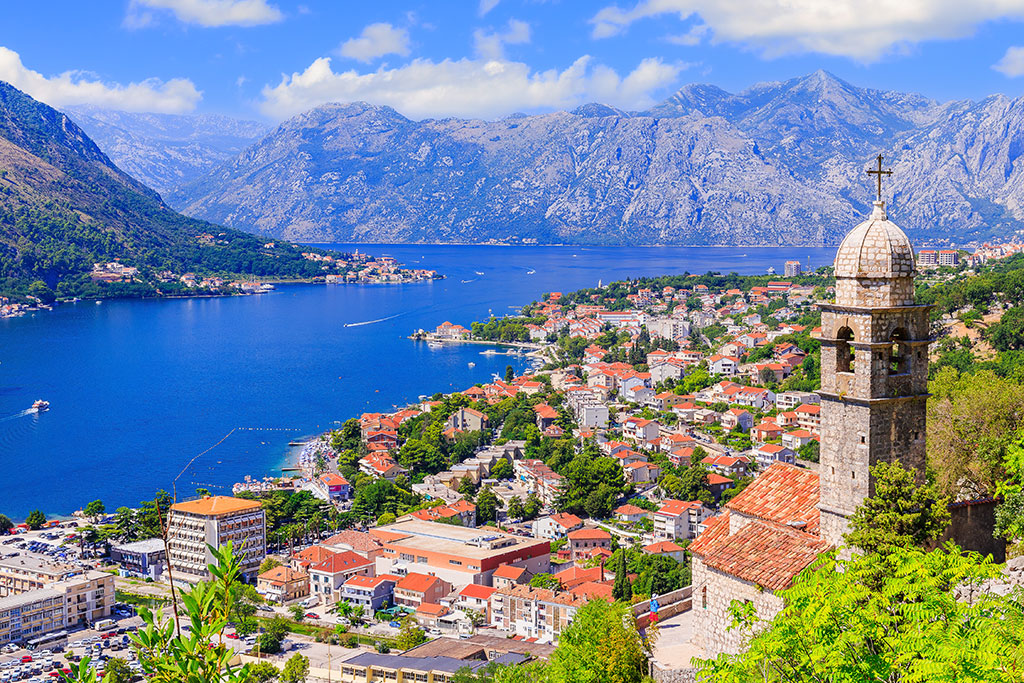
Tucked between Croatia and Albania along the Adriatic Sea, Montenegro has been gaining traction as one of Europe’s emerging destinations. Its scenic coastline, mountainous interior, and growing infrastructure make it a versatile option for living and investing.
Why live here?
Montenegro combines the sophistication of a European lifestyle with the affordability of the Balkans. It’s ideal for nature lovers and adventure seekers, offering everything from hiking and skiing to yachting and seaside relaxation.
Why purchase here?
The country’s real estate market is poised for growth, with interest particularly high in areas like Kotor, Budva, and the Porto Montenegro marina. Its low tax rates and candidacy for EU membership have also bolstered confidence for purchasers.
New development spotlight
Situated in the UNESCO World Heritage Bay of Kotor, Porto Montenegro is a premier luxury waterfront community and a leading superyacht marina. Its Boka Place is designed around a bustling central square to provide a vibrant urban sanctuary where people can come together to dine, shop, and experience

Moving to a new destination is more than just a romantic idea; it’s also a strategic lifestyle choice. From the sun-drenched shores of Cyprus and the rustic charm of Crete to the luxurious seclusion of the Maldives and the up-and-coming promise of Montenegro, each destination offers unique benefits for purchasing real estate. As global mobility continues to redefine how and where we live, these locations stand out as prime candidates for making 2026 the year you transform your living space—and your life.
If you’re looking to ensure that your home and your family are both safe and sound, it may be time for you to step up your home-security strategy. Fortunately, doing so is easier and more affordable than ever with new technology and some simple enhancements. Here are nine options to consider as you begin the process of fortifying your abode.

One of the best ways to protect your home is by installing a professional security system with a monitoring service. Consider features such as motion sensors, surveillance cameras, and door and window alarms, which can deter potential intruders and alert you when someone is entering or exiting.
Advancements like smart locks, doorbell cameras, and other remote monitoring devices provide you with greater control and visibility, even when you’re away from home. They may also be less expensive than a professional system and easier to install yourself.
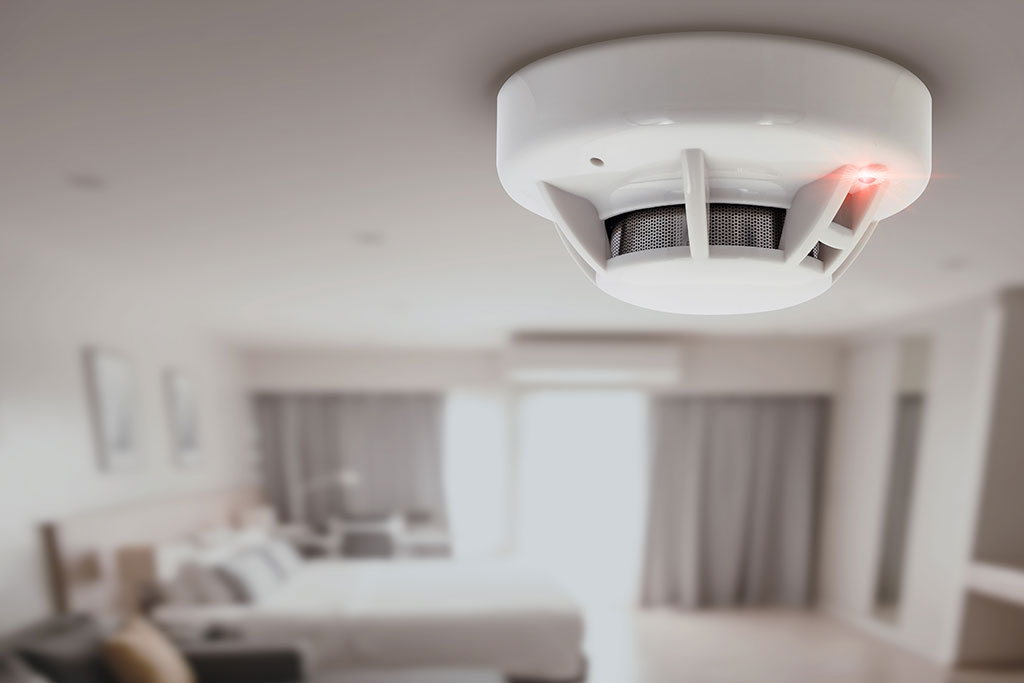
Though you may already have these throughout your home, you may want to upgrade to newer models to ensure that they’re well functioning. Test them regularly and replace their batteries as needed to keep them operational at all times.
Take the time to create a fire escape plan and practice fire drills with your family members. Keep fire extinguishers recharged and readily accessible in higher-risk areas such as the kitchen and garage.
Regular home maintenance can go a long way toward preventing accidents inside and outside your home. Check for hazards like loose handrails and faulty electrical wiring, hiring a professional as needed to fix any issues. Also, keep walkways clean and clear of ice and debris to minimize the risk of slips and falls.

Gather first-aid supplies, nonperishable food, water, flashlights, batteries, and other items in several kits to stow around the house. Make sure they’re kept up to date, clean, and readily available in the event of a storm, power outage, or other emergency.
In today’s digital world, online safety and cybersecurity measures are essential to protecting your personal information and preventing identity theft. Secure your Wi-Fi network, use strong passwords, and be cautious when sharing sensitive information online.

If there are young children in your home—or if nieces, nephews, or grandchildren are frequent visitors—make sure that you’ve adequately childproofed your space by securing cabinets and kitchen appliances, installing safety gates, and educating them about potential hazards.
In addition to the preceding options, consider seeking out a security expert to conduct a comprehensive home-security assessment. They can identify potential vulnerabilities and recommend areas for improvement. Take practical steps to address their highlighted concerns; even small changes can make a big difference in protecting your home from threats.
Enhancing home security is a proactive step toward safeguarding your family and property. By prioritizing your safety and mitigating risks, you can enjoy greater peace of mind and create a true haven for you and your loved ones.
Situated on the edge of Joshua Tree National Park in California, the architectural jewel known as the Kellogg-Doolittle House was crafted over a twenty-six-year period and is considered by many to be the crowning achievement of American architect Kendrick Bangs Kellogg’s career. It’s also widely regarded as one of the most important examples of organic residential architecture in the world—and it’s not hard to see why.

By the time Kellogg met Bev and Jay Doolittle, the owners of the 10½-acre plot of land where the house would eventually be built, his reputation already preceded him thanks to his works in the 1960s and 1970s, which included the Onion House in Kailua-Kona, Hawaii, and the Surfer House in La Jolla, California. A true visionary, he believed in his work so strongly that he moved his family to Kailua-Kona for two years to build the Onion House himself when he wasn’t able to find a contractor willing to take on the ambitious construction.

Bev and Jay met each other in art school in Los Angeles and were art directors for an advertising agency for five years. But it didn’t quite suit them to live in the city, so they set out in a camper to explore the West. Bev’s signature “camouflage” painting style emerged during this yearlong trip, and her limited-edition prints of Western life and American Indians started bringing her success in the fine-art world. In 1985, they were able to buy the plot of land from Jay’s father, Carl, and conceived a plan to build something “incredibly artful, organic, and groundbreaking,” according to Jay.

The Doolittles discovered Kellogg when they read about his work in the Friends of Keybar newsletter, which highlighted two of the architect’s works in California: the Yen House in La Jolla and the Chart House Restaurant in Rancho Mirage. They knew he would be up to the challenge of designing a home that integrated into the landscape rather than disturbing it. In 1986, the couple penned a five-page letter to Kellogg asking if he’d be interested in taking on their project. They wanted the home to “blend into the natural rocky desert environment” and the interior to “project a sense of openness, lush green plants, and water.” Kellogg’s response was two sentences long, expressing interest in their project and in meeting them.
The Doolittles later sent him a document of considerations for their build, which included a preference to sacrifice house size for high-quality building materials. They also confessed to loving their solitude and noted that their dining table only needed to seat up to five people because they’d only ever have two guests at a time. Considering the magnitude of the build, their requests were few. They ultimately respected Kellogg’s creativity and process enough to not impose a formal budget or time constraint. With everyone on the same page, construction began in 1988.

True to their vision, Kellogg deftly crafted a home that melds into the stark and rocky landscape. The approximately 6,000-square-foot main house has no conventional walls or framing; instead, it’s formed from twenty-six cantilevered concrete columns anchored deep into the bedrock. Touching in only two places, the arched pillars are largely independent of each other in a feat of architectural mastery. The million-years-old granite boulders on-site were also incorporated into the exterior of the house, and the space left by the columns is filled with metal doors and windows constituting thousands of panes of glass.
Additionally, there is a smaller garage at street level that connects to the main house via a 550-foot golf cart path. One of the big challenges of the build was simply getting materials up to the house; everything, including the six-hundred-pound windows, had to come up that path.

Master craftsman John Vugrin was enlisted to create an interior that could match Kellogg’s architectural genius. Utilizing his deep knowledge of materials and unbridled creativity, Vugrin worked on designing and building site-specific furniture, lighting, doors, windows, built-ins, and gates from 1994 until 2014. (External construction was completed in 2001.) Jay was fascinated by fossils, which inspired Vugrin to incorporate riffs on vertebrae into the build. The couple also loved books and wanted as many as possible in their bedroom, so Vugrin dried out wood in the garage for six years before fabricating it into curved wraparound bookcases. They were then sealed with eleven coats of automotive finish.
When the Doolittles decided to downsize and sell the house in 2014, the new owner didn’t share the same vision as Vugrin, who was left without the full-time gig he had known for two decades. In a beautiful twist of fate, though, he received a call in early 2021 from a second new owner, who understood the magical interplay of Vugrin’s work and the desert environment. Now back to his home away from home, Vugrin works on-site crafting more pieces, like a fourteen-foot circular bed with an African Mahogany frame.

The Kellogg-Doolittle House is the serendipitous amalgamation of the ideal clients, an iconic architect, an expert fabricator, and a lot of time, and the current owner believes in sharing the property’s magic with others. It is available for filming and photography, events, and a limited number of short-term stays each year.
For more info, visit kelloggdoolittlehouse.com