When it comes to good interior design, there are many factors to consider, including style, color, and texture. But perhaps the most important of these by far, especially in the darker and shorter days of winter, is lighting. (Switch off your home’s lamps and overhead fixtures on an overcast day or after sunset, and you’ll see why.) Without adequate light, the beauty of everything in your home, from the artwork to the furnishings, will be dimmed. To improve the function and livability of your home, consider implementing these tips on how to best use lighting to illuminate your spaces.

Your home’s interior will look its best when you incorporate at least two different kinds of artificial light sources in a space, whether it’s ambient, accent, or task lighting.
Ambient lighting
To strike a good balance in a room, first select an ambient source of light—one that is bright enough to illuminate most of the space. A good choice is overhead lighting, which could include options like a chandelier or recessed ceiling lights. Whatever fixture you choose, its size should be appropriate for the room. A simple way to determine this is to measure the length and width of the room in feet and add those numbers together, the sum of which will tell you the diameter in inches that your light fixture should be. So if you have a 10-foot-by-12-foot room, the ceiling fixture should be about 22 inches wide.
Accent lighting
Once you’ve decided on your ambient lighting, add accent lighting to bring warmth into the space and showcase its special features. For instance, you could add a table lamp to highlight a console table in your living room or set uplights on the floor to put focus on a colorful houseplant collection. And don’t forget the corners of your rooms; you could utilize beautiful torchères or table lamps to illuminate these often overlooked areas.
Task lighting
Depending on the room and how you use it, you may also want to include lighting that can amplify and facilitate the function of the space. Examples include a desk lamp brightening a workspace in a home office and a floor lamp providing light in a reading nook.

Though each room should have a mix of ambient, accent, and task lighting, which ones work best will depend on the space’s unique function, look, and feel. Consider these room-by-room suggestions.
Living room
Place a semiflush drum ceiling fixture in the center, layer in an arched reading light over the sofa and a table lamp on a console table, and put a floor lamp in a corner or two to balance the space.
Kitchen
Recessed ceiling lights can brighten this area, LED strip lights tacked underneath upper cabinets will provide useful task lighting, and a chandelier hung over the kitchen table may lend extra style and ambience.
Bedroom
Softer lighting will make this room feel cozier, so think about installing an overhead fixture such as a drum flush-mount ceiling light with a linen shade, some wall sconces, and one or two bedside lamps for nighttime reading.
Bathroom
An oversized pendant light in the center of the space can brighten what might be an otherwise dark room. Eradicate shadows by placing a backlit mirror on the wall behind the vanity, and if you have a freestanding tub, draw attention to it by hanging a glamorous chandelier above it.

Another consideration when designing a home’s lighting is the type of bulbs you use. These days, the most commonly used ones are LEDs—which are also the most energy efficient. For your main living spaces, pick ones with a warm glow. If you need a bulb for bright task lighting, such as for a laundry or craft room, get one that’s about 5,000 kelvin. You can also consider the bulb’s lumen rating, which describes its brightness, when buying LEDs.
For a more tailored option, select dimmable LED bulbs with an LED-compatible dimmer to easily dial their brightness up and down. Lampshades can also soften lighting and bring in personality and style. If you want a moody look, choose thicker lampshades in dark colors; for an airy appearance, go with light-colored ones. Similarly, clear glass lampshades will allow more light to shine through while opaque ones will cut down the brightness.
Light fixtures can do more than just illuminate a space—when chosen wisely, they can also help shape the vibe of the room. For instance, a crystal chandelier can add elegance to a dining room and a traditional Tiffany-style lamp can lend a classic look to a study.
When it comes to selecting the most appropriate fixtures for your home, think of style first. Here are some popular options:
Black and brass metals
These finishes will look great whether your design style is traditional, midcentury modern, or transitional. And don’t be afraid to mix these metals in the same space.
Natural fixtures
Choosing ceiling lights, lamps, and other fixtures made from sustainable and eco-friendly materials like jute, wood, and glass can add a cozy or rustic look to your home.
Smart lights
Go with this option if your style is modern or if you’d like to use technology such as a smart home assistant to turn lights on and off or dim them. Most varieties will also allow you to change the color of the light.
Celebrated visual artist Martha Spak shares the personal take on art therapy behind her paintings and sculptures, revealing the transformative power of art on the mind.
Tell us about your art background:
I worked in journalism for years and began painting as my family grew—both my grandmothers painted, and their love for their craft had always resonated with me. I have been creating art for over twenty-five years now and exhibit regularly throughout the country. I love the creative process.
I’m a self-taught artist, and I create paintings and sculptures to convey an uplifting feel. I’m mostly known for my ethereal landscape paintings, but I’ve recently shifted to doing more abstract work, including a collection of geometric abstracts in harmonious colors.

What inspires your art?
The desire to capture a positive feeling. I create art without an overt political statement or message that brings people down; I just want to lift people up and broaden their perspectives. I like to think my art has a calming, nonconfrontational energy.
What is your art-making process?
It begins with color and composition—I want to make each color sing. I plan my palette in harmonious hues, lay out acrylic paints, and get the paint on the canvas as quickly as possible. I then start honing the composition by strengthening the direction of the light and, oftentimes, refining the edges with a dry brush. If I need to narrow the focal point, I will add a hard element, such as diagonal lines or horizontal lines in a heavier paint. Toward the end, I assess my work to make final applications, perhaps adding a little spark to give it a breath of fresh air: a touch of color like turquoise, for instance.

Would you discuss art’s therapeutic value?
A viewer should be able to stand in front of a work of art and identify something within it that speaks to them, such as a specific color, a familiar landscape scene, or anything else that will make them really feel at ease—and that takeaway should resonate with them long after they leave the art. For example, I’ll incorporate color combinations that symbolize aspects of the seasons, a lighted path that guides the eye, or a skyscape that is bright and filled with light. I can still recall artwork from years ago that gave me an uplifting feeling; if my art can have such an impact, I think it’ll have done its job.
I’ve carried this idea of color as a therapeutic concept into many health-care settings. About ten years ago, I had an exhibition at the Wake Forest Baptist Medical Center in Winston-Salem, North Carolina. Afterward, I came back home to Maryland and thought about how wonderful it was to bring light into those spaces and impact that audience. I also exhibited in the DC area at Sibley Memorial Hospital and at the National Institutes of Health. This colorful abstract collection was then exhibited at the University of Michigan Medical Center and at the Lombardi Comprehensive Cancer Center at Georgetown University.
Art can impact mental health and enhance health-care settings, but anybody could incorporate color or my visuals into their home to enjoy daily. Selections of my work are licensed and available through various retailers, including Williams Sonoma Home.

What’s next for your career?
I am currently doing several site-specific projects, tailoring my art to fit seamlessly in public, private, and corporate settings. I’m also working on new surface designs for wall coverings, floors, fabric, and other merchandise. Whatever comes next, I hope to continue infusing positivity, joy, and harmony into everyday surroundings.
For more info, visit marthaspak.com and follow her @marthaspak
There’s something timeless about the idea of escaping—not from life, but to it. Whether it’s the pull of the ocean, the calm of the mountains, or the energy of a bustling city, a getaway home offers the chance to reset your rhythm, reconnect with what you love, and make every season more memorable.
In today’s world of flexible living and remote work, more buyers and renters are seeking second homes or seasonal retreats tailored to their lifestyles. But before you pack your bags for that dream destination, it’s worth taking a thoughtful look at what makes a getaway property not only inspiring but also practical, enjoyable, and enduring.
The perfect getaway starts with clarity on what kind of escape you’re seeking. Are you drawn to the sound of waves and ocean air or the quiet of pine forests and starry skies? Do you envision family gatherings by the lake or solo weekends in a walkable village filled with cafés and galleries?
Your seasonal home should reflect how you want to spend your downtime, not just where.
Defining your why helps refine your where.

For many, the first step toward a second home begins with renting seasonally. This allows you to experience an area across different times of year, testing how it feels during the height of summer or the quiet of winter. It’s also a smart way to gauge community culture, amenities, and travel convenience before making a long-term investment.
When you’re ready to buy, your goals should guide your decision:
Personal use
If it’s a place you’ll visit often—for weekends, holidays, or extended stays—look for proximity to airports, hospitals, and dining, as well as easy maintenance and security features.
Investment potential
Properties in popular vacation markets can generate rental income when you’re away. However, local regulations, seasonal demand, and management logistics vary widely.
Future retirement plans
Many buyers choose a getaway home with an eye toward eventual full-time living, making location, accessibility, and health-care options more important over time.
An experienced real estate professional can help you evaluate each option’s financial and lifestyle implications, ensuring that your getaway fits seamlessly into your long-term vision.
Each destination has its high season and its quiet charm in the offseason. Before purchasing or signing a lease, stay in your chosen area at different times of year. You may find that the “shoulder seasons” offer the perfect blend of beauty and tranquility.
Climate also affects maintenance and comfort. A mountain home may require snow removal and winterizing, while a coastal property often demands attention to humidity and storm preparedness. If you’re seeking year-round enjoyment, consider locations with mild climates and diverse activities that adapt beautifully from season to season.

A true getaway is about belonging as much as it is about retreating. Seek destinations that match your personality—places where you can form meaningful connections and feel a sense of ease each time you return.
Your real estate professional, especially one with connections through Leading Real Estate Companies of the World®, can connect you to local experts who know these markets intimately. Their insight goes beyond property listings, encompassing the lifestyle, culture, and rhythm of everyday life in each location.
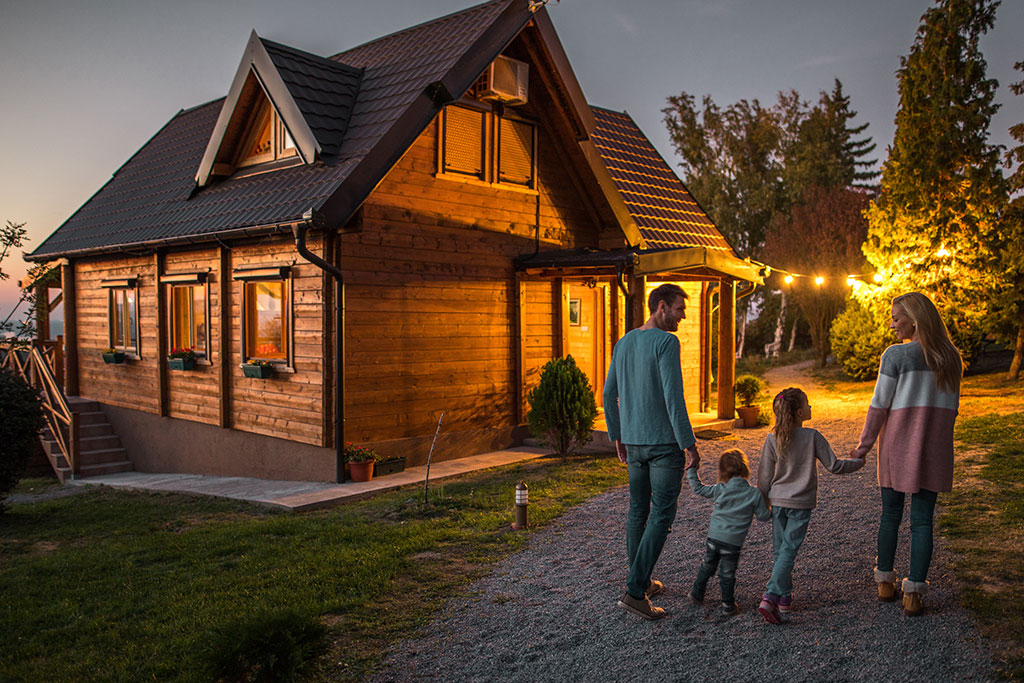
A seasonal home should feel distinct from your primary residence—a place that instantly signals that you’ve entered another chapter of your life. Whether it’s a modern beachfront villa or a cozy mountain cottage, the best getaway properties reflect their surroundings through thoughtful design and materials.
Consider easy-care finishes, ample natural light, and indoor-outdoor flow. For rentals, look for furnished options that evoke a sense of place, from coastal textures and neutral palettes to rustic wood accents and cozy fireplaces.
The key is balance: your getaway should feel elevated but effortless, elegant yet comfortable—a home designed for living well.
The best retreat is one you can actually reach and enjoy often. Evaluate travel logistics carefully:
These details can be the difference between a home you visit once a year and one that becomes part of your lifestyle.
Ultimately, finding the right getaway property—whether to rent or to own—is about aligning your dreams with the realities of the market. That’s where a trusted, experienced real estate professional becomes invaluable.
A skilled agent understands the nuances of second-home ownership, local rental regulations, and finding hidden gems within each community. And when you work with a member of Leading Real Estate Companies of the World®, you gain access to a network of top independent firms in 70+ countries, meaning your local expert can connect you seamlessly to trusted professionals wherever your next seasonal escape may be.
From snow-dusted chalets to oceanfront terraces and desert hideaways, a getaway home offers more than a change of scenery. It’s a gateway to a richer way of living. With the right insight, preparation, and partnership, your next seasonal escape can be both a wise investment and a personal sanctuary, a place where every return feels like coming home.
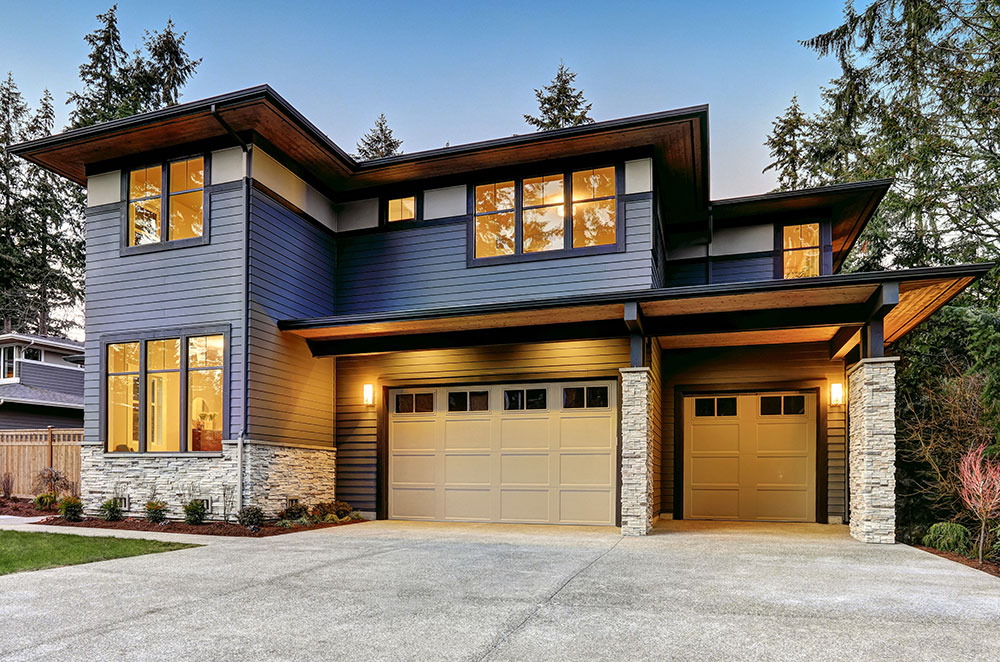
Choosing a garage door may not seem like an exciting decision, but it can completely affect the appearance of your home. It’s the first thing visitors see, so you want it to be both functional and stylish. Though there are many possibilities available, here are three common ones that fit these requirements to a T.

This option is popular among homeowners who prefer a door that is durable and dependable while also offering a traditional look. It’s made largely of steel and designed to last, keeping your garage secure and safe. The only drawback? Steel can dent if hit, and those panels may require a little TLC over time to preserve their beautiful appearance. But if you want a timeless alternative that won’t break the bank, this is the one for you.

For an easy way to add charm and character to your home, consider a carriage house door, which lends an old-world, barnlike vibe. With hinges and hardware that scream “rustic elegance,” it is perfect for houses with a country or vintage ambience. You can select from a variety of materials, though keep in mind that wood—a classic choice—may be more expensive. Even still, the investment may be well worth it for the great curb appeal it provides.

On the flip side, a contemporary garage door achieves a sleek, modern look thanks to its glass panels, clean lines, and minimalist style that exude refinement. Just note that it may not provide the best insulation and security depending on its material. With the right assets to supplement these downsides, however, this option can be just what you need to make a bold statement.
At the end of the day, your ideal garage door will be determined by what works best for your home and lifestyle. Whether you want timeless tradition, rustic charm, or futuristic flair, there’s one out there that will look great and serve you well.