April showers have given way to May flowers, bringing us one step closer to summer. This issue of Good to Be Home is packed with design tips to help you transform your home before the new season begins, tasks to complete if you’re getting ready to move into a new home, and so much more.
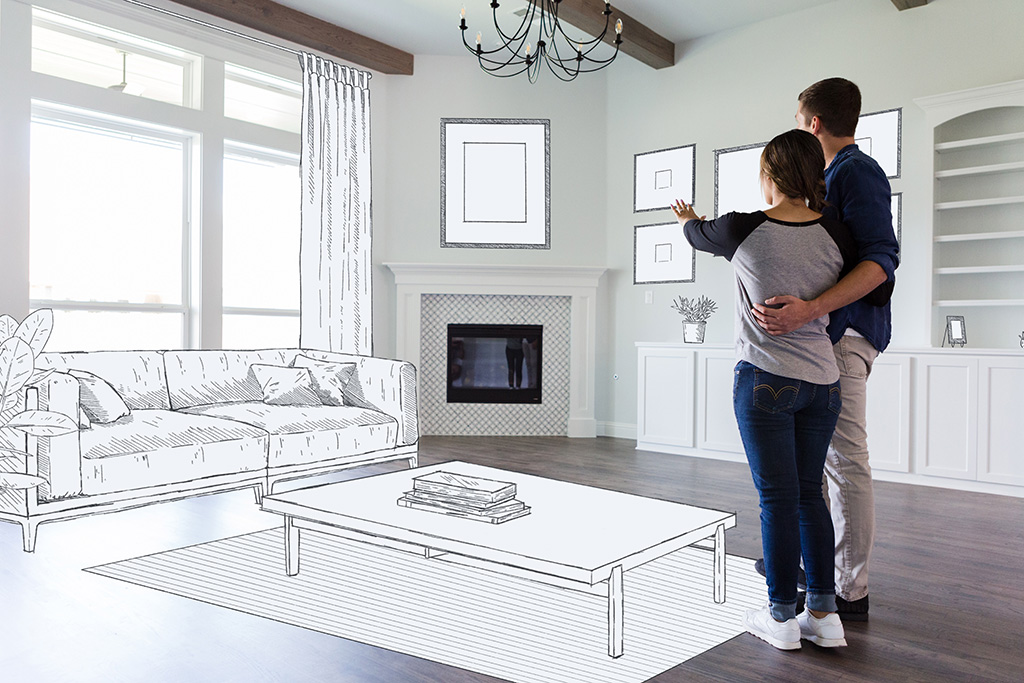
It’s not always easy to know how you want to decorate your living spaces, but, luckily, there’s an app for that. With virtual-reality design tools, you can see how different pieces of furniture, textiles, and colors will look in your rooms. Be sure to check out the article inside for tips on how to best use these cost-effective design apps.
If you find that you never use your formal dining room or have an awkward landing on your staircase, you may be able to transform such areas into more functional and practical spaces. The enclosed article offers several ways you can make the most of these often underutilized areas in your home.
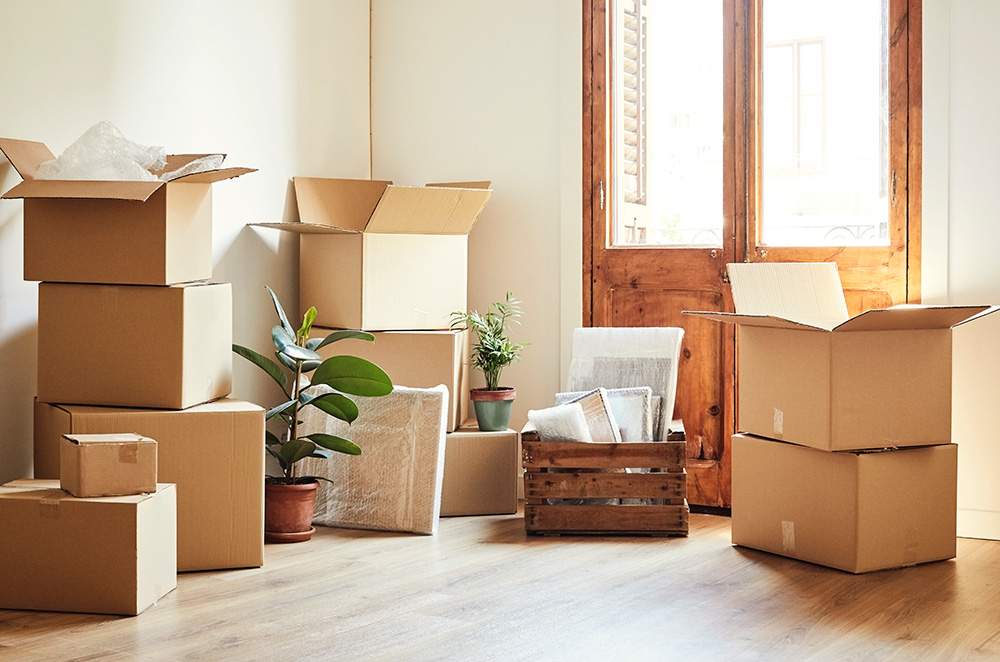
When you move into a new home, you’re tasked with a lot of work, from unpacking your boxes to finding the perfect spot for your stuff. As a result, you may find yourself overwhelmed by what you need to do. The checklist in this issue can help make the first month in your new home much smoother.
Memorial Day will be here before you know it. If you plan on hosting family and friends for the holiday, you’re not going to want to miss the tips inside for throwing your best backyard get-together yet.
Here’s to a fun yet productive month in your home. As always, it’s a pleasure to send you this magazine.
You don’t have to be a master at interior decorating to put together a beautifully designed home. Thanks to modern technology, you can create a space that reflects your style and personality using virtual room-design apps. There are several you can choose from depending on your skill level and what type of design you want. Whether you’re looking for a complete overhaul or a simple update, this technology will allow you to lay out your home in a photorealistic space and, ultimately, bring your vision to life.
The most challenging part of beginning any project is usually knowing where to start. So before jumping in with both feet, formulate a plan by setting a realistic budget (you may want to do some pricing ahead of time) and determining your end goal.
Choose the room you want to begin with
You may have more than one room or area to decorate. However, it’s best to complete one at a time, especially if you’re new to working with online decorating apps. If you’re starting with a completely empty slate, pick the room that will be the most straightforward. If you’re updating already furnished rooms, go for the one that needs the least work. The goal is to begin with something manageable to help you ease into the design process.
Research virtual design apps
Have fun exploring different apps, many of which are free, such as Roomstyler, Planner 5D, and Amikasa. Each offers its own unique capabilities, ranging from simple designs to more architecturally detailed ones. Experiment with the various 3D options to see which would work best to help you visualize how you want your finished space to look. You don’t have to select one now, but investigating available programs will give you a basic understanding of how the process will go and prepare you to get started.
Take accurate room measurements
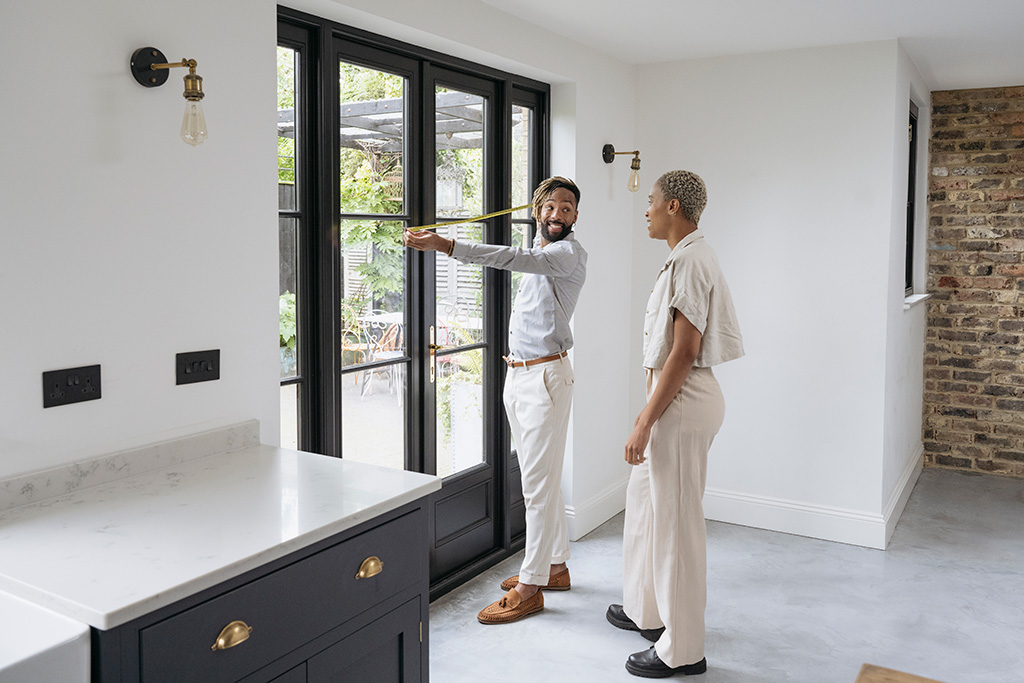
It’s essential to understand the room’s scale before you start designing. Use a tape measure to measure all the angles of the room, taking into account any dead space such as stairs, windows, and unusable corners. Inaccurate measurements may result in purchasing furniture that is either much too large or not large enough, making the space appear out of proportion.
Upload your floor plan into the design software
With your measurements completed, you can upload your floor layout to your chosen app to begin the design process. Although most apps offer a basic blueprint, some will also enable you to drag, drop, and rotate your furniture to establish the best layout for your room’s size and shape. You can also furnish the space and edit items like furniture, colors, textures, and materials. Once the design is in place, you’ll be able to do a virtual walk-through to see if it meets your expectations.
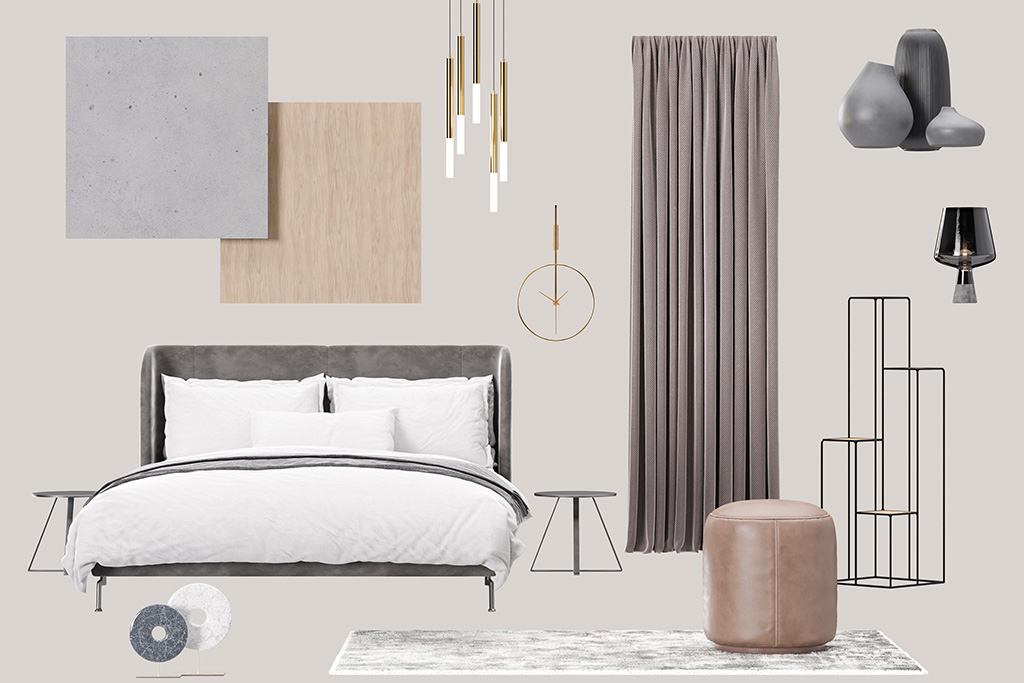
Most interior designers start their projects with a mood board to help them visualize how they want the finished design to look. Sites like Pinterest and Canva are excellent tools you can use to find and collect ideas and determine the final look you want.
Explore design options
Consider perusing through design magazines, such as Architectural Digest, Elle Decor, and Better Homes and Gardens, as well as websites like Pinterest and Juxtapost to explore endless style possibilities. This can also help you get a feel for the layout, style, colors, textures, and furniture you prefer. Add each of these features to your mood board to get a sense of how they will work together, which can prevent you from making costly mistakes down the road.
Utilize design templates
Most virtual room-design apps offer tools that allow you to scan hundreds of galleries with finished designs, providing you with ideas you may not have otherwise considered. These interactive apps also enable you to explore individual products and preview how they will fit into your space. Some even give you the option to purchase items from their show galleries. For example, if you want to replace your coffee table, you can select and swap out several different options until you find the best style. Apps like HomeByMe also provide brand names to help you find products based on your budget and style.
Whether you enjoy completing projects on your own or hiring a professional decorator is simply not within your budget, you can fine-tune your style and design with the help of virtual room-design apps. Be sure to choose one that best matches your skill level and goals so that when you’re finished, your home will be everything you’ve dreamed of.
Neglected spaces throughout your home don’t just look awkward—they’re also wasted opportunities. Good design utilizes every room to its fullest potential, balancing stylish elements with practical features geared toward everything from home productivity to storage to entertaining guests. Use these tips to transform frequently neglected areas into well-designed and value-adding spots.
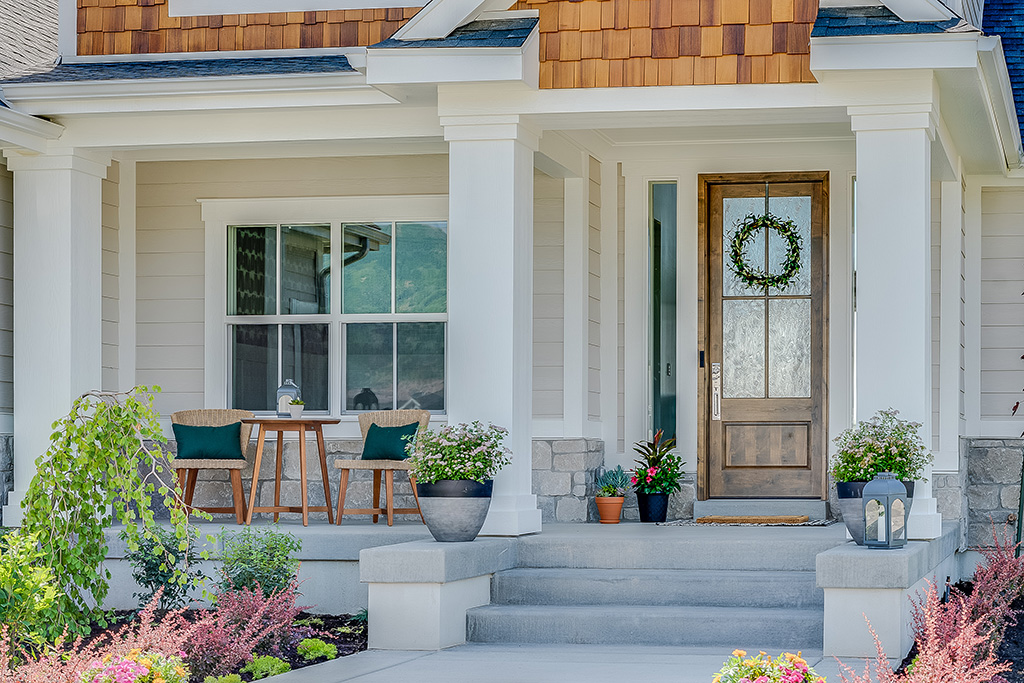
Perhaps the most typical examples of wasted potential, outdoor spaces like patios, front porches, and verandas rarely achieve their intended uses. Rather than decorated for lounging in the fresh air, they’re often kept sparse and untidy or are simply ignored. Whether you use your outdoor spaces every day or rarely intend to step foot on them at all, dedicate some time and effort to sprucing them up. At the very least, some visual interest outdoors will make for pleasant views from the comfort of your living room.
Design outdoor square footage according to the same design principles of indoor decorating, but substitute with weather-resistant materials. For example, you could decorate your patio with a pair of rattan chairs and an iron bench, placing a stone cocktail table in the center and laying a jute rug for cohesiveness. Add in some colorful potted plants and pillows as accents, and suddenly a blank patio becomes a tempting relaxation zone just steps away from your door.
You don’t need to relegate these rooms as dank spaces you ignore or even avoid. Instead, revive this valuable square footage with practical and stylish elements. There are plenty of design opportunities to explore—basements and attics are basically sandboxes with near-endless possibilities. Consider what’s unfulfilling about your home (in terms of living space, that is), then decide how to finish and decorate these areas to meet that need.
Among your many options, you could design a craft center in a finished attic for hobbies like watercolor painting or repairing furniture, build a home gym in your basement, or create an extra living space for hosting special events like viewing parties and game nights. A spare room is also the perfect place to decorate with elements that may be too relaxed for your primary living space, including lounge seating, movie posters, a cabinet of souvenirs, and other possessions you’re especially fond of.
Posh design principles have rendered most formal dining areas stiff-backed and proper, making it difficult to enjoy a meal comfortably in there. If you followed the once-popular home trend of appointing two distinct dining spaces—one informal spot likely called the “breakfast nook” and a separate, formal dining room detached from the kitchen—you might find yourself using the relaxed one far more often.
So what can you do with the formal room instead? Repurpose it into something more useful to you! Transform it into a cozy reading lounge, designate it as a music room, or set up a home bar with ample seating for hosting company. If you would still like to have a formal dining area, at least swap out your luxurious furniture for something more enticing, such as banquet seating or a bar-height table with stools.
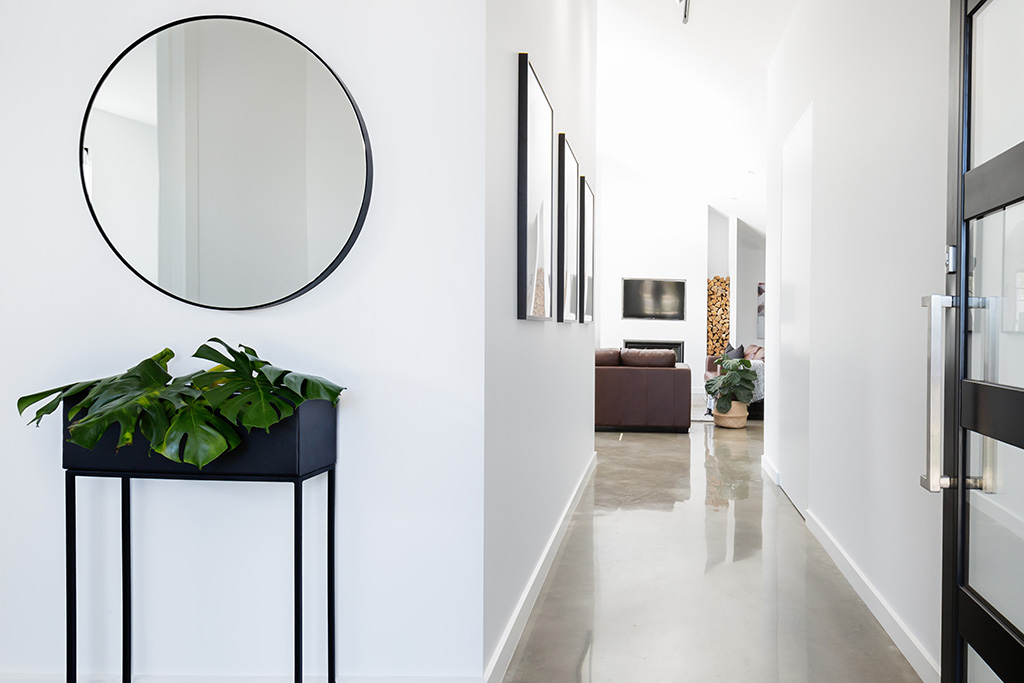
These humble passages between rooms deserve better than to be walked through without a second thought. Remember, good design means balancing both beauty and function, and hallways are no exception. Transform a blank corridor into a beautifully curated home gallery by hanging wall art that will wow your guests, including antique pieces, family photos, and new acquisitions. And if you have a wide enough corridor for idling, place a small accent chair or bench against one wall.
Extra space between rooms can be especially difficult to design. Perhaps you have a wide breezeway between your kitchen island and family room, an awkward landing near or on a staircase, or a particularly large foyer. While it may be tempting to stuff meaningless decor in these spots to shun the emptiness, you can actually elevate these too-small-yet-too-large spaces, taking them from ignored to enjoyable.
Consider the quaint charm of a corner reading nook. All you need is a chair, a proportional end table, and a light fixture. Take a seat in the nook with your favorite beverage and a book or tablet, then let time slip away.
When all else fails, extra storage space is always a blessing. You can fill unused spaces with elegant storage furniture like an armoire or credenza, display treasured goods in a dedicated curio cabinet, or roll in a bar cart and stock it with the appropriate wares.
Transform empty rooms into finished abodes to take advantage of their profit-making potential. An unoccupied bedroom or unfinished portion of your home could serve as a rental unit that pays back dividends. Consider renting out a single room at a daily rate, hosting a long-term tenant, or even turning a detached structure into an in-law suite. The latter isn’t only for aging relatives; it can also serve as a refuge for travelers and new arrivals alike.
Of course, there are some legal obstacles to undertake before you pop a “For Rent” sign on the door. Depending on where you live, these can include applying for the proper permits and installing features like a fire escape. For more information, discuss your rental-unit plans with a real estate agent. When you complete the requisite steps, a once underutilized room can start earning you extra money.
Congratulations on moving into your new home! This is an exciting time, and enjoying the space is likely your top priority. However, there are still several tasks you should address during the month after your move. So before kicking back and relaxing in your favorite chair, use this post-move-in checklist to help you settle into your new home.
It’s easy to feel overwhelmed when moving into a new space. Because there’s so much to do, you may not even know where to begin, let alone how to organize your things. A well-thought-out plan can help you stay focused and avoid unnecessary stress.
Unpack and inspect your belongings
One of your most important post-move tasks is changing your address to avoid any mailing or legal issues. Download the checklist at the end of the article to help you keep track of all the places you’ll need to notify.
During the month after moving into your new home, you should check that all systems are in working order. You can use your home inspection report to create a to-do list, repair checklist, and maintenance schedule to help you stay organized.
Service and clean appliances and systems
The safety of your family members is of the utmost importance. Therefore, you should take the necessary steps to ensure their protection immediately upon moving into your home.
Childproof your home
Test and check safety measures
Because there is a lot to do when you first move into your new home, you may overlook certain tasks. Use this list to identify any smaller items you still need to take care of.
Once the hard work is done, it’s time to enjoy the fruits of your labor. Consider hosting a housewarming party with your friends and family. And don’t forget to invite your neighbors—it’s the perfect opportunity to get to know them and learn about your new neighborhood.
Download the Change of Address Checklist PDF
One of the most enjoyable ways to celebrate Memorial Day is to throw an outdoor party at home with family and friends. If you need some fun party ideas, check out the suggestions below to make yours the best one ever.
Memorial Day is a time to celebrate freedom, so festoon your backyard with American flags, banners, and other patriotic decor, such as balloons, flower arrangements, plates, and cups. If you’re feeling creative, you could spray-paint stars on the grass in your yard (just use a light touch to avoid killing the grass), tie-dye cloth napkins red, white, and blue, or make festive paper medallions to hang from tree branches or use as centerpieces for your tables.
Unfortunately, not all your party guests will be welcome ones. Luckily, there are several effective tactics you can employ to keep those pesky bugs away. Cover dishes with netted food tents, and give guests pretty cupcake liners to place over their cups when they’re not sipping their drinks. You can also put a few fans out to literally blow bugs away. For an aromatic option, you could place DIY citronella insect torches or potted lavender on your deck or patio—both scents are a turnoff to bugs. Of course, some may get through anyway, so put out bottles of bug spray for your guests to help them avoid getting bitten.
Hamburgers and hot dogs are classic Memorial Day fare, so, depending on your crowd, be prepared to grill up a good amount of them during your party. Be sure to offer standard fixings like ketchup, mustard, sauerkraut, and pickles, but don’t be afraid to try fun options like pickled onions, kimchi, and grilled pineapple. For guests who’d prefer a lighter menu, you could also grill eggplant, portabella mushrooms, or veggie dogs and burgers or even make some delicious char-grilled fruit.
Your guests will appreciate a cool beverage to pair with their food, especially if it’s warm outside. Play up the red, white, and blue theme by serving glasses of patriotic-hued ice-cream soda or lemonade loaded with fresh strawberries and blueberries. For a vintage American feel, serve your drinks in Mason jars filled with ice to keep them cool all day long.
Blueberries, strawberries, and fresh cream can be combined to make all sorts of delicious treats in colorful renditions of the stars and stripes. For instance, topping cakes with these berries and cream is a simple way to make them patriotic. Other ways to inject American spirit into your desserts include creating red, white, and blue mini cupcakes, baking a berry American flag pie, or dipping pretzels into melted candy melts for colorful patriotic pretzel rods.
If you’re hosting a bigger bash, you might find it tricky to provide enough chairs for everyone. You could always ask your guests to bring their own seating or rent some folding chairs, or you could embrace the outdoor setting by spreading out a few picnic blankets—the kids might love sitting on them.
Summertime is a perfect opportunity to enjoy some light competition, so be sure to have games to play for your party. Fun options include a patriotic-themed bingo or trivia game, a water-balloon toss, and cornhole—you could use red, white, and blue balloons and beanbags at these games, respectively. If you don’t have a pool, give your guests a chance to cool off by providing sprinklers, water games, and mini blowup pools they can splash in.
To continue the fun after dark, hang string lights in the backyard and scatter lanterns filled with real candles or battery-operated ones. While you’re at it, you could also light your firepit, if you have one, for extra ambience and roasting marshmallows. You could even dye your marshmallows using food coloring, creating stripes by dipping one end of each marshmallow in blue and the other in red. To wind up your party, pass out colorful glow lights for everyone to wear and enjoy as you watch the stars come out together.