Welcome to the holiday season, a period known for its memorable family gatherings, heartwarming meals, and dazzling decor—as well as the avalanche of stress that can often come with planning all that. So why not make it your mission to breathe easy this time around? This issue of Start Healthy is packed with solutions that could take some effort out of the days ahead.
One of the most iconic elements of holiday decor is scent, whether you prefer fragrant pine, scintillating cinnamon, or sugary vanilla. However, many store-bought sprays and candles could do you more harm than good. Explore healthier ways to enjoy your favorite aroma, infusing your space with comforting vibes while avoiding the worrisome side effects.
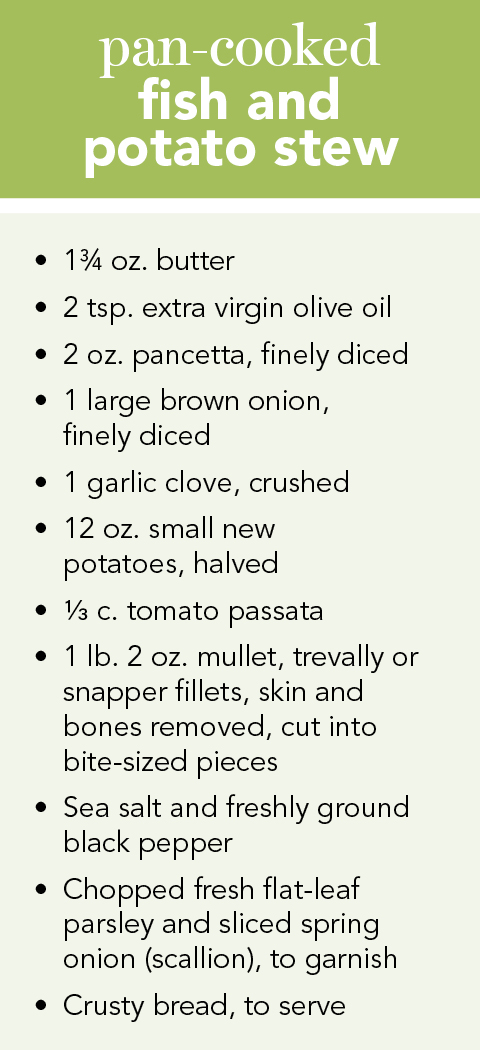
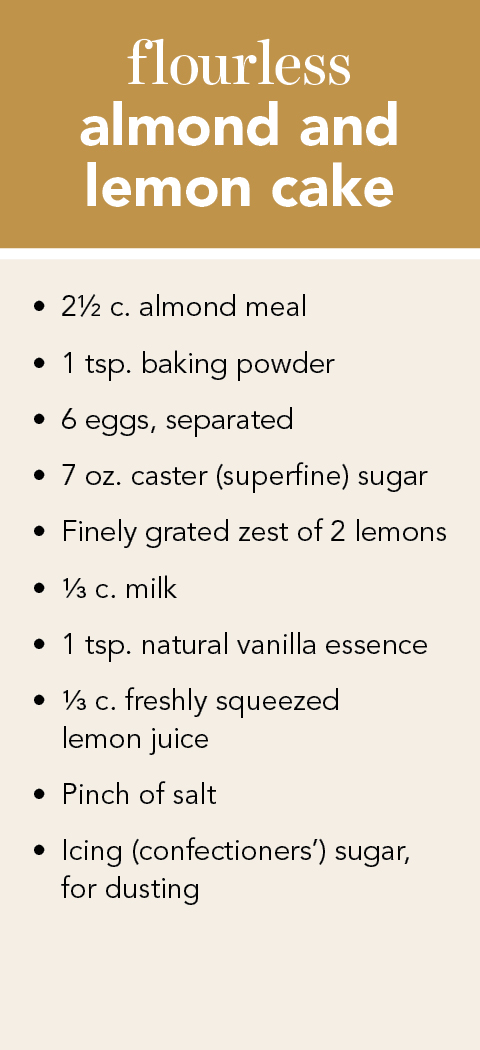
Another stressor that can creep up is the pressure to cook incredible feasts for your loved ones. To ease some of the burden, consider these two flavorful Italian recipes that are as easy to execute as they are to delight in. Prepare the pan-cooked fish and potato stew for an ultrasatisfying winter meal, then serve the flourless almond and lemon cake to wrap up the gathering in a delightful bow.
Of course, hunting down all the ingredients you need for said cooking could also make you sweat, especially with high grocery costs being an ongoing concern. Thankfully, you don’t need to resign yourself to paying unreasonable prices. The enclosed article offers tips for spending less on food shopping without sacrificing the essentials.
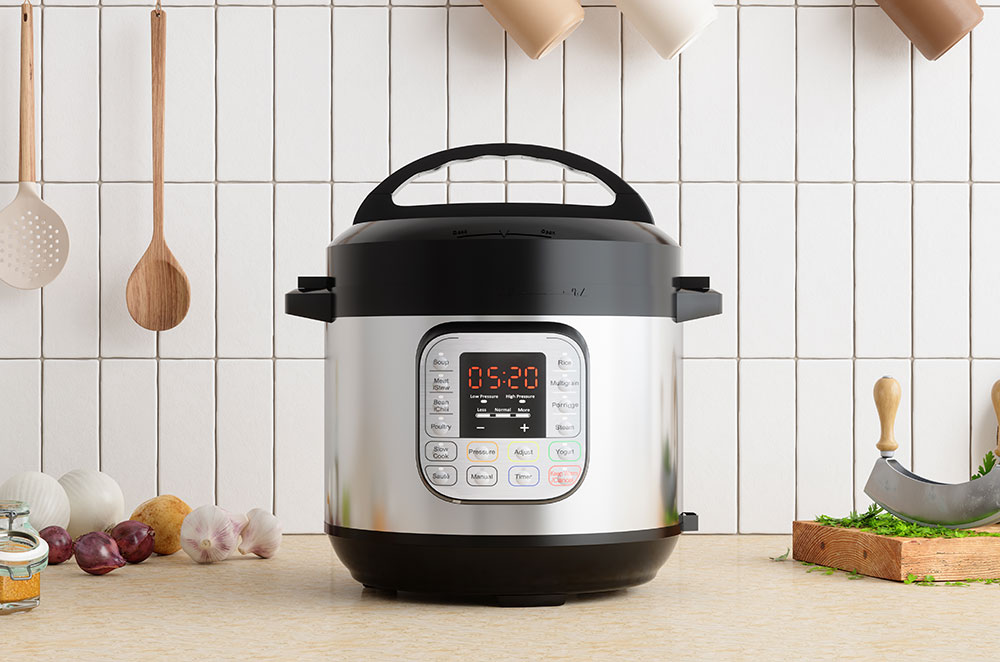
And don't overlook a surprisingly impactful tool you may already have sitting in your kitchen: your slow cooker. While this small appliance may seem unexciting, it can do wonders to simplify your meal prep, and it could even help you and your family achieve a healthier diet. (That’s another worry off your back!) Look inside to learn how.
Which steps will you take to say goodbye to holiday stress? As always, it’s a pleasure to send you this magazine.
The holiday season brings to mind enchanting aromas—think freshly baked cookies, spiced apple cider, and crisp evergreens. While store-bought fragrances and candles can quickly bring these delightful notes into your home, they may also increase indoor pollution and pose health risks, such as irritating your respiratory system. The good news is that there are plenty of other techniques you can use to infuse your spaces with wonderful natural scents and create a cozy atmosphere.
Is there anything better than the richness of a delicious meal filling the air as it cooks? You can get similar results with seasonal smells by simmering a potpourri of various ingredients in water, either in a large pot on the stove or in a slow cooker. The first step is to pick your combination of fruits, spices, and herbs. A classic option is orange slices, cinnamon sticks, and whole cloves, or you can go more woodsy with fresh pine needles, pear slices, and sprigs of rosemary. Aim for a ratio of one whole fruit per eight cups of water and the equivalent (or slightly less) of the other items, depending on how strong you want the pot to be.
When you’re ready to start, fill your cooking vessel three-quarters full with water, add your ingredients, and bring everything to a boil. Then reduce the heat to low, checking the pot occasionally and adding more water as needed; you’ll want to keep it at least half full to prevent scorching or a fire hazard. Maintain it carefully, and you’re sure to enjoy its comforting scent for hours on end.
Draping natural garlands in your home can lend not only a traditional touch but also a fresh, festive fragrance. For example, fir, pine, and spruce needles release woody notes that evoke the season’s warmth, making them perfect choices to use as decor. You can forage for branches in your backyard or ask for leftover boughs at a local evergreen lot—many give them away for free. Once you have enough, tie their lengths together with floral wire, wearing thick gloves to protect your hands from their sharp needles and sap. To get your ideal look, shape the edges with scissors and add decorative elements like holly leaves and berries. The finished creation will make for a beautiful focal point along a banister, fireplace mantel, or wherever else you prefer.
Another equally charming option is to create a decorative chain of dried oranges to perfume the air with a sweet, citrusy smell. To begin, slice the fruit no more than a quarter-inch thick—otherwise, they’ll take much longer to dehydrate. Place the slices on a baking sheet lined with parchment paper, and bake them in the oven at 200°F for about three hours or until they’re completely dry, flipping them every thirty minutes. Make sure to let them cool before working with them.
Next, cut several four-inch lengths of twine, enough for every slice, as well as a longer strand to attach them to. Poke a hole with a toothpick through the flesh just below the rind of each slice, thread a short piece of twine through it, and knot the ends. The last step is to tie them onto the longer twine, spacing them out evenly and as close together or far apart as you’d like. Hang your garland in a highly visible spot, such as across a doorway or draped around your Christmas tree, so friends and family can fully appreciate its fragrance and beauty.
Alternatively, you can use those dried oranges to make a holiday wreath for your door or wall—all you need is a hot-glue gun and a wooden or bamboo floral hoop. Start by applying a drop of the adhesive to the surface, then firmly press a slice on it. Continue adding more in the same fashion, allowing them to overlap slightly, until your form is totally covered. Finish by adding a festive ribbon at the top to serve as a hanger and offer an extra touch of decoration.
For a softer scent than citrus, consider utilizing natural branches of eucalyptus as your base instead, bending them around a circular wire frame and attaching them with twine or floral wire. Tuck in some bay leaves or rosemary sprigs for an herbal, woody note, and the end result will smell like the fresh air of a winter forest.
A bonus to any of these fragrant crafts is the opportunity they provide to spend quality time with loved ones putting them together. Try one this season, and it may turn into a wonderful tradition you’ll enjoy for years to come.
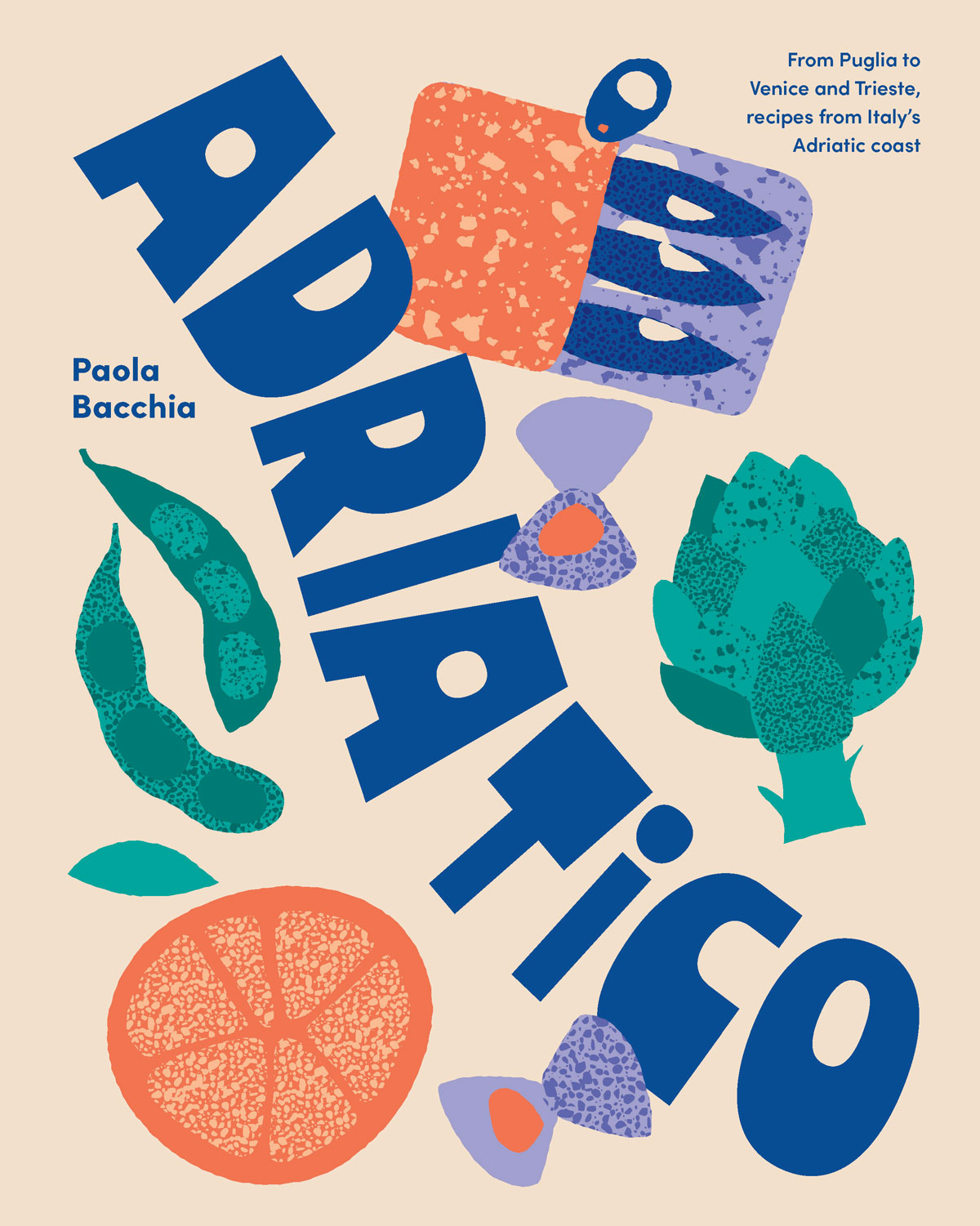
With its distinctly zesty, ripe, and comforting flavors, Italian cuisine certainly holds a special spot in the hearts of Americans. And, believe it or not, many of its central ingredients make it as healthy as it is satisfying. These creative recipes from the Adriatico cookbook prove it, offering dishes that feel excitingly fresh yet familiar at the same time.
Wow your family and friends with this spectacular one-pot dinner straight from northern Italy.
A time-honored treat takes on a delightful burst of fresh lemon for the perfect conclusion to your dinner.
Recipes excerpted from Adriatico by Paola Bacchia, published by Smith Street Books. Photography © Paola Bacchia.
recipe by paola bacchia
photos by paola bacchia
The marshy waters that run through the lowlands of Emilia–Romagna could be called ‘acque di mezzo’ (waters that lie between land and sea). They are home to varieties of seafood that can tolerate lower salt levels, such as squid, eel and mullet.
In his online recipe booklet Ricette di Cucina delle ‘Acque di Mezzo’ Sandro Bignami describes some of the dishes of the lowlands, combining elements of the land and the sea. This recipe is taken from the book, slightly tweaked. It’s one of those one-pot dishes that make cooking for a group so easy. Pancetta, onions and butter are slowly braised to make a well-seasoned base for baby potatoes and bites of tender fish. Serve from the pan at the table, adding a good sprinkling of parsley and spring onion at the end.
If you cannot find mullet, trevally or snapper makes a good substitute.
Serves 4
recipe by paola bacchia
photos by paola bacchia
This light, gluten-free cake can be loosely attributed to Zia Liliana, aunt of Signora Enrica from Otranto, in southern Puglia. I add extra lemon zest to my version, to give this flourless cake a real tangy hit.
Serves 8–10
For most households, grocery shopping is a weekly occasion—and also a growing source of stress thanks to high food costs. But while you can’t control price tags, you can adopt some clever shopping habits to mitigate the effect on your budget. Try these tips the next time you shop to help you save money without sacrificing the essentials.
Investing time in comparing costs and being extra attentive to sneaky sales tactics could pay off in several ways. For one, pricier products are often placed right at eye level for accessibility, leading speedy shoppers to grab them out of convenience. However, there may be items of equal quality at a lower cost even just one shelf below, making it worthwhile to take a pause.
In addition, some stores may post misleading or false price cuts, so every time you see a “SALE” or “SAVE” sticker, read its fine print before adding the product to your cart—another brand might give you more bang for your buck. And while wholesale shopping may be a rallying cry to save money, don’t take it as gospel; compare the weight-to-price ratio between, say, a family-sized box of cereal and two smaller ones to ensure that you’re actually spending less with the former.
You may have standby purchases you always make no matter what’s on the menu for the week, but it might be time to rethink certain ones if you’re eager to save money. Reader’s Digest reported that specific goods tend to experience extremely high markups, including bakery treats, precut produce, cereals, and bottled water. The latter alone may be about 3,000 percent pricier per gallon than tap water!
Instead of reflexively reaching for these items, swap to more affordable alternatives: packaged rather than fresh bread, whole produce, and oatmeal. As for water, install a simple home filtration system to dispense it right from the tap into a reusable bottle. And, of course, opt for store-label products whenever you can, which are typically priced lower than brand-name ones.
If you really want to save on groceries, think of some tasty ways to eat cheaper. For instance, consider jumping aboard the Meatless Monday trend by planning at least one vegetarian meal a week featuring a high-protein alternative like beans, mushrooms, or tofu—or all three! You’ll save on fresh meat costs while also keeping your family healthy and satiated.
Speaking of satisfying hunger, resist the urge to load your cart with options that lack nutritional value, including chips, pretzels, desserts, sodas, and alcoholic drinks. While these indulgences may be tempting, buying them ultimately means paying for empty calories that won’t nourish you or your loved ones.
One of the most powerful ways to achieve significant savings is to utilize grocery-shopping apps. A good example is Ibotta, a platform for earning cash-back rebates to help you save on big-ticket items like paper products and detergent. Alternatively, the Flipp app lets you stay on top of temporary deals at major grocery stores so you can nab the latest coupons—just remember to read the details of each offer closely.
Some grocery stores provide their own apps as well, which you can use to check prices and possibly clip exclusive coupons before you even pull into the parking lot. You could also download several options based on what’s in your neighborhood, allowing you to compare the costs of certain goods before you decide where to shop that week. Being married to one grocery store may seem convenient, but staying flexible based on price fluctuations can help you achieve significant savings on a regular basis.
It’s been said that time is our best friend and worst enemy, and that duality is clear in many aspects of everyday modern life, especially when it comes to food. Sustenance is so easily accessible in America that most people don’t even need to leave home to obtain it—a clear perk in a fast-paced world.
The downside of this convenience? Such items are usually rather unhealthy. So instead of thawing a frozen meal or placing a fast-food order, consider doing a 180 and taking the slow-cooking route. Already associated with a sense of coziness, this time-tested technique provides a surprising number of health benefits and more.
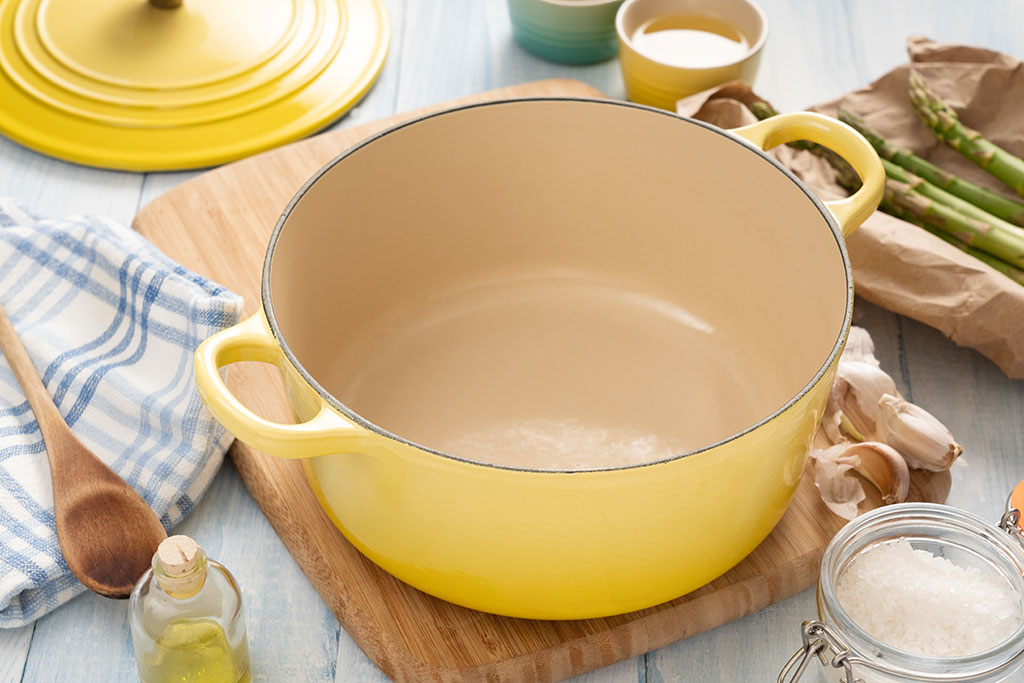
Technically, gradual cooking has been a method of choice virtually since Homo sapiens discovered fire. Recorded variations of it go back tens of thousands of years, and it spans many cultures worldwide. In more recent history, the Dutch oven emerged in the 1600s and quickly spread across Europe, gaining its now-ubiquitous moniker in 1707.
For centuries, that was the primary slow-cooking tool for most home chefs until the invention of the Crock-Pot, an electric version that exploded onto the culinary scene in 1971 and soon became a must-have in American homes. Today, that mantle is now shared by the Swiss Army knife of the kitchen, the Instant Pot.
The primary lure of this process has always been its convenience. When you slow cook, the only real effort required on your part is prepping the ingredients. You can then let the device do the bulk of the work over several hours—no need to constantly watch over your culinary masterpiece or have any special knowledge of complicated techniques.
In comparison to its ease, the method’s nutritional benefits have largely been undervalued, yet they are as plentiful as the ingredients typically put in the pot. First off, perhaps more than any other form of meal prep, you control the components you include. Are you looking to cut down on salt? You can choose to add just a pinch. Seeking to avoid the fat often necessitated when using a pan? Slow cooking requires only minimal oil and the like.
But that’s not all. This process also naturally retains foods’ nutrients more effectively than other methods while tenderizing tougher meats and softening root vegetables, which can help you digest them better. As a final bonus, slow cooking can get the veggie-adverse eaters in your home to eat healthier since sitting in the pot for hours infuses such produce with the other ingredients’ hearty flavors.
The pluses don’t end with your physical health, however. For instance, consider the time factor: without having to spend hours in the kitchen, you can enjoy relaxing activities or tackle essential tasks with less stress. In addition, slow cooking offers a rare opportunity in the twenty-first century to both practice patience and indulge in the art of savoring a meal. And since it’s generally considered to be a steady, more efficient type of cookery, it can potentially save you money on electricity—especially since it encourages batch cooking, where you make a meal that can be stored and eaten over several days.
Slow cooking has survived eons for a reason. Around the world, people have long recognized that when you take your time with your food, your health is likely to benefit. So pull out your Dutch oven, Crock-Pot, or Instant Pot, and give yourself and your loved ones the gift of leisurely prepared dishes this month and all through winter.