Welcome to a new edition of Start Healthy magazine! This issue is packed with fun ideas and fascinating insights that are all designed to help you live better and feel happier. Whether you lace up your boots for a breathtaking nature excursion, dig into a delicious, healthy meal, or take an easy approach to health-care enrollment, you’ll find impactful ways to transform your season.
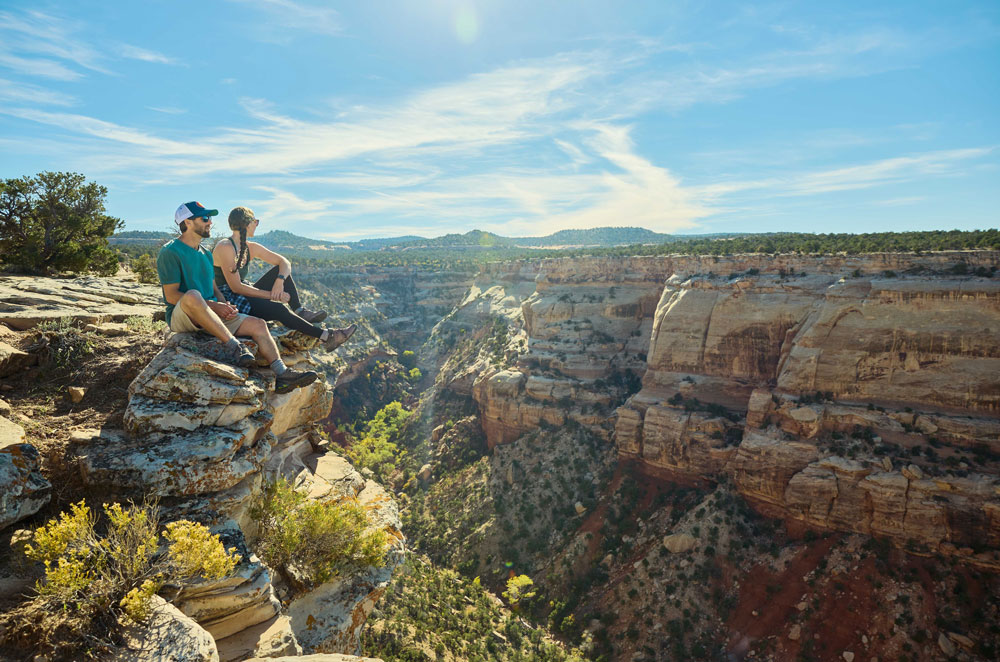
Colorado is a state practically synonymous with adventure thanks to its numerous state parks, high peaks, sandy dunes, and more. And what better time to visit than for its 150th birthday! Inside, take a look at what’s in store for the festivities and some of the many top stops where you can get active.
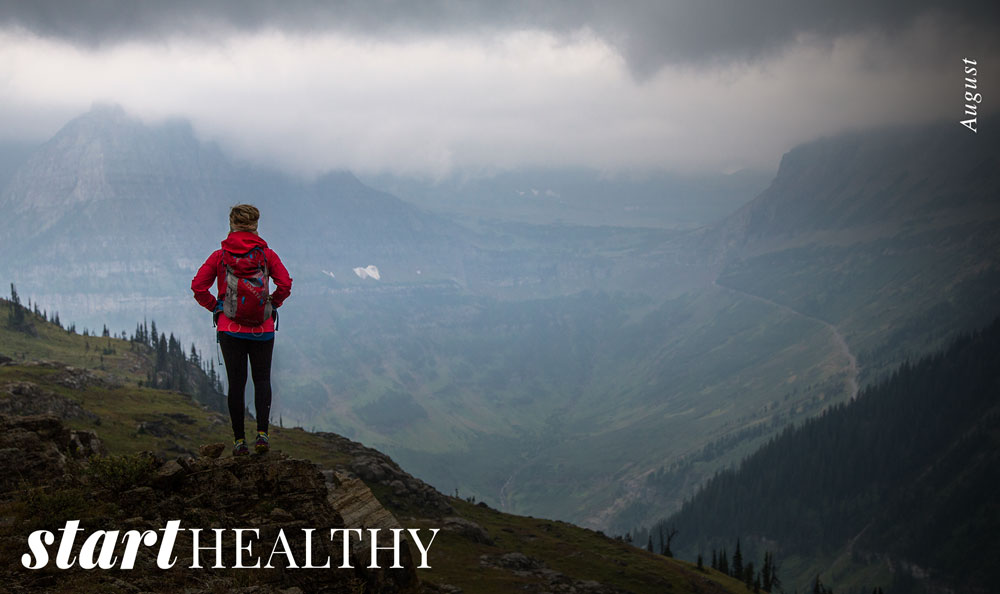
Next, get to know some other hot spots for Mother Nature’s beauty, including Glacier and Yosemite National Parks. From simple strolls to challenging treks across exceptional scenery, these sites invite you to go outdoors and make memories.
To spark even more health ideas, turn to the enclosed recipes in this month’s issue. Try two eats from a Greek-inspired cookbook, each of which centers on fresh Mediterranean ingredients that maximize both health and flavor. The delectable chicken wings and traditional biscuits prove that delicious and nutritious really can overlap.
Finally, take the stress out of a typically confusing process: enrolling in health care. If you’re a senior or qualified exception, you can sign up for coverage then customize it to suit your unique needs. So where do you start? Dive into the enclosed article, which breaks down important dates, coverage areas, and other need-to-know details.
How will this issue help you to rethink what it means to live well? As always, it’s a pleasure to send you this magazine.
For months, we’ve all heard about America turning 250, and rightfully so—it’s a big moment in our country’s history. But there’s another notable milestone being feted this year on the state level: Colorado is 150 years old as of August 1. Get caught up in the fun by learning about the state’s origins, discovering how it’s celebrating its sesquicentennial, and getting a glimpse of what you can do here to enjoy the great outdoors.
Long before settlers visited this area—as far back as 13,000 BC—American Indians occupied it. Europeans first arrived in the sixteenth century, and by the 1800s, the fledgling United States of America obtained the land that would become Colorado (i.e., “colored red” in Spanish) in three different deals. Interest skyrocketed once gold was discovered here in 1858. Thanks to the famous Pikes Peak Gold Rush, scores of people settled in these lands, resulting in the Territory of Colorado being declared three years later. On August 1, 1876, Colorado became America’s thirty-eighth state.
With a theme of “The View from Here,” the state is going all out to celebrate turning 150, providing a seemingly endless array of opportunities for both residents and visitors to take part in the excitement all year long. From concerts, festivals, and light shows to history exhibits and educational programs, it’s easy to get lost in Colorado’s unique vibe, learn about its storied history, and have fun. Here’s a mere sample of what’s on tap:
History Where It Happened
This is an official statewide effort to renovate, update, and add 150 historic markers for even more educational enlightenment and enjoyment.
Statewide Oral History: A Portrait of Colorado at 150
This feast for history buffs highlights more than 150 stories from across Colorado via oral histories.
American History Marquee Exhibition: Moments That Made US
Through October 18, this History Colorado Center exhibit in Denver will showcase dozens of unique artifacts, including Ancient Puebloan ceramics, George Washington’s spurs, and moon rocks gathered during Apollo 11.
Drone Shows: Stories in the Sky
For a modern form of merriment, look to the skies: dozens of dazzling drone shows are scheduled across the state the rest of the year.
Digital Passport Program: Journey Through Colorado
A fun, convenient way to take it all in is through the tourism bureau’s Digital Passport program. Available on colorado.com, this tool provides free passports—from a summertime passport to an arts and culture one—making it easy to explore all the state has to offer. For example, load the aforementioned seasonal pass onto your phone, and you’ll access dozens of suggestions for popular attractions, hidden gems, restaurants, hotels, and more. Just as exciting, your passport allows you to “check in” at various places to accumulate rewards, badges, and exclusive offers.
Although 2026 is certainly a special year in Colorado’s history, the Centennial State is an amazing place to visit any time of year. It goes without saying that it’s a skiing mecca; people flock here from around the globe to whoosh down the slopes of places like Aspen, Vail, and Breckenridge in winter. But there are ample outdoor activities to enjoy year-round. For example, the state is home to a whopping fifty-eight peaks scaling over 14,000 feet, affectionately known as the 14ers. Whether you’re an experienced climber seeking a challenge or a lounger who prefers to lie back and enjoy the many majestic mountain views, there’s nowhere else like Colorado.
For a more grounded experience, you can visit any of its four national parks and eleven national forests, including, of course, Rocky Mountain National Park. Not to be undone, in central Colorado, you’ll find the wonder known as Great Sand Dunes National Park and Preserve, where you can wander through, backpack across, or even sled down the famous sandy crests. In all, the state has 39,000 miles of hiking trails, including being part of the Continental Divide National Scenic Trail, a 3,100-mile roadway that passes through the Rockies while connecting Canada and Mexico.
If walking through history is more suited to your tastes, you won’t run out of places to consider, no matter where you are in the state. In the south, for instance, is Mesa Verde National Park, the largest archeological preserve in the country; its cliff-dwelling tours allow you to witness centuries-old American Indian dwellings. You can also walk through Old West ghost towns such as Teller City and Saint Elmo to imagine what life was like in Colorado’s infancy.
Of course, you can’t have a summer vacation without some water fun, and Colorado certainly obliges. Whether you’re experiencing the thrill of rafting down the Arkansas River or whiling away an afternoon fly-fishing in one of the state’s many creeks, there’s something for every pace. You can even relax after a fun day of adventure by basking in the world’s largest mineral hot springs pool in Glenwood Springs, located to the west.
The adventure here doesn’t fade with the sun, though, since the state is home to nineteen Certified Dark Sky Places, where you can gain unfettered access to a sea of stars and even the Milky Way across a wide expanse of night sky. Being one of the most prominent stargazing states in the country, you can easily travel to one within ninety minutes, especially since most sites are within its national parks and monuments and its state parks.
From east to west, Colorado has everything you’d want for a summer excursion—and the state’s omnipresent 150-year celebrations this year only serve to amplify the sense of excitement and adventure. Whether you travel here to celebrate the landmark occasion, indulge in outdoor adventures, lose yourself in history, or all of the above, you’ll find yourself mesmerized by this place that features the best of modern-day living while showing reverence to the past.
For more info, visit colorado.com or am250co150.org
The United States lays claim to an incredible array of landscapes, and stretching across them are some of the most beautiful yet beguiling hiking paths in the world. These four examples include notable destinations that any nature lover simply shouldn’t miss—from tenderfoot trails to high-adrenaline treks that test the fittest athlete.
Frozen expanses, glittering lakes, and rugged mountains await you in the “crown of the continent,” a setting that beckons you with over seven hundred miles of trails. One of the simplest is a serene boardwalk stroll through the Trail of the Cedars, a 0.7-mile loop where you can explore ancient forests and witness water rushing through a rocky gorge.
For a more challenging experience, try the famous Highline Trail. This spectacular footpath across an arête (a sharp-crested ridge) may be most famous for its Garden Wall section, a narrow ledge adorned with summer wildflowers above a steep valley. Should you be brave enough to dare the approximately seven-hour hike, Glacier National Park will reward you with unmatched views of majestic peaks and glaciers in all their glory.
This desert wonder is spectacular to behold even from its visitor center, but several hiking trails take you within closer view of its ribboned stone walls and down to the Colorado River weaving through its depths. For a beginner trail, stroll from South Kaibab to Ooh Aah Point for almost two miles of awe-inspiring panoramic views.
But the rim-to-rim hike tempts the bold to partake in a monumental challenge: coursing from one side of the Grand Canyon to the other and back in a multiday tour. The immense scale of its geography, extreme elevation changes, and desert heat (even in fall conditions) make this a physically demanding adventure. However, your reward is an approximately fifty-mile round-trip showcase of exclusive campgrounds, waterfall vistas, green oases, and more.
Visitors to this sunny and beachy state may be surprised to learn that one of its most famous parks is laden with dense forests, serene lakes, and even a pair of glaciers. Beginners can gain an overview of Yosemite’s majestic landscape with a stroll down Cook’s Meadow Loop, a paved trail that starts at the visitor center and captures views of some of the park’s greatest marvels, including Yosemite Falls and Glacier Point.
If you have the grit to climb higher, then the strenuous Half Dome hike is for you. It leads you 8,800 feet above sea level to scale the iconic eponymous mountain—an approximately twelve-hour feat. The route’s final ascent involves a hair-raising climb up a sheer granite face along a series of cables for an experience that culminates with stunning views of virtually the entire park.
While its name may evoke images of magnificent peaks, this area is also known for its unrivaled fall foliage. Tour the forest from one of its pathways, including a brief jaunt along the top of the Cannon Mountain Short Trail, which you can reach via its tram for a shortcut then stroll along the trailhead. Or you can take a rigorous upward hike on your own on Kinsman Ridge or Hi-Cannon Trail and celebrate reaching its apex on your own. From there, you can spot multiple states and even Canada.
The toughest challenge of all here is the Presidential Traverse, a mountainous multiday hike that climaxes in the ultimate challenge: scaling the foreboding Mount Washington. This precipice is riddled with some of the most severe weather in the world, and bearing potential hurricane-force winds, fickle rainstorms, and sudden snowfall head-on is a true test of endurance and preparation. But its prize panoramas and the pride of completing it are rewards you will treasure for a lifetime.
*Be sure to consult with your doctor before embarking on your nature excursion.
Greece, like many Mediterranean cultures, is famous for its array of healthy foods. After all, this region’s rich soil and temperate climate combine to create a myriad of delightful fruits, vegetables, and other nutritious ingredients. Two recipes featured here showcase the best flavors that this prized nation has to offer, including a saucy meat entrée and a perfectly tangy dessert.
A unique spice mixture and a touch of sweetness combine for perfectly balanced bites.
Lightly sweet and bursting with flavor, this traditional dessert is a must-try.
Recipes from OPA! Recipes inspired by Greek Tavernas by Helena and Vikki Moursellas. Smith Street Books, 2025. Photography © Bonnie Coume.
recipe by helena and vikki moursellas
photos by bonnie coume
Our Aunt Christine has a real love of preparing chicken wings for her family; it’s her signature dish. She combines the sweetness of Greek honey with the tanginess of galotyri cheese, which works so well together that we’ve used this magic combination in our chicken wings as well. Here we’ve paired them with a green pepper herby oil that has become a bit of a favourite for us.
In our cookbook Peináo, we served the green pepper herby oil with a potato salad. It’s also perfect with lamb and chicken, so we just had to share the recipe with you.
Feeds 4 to 6
A NOTE ON PREP
The chicken wings can be marinated in the fridge the day before, just bring them out an hour before cooking. The green pepper herby oil can be made several hours ahead and kept covered at room temperature.
recipe by helena and vikki moursellas
photos by bonnie coume
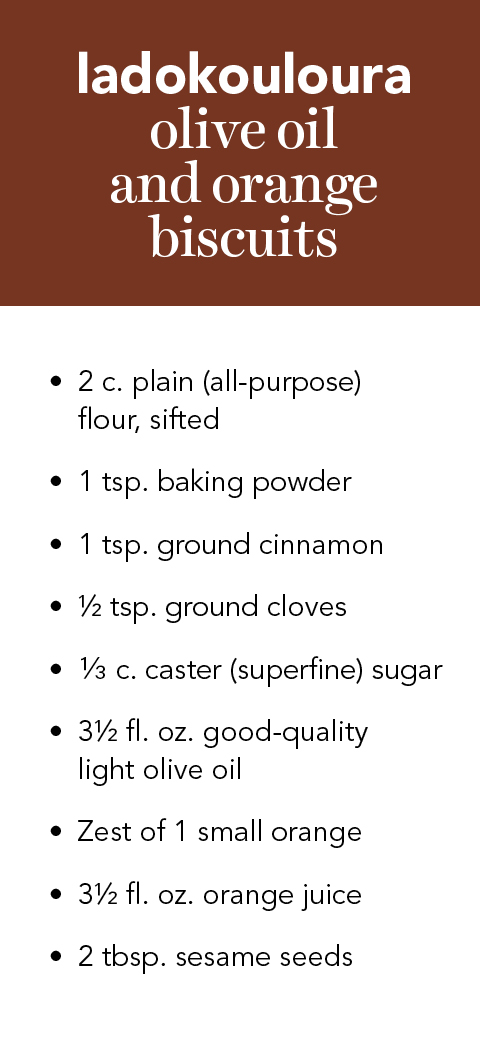
There are a bunch of Greek products we always pack in our suitcases to bring back to Australia when departing Greece. This is one of them. ‘Ladokouloura’ translates as ‘olive oil cookies’, and are mostly eaten during Lent. Made using good-quality olive oil, ground cinnamon and cloves and freshly squeezed orange juice, they are the perfect dipping biscuit for Greek coffee, especially in the morning, as these cookies are not too sweet.
We use light olive oil instead of extra virgin olive oil here, otherwise the flavour can be overpowering.
Makes about 20
A NOTE ON PREP
The biscuits can be made the day before serving and will keep in a large airtight container in the pantry for 5–7 days.
Turning sixty-five can be a major milestone that, for many, offers more time to spend with family, the freedom to focus on hobbies, and even the chance to travel to new destinations. But, for many people, it also brings an important responsibility: signing up for Medicare. Due to the various deadlines and numerous plans available, though, the process can seem confusing at first glance. This guide helps break it down, making it much easier to understand.
Medicare is the federal health insurance program designed primarily for people sixty-five and older, though it also covers certain younger individuals with disabilities. Think of it as a way to ensure that you have consistent coverage during a stage of life when health care often becomes more important. It is divided into several parts, each serving a different purpose.
Part A (hospital insurance)
This helps pay for hospital and nursing facility stays, hospice care, and some home health care. In addition, most people don’t pay a premium if they or their spouse paid Medicare taxes for at least ten years. (You can confirm by checking your pay stubs or via the Social Security Administration.) However, there is a $1,736 deductible per hospital admission per benefit period and possible copays for extended stays at both hospitals and skilled nursing facilities.
Part B (medical insurance)
Part B helps cover outpatient care, doctor visits, most preventive services, and durable medical equipment such as wheelchairs. This version requires a monthly premium (starting at $202.90, though it’s based on income) and has a $283 annual deductible. After that, Medicare generally covers 80 percent of approved services. Together, Parts A and B form what’s known as Original Medicare, the primary benefit of which is being able to see any provider that accepts Medicare.
Part C (aka Medicare Advantage)
Offered by private insurers approved by Medicare, these plans bundle Parts A and B and often include added benefits like fitness programs, vision, dental, and prescription drugs. Costs and coverage vary, and many have annual out-of-pocket maximums. However, your list of available providers may be more limited than Original Medicare, and you may need referrals for specialists and approval for certain services and supplies.
Part D (prescription drug coverage)
Finally, Part D helps cover the cost of prescription medications and is available from private insurance companies. Each plan has a formulary that lists covered drugs, and you can expect a separate premium, deductible, and copay.
Medigap (supplemental insurance)
This is an additional insurance plan you can purchase to help cover costs not paid by Original Medicare, such as deductibles and copays. It is sold by private insurers and is only available to those enrolled in Original Medicare, not Medicare Part C.
Timing is critical when it comes to enrolling in Medicare. Your Initial Enrollment Period (IEP) spans seven months: three months before your sixty-fifth birthday, your birthday month, and three months after. Missing this window could mean waiting until the General Enrollment Period from January 1 to March 31 and facing late penalties added to your monthly premium.
However, there are a few situations where you normally wouldn’t have to worry about your Initial Enrollment Period. For one, if you’re already receiving Social Security or Railroad Retirement benefits before age 65, you are usually automatically enrolled in Parts A and B. You may also qualify for a Special Enrollment Period that allows you to sign up later without any penalty. For example, if you’re still working and have employer-provided health insurance, you can delay enrollment and sign up once you retire.
Also, keep in mind that after you enroll, you can change your coverage during the Open Enrollment Period from October 15 to December 7, such as moving between Original Medicare and Medicare Advantage. Any adjustments will go into effect on January 1.
Before enrolling, you’ll need to carefully review your health-care needs and explore all the available plans. Doing the following can help you find the right plan:
When it comes to Medicare, it’s important that you don’t wait until the last minute to prepare. By taking time to review your options now, you can make a more confident decision and ensure that you have the health-care coverage you need during your golden years.
For more info, visit medicare.gov