March marks a welcome shift into longer days, warmer weather, and anticipated seasonal adventures. This issue of Good to Be Home reflects that exciting energy, including practical tips for protecting your property, stylish ways to refresh your interiors, easy recipes for entertaining, and guidance for planning your next getaway.
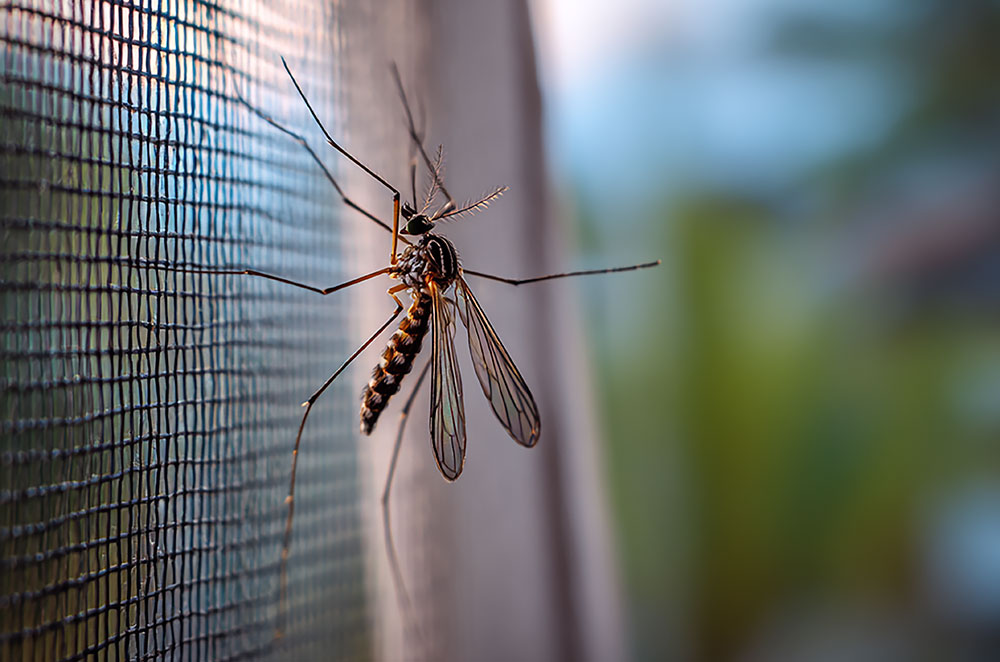
One major spring challenge often comes in the form of uninvited visitors: mosquitoes. This issue offers a range of strategies for keeping them at bay, such as eliminating a common breeding ground and cultivating fragrant, pest-repelling plants. You’ll also find advice on simple upgrades that can transform your home into a more comfortable and bug-free retreat.
If you’re looking to refresh your interiors, you’ll enjoy the included deep dive into the world of window coverings, which are as beneficial to your home as they are stylish and comforting. Whether you’re leaning toward elegant drapes, practical blinds, classically appealing shutters, or another treatment entirely, the feature breaks down the strengths of each option.
Entertaining can be a breeze when you have the right recipes. The enclosed article highlights two crowd-pleasing bites—a baked version of a takeout favorite and crispy vegetable fritters—each of which is simple to prepare and bursting with flavor. Perfect for spring gatherings, these dishes prove that ease and taste can go hand in hand.
For those dreaming of your next vacation, you’ll find a thoughtful comparison of hotels and home rentals to help guide your plans. From the comfort and privacy of a rental to the reliability and perks of a hotel stay, this piece outlines the pros and cons of each so you can choose the best fit for your travel style.
Here’s to an enjoyable month full of adventure! As always, it’s a pleasure to send you this magazine.
Like clockwork each spring, mosquitoes emerge from the darkness to continue their seemingly endless war against our communities, dooming us to slap our necks every time we step outside and scratch our reddened skin for days after. But you need not fear these purveyors of annoyance! Here are a few steps you can take to help keep them at bay, turning a potential swarm into a smaller, more manageable issue.
A good place to begin your quest is their literal breeding ground: your yard. Water nurtures mosquito eggs so well that in a mere eight days, these pests can mature from egg to bloodsucking adult. Don’t give them refuge—pour out any standing water from containers, add filtration features to fountains and ponds so the water doesn’t remain immobile, and examine your gutters to ensure that they drain sufficiently. Then put away clutter like stray buckets and close open trash bins to prevent them from forming puddles. You may also want to inspect your yard’s irrigation and drainage setup, contacting a landscaping service for assistance in eliminating any water-accumulation issues.
Mosquitoes are weak to more than just a firm slap; they’re also feeble flyers, so much so that a decent breeze can send them whirling away. But rather than hope for a windy day when entertaining, add fans to your outdoor gathering space, such as by installing one on your porch ceiling or placing floor models beside your seating. Flick these appliances on, and you’ll not only protect your guests from pests but also enjoy some cooling airflow.
One of the joys of the sunny seasons is the freedom to open your windows on a beautiful day—a perk that can also reduce air-conditioning costs and even improve indoor air quality. But before you do, inspect any bug screens for tears or holes, repair or replace them accordingly, and install new ones where they are missing. This is notably important in bathrooms and the kitchen, where it may be especially advantageous to let humidity out and some pleasant air in.
Did you know that some plants are actually natural deterrents? Dressing your garden with flowers and herbs such as marigolds, lavender, rosemary, and catnip can fill your yard with mosquito-repelling scents while also setting a beautifully vibrant and fragrant scene for you to enjoy (another good reason to pop open a window!). Just be sure that you nurture these protective plants properly. If you don’t apply mulch or soak them when watering, you can unintentionally create standing water that ends up doing you more harm than good.
As popular as bug zappers may be, these products only help mitigate the problem, not prevent it. If you’re seeking a truly impactful solution, you can’t go wrong with good old-fashioned sprays. Store-bought pesticides are certainly an effective option, but many of them also harm beneficial insects like butterflies and ladybugs. So to simultaneously keep out mosquitoes and protect other wildlife, combine about seven ounces of water, a splash of vodka (yes, really), and about two dozen drops of an essential oil such as lemongrass. Spray this mixture throughout your yard for a powerful deterrent that could turn mosquito season into a far more enjoyable one.
When it comes to designing your interiors, the finishing touches often bring everything together. Take window coverings, for example. These fixtures do more than block sunlight—they can also set the tone for a space, offer privacy, and even improve your home’s energy efficiency. But with so many types to choose from, picking the right one for each room can feel overwhelming. To help make the selection process easier, here’s a breakdown of popular window treatments and where you might want to use each one.
The most traditional and versatile options, these coverings come in an incredibly wide range of fabrics, colors, and patterns, instantly adding softness and style no matter which you select. Drapes and curtains are virtually the same, but there are two key differences between them—the former are lined and are generally thicker and heavier, characteristics that may lend a more formal or dramatic look.
Consider drapes for your bedroom, opting for ones in a heavy velvet; hang them at least four to six inches above your window, and ensure that they are long enough to touch the floor. On top of setting a cozy tone, they will provide more seclusion and block light for an optimal sleeping environment. Meanwhile, lighter, sheer curtains are a great choice for areas where you may want to let some natural light in while still maintaining a bit of privacy, such as living rooms and kitchens.
Blinds are a practical, low-maintenance choice for numerous areas in your home. Horizontal styles are appealing for bedrooms, offices, and kitchens, where you may frequently want to adjust the amount of natural light and privacy without having to deal with bulky drapes or curtains. However, they can be difficult to lower and raise on tall and wide windows, making vertical slats more ideal. Such blinds are also more suitable for sliding doors since they’re often on a track system and will move side to side with the door.
The possible materials to select from are plentiful, including wood, faux wood, vinyl, and aluminum, and be just as mindful of the hues. Blinds in neutral tones, for instance, can help a space feel clean and modern, especially when matched to your trim or wall color.
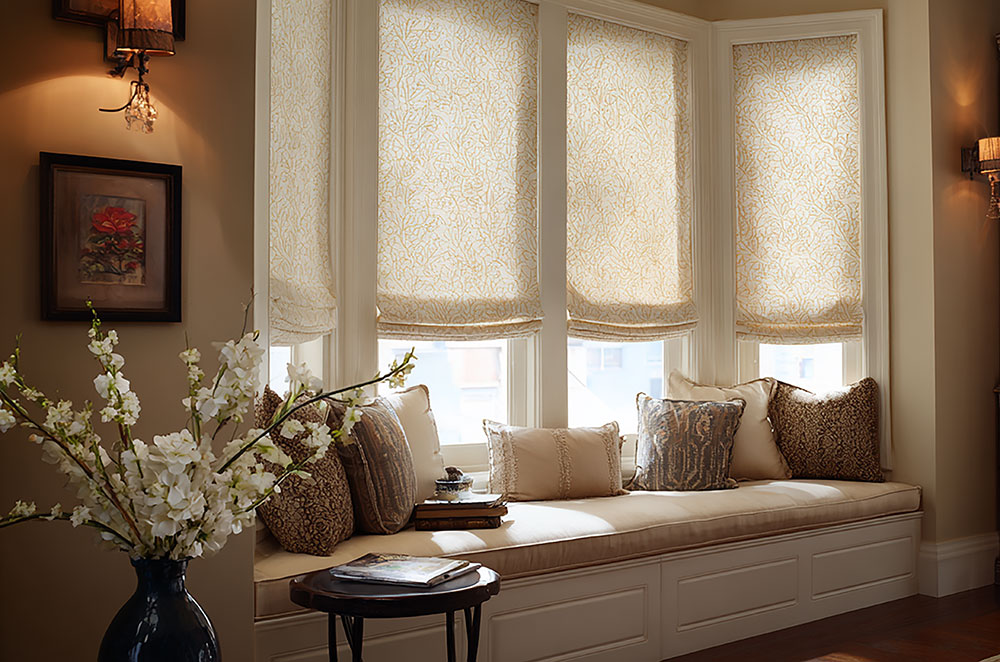
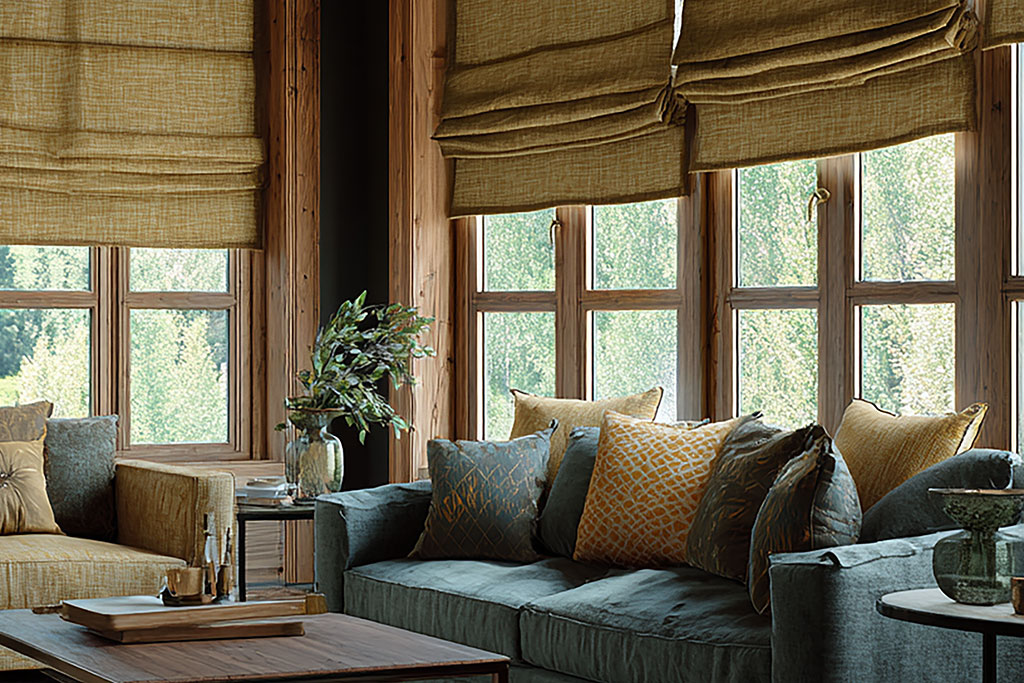
These fabric-based coverings roll, fold, or stack up when raised, providing a similar softness to curtains and drapes but the convenience of easier maneuverability and light filtering like blinds. These are the most popular types:
As permanent fixtures, interior shutters are often more expensive than other window coverings but are built to last. Even better, they can also increase the value of your home—in fact, according to This Old House, they have an estimated 75 percent return on investment. Plus, their wood or composite materials are incredibly easy to clean. Offering excellent light control, insulation, and privacy, shutters may work best in living rooms, bedrooms, and bathrooms, and their classic look fits both traditional and contemporary designs.
Sometimes the best solution is a combination of treatments. For instance, pairing sheer curtains with wood blinds in a bedroom gives you the ability to leave the blinds open for extra light but pull the curtains for some privacy during the day. Or try mounting Roman shades under velvet drapes for a comfy, multifaceted look in your living room or home office. Mixing styles in this way creates more elegance in spaces and gives you greater control than you’d otherwise have with just a singular option.
Whether you want to frame a view, block out the morning sun, or add texture to your space, the right window covering can elevate any room. Consider your needs for light, privacy, and style, and don’t be afraid to mix and match for a personalized touch that’s both beautiful and functional.
As the days grow longer and the weather warms up, people get more and more eager to resume having gatherings. Make your entertaining efforts easy with these recipes from the Tastemaker cookbook. They’re the perfect solution, offering delicious, crowd-pleasing bites that come together in a flash.
This spread transforms a classic appetizer into the ultimate party food that your guests are sure to love.
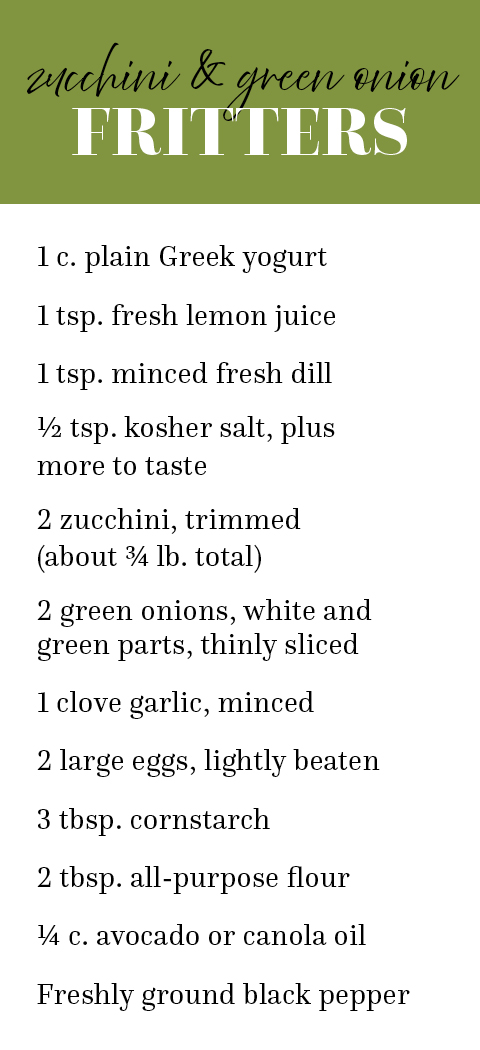
If you enjoy eating or serving crispy fried foods, then look no further! These veggie fritters make for a delicious snack or side.
Recipes from Tastemaker: Cooking with Spice, Style & Soul by Scot Louie. Weldon Owen, 2024. Photography by Biz Jones. Text © 2024 Scot Louie and Photography © Weldon Owen.
recipe by scot louie
photos by biz jones
With Chinese takeout being a New York staple, I adore a classic, crispy Crab Rangoon. As someone who loves to entertain and loves to save time even more, making this dip was the perfect balance of both. This dip is the ideal shareable appetizer and much more convenient than preparing twenty-five individual Crab Rangoons.
Makes 4–6 servings
recipe by scot louie
photos by biz jones
The trick to making these fritters good and guilt-free is using more eggs and less flour to bind them together. They are light and crispy on the outside and soft on the inside. They’re just incredible and taste delicious with a sprinkle of flaky salt and dill, or the cookbook’s Sun Dried Tomato Aioli.
Makes 3 servings
Believe it or not, we’re in prime vacation season—for booking, that is. Per data and analytics company YouGov, almost half of American travelers make their summer plans one to three months in advance of their trip, meaning that now is the time to act if you haven’t already.
Fortunately, between hotels and home rental companies like Vrbo and Airbnb, you have more options available than ever. The drawback, though, is that narrowing them down can be overwhelming. This guide breaks down the key pros and cons of each to help you make a more informed decision.
The longtime champion of this industry, hotels (plus motels, inns, and the like) still thrive today. According to a March 2025 survey by Deloitte, 80 percent of road warriors intended to stay in a hotel at least once during their summer travels—over three times more than those planning to rent a place.

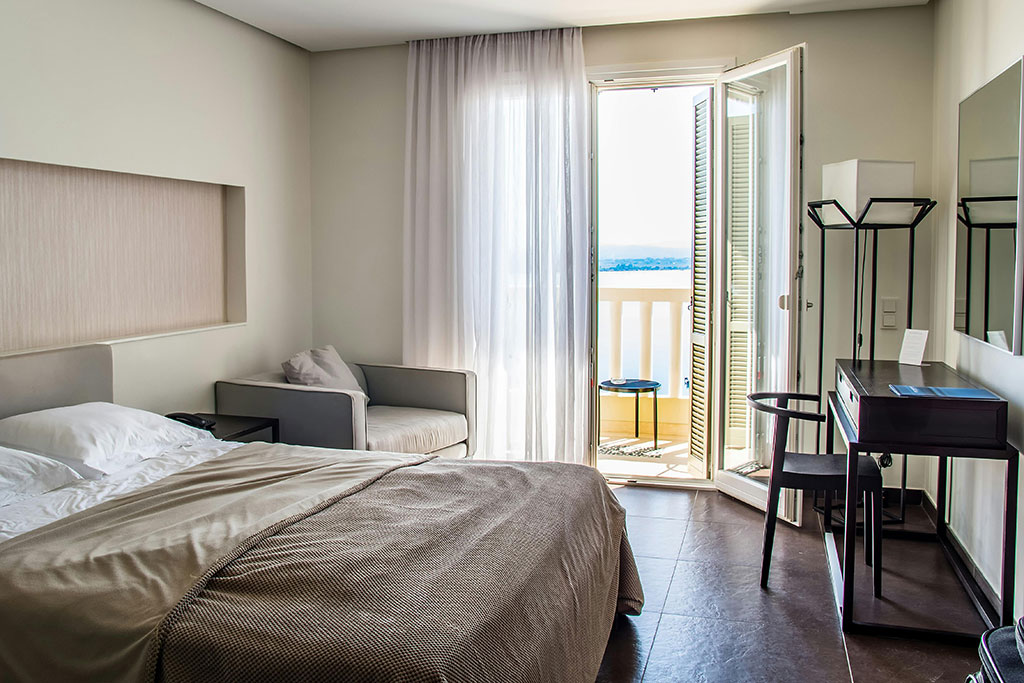
Positives
Familiarity
The saying “home away from home” epitomizes the hotel experience in a sense. Regardless of the city you’re visiting, you can be relatively certain of what your room, lobby, and even bedding will be like, especially if you frequent one chain.
Location
With this option, you’re usually staying in the heart of the action: in town and on or near a main thoroughfare. This makes it easy to see the sights and, if you’re flying to your destination, secure transportation. You’ll likely have multiple hotels to choose from in the area as well.
Freebies
Hotels draw you in with complimentary perks, primarily free breakfasts and pool access. In addition, many offer rewards programs, allowing you to accumulate points for free nights and more.
Negatives
Noise
Nothing is as frustrating on a getaway as neighbors thumping on your ceiling, loudly blaring the TV in the room next to you, or running down the hallway outside your door. Other hotel noise nuisances include being situated near the elevator or ice machine or close to a highway.
Upward mobility
Speaking of elevators, rooms on higher floors provide perks like great views, but the main downside is the length of the ride up and down. This is only amplified if you’re lugging, well, luggage.
Space
Even in the most luxurious of stays, you’re likely sharing a hotel room with your entourage, which can get a bit cramped. You may also feel crowded in frequently used areas like elevators, the main lobby, etc.
Home rentals have become an increasingly popular option for vacationers over the years. Though Airbnb stands out as the leader of the pack for many, it certainly isn’t alone, with Vrbo and even local brokers offering equally enticing accommodations.

Positives
Space
While hotels may flounder when it comes to space, rentals thrive. You’re usually getting an entire home or apartment with the latter, which equates to much more room (potentially even individual bedrooms and a yard), independence, quiet, and privacy. Another perk: a guaranteed parking spot near the front door.
Cost
Rentals were originally created as a cheaper option to hotels, and that’s often still the case. They can be especially cost-effective for large groups and longer stays (but less so for solo travelers and couples).
Comfort
Staying in a rental can almost feel like vacationing at home. For instance, you can cook your own meals and sleep in without room service knocking or neighbors waking you. And since these places are frequently embedded within local communities, you can enjoy a nice neighborly vibe. They also tend to be more pet friendly.
Negatives
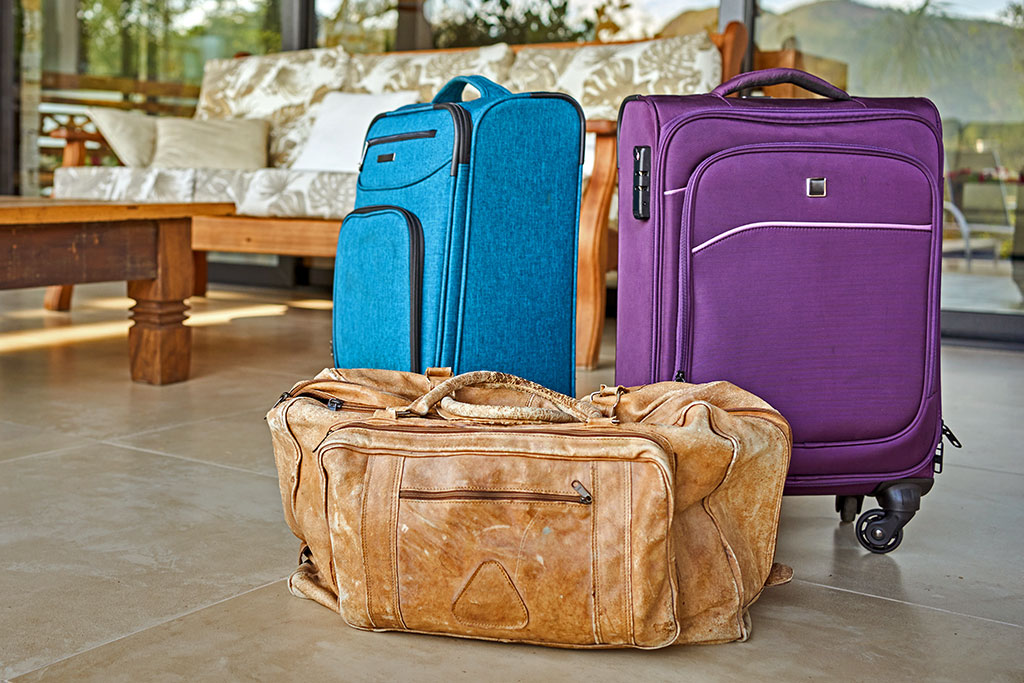
Availability
With rentals, you typically must book well in advance, and if you need to cancel, you may be required to do so weeks or months before your trip or risk losing significant money. Additionally, unlike hotels and their renowned responsiveness, rental owners may not be available at all hours if you need something.
Extra costs
The final bill may end up being much higher than the nightly rate due to cleaning fees and taxes, and you may be dinged for any damage. Plus, there’s a different type of associated cost: your own labor. After all, you need to clean up after you cook, make your own bed during your stay, and tidy up to the owner’s satisfaction before leaving.
Risk
One final downside about rentals is that there’s always a chance a listing’s photos are edited, leading to disappointment. In the same vein, a place off the beaten path may feature unwanted guests (bugs), while one in the woods could mean sharing your yard with wildlife. Always make sure to read reviews and ask the owner any questions before committing.

It’s been said that home is where the heart is, and that’s often true on a trip as well—a homey feeling can make all the difference to how much you enjoy the experience. By carefully considering the pros and cons of your options and doing thorough research, you can make the perfect decision to ensure that you enjoy your getaway to the fullest.