The new year brings with it the promise of fresh beginnings and exciting adventures, and this issue of American Lifestyle offers inspiration to help you make the most of your opportunities. Inside, you’ll find an exploration of ice-sculpting artistry, a travel destination perfect for escaping the chill, a pair of recipes to warm you up, and a breakdown of an invaluable weather and plant guide.
For a dose of winter magic, step into the arena of the World Ice Art Championships in Fairbanks, Alaska. The enclosed article provides a glimpse into this event, which brings together master carvers from across the globe to transform massive blocks of ice into shimmering works of art. It’s an awe-inspiring celebration of talent, dedication, and beauty.
If you're yearning for sun-drenched skies instead of snowflakes, then South Padre Island could be the place for you. Located off the coast of Texas, this gem features thirty-four miles of beach, warm gulf waters, and endless sunshine. Discover everything you need to plan your getaway, including a closer look at its lively activities and peaceful nature reserves.
Of course, nothing says winter quite like the comfort of a cozy meal at home. Consider the selected recipes from A Cookbook for Winter that are designed to warm both the body and soul. First, indulge in seasonal flavors with a roast squash and lentil salad, then enjoy a decadent chocolate dessert that’s sure to sweeten any chilly evening.
Rounding out the issue is a fascinating dive into The Old Farmer’s Almanac. Inside, editor in chief Carol Connare shares the publication’s rich history and enduring relevance, noting how it has adapted in the digital age. From its time-tested gardening advice and weather predictions to its unique blend of folklore, astronomy, and science, there's so much to gain from this valuable resource.
Here’s to a year filled with inspiration! As always, it’s a pleasure to send you this magazine.
Wintertime can inundate your home with snow, ice, or frigid winds, depending on where you reside. And while your first move may be to crank up the furnace, there are other cost-effective ways to keep chilly conditions at bay. Try these simple and impactful solutions throughout your abode, and you’ll stay cozy all season long.
Check these heater accessories for cleanliness, and replace them at least every two to three months or as the manufacturer advises; if they’re clogged, your furnace will have to work harder to circulate air. For whole-home efficiency, ask an HVAC technician to recommend cleaning times for your air registers, baseboard heaters, and radiators as well.
Similarly, objects obstructing your registers, such as furniture or boxes, can interfere with your heater’s ability to distribute warm air. Especially if you’ve redecorated recently, go room to room to ensure that nothing is blocking the flow of heat through any of them.
Adding this tool equips you to generate only as much heat as you need, potentially lowering your energy bills. For instance, you can set automatic schedules based on the time of day, creating more warmth when you’re awake and reducing it while you’re asleep or out of the house. In fact, adjusting your thermostat 7–10 degrees lower than its normal temperature setting for eight hours daily can help you save up to 10 percent annually on your electric costs.
There’s a chance your water heater is overworking when you run your shower, dishwasher, or washing machine. The general recommended setting is 120 degrees, but to save money, consider turning the appliance down 5 to 10 degrees, testing it until you reach a temperature you can be satisfied with.
While using a fireplace is a simple and satisfying way to get warm, its chimney can also allow heat to escape through it. Always shut the flue when your fireplace is not in use to prevent air transfer, only opening it right before lighting the hearth again. You can purchase a fireplace plug if necessary to create a stronger seal.
Does a pesky draft seem to seep from beneath your exterior or basement door? Laying door snakes may help put a stop to this. You can find these weighted fabric tubes at many major retailers or search for a guide online to making your own. And for a more permanent solution to door and window drafts, seal any gaps around the frames using weather stripping or caulk.
Swapping thin curtains or drapes with thicker alternatives can preserve warm air inside your house and keep chilly outdoor air out; look for thermal options that are designed to provide insulation. However, you should open any treatments on bright days, especially those on south-facing windows, to invite sunlight into your rooms. Just make sure to close them at night to minimize heat loss.
Finally, don’t overlook the impact of creating a cozy lounging atmosphere. If you have rooms with cold hardwood, ceramic tile, or laminate flooring, laying rugs will add a soft cushion to help keep your feet warm. And blankets, duvets, thick clothing, and slippers are perfect for warding off the chill—especially if you join a loved one for a heartwarming cuddle session. While this can’t overcome subzero temperatures, you’d be surprised by how effective layering can be at alleviating cool winter nights and keeping your heating use in check.
With the holiday season officially in the rearview, winter may begin to feel like a slog with its chilly temperatures and shorter days. To battle these blues, turn to a timeless solution that feels like a warm hug: comfort food. These recipes from A Cookbook for Winter will inspire you to simply enjoy your next bite rather than pine for the months ahead.
You’ll never see salad the same way once you try this blend of ingredients, including squash, beets, onions, and a variety of flavorful herbs.
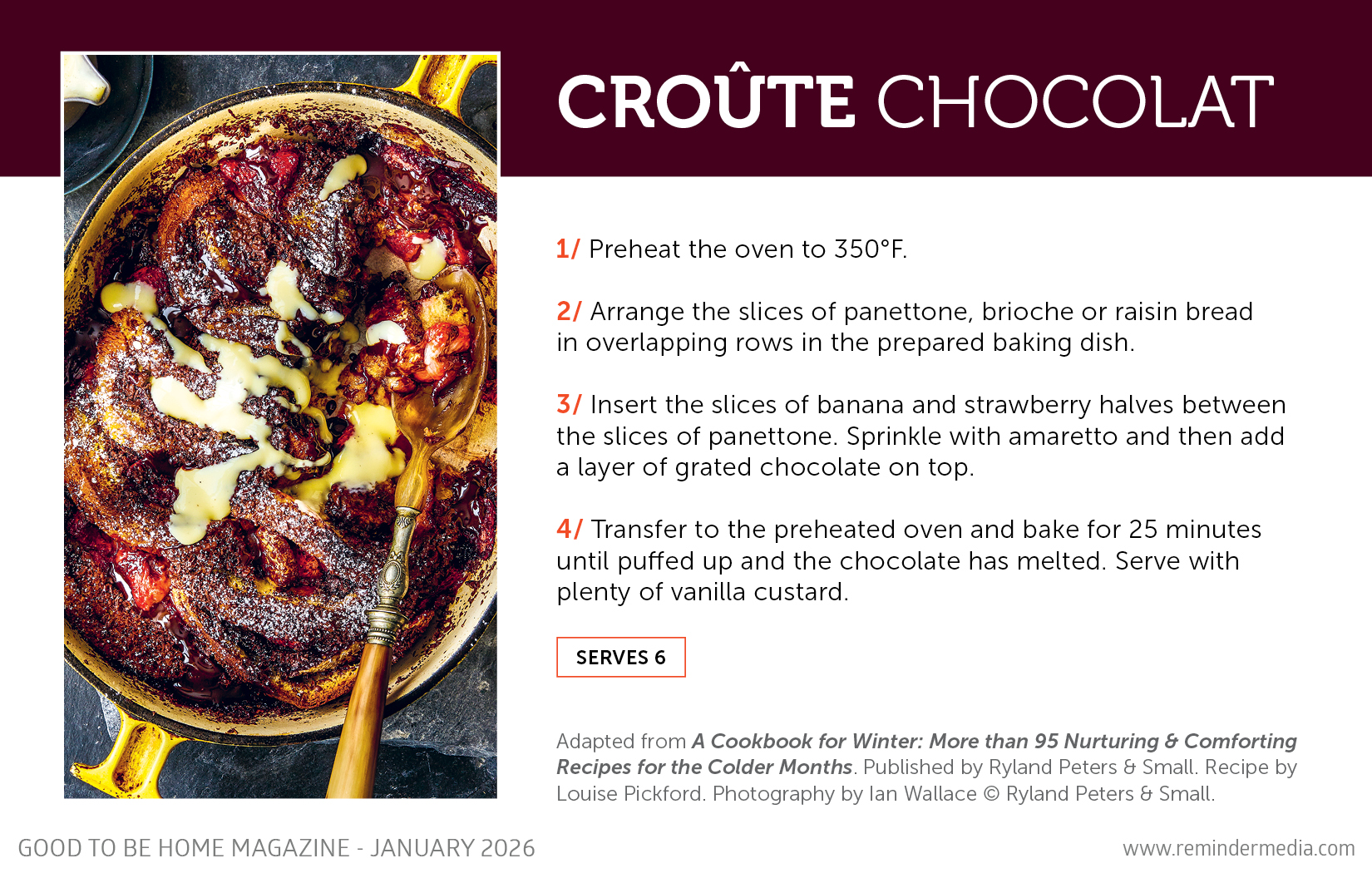
Indulge in a heavenly combination of fresh fruit, chocolate, and soft bread to end your meal with panache.
Adapted from A Cookbook for Winter: More than 95 Nurturing & Comforting Recipes for the Colder Months. Published by Ryland Peters & Small.
recipe by theo a. michaels
photos by mowie kay © ryland peters & small
This is simple to make and such a satisfying dish to eat on colder days. Butternut squash contrasts nicely with the dark and earthy lentils and if you’ve got some feta lurking in the fridge, throw a few crumbs on top to serve.
Serves 8 to share, 4 as a main
recipe by louise pickford
photos by ian wallace © ryland peters & small
Bread and chocolate are an ever popular combination in Switzerland, and this sweet spin on the classic croûte fromage (melted cheese on bread) makes a great finale for any meal. Serve it with lashings of vanilla custard on the side.
Serves 6
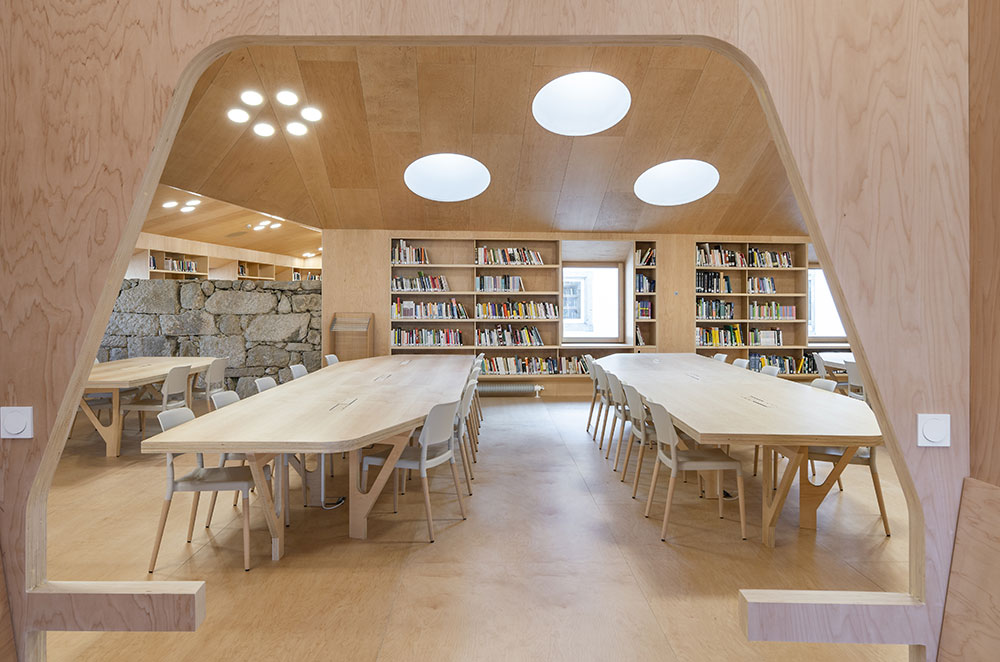
When it comes to building shelter, wood has been the framing go-to for the past several centuries, with everything from fir to oak being used. But don’t undervalue another versatile option—plywood. Discover more about this amazing material, the many reasons it is beneficial to construction and home decor projects, and its role in the future of homes.
In one form or another, plywood has been around virtually forever. Many experts credit the ancient Egyptians for creating the first type, a durable, multilayer substance for furniture and even coffins. However, you have to fast-forward to the Industrial Revolution to find the origins of the modern version. In 1797, a British engineer secured a patent for laminating layered veneers, and the first one for plywood itself was granted in America in 1865.
The Pacific Northwest then became a hub of sorts for plywood advancements. A three-ply type was introduced at the 1905 World’s Fair in Portland, Oregon, and an Aberdeen, Washington chemist created a waterproof adhesive in 1934—a particularly important breakthrough for timber used in structures. Around that same time, Finnish architect and designer Alvar Aalto changed the furniture game by introducing his bent-plywood Paimio armchair, showing the world just how elegant the material could be inside the home.
Today, plywood is still in great demand. The National Association of Home Builders says that over 90 percent of new homes are constructed with wood, and in most of these plans, plywood is a key material in the building process. And looking ahead, market research company MarketsandMarkets estimates that plywood sales will reach a whopping $73.3 billion worldwide by 2027.
To put it simply, think of plywood as an interlocking combination of several sheets of wood. Three or more thin layers (or plies, hence the name) are glued together, each placed at a right angle to one another for added stability, and cured under heat and pressure. The end result is a sturdy, ready-to-use product that largely remains unchanged over time—a big benefit to construction workers and homeowners alike.
Plywood is composed of either hardwood (from deciduous trees like oak and maple) or softwood (from coniferous varieties like pine and fir), with the respective heartiness of each dictating its use. The former timber is more beautiful and durable, making it ideal for cabinetry and the like, whereas the latter is often preferred for structural applications thanks to its weight-bearing capability and versatility. In addition, the different types are classified into a range of grades and ratings to help both builders and consumers determine the right ones for specific projects.
Strength
The aforementioned hardwood variety is particularly renowned across the construction industry thanks to it having strength in numbers—with up to seven layers bonded together, it can be stronger than natural wood and even steel in some respects. Plywood in general is also super easy to work with and manipulate and can be made to resist weather, humidity-induced warping and shrinking, and insects.
Additionally, Garnica, a leading manufacturer of premium sustainable plywood, notes that because of modern manufacturing advances, the material is stronger, more durable, and more lightweight than ever. As a result, it says, plywood has become suitable for a wider range of applications, including transportation and furniture.
Cost
Even though plywood prices have gone up in recent years, it remains an overall cheaper option in relation to solid timber. (Note, though, that the savings are dependent on factors like the type of wood and its quality.) And since it’s incredibly versatile and ideal for a variety of purposes—home builders use it for everything from sheathing to subflooring—it can be a huge time and money saver when it comes to construction costs.
Eco-friendliness
You may be wondering: “All this sounds great, but is plywood a green option?” The answer, typically, is yes, as long as it’s composed of eco-friendly wood such as spruce, Nordic birch, or pine and isn’t produced using VOC-emitting adhesives. For instance, Garnica plywood is primarily made from sustainably grown poplar, which absorbs approximately twenty tons of carbon dioxide per hectare per year, making it a powerful tool in combating climate change. Every cubic meter of Garnica’s plywood captures about 650–700 kilograms of carbon dioxide, resulting in a net positive carbon footprint. Furthermore, plywood production tends to maximize the amount of wood used from the original source, resulting in less waste.
Plywood may sound like the perfect building product, but it does have some potential drawbacks. For example, even though it mostly stands tall in humid conditions, it’s not completely waterproof. Over time, it can warp or swell, so if you live in a high-humidity or flood-prone area, you may need to use a type that’s built for these conditions, such as a marine plywood or Garnica Duraply. Plus, the wood’s strength tends to dissipate toward its edges, resulting in cracking or splitting; this may require some fine-tuning from builders or homeowners, including sealing the edges.
All in all, plywood is a contradiction of sorts in the world of timber: a manufactured material made of natural resources that’s thin yet strong and can be used for both interiors and exteriors. As a result, it continues to be a staple for homeowners and pros in the construction industry, marrying a time-tested method with twenty-first-century sensibilities and advances.
Every year, experts unveil their color picks to set the tone for design trends, and 2025 brought a varied palette—from Pantone’s cozy Mocha Mousse to Behr’s moody Rumors to HGTV Home by Sherwin-Williams’ soft Quietude. But for 2026, the spotlight shifts to a hue that’s already turning heads on international runways: teal. Chosen by the trend authorities at WGSN and Coloro (who dub it “Transformative Teal”), this captivating option may be just what you need to inject new life into your home for this year.
Teal is a perfect example of how the right color can impact the function and feel of a space. By blending the calming depth of blue with the revitalizing energy of green, it strikes a unique balance that can either soothe or invigorate depending on the ratio and tint. A lighter teal, for instance, can add a burst of fresh energy to a playroom or living room, encouraging creativity and movement. Meanwhile, a darker shade can promote clarity and focus in a home office or introduce a softer, more serene vibe in a bedroom, helping to craft a peaceful retreat. Wherever it’s used, teal shapes the mood, offering a dynamic backdrop that brings harmony and purpose.
But the color’s impact isn’t just emotional—it’s environmental too. Sustainability is an increasingly important aspect of fashion and interior design, and teal nods to this eco-consciousness by evoking lush landscapes and ocean depths, making it feel connected to the earth and a more mindful way of living. And while the color may be trending now, it is no passing fad. It has history and staying power, looking just as stylish in 1920s art deco as it does in modern minimalism. That timelessness makes the hue a smart choice for anyone seeking a color with longevity.
Unlike picks from brands like Behr and Sherwin-Williams, you won’t actually find Transformative Teal in the paint aisle. Instead, you can use the trend as inspiration for your next project, selecting paints, fabrics, and accents in various shades of teal. Whether you’re interested in doing a complete overhaul or just a subtle refresh, there are several ways to bring a cool-toned update into your home.
Swap accent pieces
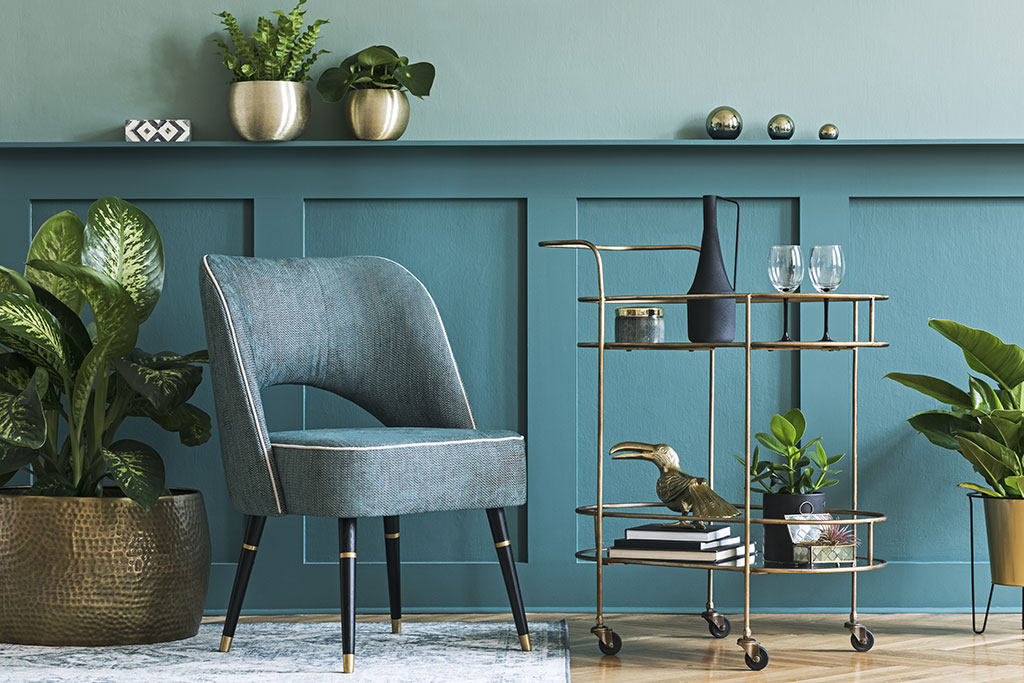
Sprinkle in teal through decor you can easily switch out: think ceramic vases, abstract artwork, and planters that feature it as a primary or accent color. Even more functional items like desk organizers, coasters, and candleholders can bring a subtle yet impactful pop of the hue. Try grouping teal objects together on a shelf or coffee table for a curated, intentional look. You can also use a variety of materials, like painted metal and colored glass, to add depth and texture while keeping the color palette cohesive.
Tie in textiles
One easy and effective method for incorporating the bold color is utilizing textiles. For instance, a reading chair or ottoman upholstered in teal velvet can be a showstopping piece in your living room, while a teal rug in your dining room can ground the space and complement any new blue-green accents. In a bedroom, use the shade throughout the bedding, including your duvet cover and pillowcases; you can even throw a teal-tinged quilt at the foot of the bed. When picking items, consider how you can mix patterns, like stripes, florals, and even geometric prints that feature teal, for another layer of visual interest without overwhelming the space.
Refresh your walls
For a more drastic change, you can’t go wrong with adding a coat of teal paint to instantly transform a room. Paint a single accent wall behind the headboard in a bedroom to turn it into a cozy sanctuary or one in your home office to create a stunning background for your video meetings. You can then pair it with white walls and trim for a modern contrast or paint the ceiling, trim, and rest of the walls in the same shade, drenching the room for greater drama.
Ultimately, one of the best things about teal is that no matter your style, it’s bound to work with your home’s existing design, easily complementing everything from bright neutrals to shades of red and yellow. So whether you go big or start small, integrating the color into your home is a beautiful way to give your spaces a look that’s both trendy and timeless.