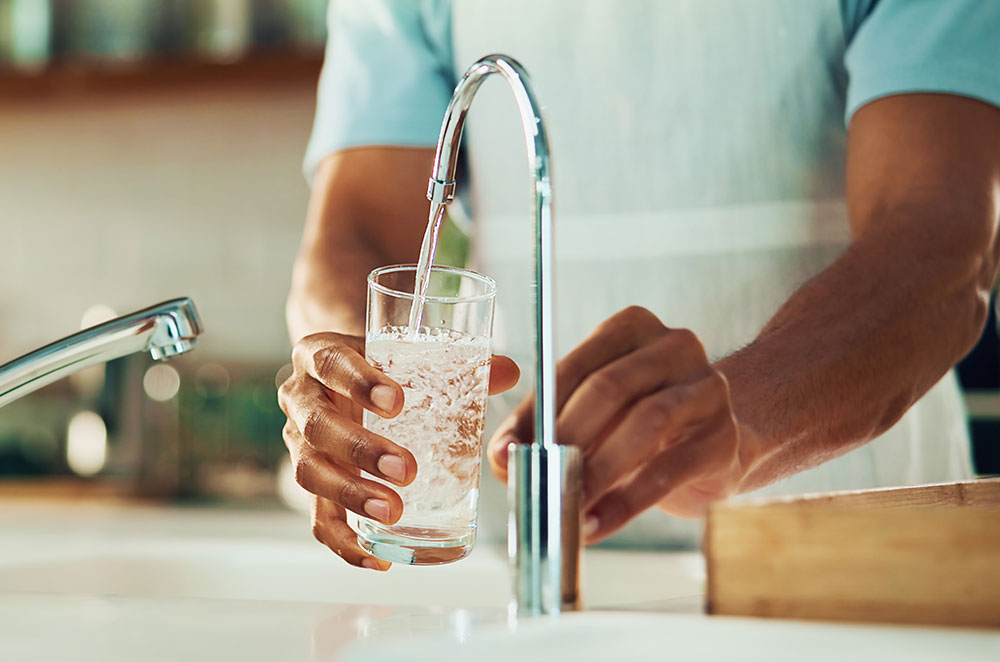
As you begin an exciting new year, it’s the perfect time to recommit to your well-being by making beneficial choices for your physical, mental, and financial health. This issue of Start Healthy is packed with practical insights that can empower you to start the year off strong, featuring tips on smarter spending, a rundown of hydration options, time-saving recipes, and a comparison of two common health-care services.
Financial security is a cornerstone of overall wellness, but impulsive spending habits could derail your best intentions. Discover the signs of these behaviors, and gain sensible strategies for maintaining control over your funds, both of which can lead to a brighter fiscal future.
Staying hydrated is fundamental to good health, but with so many options available, choosing the right type of water can be perplexing. Check out eight common varieties, including distilled, mineral, and tap, to learn about their potential benefits, what sets them apart, and how to pick the best option for your specific needs.
For those busy days when time is of the essence, try the enclosed recipes from The 5-Minute 5-Ingredient Lunchbox cookbook: a satisfying Turkey, Gruyère and Kale Wrap and a vibrant Antipasto Noodle Salad. Each is designed to take the stress out of midday mealtimes—without compromising flavor.
Finally, navigating medical care can feel complex or even downright confusing. The enclosed article helps to clarify the differences between primary care physicians and urgent care facilities so you can better distinguish their key benefits. Find out how seeking services from the proper resources can complement your overall health strategy.
What steps will you take to better your wellness this year? As always, it’s a pleasure to send you this magazine.
Financial security is something we all strive for, and one of the easiest ways to veer off that path is by succumbing to impulse spending. Though unplanned purchases may be satisfying in the moment, they can make it all the more difficult for you to maintain your budget and reach your savings goals. But with just a few sensible strategies, you can get a better hold on this inclination and take firm control of your funds.
Studies have shown that many shoppers tend to impulse-buy when they are under a higher level of stress or experiencing a period of social isolation, using it as a way to get a temporary mood boost. Given this, a crucial first step is determining your personal spending triggers through self-reflection. Take some time to assess your buying behaviors to see what trends you can spot. Ask yourself questions such as “What emotional state am I usually in when I shop?” and “When do I most tend to make spontaneous purchases?”
These internal reflections can assist in identifying particular circumstances that are causing you to make unwarranted expenses. You may even want to try keeping a diary dedicated to writing down every purchase along with the emotions experienced at the time to help you better track any patterns. Such awareness will enable you to not only recognize your behaviors but also take more control of your decision-making.
Once you figure out your triggers, put sensible plans into action to mitigate their power. One idea is to implement a twenty-four-hour rule where you wait at least a day before deciding to make any nonessential purchases. This will give you time to weigh whether you really need an item or if it’s just a fleeting desire.
Another way to combat impulsivity is by establishing spending limits. Clearly outline your wants versus your needs, set a strict budget for the former, and take out this amount in cash to help ensure that you stick to it. With these deliberate moves, you can become more conscious of your expenditures and therefore more able to make mindful decisions that support your long-term financial goals.
And make sure to take advantage of the wealth of tools available designed to assist with financial management. Apps like YNAB and Goodbudget offer an easy approach to keeping an eye on your overall income and spending thanks to their handy features, such as an alarm for when you’re reaching your limit in certain categories and restrictive settings on your bank accounts.
A key to breaking any habit is accountability, so enlist a few friends or relatives to help you stay on track with your budgeting goals. Doing so will create a system of checks and balances—knowing that someone will be asking about your progress might make you less likely to veer from your road map.
You could also join a financial support group or book an appointment with a financial advisor. Interacting with others looking to control their expenditures can provide support and a feeling of camaraderie to boost your motivation, while working with a professional can give you expert guidance and analysis to fine-tune your approach. Further, if you find yourself struggling to rein in your emotional triggers or behaviors, a therapist or counselor may be another good resource to connect with.
Overcoming impulse spending calls for a diverse strategy, combining knowledge of your underlying motivators with useful management techniques. Take into account these conscious spending practices, and you can not only curb your unplanned shopping but also feel more empowered about your financial future.
Everyone knows the importance of drinking water daily, whether it’s from a tap or a bottle. Walk down any store aisle, though, and you’ll find a dizzying array of options—spring, purified, sparkling, and more. So what sets them apart? Whether you’re looking for added minerals, extra filtration, or just a refreshing fizz, here’s a breakdown of eight common types and their potential benefits.
Featuring higher pH levels than regular water, those containing alkaline are believed to help neutralize acidity in the body. While some proponents argue that this aids in fighting aging and disease, there’s limited research to support these claims. In fact, too much alkaline water could impact your gut health and immune system for the worse. Also, it’s important to avoid it if you’re on any type of medication, prescribed or over-the-counter, since mixing them could lead to a negative reaction.
This option is created through boiling water to make steam, which is then collected and condensed back into liquid form. The process removes virtually everything, including bad contaminants and good minerals. The former makes it ideal for medical purposes, such as for use in humidifiers and nasal irrigators, but the latter means that it is not great for drinking unless absolutely necessary. Not that you may want to anyway—distillation leads to very flat water stripped of any flavor.
Because this product is infused with molecular hydrogen gas, it is thought to contain antioxidant properties and improve athletic performance by reducing inflammation and increasing energy. However, more research is needed to confirm such assertions since hydrogen water is a relatively new addition to the marketplace.
As the name suggests, mineral water is filled with a variety of naturally occurring elements. These include calcium, magnesium, and sodium, which can support bone and heart health, lower blood pressure, and improve digestion. Just note that because it is taken directly from underground sources, it often comes with a higher price tag.
Purified water goes through an extensive filtration process, such as deionization or reverse osmosis, to remove bacteria, chemicals, and heavy metals. This makes it one of the cleanest options available, but it can also strip away valuable minerals, like with distilled water. Some brands do add them back for taste and health benefits, though, so be sure to check the label to see what all a bottle may include.
This version is infused with carbon dioxide to create its signature fizz. Combine that with the wide variety of flavors available, and you’ve got a refreshing alternative to sugary sodas. However, because many sparkling water products contain artificial flavors and added sugar and sodium, it’s important to carefully review the ingredients list and nutritional value. And like with other carbonated beverages, aim to limit the amount you consume since too much could negatively impact your digestion.
Similar to mineral water, these are typically bottled at the source—either a natural spring or glacier. They’re generally clear of potential contaminants and contain many of the same elements found in mineral water, including calcium and magnesium. That said, not all brands are created equal since some don’t test the liquid before putting it on shelves. When shopping, it’s best to opt for well-known ones like Mountain Valley and Evian, even if they do tend to be more expensive.
Because it is easily accessible, tap water is the most common type of drinking water. Public tap water is regulated by the EPA, but the quality and taste can vary by location and depend on the source, such as if it comes from a lake, river, or well. Adding a simple filtration system to your kitchen faucet, fridge, or pitcher can help remove contaminants and improve flavor.
No matter your choice of water, one thing is certain—staying hydrated is key to good health. So the next time you grab a bottle or turn on the tap, consider what’s in your glass and how it benefits you.
Are you looking for a quick and flavorful solution for your next meal? These two recipes from The 5-Minute 5-Ingredient Lunchbox are designed for ease without compromising on taste. From a satisfying wrap perfect for taking on the go to a vibrant pasta salad ideal for meal prep, get ready to simplify your kitchen routine with options that deliver on both freshness and convenience.
This handheld offers a delightful mix of delicious flavors—sweet, nutty, creamy, and tangy—along with a satisfying crunch.
Featuring fettuccine, bell peppers, artichoke hearts, and cherry bocconcini, this is one pasta salad you won’t want to miss.
The 5-Minute 5-Ingredient Lunchbox by Alexander Hart, published in 2021 by Smith Street Books. Photography © Chris Middleton.
recipe by alexander hart
photos by chris middleton
The perfect lunchtime treat—a deliciously moreish wrap with turkey, apple, kale, cheese and a creamy dressing.
Honey mustard mayonnaise: Combine the dressing ingredients with salt and pepper to taste in a small jar or container with a tight-fitting lid.
recipe by alexander hart
photos by chris middleton
This salad is a simple one to put together—it just requires some shopping at your local Mediterranean or supermarket deli. If you prefer, make your own pesto ahead of time for the freshest tasting noodle salad.
Pesto dressing: Combine the dressing ingredients with salt and pepper to taste in a small jar or container with a tight-fitting lid.
Imagine that you severely twist your ankle while slipping on ice or wake up on a Sunday morning with a raw throat and high fever. Do you take some pain meds and gut it out until you can see your doctor, or do you seek immediate help?
In many parts of the country, there’s a convenient answer for option B: urgent-care facilities. Whereas a trip to the ER might have been your only choice during off-business hours in the past, today you can get advice and treatment virtually 24/7 thanks to this middle-ground solution. But how does it compare to the tried-and-true primary-care physician? By understanding the differences between the two along with how and when to use their services, you can rest easier when health issues pop up.
The modern quick-care concept emerged in the 1970s, and the first retail version, QuickMedx, opened in Minnesota in 2000; it was then purchased six years later by CVS, who renamed it MinuteClinic. There are approximately 14,000 urgent-care centers in the country today, with the total virtually doubling between 2014 and 2023. This is important to note because, even though around 161,000 primary-care physician offices dot the country, the number of practicing family physicians has been declining in recent years.
Role and relationship
A PCP’s primary function is preventative, hence why experts recommend that everyone gets annual exams. And once you establish a family doctor, they’re able to develop a relationship with you and become knowledgeable of your medical history, fostering a level of trust in them and their advice. In addition, they usually have more resources at their disposal than their rapid-care counterparts, such as equipment and labs.
Granted, you may also be treated by a doctor at an urgent-care center, but you are much more likely to see a physician associate or nurse practitioner. Either way, you would likely interact with someone new at every visit. Plus, while they can examine, diagnose, run tests, and even prescribe meds, their purpose is strictly reactive—treating you for an immediate problem.
Medical situation
As the name suggests, urgent care is meant for relatively minor pressing ailments, and such facilities are usually available seven days a week, with some offering virtual visits. The clearest downside, though, is that you can experience long wait times. In contrast, your doctor likely won’t be able to see you as immediately, but you generally won’t have as long of a wait in their office. They can also offer more thorough advice and avenues to address serious concerns. All that said, don’t forget that you still have a third alternative: for a true medical emergency, make sure to go to an ER.
Payment
In most cases, using your insurance for a physician appointment is relatively straightforward since you’ll simply shell out a copay in the office. However, it can get somewhat trickier with urgent care depending on where you go, the treatment you receive, and who insures you. For instance, your copay may be higher or you may be billed up front for the entire visit, so check with your provider first if possible.
Medical care is a constantly evolving realm, and patients today have more options than ever. Quick-care facilities bridge the gap between the doctor’s office and emergency room, making them a valuable choice, but they aren’t a replacement for seeing your PCP. If you make use of the former, make sure that they send all the information from your visit to your doctor for follow-ups and to keep your medical history up to date. In the end, consider them complementary medical assets—the perfect merger of short-term and long-term care.