Colors play a crucial role in interior design, influencing not just the aesthetics but also the mood and feel of a space. While some create a sense of calm, others add energy and vibrancy, with a single hue—whether used as a dominant shade or a subtle accent—having the power to completely transform a room. And perhaps the most impactful of all may be red in any form, as evidenced by the “unexpected red theory.” Gaining attention in recent years, this approach suggests that even the most neutral spaces can benefit from a pop of warmth.

Much of modern interior design has turned toward minimalism, embracing simplicity and clean lines. However, the unexpected red theory brings a fresh approach to the table, proclaiming that for a room to be fully complete, it needs to have a red element somewhere in it. Though this may be a newer trend in decorating, it’s been seen in other areas long before—think of the famous Louboutin red-bottom shoes or the ever-popular red lipstick. Just as these aspects round out an outfit, a hint of the hue in each space of your home can bring them all together.
But why does it work? For one, red is a color that naturally draws the eye. Having one of the longest wavelengths in the visible spectrum, it is one of the most noticeable colors to the human brain. That’s the reason stop signs are bright red: it makes them hard to miss. Also consider how often you see it in marketing. Call-to-action buttons and limited-time offers are frequently splashed with it to capture consumers’ attention, and a vast number of high-profile companies, including Netflix and Coca-Cola, center it in their branding.
From a psychological standpoint, red has many different emotional associations, including passion, anger, love, and power. When we see it, we may naturally become stimulated and excited to varying degrees, perhaps experiencing a subtle mood boost and feeling more confident. In turn, a small dose of red in an otherwise neutral space can add vibrancy and energy to the overarching design.
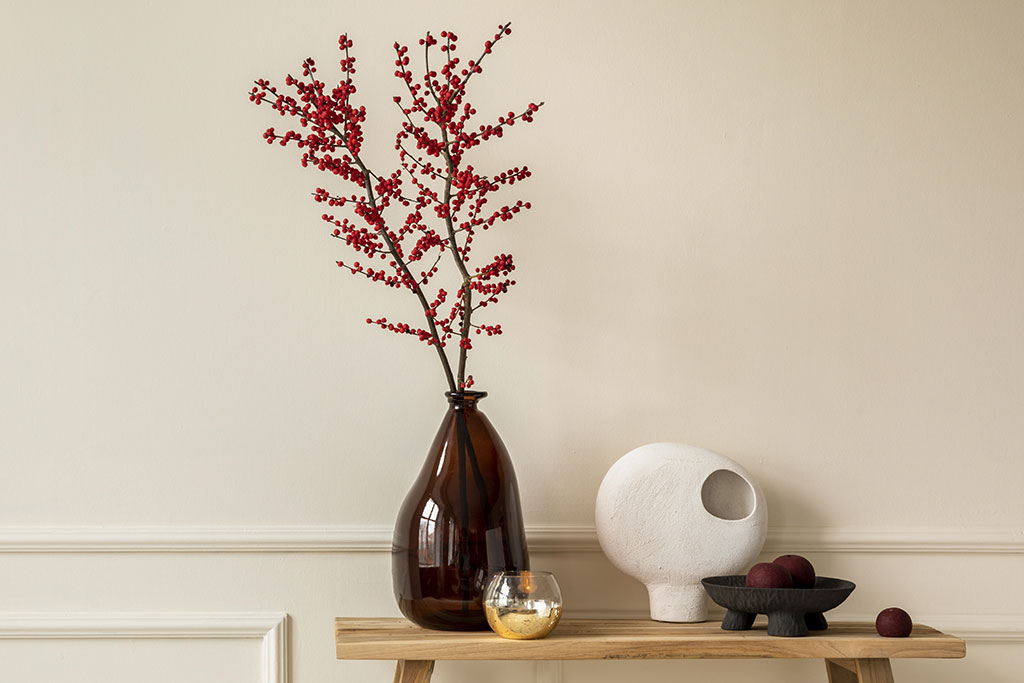
A top benefit of the unexpected red theory is that it can work with virtually any style, from modern Victorian to midcentury modern to farmhouse, since it’s meant to enhance the design rather than overtake it. However, there are a few keys to keep in mind to ensure a successful incorporation.
Start small
Rather than opting for a full transformation right away, look for subtle ways to introduce the color. Imagine a scarlet vase on your mantel, a framed piece of art with crimson strokes, or a book featuring red details placed on your coffee table. These little touches can give you a sense of how the color plays in a room.

Focus on accent pieces
Another great way to incorporate red is through your textiles. For instance, you could drape a maroon blanket over a cream-colored sofa or get a rug with ruby threading for your dining room. Patterned curtains with red accents can also make a room feel more dynamic, adding instant warmth without overpowering the existing aesthetic.
Try a splash of paint
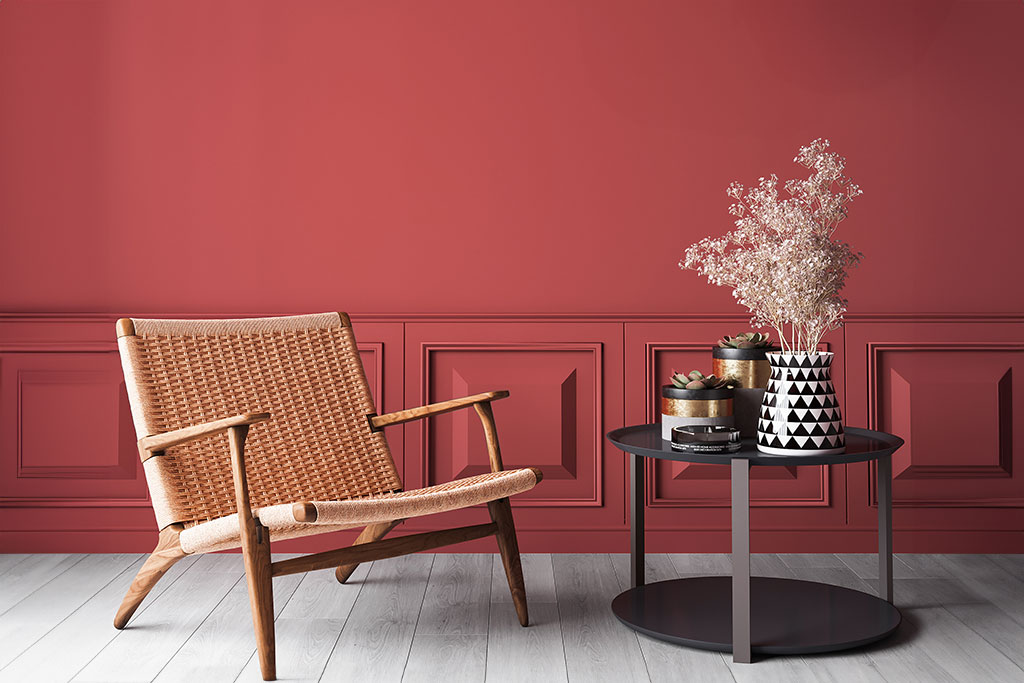
If you’re feeling a bit more daring, you can always turn to red paint. Add a fresh coat to your barstools or nightstands, or cover the insides of your bookshelves in a vibrant hue for a pleasant surprise upon closer inspection. Shades of burgundy work wonderfully in bathrooms and bedrooms, adding a bit of drama, enlivening the spaces, and creating a moody atmosphere. Your options are virtually limitless—it simply depends on how much of a statement you’re trying to make.
Carefully select the shade
Whatever your approach, keep in mind that the shade of red you choose can heavily influence the overall outcome. A deep wine will create a sense of richness and sophistication, while a bright vermillion can feel playful and bold. And muted, earthy reds like rust and brick can introduce warmth in a more subdued way, making them an excellent choice for those who prefer a softer approach to color.
To pick a tone, consider the type of room (a dining room, for instance, will demand a different vibe than a kid’s room), your goals for incorporating the color into the space, and what option will work best with the rest of your design. It could also be helpful to pick up a few different paint samples you can use to test the look of various hues against different elements in your home before committing to one.
Ultimately, the unexpected red theory is about breaking decor convention in a way that feels both intentional and effortless. By introducing surprising touches of red, you can give your spaces added layers of depth and interest that elevate each one.
From serving spoons to cutting boards to rolling pins, wooden utensils are not only functional tools in the kitchen but also elegant decor that brings a touch of natural beauty to your culinary space. However, proper maintenance is essential to ensure their longevity and cleanliness. Whether your precious pieces are made from maple, walnut, cherry, or even bamboo (not technically a wood but still a popular option), the following tips can help you make them last for years.

First and foremost, never put these items in the dishwasher. The harsh detergents and high heat can strip the wood of its natural oil and cause it to warp and crack, which can create space for bacteria to grow and potentially damage the material beyond repair. Excess water poses similar threats, so also make sure not to let anything soak in the sink before cleaning it.
Instead, always wash your wooden kitchen tools by hand immediately after use, before food residue has time to absorb or dry on the surface. Utilize mild dish soap and warm water as well as a washcloth, sponge, or brush to give them a gentle scrub. Just stay away from anything abrasive, such as steel wool or a brush with metal bristles, to avoid scratching the wood.
Another option for bigger pieces that are difficult to bring to the sink, such as butcher blocks, is a specially made cleaner. Featuring natural ingredients that are gentle on wood, all you need to do is spray it over the surface and wipe with a cloth for a good clean.

After washing your utensils, make sure to rinse off all the soap residue under running water, pat them with a clean towel, and prop them up to dry. Keep them away from sunny windows, however, since this could lead the wood to splinter. Then make sure to store them carefully, putting everything in a cool, dry area and leaving cutting boards upright so that moisture can’t get trapped underneath.
In addition to cleaning your tools, consider sanitizing them periodically to kill any lingering bacteria. There is no clear consensus on a recommended frequency, though many sources advise treating cutting boards specifically after every use since their knife scratches give germs more places to hide. Combine one part hydrogen peroxide or white vinegar with four parts water, and soak your wooden items for five to ten minutes before rinsing. To make the process simpler, you could also purchase a disinfectant spray, which you can cover your items with and let dry.
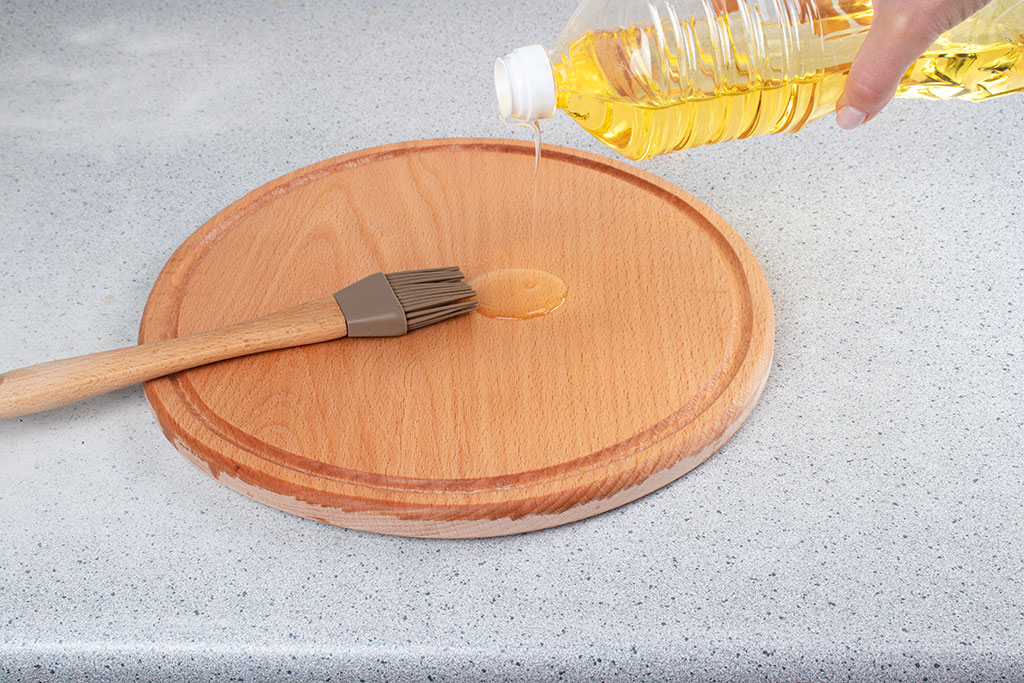
To maintain the moisture content and protect the material, periodically apply food-safe mineral oil or beeswax conditioner to these utensils and cutting boards. Always make sure to follow the product’s instructions, but as a general rule, you’ll use a clean cloth to rub a small amount of it into the wood’s surface, allowing it to sit for several hours before wiping off any residue. You should repeat this process at least once a month; it is also good to do after sanitizing if you use hydrogen peroxide because the compound can dry the wood out.

Despite regular washing, it’s inevitable that food particles will build up on your wooden pieces. Luckily, there are a variety of ways to remove the accompanying stains and odors. For instance, you can combine equal parts water and baking soda, scrub the offending item with the mixture, and let it sit for several minutes before rinsing it off. You could also sprinkle on some coarse salt and rub with the cut side of a lemon. As with the other option, leave it for a few minutes and then rinse thoroughly.
Even with proper care, wooden utensils and cutting boards have limited lifespans. If you notice deep cuts, cracks, or signs of mold or mildew, it may be time to replace them to ensure the safety of your food.
September may be here, but that doesn’t mean barbecuing season is over! These recipes from The BBQ Companion are chock-full of freshly grilled flavors, making them welcoming options for autumn get-togethers, leaf-lined picnics, and football tailgates alike.
A dry rub of paprika, garlic, oregano, and chili flakes is layered with tangy barbecue sauce to make amazingly tasty and tender ribs.
Forgo beef burgers for these leaner ones—they may have less fat, but with ample spices and herbs, they’re rich in taste.

Recipes from The BBQ Companion: 50 Recipe Cards for Grilling Perfection by Oscar Smith. Smith Street Gift, 2023. Photography © Billy Law

Serves 4




Serves 4


The breezy fall air may be a nice relief from summer’s heat, but something far less tepid is lurking on the horizon—winter chill. This means it’s time to get your home’s HVAC system, as well as any ventilation components, ready for difficult conditions that can really test their mettle. Take the following steps, and you’ll better ensure that you experience efficient and reliable heating throughout the coming months while keeping your vital equipment in top shape until spring arrives.

Start with one of the simplest yet most crucial tasks: checking all the filters throughout your home, including those directly in your heating and cooling equipment and any you may have in return-air vents. Once dirty or clogged, these protective layers may begin congesting your ducts and other machinery, forcing them to work harder to suit your indoor-temperature needs. In turn, you could see your energy costs increase or even experience consequences such as a decreased HVAC lifespan.
To save money and help catch as many pollutants as possible, clean or replace your filters at least once every ninety days. However, be aware that this timeline can vary depending on certain factors. For instance, those sensitive to dust, pet dander, and other allergens may need to change them more often, approximately every thirty days. Similarly, larger homes may necessitate more frequent swaps due to greater overall airflow.
The ideal frequency can also vary depending on the features of your chosen product. Flat and fiberglass filters are typically less hardy than pleated paper ones, giving them a shorter longevity. Another consideration is the MERV (Minimum Efficiency Reporting Value) rating, which is a measurement of a filter’s particle-capture capabilities; the higher the number, the more pollutants it blocks and the faster it may clog. For the best estimate of replacement and cleaning timelines, check the recommendations on the packaging.

A clean HVAC system is a healthy one, so take care to clear your vents and air ducts before frost hits. If you have a ductless unit such as a ceiling heat pump, carefully vacuum its external body, including the vents, with a soft brush attachment—just be mindful not to disturb the internal components since doing so can potentially impact performance. Should you have a central-air system with indoor ducts, vacuum away dust and other buildup from your exterior heat pump or air conditioner; be sure to remove any debris like leaves that may have collected around it as well. Then brush the return-air vent grates, open them, and carefully vacuum the areas you can reach.
For an outdoor air conditioner, a crucial follow-up step is to blanket it in an AC cover to protect it from leaves, frost, and snow, depending on your region. Bear in mind, though, that it can’t operate properly when placed in this hibernation mode, so only cover the appliance when you’re certain you won’t need cooled indoor air.
Of course, despite all your careful cleaning, you may still notice dust visibly flowing out of vents, foul-smelling air, or respiratory symptoms like sneezing when the system operates. While these signs can be attributed to other issues, they often point to dusty ductwork. Professionals and their commercial-grade vacuums can intervene by deep-cleaning throughout these conduits in areas you cannot reach.
But even if you don’t spot any problems, it’s still advised that you have your ductwork cleaned every three to five years, or more frequently if pets, smokers, or people with allergies live in your home. Consider this a priority before winter because you’ll need clean vents to distribute heat efficiently and keep you more comfortable in the coming months.

Running the heat or air-conditioning daily can take a toll on the system’s various components, so do a walkthrough of your home to spot any possible issues that need addressing—either by you or by an HVAC technician, based on their severity. These are the top troubles to look for in autumn.
Drafts
Feel around your exposed ducts for any air leaks, then cover the gaps with duct tape (the product’s actual intended use!). This can help prevent air loss and preserve system efficiency. Likewise, physically inspect your doors and windows for escaping air, and seal any such areas with caulk or weather stripping.
Clogged condensate line
Cold condensate lines can freeze, blocking drainage with ice and potentially leading to odors or even water damage. To prevent this, keep your indoor temperatures above 55 degrees and wrap exposed pipes in heat tape or insulation. And if you do suspect a clog, call a technician for assistance.
Nonresponsive thermostat
Set the dial to blow cold or warm air at your command, and wait to hear if the system kicks on and adjusts the temperature. If it doesn’t respond promptly, you may have to reset the thermostat or change its batteries. Contact a pro should issues persist.

Finally, don’t underestimate the significance of a professional tune-up. Just as you need regular checkups from your doctor, your heater, air conditioner, ductwork, and other components require professional inspection—whether or not you’ve detected any of the problems indicated above. It’s recommended that you schedule one semiannually: once in fall and again in spring.
Aside from catching potential hidden or future complications, an expert may suggest various services, such as an internal-components cleaning. You might be tempted to skip these tasks and save a buck, but preventative action can help generate ongoing energy savings and prolong the life of your entire HVAC system. And, perhaps most importantly, a technician can gear up your equipment for the long, trying days of labor ahead, ensuring that it’s up for the task.