Summertime is back in all its sun-drenched glory, and one of its most anticipated events is on the horizon: Independence Day. This holiday has it all, including scrumptious food, fun with friends and family, and dazzling fireworks—as well as its fair share of potential hazards. Fortunately, by showing caution and implementing some commonsense measures, you can make great strides toward preventing them.

Celebratory events this season usually involve lively music, indulgent treats, water games, and even rides at community fairs, and July’s national fete is certainly no exception. What they usually don’t include, however, is a ton of protection from the elements.
Naturally, the foremost concern is the blazing sun, which can quickly cause dehydration, sunburn, heatstroke, and more. So be sure to apply a sunscreen of SPF 30 or higher before heading out for historical frivolity, and then reapply according to the tube’s instructions no matter the conditions—you can still get severely scorched even if it’s cloudy. (A bonus tip: if it is a sunny day, keep your vision protected by wearing UV-coated sunglasses.) And do everything possible to stay fully hydrated by packing plenty of water, preferably stored in a cooler.
Speaking of water, for anyone enjoying themselves by the pool during the holiday, emphatically enforce a no-running rule on both the surrounding pavement and the diving board to avoid slips. This is especially important for kids but should also be emphasized with adults, who can easily get rowdy with the festivities.

If you’ve used a gas grill before, you’ve probably noticed how high its thermometer goes: normally between 300 and 500 degrees when in full use. With such extreme temperatures at your fingertips, you must make sure that neither you nor anybody else touches the grates or the grill itself when it’s lit—that means never leaving it unattended, even for a few seconds. For added safety, ensure that it is ten feet away from any structures as well as tree branches overhead.
Regarding the actual grilling, there are a few key precautions to follow. The first is keeping your machine clean; removing as much buildup as possible can better prevent the frequent flare-ups that occur when cooking fatty foods like beef. On a related note, if you’ve mulled adding a squirt of fluid to charcoal bricks that are on a slow burn or low flame . . . just don’t.

As the grill master, it’s your job to prepare mouthwatering burgers and hot dogs, but you also need to protect your guests’ health. Start by leaving anything perishable in the fridge until you’re ready for it; such food should never sit out in the heat for longer than an hour or two. Additionally, keep your uncooked meats well away from other foods, especially ones you may let crowd around the grill, such as buns or toppings. Then once your masterpieces are near completion, check that they meet the government’s minimum-temperature requirements for each meat type before serving them.
If you’re the recipient of the griller’s hard work, practice patience after filling up your plate. Allowing your freshly cooked food to sit for a few minutes will not only cool down its internal temperature but also lessen the chance that hot grease will accidentally drip on you.

Should you plan to use or be around pyrotechnics this holiday, take ample caution. The US Consumer Product Safety Commission estimates that in 2023 alone, these devices caused 9,700 emergency room visits. And per the National Fire Protection Association, they resulted in over 31,000 fires in 2022. Sparklers are also an underestimated health danger since they can burn as hot as 2,000 degrees. The best advice? Leave the aerial show to the experts, watch it from a distance, and provide nonflammable handheld options to children.
However, if you do ultimately decide to set off fireworks yourself, make sure to wear safety equipment like goggles and heavy-duty gloves, do only one device at a time, set it on the ground pointing straight up, and leave plenty of empty space surrounding it. Keep a container of water handy as well in case of emergency and to douse the explosive after it has burned out. Lastly, don’t be persistent if one doesn’t ignite: just trash the dud instead of attempting to relight it since it could go off at any time.
For further precaution, consider acquiring ear protection for any pyrotechnics display, whether at home or at a community event; fireworks can reach double the recommended decibel levels for children. And pay particular attention to the needs of those who may be severely impacted by loud noises, such as people with PTSD and your four-legged friends—in fact, the American Safety Council notes that Independence Day is the number one day pets go missing.
Don’t let potential hazards derail your Fourth of July experience. With these safety measures, you can celebrate our country’s independence with less worry, all but ensuring that you’ll have a blast.
We all have that one cubby in the kitchen, living room, or office where random items pile up—old receipts, loose batteries, spare keys, rubber bands, pens that don’t work, and much, much more. Yes, it’s the notorious junk drawer: an easily overlooked space that can get unnecessarily messy and contribute to a feeling of chaos in your home. If you’re looking to declutter, reduce stress, and create a more productive environment, organizing yours is a great place to start.

First things first, it’s important to go into this project with a clear idea of what you want to achieve. As the name indicates, a junk drawer often becomes a handy place to toss just about any random item you want to keep but don’t know where else to put. Instead, plan it thoughtfully as a singular space for basic essentials to ensure that you have easy access to them as needed. These are some common ones to consider:
Now that you have an overview of what you might keep in your junk drawer, here’s how to go about cleaning it out and putting it together more optimally.

Before you can organize, you need to assess the situation. Remove everything in the drawer, setting it on a flat surface to get a clear view of what’s inside. You may be immediately surprised at how many items are truly unnecessary or redundant—this realization in itself may break you free from the mindless accumulation of odds and ends.
As you go through the contents, group everything by type. For instance, office supplies like pens, paper clips, and tape can go in one pile, tools like screwdrivers and batteries in another, and papers like receipts and bills in a third. When you find something that is broken or expired, don’t hesitate to toss it. Then be ruthless, asking yourself whether you truly need each of the remaining items at all. If you haven’t used a certain one in months (or ever), it’s time to let it go.

Once you’ve sorted through the junk, get creative with how to organize what’s left. For items that fit in the same category, use storage solutions to keep them contained and separate from unlike objects. Consider these options:
Regarding the latter point, labeling can also help you quickly spot an item, especially if you choose holders with lids. If you find that your drawer is still overcrowded after this step, take a second look to see if anything else can be recycled or disposed of.
Now that you’ve got everything tidy, resist the urge to fall back into the habit of using your junk drawer as a hub for small, loose objects. Going forward, be intentional about the contents by making it a rule that only essential items can be added. If something doesn’t serve an immediate purpose, find a designated place for it elsewhere in your home.
Of course, it can still be easy to mindlessly slide in a utility bill for later as you’re cleaning or a chip clip as you’re grabbing a snack. To help ensure that these little slips don’t get out of hand, consider setting a reminder once a month to do a quick check and clean-up. A few minutes of maintenance can prevent your drawer from becoming a catchall once more.

After cleaning everything out and sorting through the contents, you may find that you no longer need the junk space at all. So why not repurpose it for something more functional? Rather than make it home to your essential yet rarely used items, you could designate it as a themed storage spot. For instance, turn it into a charging station by drilling a hole in the back and feeding the cables out to an outlet, keeping your counters clear of devices. Or make it a hub for all your tools, first-aid supplies, or important paperwork—just be sure to keep it neat.
The junk drawer can be a source of frustration if left unchecked. But with a little time and effort, you can transform it into an orderly area that contributes to a cleaner, more peaceful home. You’ll be amazed at how big a difference this simple act can make in your day-to-day life.
Nothing says “summer” like the sizzle of a grill and the aroma of delicious food wafting through the air. Whether you’re hosting a lively outdoor gathering with friends or enjoying a cozy campout under the stars with the kids, these remarkable recipes can help make the moment even more unforgettable.
Bursting with gooey cheese and rich chili, these handheld delights deliver satisfaction with every bite.
Elevate your campfire with this unique take on lasagna, cooked over the flames in a cast-iron pan.
The classic taste of a boardwalk chili-cheese dog combines with perfectly roasted potatoes to create bundles of flavor.
Packed with a variety of bold flavors and a delicious crunch, these burritos are sure to be a crowd-pleaser. You can even let your guests make their own, allowing them to create perfect combinations to suit their tastes.

Serves 4



This light sausage lasagna substitutes thinly sliced strips of zucchini for pasta, creating an amazing gluten-free version of the traditional Italian dish. Cook it in a cast-iron skillet over a campfire or in a grill for a hearty meal.

Serves 4–6


Bring the flavor of the boardwalk to your table with these savory bundles, which feature hearty potatoes and tender hot dogs all dressed up with your favorite fixings.

Serves 4–6


Graceful, dramatic, and bursting with color—what’s not to love about hydrangeas? These flowers grow in a stunning variety of hues and bloom in a lavishly contoured crown shape that adds the perfect touch to any area. Potted or planted, they can make outdoor living spaces feel more luxurious and even draw one’s eye toward your property’s facade. And when nurtured indoors, their voluminous blooms elevate their surroundings to pristine elegance. However you prefer them, this care guide can help you cultivate them into ideal companions to your home both inside and out.

The name hydrangea actually refers to a family of flowering perennial shrubs, each of which produces thick, green leaves and tall stems of distinct, instantly recognizable blooms. They generally flourish throughout USDA Plant Hardiness Zones 3 through 9—that is, most of the continental United States except for its northernmost and southernmost edges. But if you reside in a region with harsh summers or winters, you can still grow hydrangeas; yours may just prefer to live indoors with you to escape the severe temperatures.
Tended well, you can expect the plant to grow up to approximately fifteen feet high and produce flowers throughout spring and summer (or even early fall) while retaining the appearance of a lush and full bush in other seasons. It’s best features, though, are its stunning colors. These can vary greatly from shrub to shrub, producing gentle white blooms or vibrant ones of deep purple, powdery blue, or blushing red. If you’re lucky, your hydrangea may even feature an intriguing mix for a multihued patchwork that will bring a sense of whimsy to every spring.
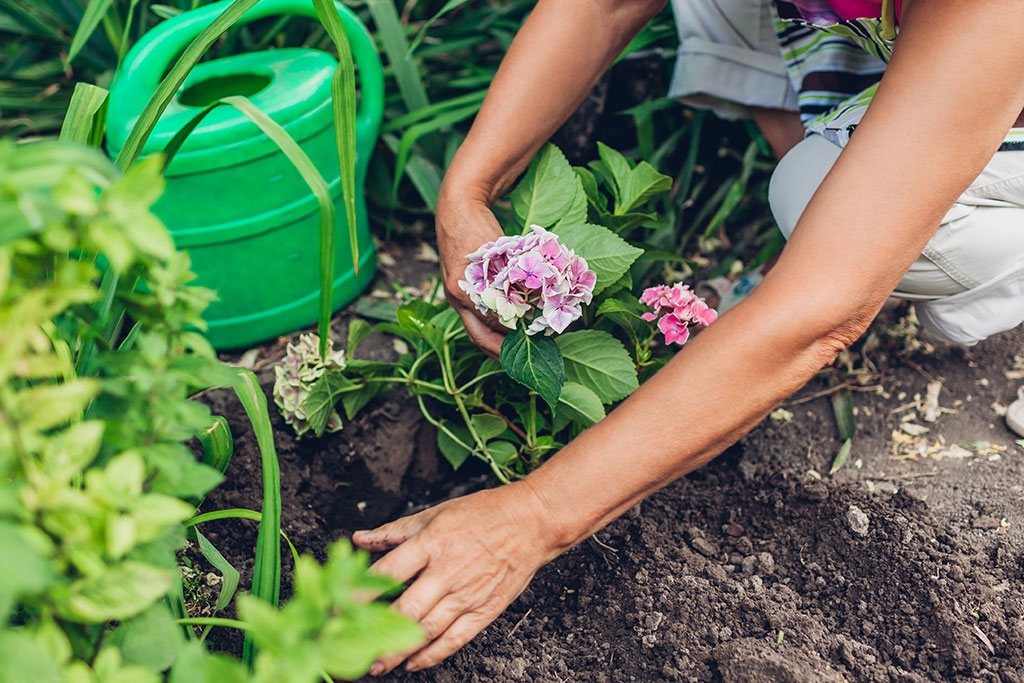
Like many beautiful plants, the hydrangea requires proper care in order to reap remarkable results. First, visit a local nursery, farmers market, or gardener to ensure that you select a healthy-looking and well-blooming shrub with stiff leaves. Then determine the best spot to place it. Whether potting or planting outdoors, choose an area on the east side of your home so it can soak up the full morning sun and enjoy afternoon shade. If it’s going in the ground, also make sure that it is three to ten feet away from other large plants to accommodate its growth potential. And for an indoor hydrangea, put it in a well-draining pot near a window that receives direct morning sunlight.
Soil is the foundation of any healthy plant, so opt for a moist, fertile variety that encourages drainage, and add compost or fertilizer if needed—nourishing the soil is especially crucial if you reside in a drier region of the country. Be mindful of your timing as well: the Old Farmer’s Almanac recommends planting a hydrangea in the early morning or late afternoon to avoid immediately exposing it to intense heat or sunlight. Once you plant it, cover the dirt with organic mulch to lock in moisture and prevent weeds from growing and stealing its nutrients.

Though hydrangeas are not generally fickle, you should adhere to these care guidelines to protect your shrub’s beauty:
Those who live anywhere in zones 3 through 9 can generally stick to these basic steps to witness vibrant results. However, if you reside further north or south, you should be more attentive to signs like drooping leaves and underwhelming blooms to foster a healthy and colorful plant.

Hydrangeas are sure to add a vibrant pop to your garden, maximizing your curb appeal if you place a shrub on either side of your entryway. And a potted one on an indoor windowsill may lend the space an additional touch of elegance and charm, emitting a gentle, sweet scent for a soothing ambience. But these benefits don’t have to be relegated to only the sunnier spots of your home. Source clippings either from a store or your own yard, and you can enjoy them as stunning decor in whatever rooms you like.
For instance, you could set them in a large vase to feature them prominently on your dining or coffee table or arrange them in smaller vessels to accessorize bookshelves, countertops, or end tables. While they serve as excellent focal points on their own, you could also pair them with complementary greenery—including subtle blue-green eucalyptus or leaves from their own stems—and other flowers in a compatible color palette. Or for a fulfilling home project, consider drying the petals to make long-lasting arrangements that add a charming element to rustic or vintage-inspired areas of your home.
Almost infinite ways exist to enjoy a hydrangea’s beauty, but wherever and however you decide to feature this magnificent flora, it’s sure to make a rousing impression.