+
+
+
Dear Friends, Neighbors, and Future Neighbors,
Spring is often associated with nature and growth, making April arguably the best month for embracing both! I might be a little biased because my birthday falls in April and therefore Spring's beginning has always been a time of celebration for me, surrounded by friends & family. This month was no exception. As we head into May, this issue of Good to Be Home is here to help you do so with tips for designing an outdoor cooking area, strategies to help you conserve more water, quirky and fun design inspiration, and eco-friendly ways to update your yard and garden.
There’s nothing quite like grilling when the weather turns warmer. If you’ve dreamed of improving your outdoor cooking area, the enclosed budget-friendly tips for creating a beautiful, functional outdoor kitchen can help make your dream a reality.
Many household chores and routines, from washing clothes to showering, depend on water. As a result, your daily water usage can quickly add up. The simple strategies in this issue can help you conserve more of this precious resource and decrease your monthly water bill.
Designing a home is no simple task since there are seemingly endless options to choose from. And while there’s nothing wrong with clean, simple home design, you might want to consider adding more personality to your decor. Be sure to check out the article inside for out-of-the-box designs that are sure to make your living areas pop.
Your exterior spaces can really make or break the overall appearance of your home. Whether you’re looking to simply add more character to your lawn or garden or completely change your landscaping, this issue offers up regionally based and eco-friendly ways to upgrade your yard.
Here’s to hoping you have a fantastic April! As always, it’s a pleasure to send you this magazine.
+
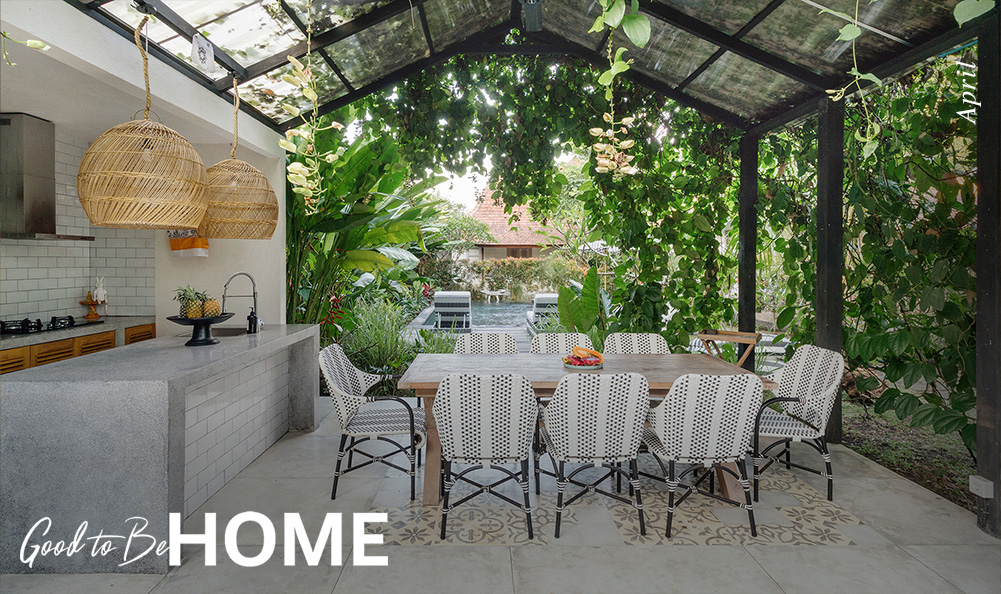
When the weather is nice, you may yearn to prepare your meals outside, and having your own outdoor kitchen can make it easier. Whether you purchase an economy grill with a utility food-prep surface or invest in an elaborate setup that includes a refrigerator, sink, and other chef accoutrements, an outdoor kitchen could provide you with everything you need to master outdoor cooking. Despite how it may seem, however, building one doesn’t have to be overly expensive. Follow these tips to make your perfect outdoor kitchen without breaking the bank.
To begin, you’ll need to decide where to create your outdoor kitchen. The best spot will likely be close to your home’s kitchen so you can grab ingredients and other items as needed. But if you’ll be cooking on a grill, you should plan to place it at least ten feet away from your home, trees, and other flammable objects to avoid accidentally sparking a blaze. (As a precaution, always keep a fire extinguisher nearby.)
Once you’ve picked the location, measure your available space to determine whether you can add extras like a sink, refrigerator, additional appliances, or storage—and whether they’ll fit into your budget. If you can’t create your dream kitchen from the get-go, start small and improve it over time.
It may be tempting to get a top-of-the-line, natural gas grill and have it professionally installed, but doing so could blow your entire budget. Instead, consider choosing a less expensive appliance like a propane or charcoal grill. Although you’ll still need to stock it with fuel, doing so is often easier and less expensive. Then you’ll be able to augment your setup with inexpensive accessories like a grill basket to prevent diced foods from slipping through the grates while cooking, a grill wok for making delicious Asian-style stir-fries, and a flat-top griddle for preparing eggs, pancakes, quesadillas, and more.
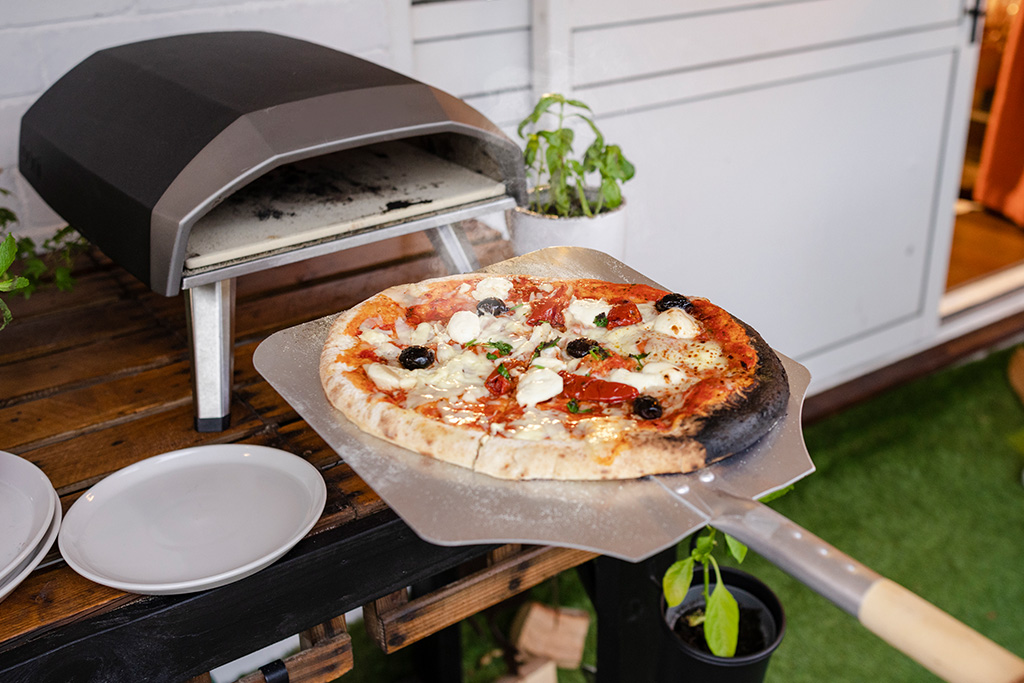
Do you have a little extra money to spend? If so, you could splurge on an item like a portable pizza oven, an outdoor sink that’s powered by your garden hose, a mini outdoor fridge, or even a full-sized fridge. The pizza oven would give you more versatility, as you could also bake desserts like cobblers and cinnamon rolls, and the outdoor sink and refrigerator would be big time-savers.
If you expect to cook after the sun has set, it’s a good idea to bring artificial lighting into your space. Inexpensive DIY options include clip-on or magnetic grill lights, string lights with bright, Edison-style bulbs, or solar lighting. Keep in mind, though, that you’ll get the most illumination in your space if you can bring in more than one light source.
By adding a protective covering over your backyard kitchen, you can prevent inclement weather from ruining your fun. One option is to get a gazebo or pergola, but it’d be best to install a nonflammable metal one over your grill since a fabric or wood one could catch fire.
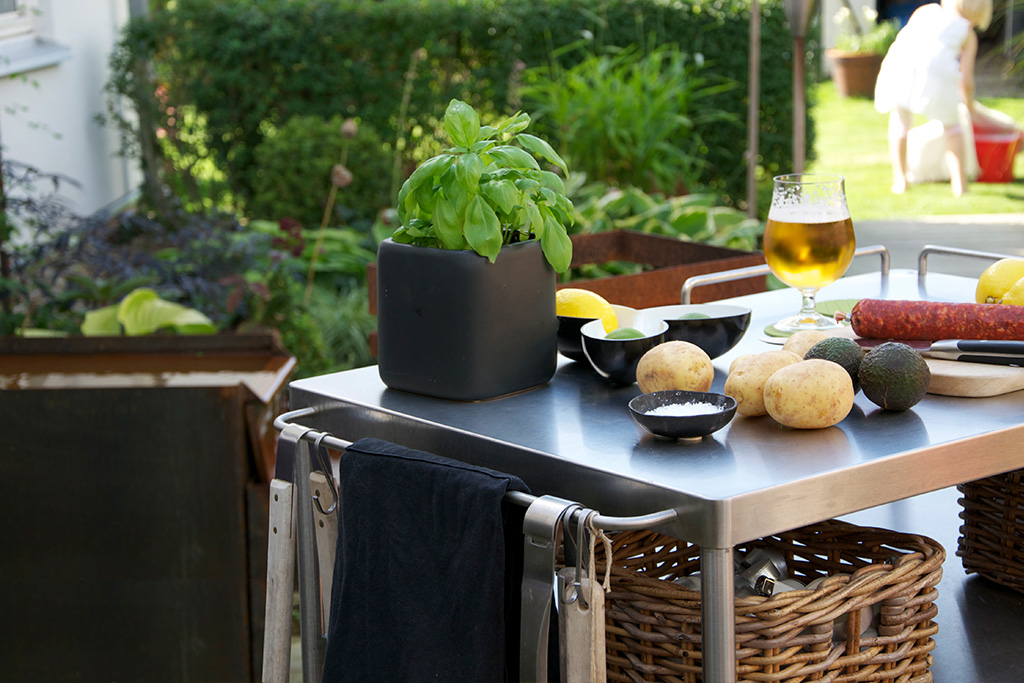
For seamless outdoor cooking, you’ll need flat, sturdy surfaces for your ingredients, cooking implements, and home-cooked meals. You can do this by setting a multitiered cart or small folding table next to your grill; just make sure that your choice can withstand the elements. If you’re handy and would like a built-in look, you could construct your own grill surround by stacking retaining-wall blocks.
Storage is often at a premium on a deck or patio, but you can still get the space you need with inexpensive outdoor cabinets; weather-hardy cabinets made of stainless steel or resin are a particularly good choice. Other options include durable and waterproof ottomans with hidden compartments, storage benches, or simple plastic storage containers.
Even if your budget is low or your space is limited, you can still create an outdoor cooking area that will give you what you need to prepare the best meals under the sun, moon, and stars.
+
One of the greatest comforts and conveniences a home can offer is its access to water. From taking long, hot showers to washing clothes and dishes, so much of everyday life as we know it is possible because of this precious resource.
However, we waste a tremendous amount of water each day, which can have a drastic impact on our wallets, our health, and the earth. Fortunately, we can all do our part to help remedy the situation by taking a few sensible actions to lower our usage.
To fully grasp the situation, consider these key statistics about overall water availability and American water usage.
Looking at the pertinent numbers about water, the situation may seem worrying (and it is). But it’s not without hope. Here are seven areas, both inside and outside your home, where you can make a meaningful impact.
A frequent source of inefficiency, this appliance is too often run when it’s not completely full. You can save an entire load of dishes each week—and approximately 320 gallons of water per year—by filling it up each time. Another water-saving tip: scrape food off your dishes instead of rinsing it off.
To maximize your household’s other primary washing appliance, apply the same strategy: make sure to do only full loads. Also, use cold water whenever the materials being washed allow for it.
We all love getting clean, but how we do so matters. In fact, taking a bath can use up to twice as much water as showering. When you shower, keep it between five and ten minutes to help both your bottom line (by saving about ten gallons of water per five minutes) and your health (as your skin won’t get dehydrated).
There are several easy ways you can save water by adjusting your daily routine. For example, turning the water off while brushing your teeth and shaving can save up to 5,700 gallons of water annually.
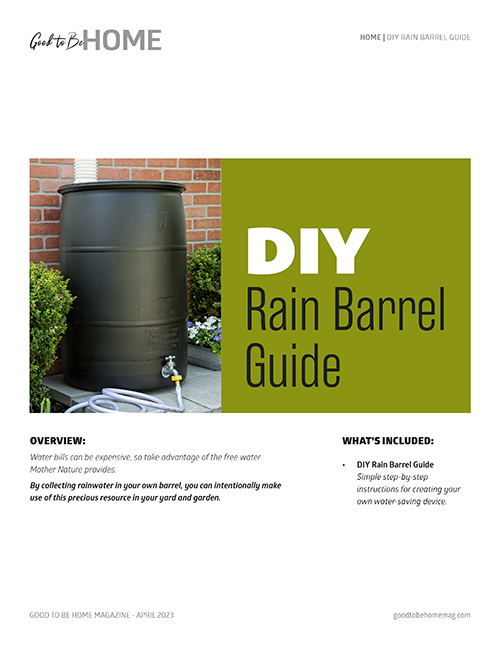
With the weather getting warmer and summer not too far away, it’s a good time to evaluate your outdoor water usage. Making smart decisions, such as watering your yard and garden in the morning and keeping your grass taller, can help you both conserve water and maximize your curb appeal. And if your municipality allows it, you could try collecting water runoff in a rain barrel, which is an efficient way to maintain your garden.
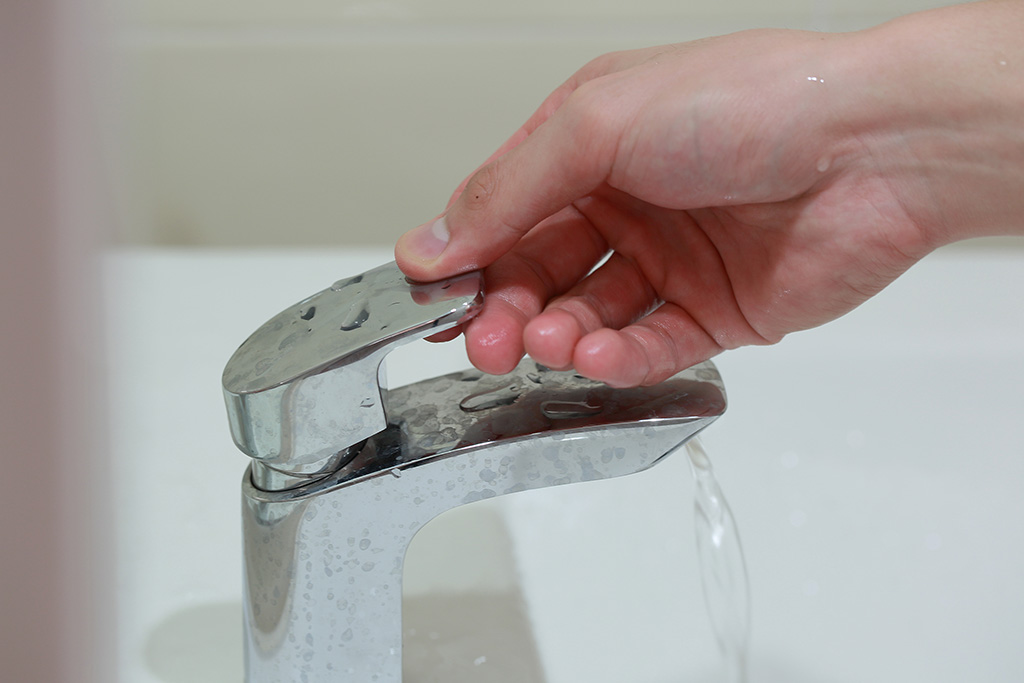
As mentioned earlier, leaks account for about 10,000 gallons of wasted water per household each year. So regularly checking for dripping or running water in your toilets, showers, sinks, and hoses—and fixing any problems quickly—can make a big difference. You can use this drip calculator to determine the impact leaks may be having on your water bill.
Perhaps the easiest way to reduce your water usage is to utilize products, from toilets to sprinklers, with the EPA’s WaterSense label, which indicates that they meet the organization’s strict standards for water efficiency. For example, swapping out standard showerheads, faucets, and toilets for WaterSense versions can save you around $450 each year on your bills.
Clearly, water waste is a huge issue in the twenty-first century. But when you make simple, water-focused changes to your home and lifestyle, it can make a big difference to your wallet and the planet.
Download the DIY Rain Barrel Guide
+
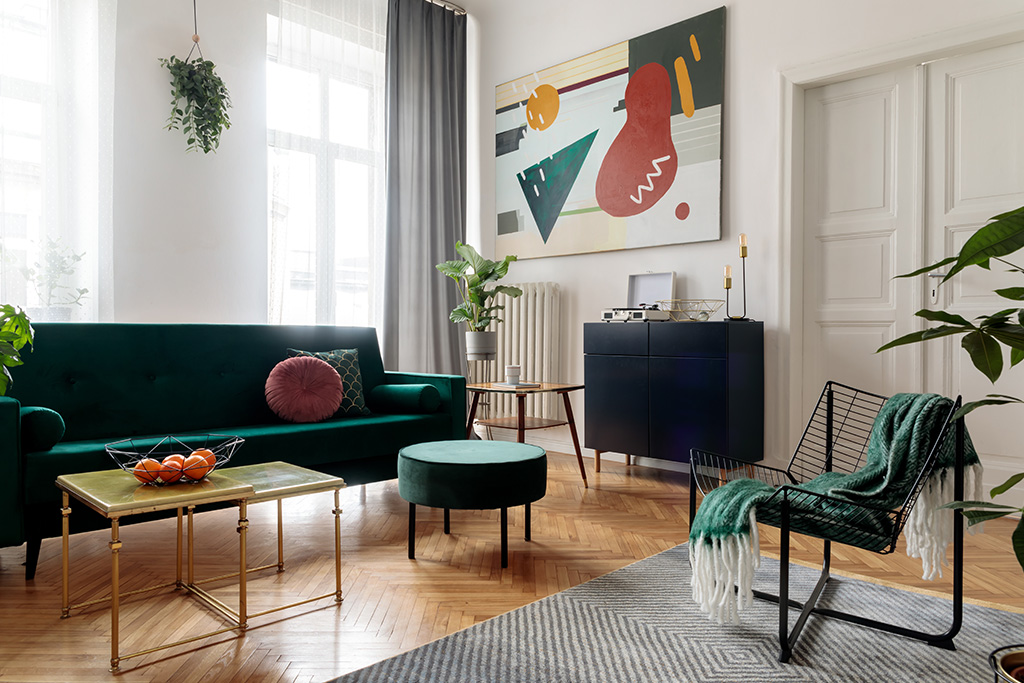
Mainstream home design trends are admirable for their sleekness and simplicity, but for those with eccentric personalities, they’re often too stuffy or formal for comfort. If you’d rather live in a home that’s fresh and unique, indulge in vibrant and resident-forward designs that take on a whimsical bent. Such styles are becoming so popular, perhaps for their sheer opposition to formality, that top names in the interior design world are taking notice and following suit.
Generic coffee-table books and matte ceramic pots beset with tall houseplants may be common, but nontraditional decor may stand out more. Unusual antiques and hand-me-downs can take center stage in your home as conversation pieces or even add fun accents to rooms as hidden gems. Examples of this include asparagus-shaped plates, tomato candles, and other ceramic vegetable ornaments, which have trended on TikTok for their delightful tackiness.
Nothing is off-limits, so indulge in whatever decor appeals to you, whether it’s film-series merchandise, odd retro lamps, or other cherished acquisitions. Just stick to a tight color palette to make the room feel cohesive—that way, your decorative choices will look deliberate rather than messy.
Practice your best inquisitive “hmm” expression for your next visit to a furniture retailer. In recent years, sofas, chairs, and even small end tables have become as unusual and thought-provoking as fine art itself. Many of these pieces feature the shapely silhouettes of midcentury modern decor but with a twist of modern rebellion.
Consider, for example, the bulbous Muse sofa and fanciful Luca console table by esteemed furniture designer Sarah Ellison or the statement-making Skyladder shelf by Gabriel Tan that resembles a ladder dangling from a hot-air balloon. The Ekstrem chair by Scandinavian designer Terje Ekstrøm, meanwhile, is so curiously shaped that it blurs the line between a place to slump after a long day and an artistic object someone should display behind glass. These pieces are certainly on the expensive side, but anyone craving something unexpected to spice up their home interiors and intrigue their guests could find similar pieces at shops like West Elm and IKEA.
If you feel that your home could be more welcoming to circus folk, try the eccentricity of carnivalcore. This downright wacky design trend leans heavily into all things circus (short of the exotic animals and big-top tent). Key qualities include bright primary colors, decorative details resembling faces, and checkerboard or stripe patterns across floors, walls, and upholstery.
While few could pinpoint the exact origins of this trend—or what can be done to stop it—carnivalcore’s popularity lies in the youthful urge to make the adult home feel fun and fantastical. Interior designer Job Smeets folds kitschy carnival aesthetics into many of his home designs, while actress Cara Delevingne made waves across the internet when she revealed her home’s carnivalcore interiors, featuring a tented poker room, a vibrant costume room, and an adult-sized ball pit. Carnivalcore may be a tad too off-kilter for some, but consider this your permission to venture at least a few steps past the velvet rope and let your inner child do the decorating.
If you’d prefer to capture your madness within picture frames, go on the hunt for some surprising art pieces. Adventurous designers are known for taking liberties with statement art, so feel free to push the envelope off the desk, down the hallway, and into a whole other realm as you curate your home.
Shop on social media or at local galleries for unusual finds, taking major art trends as inspiration—think of Yayoi Kusama’s polka-dotted art or the dreamlike paintings of Brett Goodroad. If you’re concerned about the high price of fine art, consider buying affordable prints directly from independent artists. Frame them, and few people may suspect they aren’t original works.
However, sometimes even rebellion must stick to the rulebook. While shopping for unique paintings, drawings, sculptures, and photographs, narrow down your choices to art within a tight color palette to ensure it matches its surroundings. Consider shopping with a list of the dominant and accent colors of each room in your home so your overall design looks cohesive and satisfying. If all this color theory confuses you, you can always seek out black-and-white art, which will never clash with other shades.
Neutral rooms aren’t necessarily the most exciting, but you don’t have to ditch them entirely to embrace your quirkiness. For example, check out Behr’s 2023 Color of the Year, Blank Canvas—creamy white with notes of light gray and tan. Don’t use this tone as a guardrail that limits your home to bland neutrals. Rather, embrace what Behr calls the “limitless potential” of this color and make it a backdrop for all your colorful whims, using the namesake painter’s canvas as inspiration. Against a neutral wall, your bright and quirky art, furniture, and accent decor will pop, making what could’ve been a dull room far more fascinating.
If you don’t feel represented in a neutral-painted room, consider vivacious wallpaper with multicolored, geometric-patterned, or even scenic designs. This is your opportunity to go beyond hanging wall art and instead make art of the walls themselves.
Ultimately, quality interior design goes beyond what you might normally expect. Gone are the days when the good furniture remained wrapped in plastic in an unused formal room. In 2023, bridge the gap between your sense of style and your sense of self for a home that will not only look stylish but also feel like home to you—as unique as you are.
+
Whether you want to give your outdoor space a simple face-lift or are interested in a complete revamp, there’s nothing better for your yard—and the environment—than eco-friendly garden, lawn, and landscaping practices. Keep in mind that weather can fluctuate between and within seasons, so, depending on your region, it may necessitate different types of plantings and decor. Some projects will likely be short-term, while others may take longer. However, wherever you are and whichever project you pick, you’re sure to end up with a yard that will dazzle.
Certain areas in the West, like Colorado, tend to have heavy, clay-like soil, making it difficult to irrigate. As a result, additional systems are often needed to conserve water and other natural resources. In addition, places such as Arizona and the deserts of California experience temperatures exceeding 100 degrees during summer, which leads to ongoing droughts that are nearly impossible to protect a yard from. However, there are several eco-friendly ways you can improve your curb appeal while also responsibly landscaping.
Lawn
If you live in an extremely hot and dry climate, you can conserve water by using drought-tolerant seeds and sod. Even during the most difficult times of the year, they can help keep your lawn looking healthy and green no matter how little water it gets. You can also opt for a more sustainable lawn by replacing traditional green grass with native ornamental grass, turf, moss rock edging, or ground cover.
Flowers and plants
If you love colorful flowers, enhance your curb appeal by planting hearty perennials, like the small-flowered penstemon. Available in a variety of eye-catching colors, this flower can withstand extreme weather conditions. Plant several in your garden beds or in pots placed by your front door or curb. You could also consider planting succulents, which come in a range of shapes and sizes. If you prefer more plant-like vegetation, opt for ones like the desert spoon, a sculptured, spiky plant that can add a striking pop of green by the corner of your home.
Xeriscaping
For a truly avant-garde look, ditch tradition entirely and try xeriscaping, a form of landscaping that focuses on sustainable principles. Using drought-tolerant plants, gravel, sand, mulch, and other permeable hardscapes, this method helps with water conservation, soil improvement, and irrigation. It’s a great way to obtain a stunning yard that also works perfectly with your environment.
This region of the country experiences all types of weather, ranging from hot and humid conditions to cold, snow, and wind. However, an attractive, sustainable exterior that can withstand such fluctuations in weather is certainly attainable.
Decorative elements
Placing garden art, such as sculptures or statues, spherical orbs, or metal garden stakes, around your property is a great way to create a visually pleasing, sustainable front yard that requires no water, fertilizer, or insecticides.
Water conservation
Beef up your home’s curb appeal and reduce your watering by intentionally diverting water in your yard. One option is adding a swale—a shallow ditch—to your landscape design. It not only helps with water management but also promotes natural irrigation. Other options include adding a retaining wall or terrace garden.
Wildlife garden
If you love having wildlife around your home, consider constructing a butterfly, wildflower, or meadow garden. Such a garden can give your yard a dimension of color along with beautifully manicured landscaping. It also reduces the use of fertilizer and pesticides and provides water, food, and shelter for wildlife such as bees, birds, and ducks.
Keeping your curb appeal up to snuff can be difficult in this part of the country due to the constant change in temperature and various types of precipitation. On the plus side, being in a four-season climate allows you to diversify your landscaping and add eye-catching elements to your home’s exterior.
Hardscaping
Brown lawns, dormant shrubbery, and leafless trees are inevitable during Northeastern winters, but there are ways to keep your home’s exterior attractive year-round while embracing eco-friendly practices. For example, consider replacing portions of your traditional lawn with a walkway to your front door, a terrace, or a garden path made of stone pavers, bricks, or tiles.
Plants and flowers
A four-season climate has its advantages, including a greater variety of available seasonal plants and flowers. However, if you want to enhance your garden and curb appeal, think about sustainability when planting for each season. Trees and plants that are indigenous to your region are often the most eco-friendly.
Vertical garden
This type of sustainable gardening has been gaining popularity, especially among city dwellers. Even without a front yard, you can create a lovely entryway by hanging garden pots or building a trellis that fosters attractive vine growth. Flowers, fruits, and vegetables can also flourish in these gardens. As a bonus, the oxygen released by the plant growth can lead to an improved living environment.
Although the South experiences more rainfall and higher temperatures during various times of the year compared to other regions, it can also experience severe drought-like conditions, which makes it challenging to keep your plants and flowers healthy. With a little creativity, though, you can boost your curb appeal during these dry spells and conserve water and energy.
Trees
Did you know you can save energy by strategically planting deciduous trees like birch, maple, and oak around your home? Doing so on the west or south side of your property can provide shade year-round, reducing the energy used to cool your home in summer and heat it in winter. Plus, trees can add tremendous beauty to your home’s exterior.
Rocks and permeable hardscapes
A traditional lawn often requires a lot of care and resources. It not only taps into the water supply but can also hurt the environment by requiring fertilizer and pesticides. Instead, reduce your overall lawn area by replacing part of it with river rocks, concrete pavers, or decomposed granite.
Solar-powered landscape lighting
Make your home safer for guests by adding sustainable lighting to the path leading up to your front steps. You can even illuminate your shrubs, trees, or rock gardens to create a welcoming, attractive appearance to your home’s exterior.
No matter where you live in the country, always take care to support your local ecosystem. Be judicious when watering your plants and lawn, and, when possible, use sustainable systems and local materials to reduce your carbon footprint while still achieving your desired look.

+