The cozy charm of February is here, bringing with it the perfect opportunity to slow down and appreciate the place you call home. This issue of Good to Be Home is here to help spark inspiration, with practical ideas for refreshing your spaces, simple tips to control clutter, two savory recipes, and an exploration of a timeless design philosophy that celebrates the beauty of simplicity.
Get ready to explore sixteen simple yet meaningful ways to show your home some love. From small, satisfying updates like repairing scuff marks and refreshing your fridge to larger projects like refinishing surfaces and restoring vintage pieces, these ideas will help you breathe new life into your spaces.
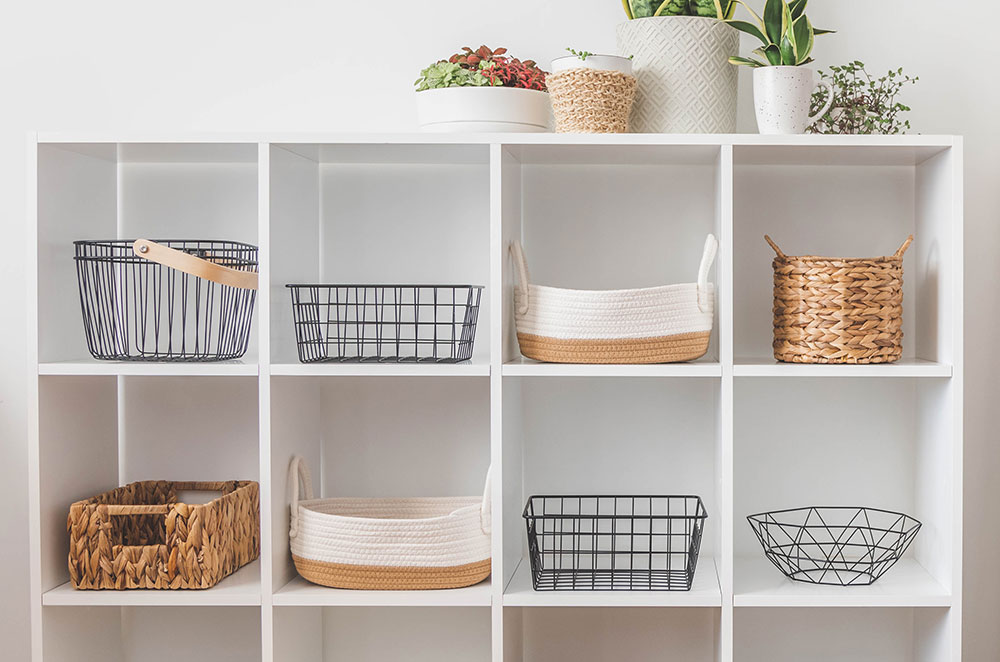
If clutter tends to pile up during the winter months, you’ll enjoy the enclosed feature on smart storage solutions. With simple tips for using boxes, dividers, and frequently overlooked areas, this guide can help you maximize space while keeping everything functional and stress-free.
Of course, February wouldn’t be complete without some cozy comfort food. Inside, you’ll find two savory recipes that are perfect for chilly evenings: a baked French onion soup and a hearty harvest pie. Both are sure to warm you from the inside out.
Finally, dive into the philosophy of wabi-sabi, a timeless Japanese aesthetic that embraces imperfection and natural beauty. Discover one expert’s tips for using textures, muted colors, and soulful pieces to create a tranquil, organic feel throughout your home.
Here’s to a month of warmth, comfort, and gratitude. As always, it’s a pleasure to send you this magazine.
There’s a major difference between a house and a home. Though the former is just a shelter, the latter expresses a comforting feeling, the inhabitants’ personalities, and a welcoming spirit all at once. But to create such a heartwarming vibe in your own abode, you must invest a little affection in it.
Consider any of these sixteen steps to start, some of which are virtually effortless while others require a bit more work. By taking even just a few, you’re sure to elevate your house to a place that perfectly represents you and your family—inside and out.

Somewhere stashed in your kitchen cabinets, garage, or utility closets may be objects that are simply taking up space. Commit to getting rid of or donating at least five; if you forgot you had them at all, you won’t even miss them.
Similarly, it’s time to throw away whatever is in those old cartons, jars, and containers that continually get pushed around or forgotten. For a truly satisfying project, organize what’s left into neat, grocery store-quality rows.
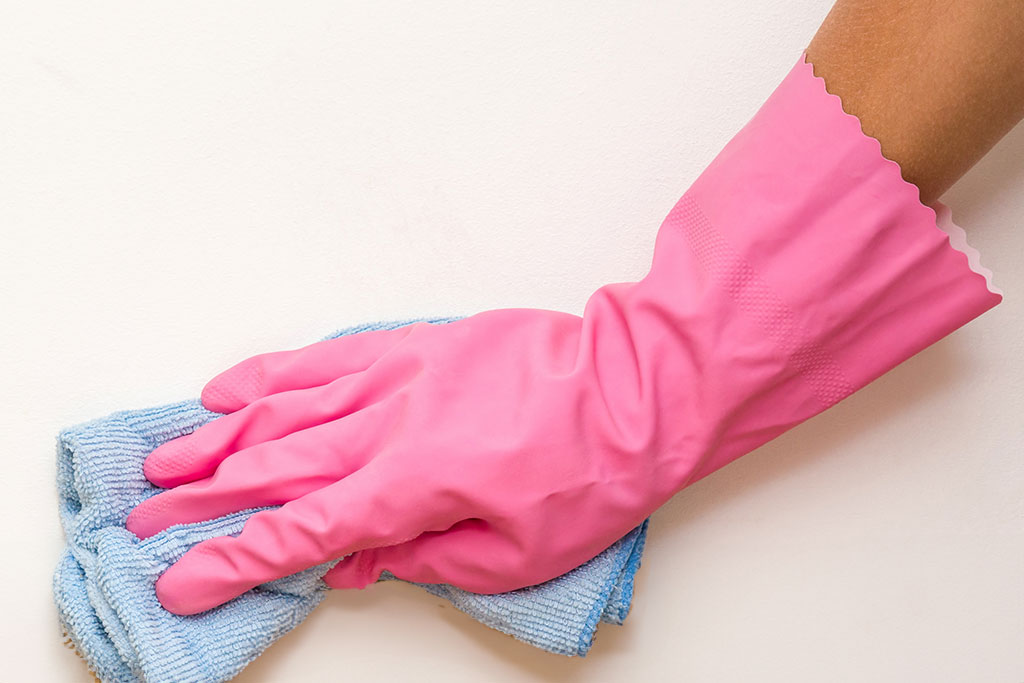
If these little annoyances on your walls are impacting how you feel about your home, clean them with a damp, soapy cloth—ideally one that’s white and lint-free—and paint over them if necessary. Do your entryway walls first before moving on to other high-traffic areas like the kitchen and children’s rooms.
Are your spaces suffering from etched marble, scratched hardwood, or cracked tile grout? Invest in refinishing these valuable materials to restore their original luster and ensure their longevity.

Give a forgotten heirloom or thrift store treasure some love with a touch of paint, a rich wood finish, or modern hardware, then position it somewhere it can claim the limelight. Likewise, give a snapshot of an important moment the love it deserves, framing it and featuring it where you’ll see it every day.
For the ultimate refresh, consider enlisting the services of a cleaning professional to restore your home to like-new quality. You could also hire experts to tackle specific jobs like pressure-washing your siding and patios.

You can enhance any room that has basic overhead lighting by bringing in options at various heights, including table lamps, tall floor lamps, and sconces.
Amp up your hosting abilities with a smartphone-compatible Bluetooth speaker, install remote lights with adjustable color tones, or go practical and efficient with an intelligent home-security hub or digital thermostat.

The “good china” might be hidden away in a cabinet, but it’s time to put it to use. If you don’t have such keepsakes on hand, select a modern serving set that marries bold, compatible colors with tasteful patterns to ring in party time with panache.
Nothing says “Welcome!” (either literally or figuratively) like a charming mat by your front door. Go with a sophisticated option that resembles a miniature indoor rug, or pick a quirky piece that portrays your interests.

These gorgeous pieces will instantly make rooms feel cozy and compact and can help split large, breezy spaces into smaller, more welcoming zones. Placing rugs in your living room, bedrooms, and dining areas can even pull together color and style motifs for major impact.
Muted hues, plush fabrics, and eye-catching prints—these are the principles that make pillows as stylish as they are squeezable.

Treat yourself to bath soaks, an invigorating shampoo, and other aromatic self-care concoctions, dispensing them into matching containers to enhance the luxury factor. Taking this small step will set you up to rejuvenate completely, marking the perfect start or end to each day.
Beyond the bathroom, a satisfying smell can revamp your entire home, making it almost as comforting as a plush sofa. Using wax melters, candles, or aroma diffusers, you can make an instant impact, especially on your guests.

Fresh bouquets add a touch of vibrant color and life to any space. Try adorning a cocktail table with proud birds-of-paradise or gracing your powder room with a sprig of peonies.
You know the one—it’s likely been on your mind for weeks, months, or even years. It’s time to make it happen, either by getting in touch with a home renovation contractor or landscaper or setting aside a day for a DIY undertaking. With such commitment, you can finally make your dream-home vision come to life.
If you’ve ever looked around your home and wondered where all the stuff in it came from, you’re certainly not alone. According to a survey from Talker Research, half of the respondents deemed at least one room in their place unsalvageable due to clutter. In fact, our houses are so overflowing that, per StorageCafe, an estimated one-third of us utilize self-storage.
One way to take control? Get creative. Here are some simple ways to maximize your spaces and prevent your belongings from becoming burdensome.

For most people, sectioned-off areas—including drawers, shelves, and large receptacles—are big sources of mess stress, and basic boxes or bins are great for increasing their cleanliness. For instance, a crate would work well as a sturdy keeper of small tools on your workbench, while adding shallow bins to your freezer can make grouping, and thus finding, items easy. And if your drawers are too small for boxes, opt instead for organizers like dividers for a similar decluttering effect.
Do you have an alcove that’s not currently being utilized? Mull over what you could potentially store there. Consider the space under your basement stairs: it can be used to neatly stack paint cans if the room is unfurnished, or you can add shelving if it is. In addition, the gaps beneath beds are a perfect place to keep items like seasonal clothes in covered bins. You can do the same below a sofa that has tall legs.

Sometimes, the answer to our problems is staring right at us—in this case, it’s our doors and walls. Over-the-door hangers, for example, are convenient out-of-sight options for draping everything from robes to purses to ties in various rooms and closets; shoe organizers can also do the trick. Cabinet doors are similarly ideal for storing hair dryers, utensils, and the like using hooks or magnetic strips.
In addition, you can find inspiration in the classic pegboard. Normally hung in the garage, it can be added to a wall in virtually any room. Utilize one for impressive craft storage or even for organizing your kitchen’s pots and pans.
The ongoing battle to keep your home clutter-free can be won with the right tools and a little ingenuity. You’ll be amazed at the possibilities that exist when you make the most of your square footage to stow away your possessions.
Winter calls for warm, flavor-packed dishes, and you can’t go wrong with these two recipes from A Cookbook for Winter. They are a testament to the power of home-cooked meals, promising rich flavors and a truly satiating experience that will leave a lasting impression.
An elevated take on a classic, this soup features perfectly caramelized onions and a decadent, bubbling Gruyère topping.
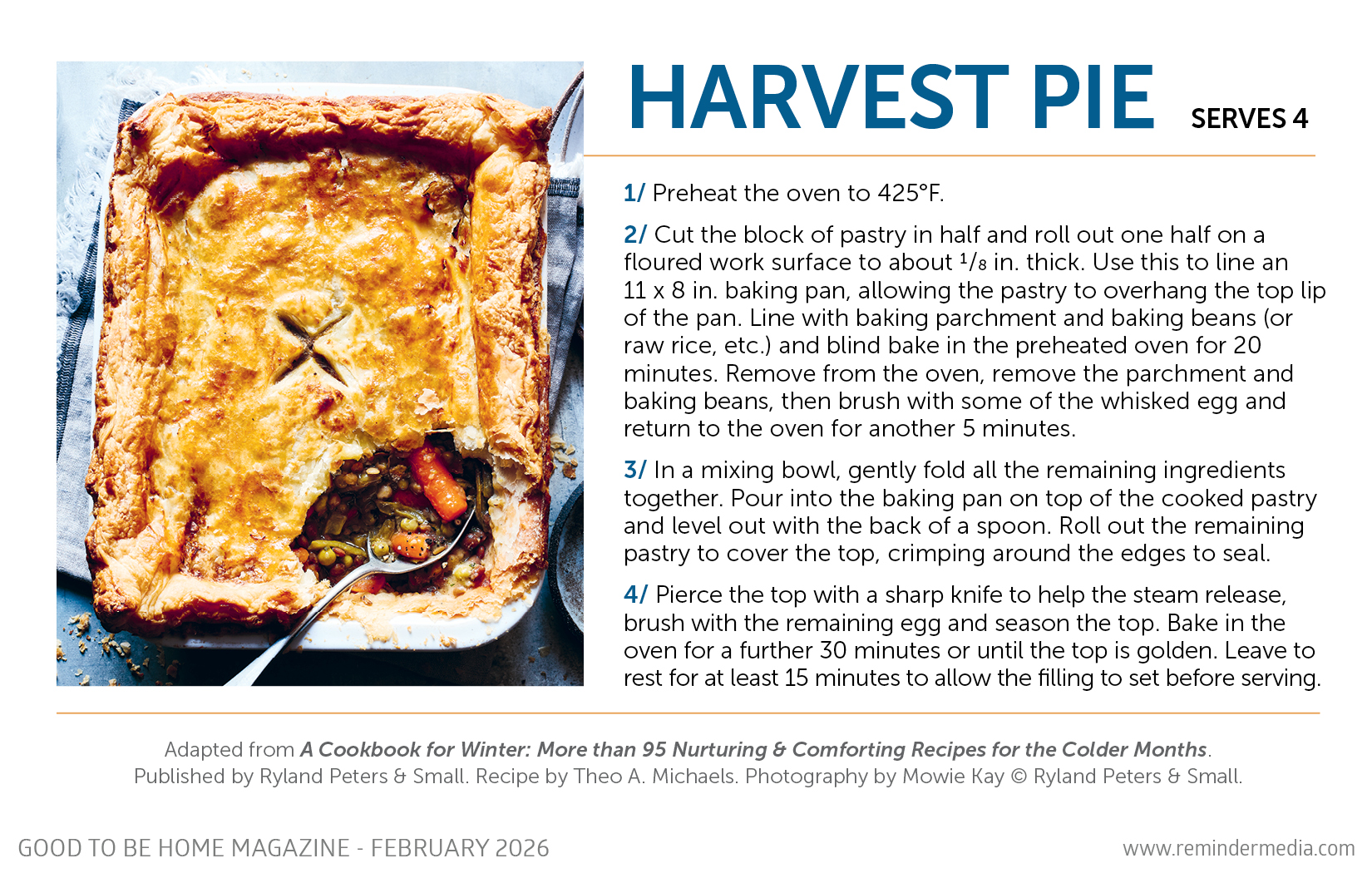
This pie is packed with a medley of vegetables and features a tasty filling—making it a perfect cold-weather dish.

Adapted from A Cookbook for Winter: More than 95 Nurturing & Comforting Recipes for the Colder Months. Published by Ryland Peters & Small.
Slowly braised onions are truly one of life’s pleasures, especially in this classic, comforting soup, with its topping of melted cheese.

Serves 4




This harvest pie is packed with canned lentils and vegetables and uses potato and leek soup to bring everything together for a hearty and savoury supper. If you were short on time, you can mix the filling directly in the pastry case and just top with a pastry lid, then into the oven for a quicker fix.

Serves 4

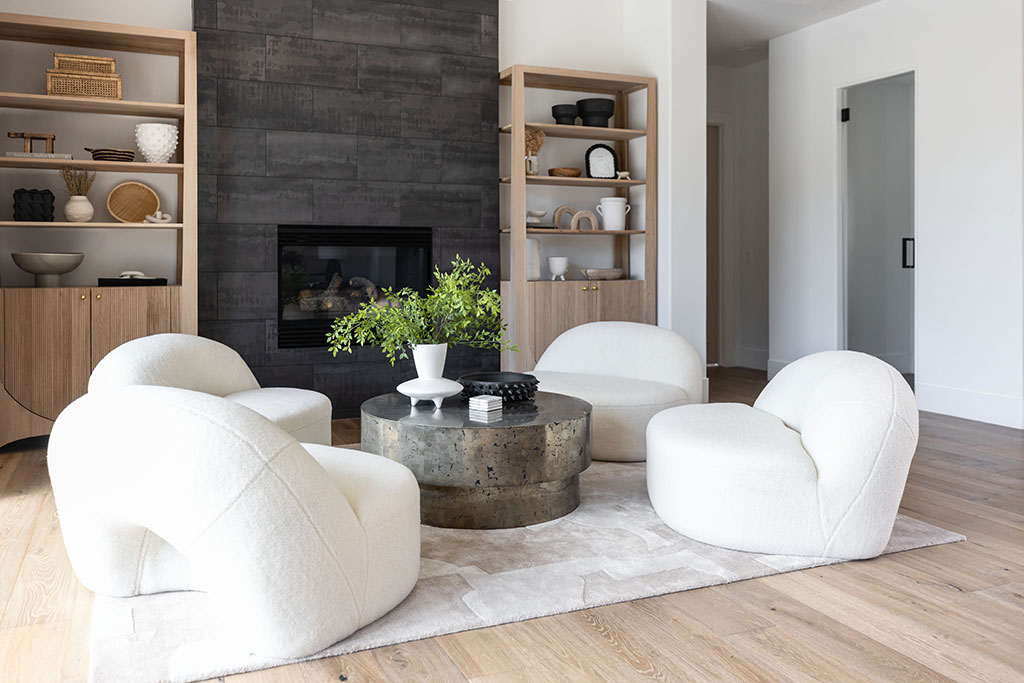
In an age when sleek minimalism and perfectly curated spaces often take center stage, a more grounded, authentic alternative has recently emerged as a quiet force—wabi-sabi. Rooted in ancient Japanese philosophy, this aesthetic embraces imperfection, impermanence, and the beauty of natural materials, celebrating the soulfulness that comes with genuine elements.
Because of its increasing popularity, many experts are now incorporating the style into their work, including Lauren Lerner. Known for her elevated yet approachable designs, she is the founder and CEO of Living with Lolo, a top-rated firm based in Scottsdale, Arizona. She shares how she interprets wabi-sabi and how people can bring its calming energy into their homes.

Tell us about yourself and Living with Lolo:
My career path started in business and sales, but I have always loved dabbling in design any chance I could get. Taking a huge leap of faith, I started Living with Lolo in 2017, aiming to focus on how a room makes my clients feel rather than simply how it looks. Today, we offer white-glove interior design services nationwide, have designed for many celebrities, athletes, and busy executives, and have been featured in national publications for our unique style. I was also recognized as one of Arizona’s top ten interior designers and named to LUXE Interiors + Design’s Next in Design 99.
Would you describe your design philosophy?
No matter the style—from eclectic to wabi-sabi—I always bring in my core philosophy of blending warmth, functionality, and a sense of ease. I love mixing textures and playing with contrast, working to find those special pieces that make a space seem elevated yet approachable. Even when using different aesthetics, my goal is to create a home that feels thoughtful and cohesive, with layers that reflect both the client’s personality and our signature look.
How do you define wabi-sabi?
Wabi-sabi is a design concept that embraces natural materials, imperfection, and simplicity, often featuring a muted color palette. It shares common threads with styles like minimalism and Japandi, but while the former tends to feel clean and curated and the latter leans refined and modern, wabi-sabi is softer and more soulful. Imagine a crack in a handmade vase, a vintage chair with a little patina, or the quiet character of a textured wall—these are the kinds of details wabi-sabi celebrates. It’s about infusing areas with emotional warmth and an organic ambience; there’s even a hint of hygge in its love for nature and serenity. And yet wabi-sabi carries a subtle elegance all its own.

Why do you think this style has grown in popularity?
It’s easy to feel overwhelmed by the constant pressure for things to be perfect, and wabi-sabi offers this beautiful reminder that imperfection can actually be what makes something feel special and meaningful. People are craving more authenticity and simplicity in their homes, which is why many clients come to us wanting to incorporate wabi-sabi. Unfortunately, the architecture doesn’t always reflect the style, but we’re still able to pull in small elements that nod to it. We find a balance so that the space feels cohesive but also speaks to the lived-in vibe they are drawn to.
What elements do you typically use?
It’s all about natural, organic materials that feel warm and a little imperfect in the best way. I love textures that have a bit of soul to them, whether it’s a nubby textile, a plastered wall with movement, or a vintage piece with a bit of wear. The color palette is usually soft and earthy, featuring warm neutrals and muted tones—shades that feel calming and grounded. When I design in a wabi-sabi style, I stay away from anything too shiny or polished and instead go for matte or brushed finishes that are more relaxed.

Do you have any tips for people wanting to incorporate wabi-sabi?
Start with texture and character, adding in a few pieces like a handmade ceramic, a vintage wood bowl, and a linen throw that’s a little rumpled. And let go of the need for everything to match perfectly. Some of the most beautiful moments come from contrast and the feeling of things being collected over time. Even just simplifying a corner by clearing out the extras and letting a few special items breathe can shift the energy of the space. It doesn’t have to be a big change—it’s more about creating warmth, calm, and an effortless vibe.
For more info, visit livingwithlolo.com