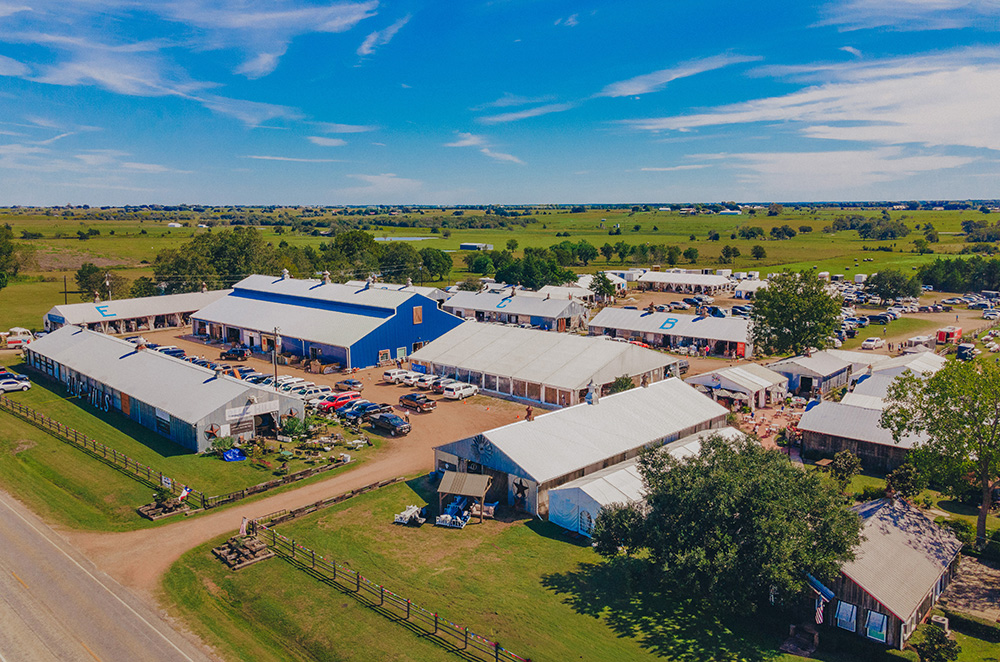
In the rolling hills of Central Texas, the tiny town of Round Top may not seem like a major destination. After all, even though it sits halfway between Austin and Houston, it’s home to only ninety residents or so. However, three times a year it transforms into a lively epicenter for one of the most celebrated antique events in the country: the Round Top Antiques Fair. Known affectionately as “the Show,” this beloved tradition began in 1968 and now spans over eleven miles along Highway 237, drawing collectors, designers, and treasure hunters from near and far.

What started as a modest market has grown into an expansive experience where history and design intersect. During the spring, fall, and winter shows, visitors can explore goods from thousands of vendors offering a diverse range of items, from nineteenth-century sideboards and vintage textiles to midcentury artwork and repurposed industrial finds. Two of the fair’s signature destinations, the Big Red Barn and the Continental Tent, anchor the event with curated collections, but the true appeal lies in the unexpected. Every barn, tent, and field setup holds the potential for a remarkable discovery.
As you explore the fair, expect to see thoughtfully arranged booths that showcase antiques in home-like settings, making it easier to envision how each piece might fit into your own space. Some vendors also specialize in a particular style, like French country, farmhouse, or midcentury modern, so whether you’re furnishing a room or searching for finishing touches, there’s something for every aesthetic. However, the event is as much about the atmosphere as it is about the chance for an antique shopping spree. Each booth tells a story, as do the people you meet along the way.
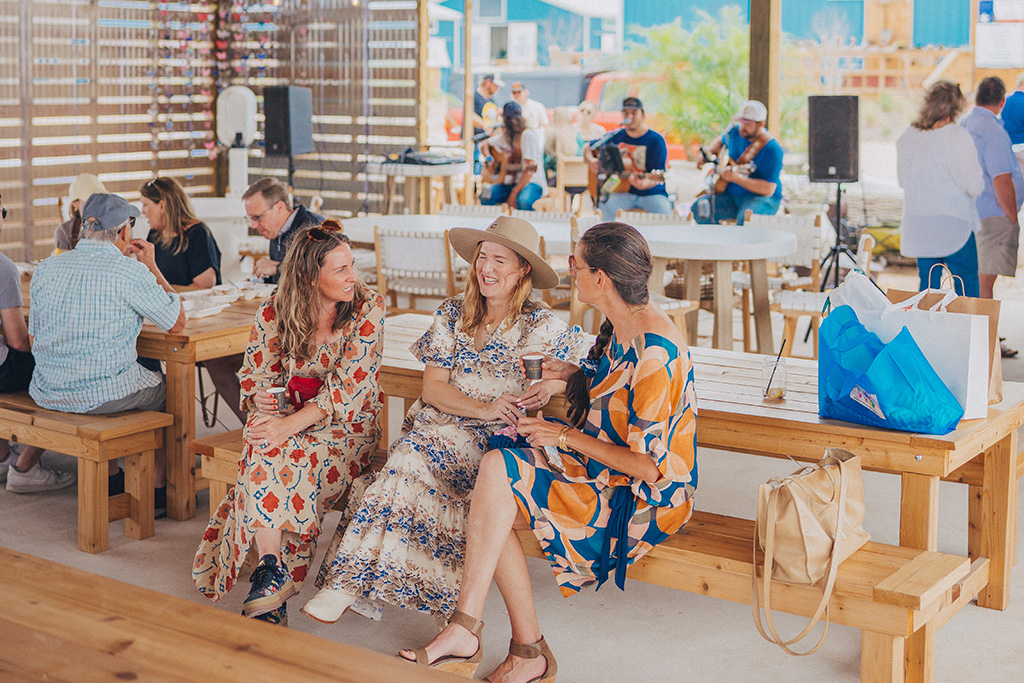
A little preparation can make your visit even more enjoyable. Accommodations in Round Top and the surrounding area book quickly, so it’s a good idea to reserve your stay, whether it’s at a boutique inn, a cozy bed-and-breakfast, or a vacation rental, well in advance of show weeks. Also, be sure to wear comfortable shoes, bring a measuring tape to size up potential purchases, and have cash on hand since not every vendor accepts credit or debit cards. And if something catches your eye, act fast because it may not be there if you decide to circle back later.
As you’re exploring the fair, many locations will have food trucks or restaurants on the property for a midday meal, so you won’t have to travel far to fuel up for your browsing. When you’re done shopping, you can check out a local dining favorite like Royers Round Top Cafe, which serves hearty, homemade meals and pies worth writing home about, peruse local art galleries, visit its historical center, and more.
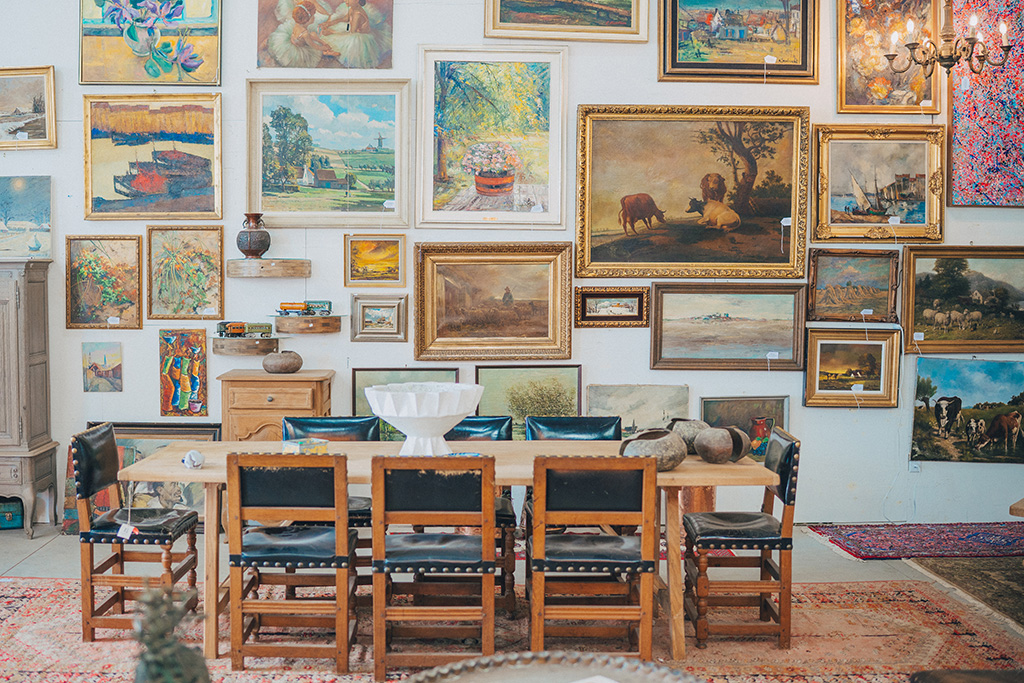
The Round Top Antiques Fair is more than a place to buy antiques. It’s a celebration of craftsmanship, community, and the stories that objects carry. It invites visitors to reconnect with a slower, more intentional way of life, so whether you leave with a century-old armoire or simply a new perspective, Round Top stays with you.
For more info, visit roundtoptexasantiques.com
Summer days may be in the recent past, but as much as you may be eager to look fondly to the days behind, there are many reasons to look forward to what’s ahead: namely, sensational autumn flavors. These two recipes from The Phone Eats First cookbook perfectly encapsulate the comforting feeling of the season, wrapping you in a warm hug of satisfying flavors.
Perfect for weeknight dinners, this filling recipe features bright seasonings and earthy, buttery potato bites.
A classic, rich appetizer takes on a twist: instead of being served in a bowl, it’s set on crisp, golden bread.

Recipes from The Phone Eats First by Allyson Reedy. Rizzoli International 2025. Photography by Chelsea Chorpenning.
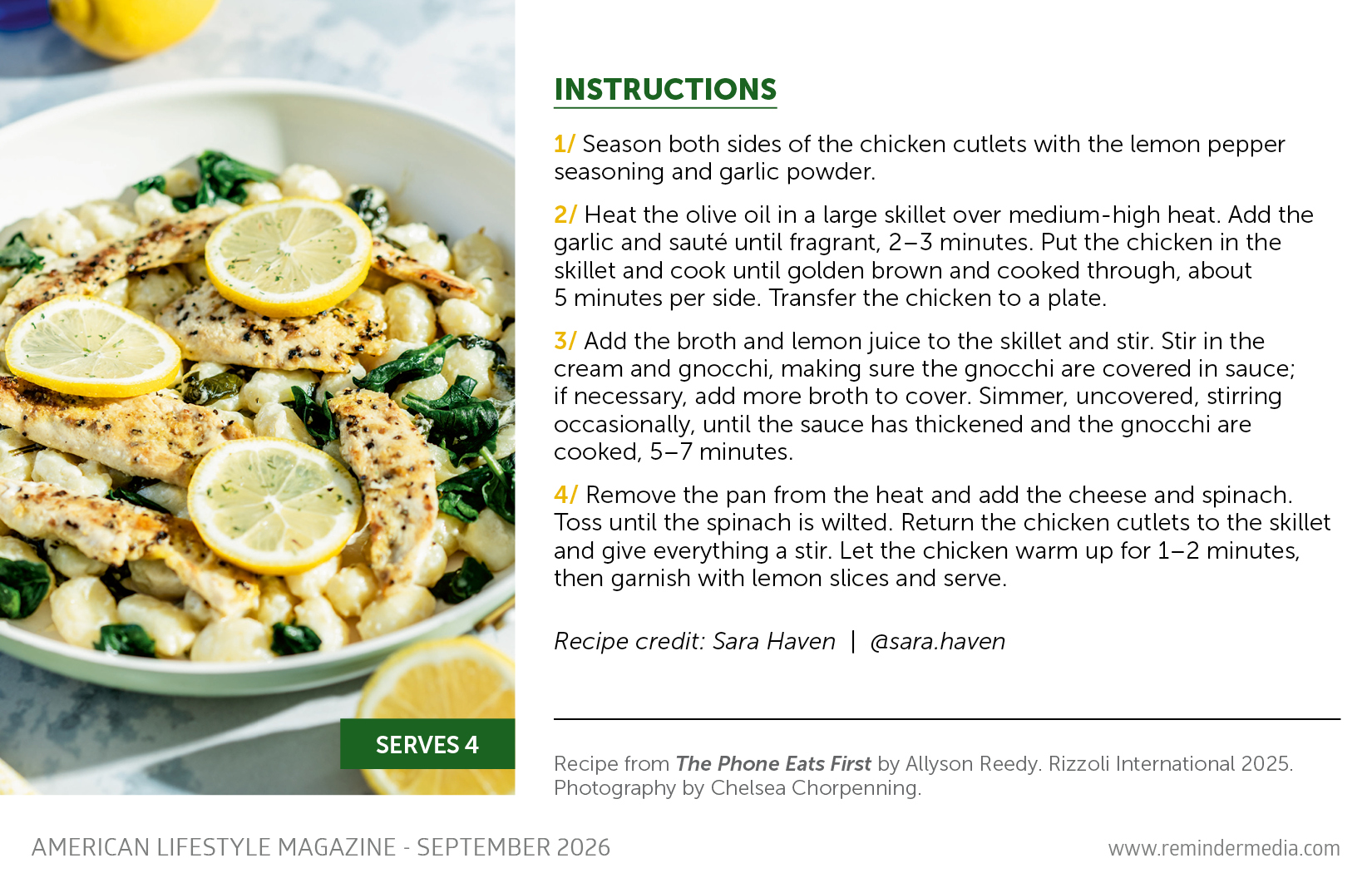
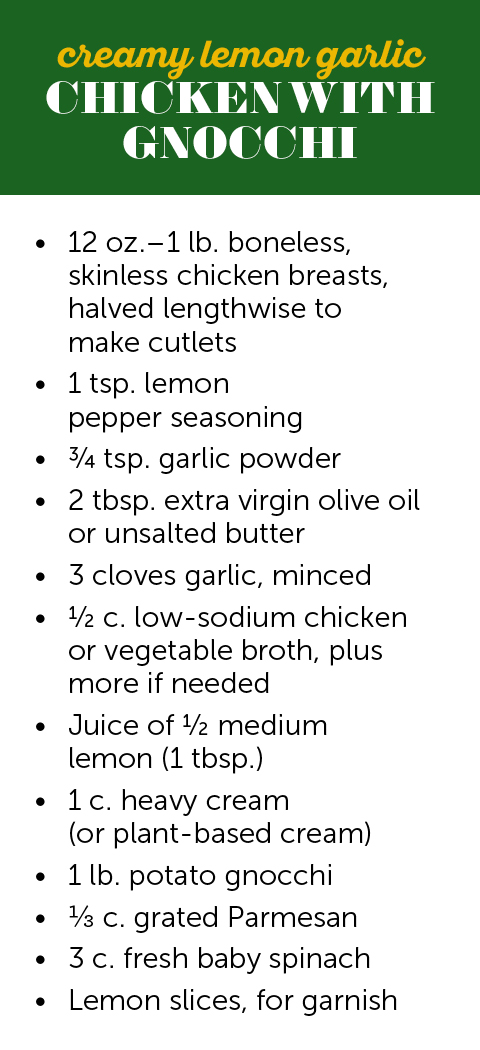
You’ve probably heard of Marry Me Chicken—how could you not, as the creamy, sautéed chicken dish was Google’s most searched recipe in 2022. But have you heard of what I’m dubbing Just Hang Out and Be Respectful and Leave at a Reasonable Time Chicken? Because that might be even better than that ball-and-chain bird, especially since this chicken involves kicky lemon pepper seasoning, lemon juice, and gnocchi. Sure, @sara.haven’s chicken dish could inspire someone to put a ring on it (if that’s what you’re looking for), but it’s also great as a just-for-some-companionship meal while we get through this weird time, you know?

Serves 4

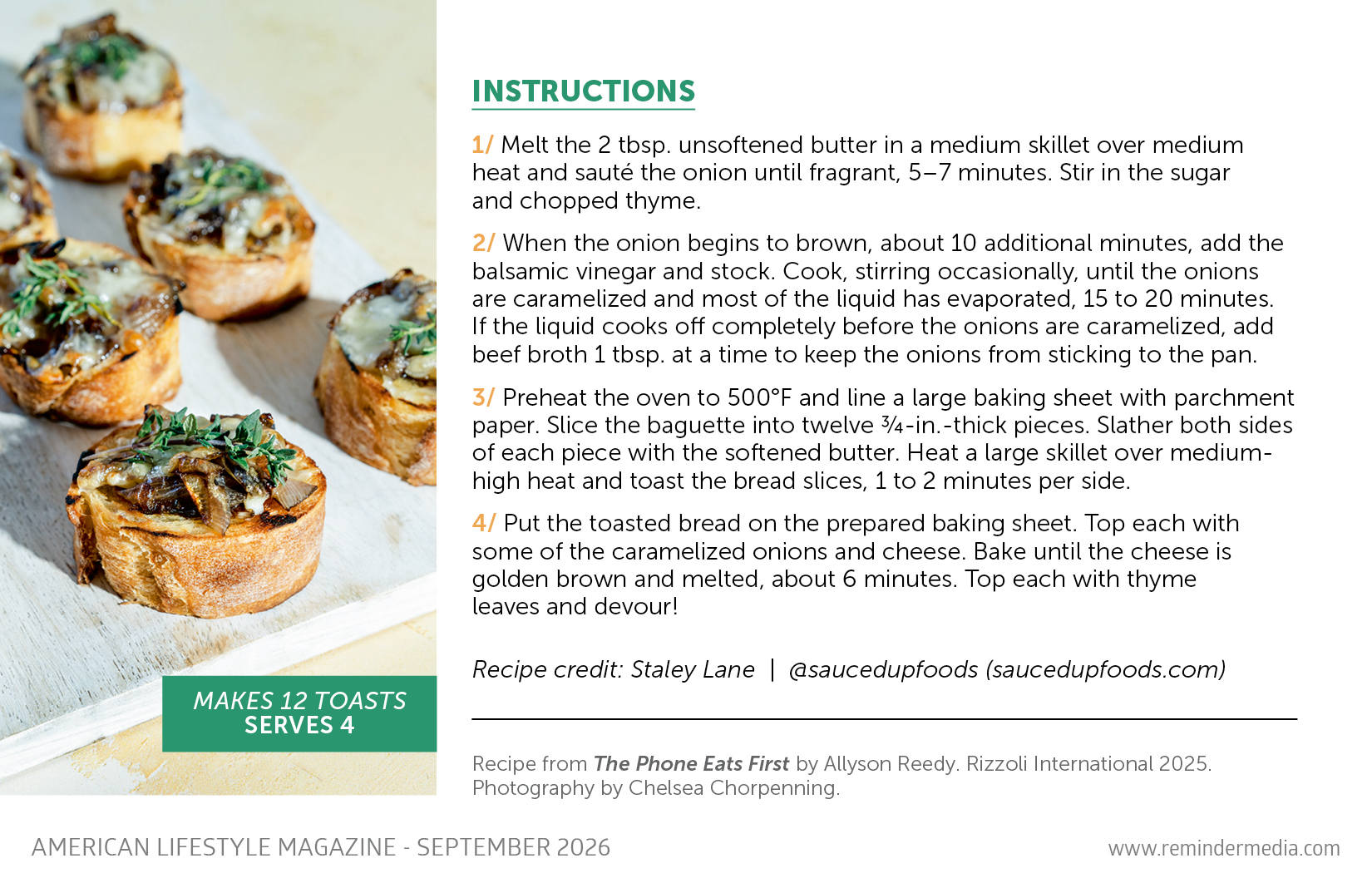
There are two things social media loves: a good mash-up and French onion soup (just make it into something other than soup). You’ve surely heard of the viral French onion pasta (worth the hype), but have you tried French onion soup toasts? If so, TikTok thanks you for giving them all your data, but if you haven’t, @saucedupfoods has your new favorite way of eating caramelized alliums.
Besides being an impressive, delicious appetizer, this recipe also costs under twelve dollars to make, and that’s if you didn’t find your little hunk of Gruyère on sale. It takes all of those sweet, silky flavors from slowly simmered onions and thrusts them upon beautifully crunchy bread. It could very well be the future of French onion anything-but-soup.

MAKES 12 TOASTS; SERVES 4
The walls of your home are more than just structural dividers. They’re canvases that are just asking to depict your family’s character. The opportunities for design go well beyond framed art and patterned wallpaper, though. Decorative wall paneling has seen a revival in recent years, and this variety of millwork offers you nearly endless ways to add architectural texture and personality to your interiors, even with a budget-friendly DIY approach.

Although shiplap is a well-known darling of rustic design, this welcome alternative offers a more modern twist. Nickel gap features a uniform, nickel-width space between boards, providing clean, defined shadow lines that suit many home styles. Because of its prominent texture, it’s especially effective for adding interest to minimalist environments that focus on simplicity over heavy decorating.
Best for: Accent walls, especially behind a fireplace or bed, or entire rooms for a cozy vibe.
Tip: When installed horizontally, nickel gap can make a room appear wider.
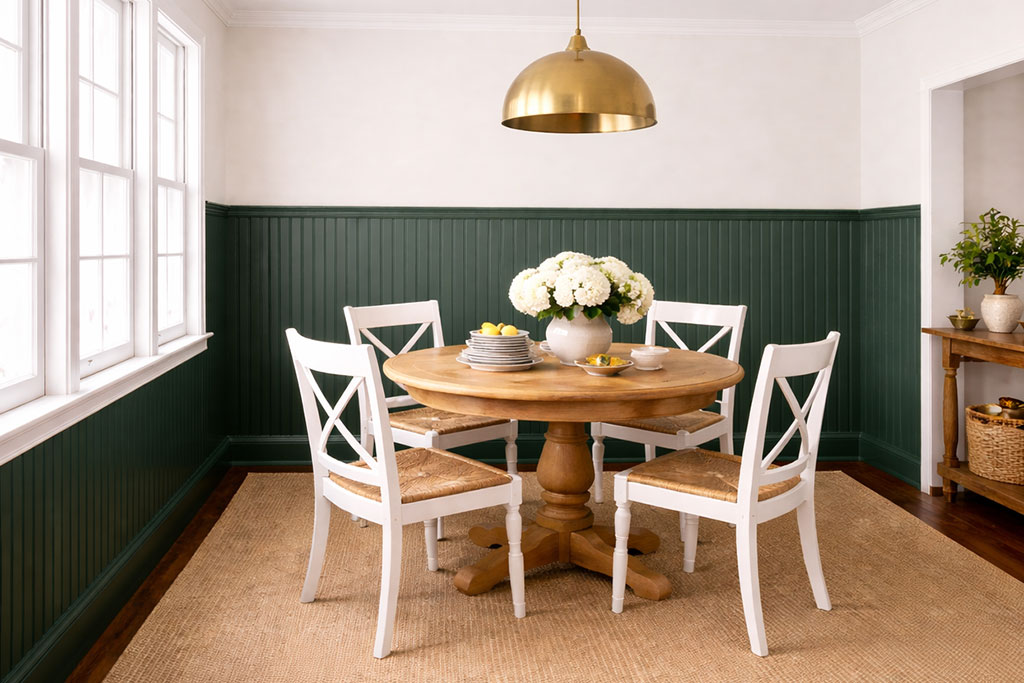
This is nickel gap’s more elaborate sibling, consisting of narrow vertical planks separated by small, raised ridges: the beading. Its traditional appeal makes it suitable for cottage and country styles, but painting it a deep color like hunter green or navy blue gives it a modern edge. Best of all, it is often sold in affordable sheets that you can easily install yourself.
Best for: Wainscoting, especially in dining areas and bathrooms.
Tip: Beadboard’s long, thin lines subtly draw the eye upward, making ceilings appear higher.

For a high-end beachy look, consider this paneling style that uses bold trim and molding to craft statement-making patterns. Board-and-batten millwork adds graphic depth using alternating wide boards and narrow vertical strips, called battens, placed over the seams. It’s bold yet simple and perfect for crafting the ever-popular Cape Cod aesthetic. However, it’s also versatile enough to fit most design schemes.
Best for: Entryways, staircases, and tall walls. You can choose to install it as wainscoting or run it floor-to-ceiling for striking drama.
Tip: Paint the board and batten the same color as the rest of the wall to ensure that the texture remains the star.

If you crave a classic, luxurious look reminiscent of historic Parisian flats, here is your answer. This style involves applying rectangular frames using thin trim directly onto the wall alongside intricate floral detailing. Because it’s more old-fashioned and elaborate than simple board and batten, you’ll need to design it with restraint for a custom, character-forward look without creating clutter.
Best for: Formal dining rooms, primary bedrooms, and dens.
Tip: For a more modern spin, use thin, flat panels and ditch the ornate, raised trim.
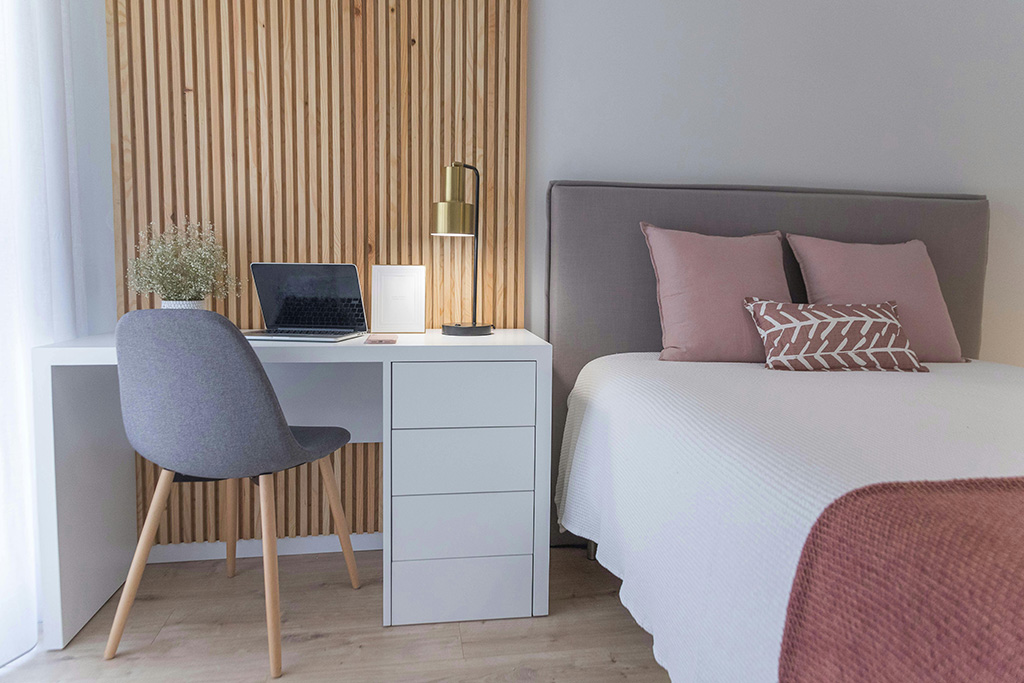
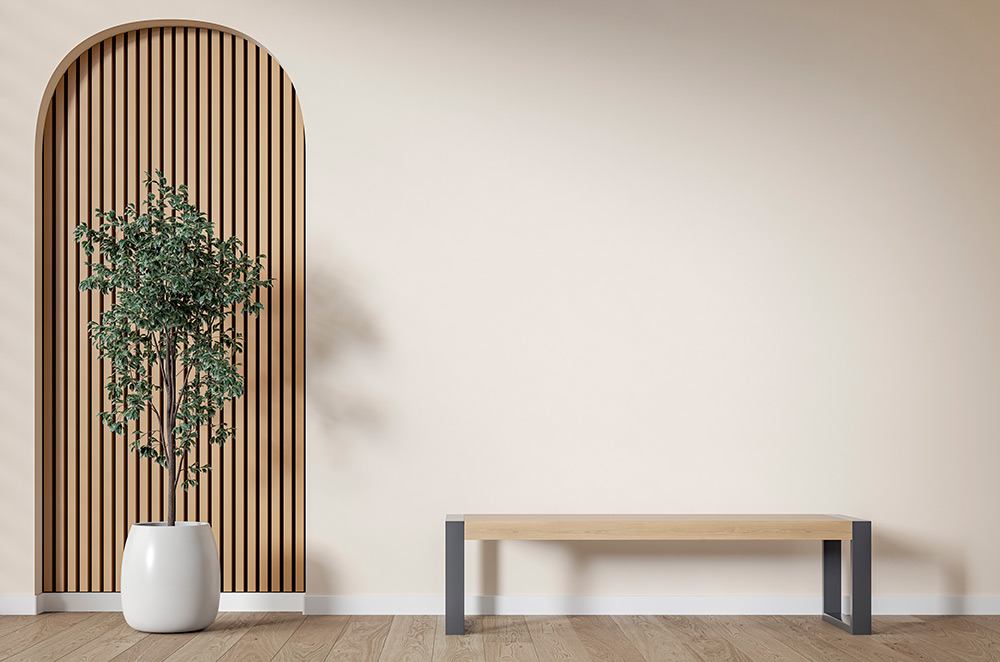
To lean into minimalist design, such as Scandinavian, try this paneling style that focuses on dimension and alluring texture. Take, for instance, sleek and narrow wooden slats, which are often backed by sound-dampening felt. Among the hottest trends, this feature provides visual interest while subtly nodding to nature.
Best for: Home offices, media walls, or behind a sofa in a living room.
Tip: Due to their thin, long, vertical lines, these panels can make a wall appear much larger.

For a truly unique focal point, consider using prefabricated 3D panels made from medium-density fiberboard (MDF). These panels offer striking geometric or wave patterns that pop off the wall, transforming it into art. They’re easy to install and affordable compared to other options, such as wooden paneling or wallpaper.
Best for: Living rooms, powder rooms, and entryways.
Tip: Since these panels are so eye-catching, you can apply MDF just about anywhere you would hang art.
Millwork varieties like these don’t just add personality to your home; they also make an affordable, value-adding impact. With the right style, you can go beyond simple paint jobs and transform just about any ordinary room with a rich architectural soul that’s perfectly suited to your family.
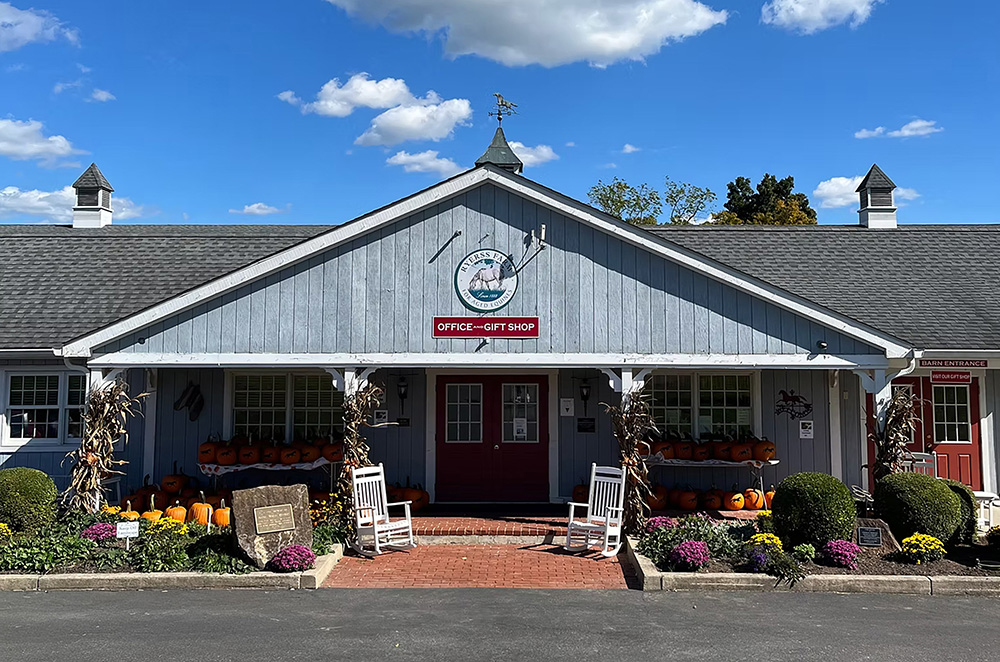
Samuel Griffin, president of Ryerss Farm for Aged Equines in Pottstown, Pennsylvania, discusses what it takes to run his organization, the country’s first horse rescue and retirement farm and the oldest nonprofit horse sanctuary in America.
How big is Ryerss, and how many equines do you have?
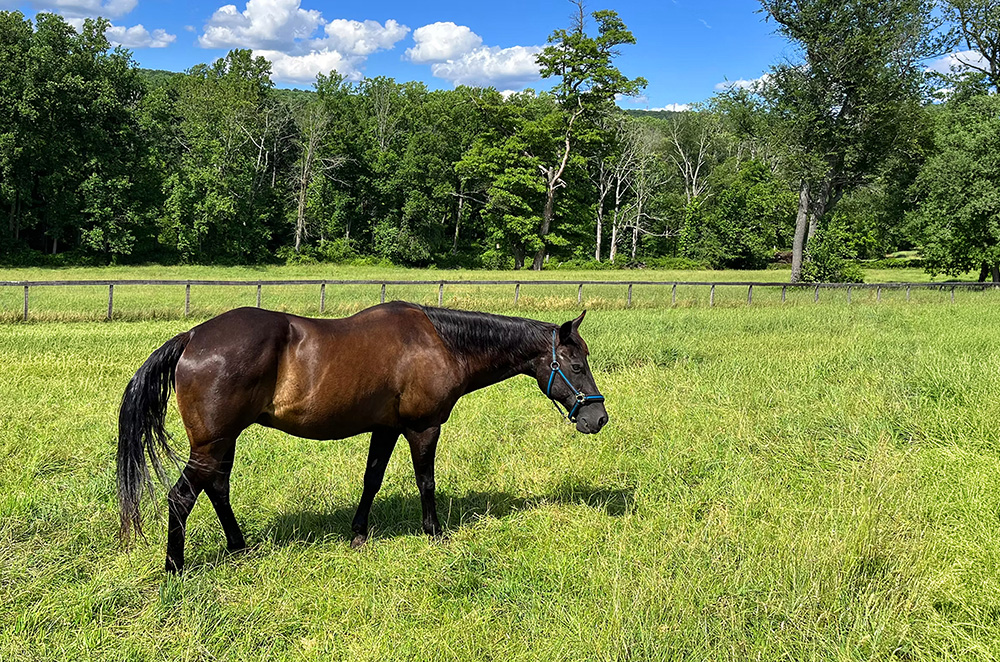
We own around four hundred acres and eighty stalls. At any given time, we have from seventy-nine to eighty-five equines living here—not only horses but also mules and donkeys. We’ve housed just about every equine other than zebras.
When we settled into our current location, we preserved the land for agricultural use only to support as many animals as we could. We now have a huge main stable, several other buildings, and some other structures. We even grow our own hay, straw, and corn.
Do you accept horses from all over the country?
We do; a couple of them even arrived from Alaska last year. However, the majority come from the East Coast, especially the Philadelphia tristate area. We also get a wide variety of horses, including thoroughbreds, racehorses, polo ponies, show jumpers, and trail horses. The equines must be at least twenty years old to stay at the farm, and around 12 percent are rescues.
Are you open year-round?
365 days a year, from 10:00 to 4:00, with free admission. We’ll sometimes close for a holiday, although people have been known to just show up to see the horses on Christmas morning.
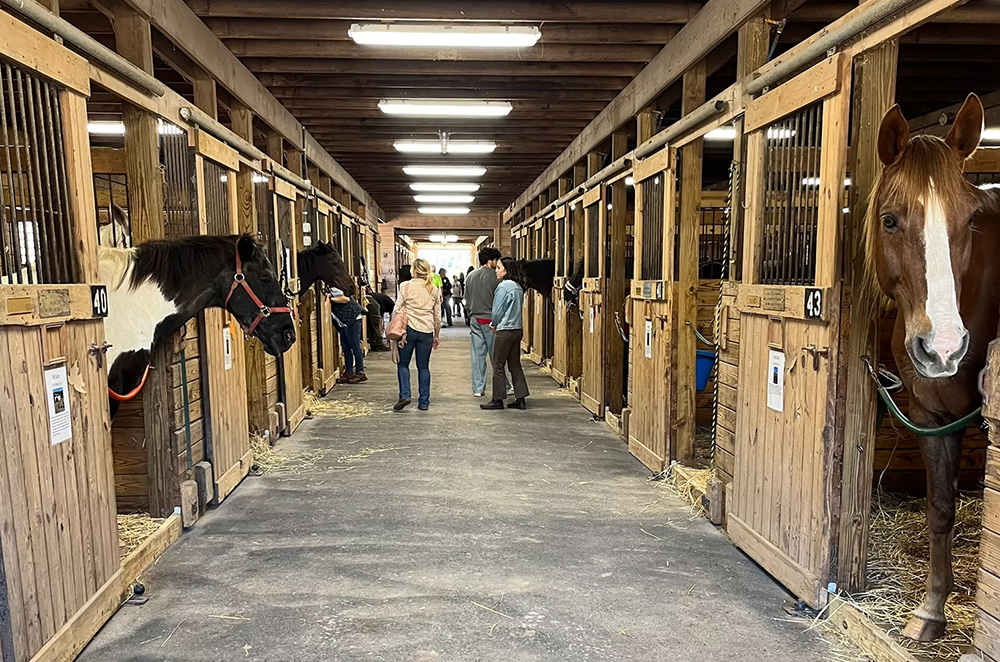
What’s it like to run a year-round organization that cares for dozens of equines?
There’s a huge amount of work involved. Our farm manager, Cory Mowrer, takes care of all the farm operations, doing so much of the overall work. But it’s also handled by a few other full-time employees, including an on-site, live-in veterinarian, and around one hundred volunteers. It’s basically like running a retirement home for horses. However, none of the people who do it would say it’s work because they all love caring for the animals. That’s why we have almost no turnover.
Would you share some of the biggest challenges?
You’d probably get a different answer from every person here. For me, it’s financial because I wake up every morning thinking about how we’re going to make ends meet. For others, the biggest challenge is keeping the farm in order. In addition to caring for our animals, we have a lot of buildings with a lot of roofs and plumbing, for example, and it’s always a roll of the dice every year determining what crops to sow and where—all the worries of a farmer. Cory’s an excellent one, and he approaches it very intelligently.
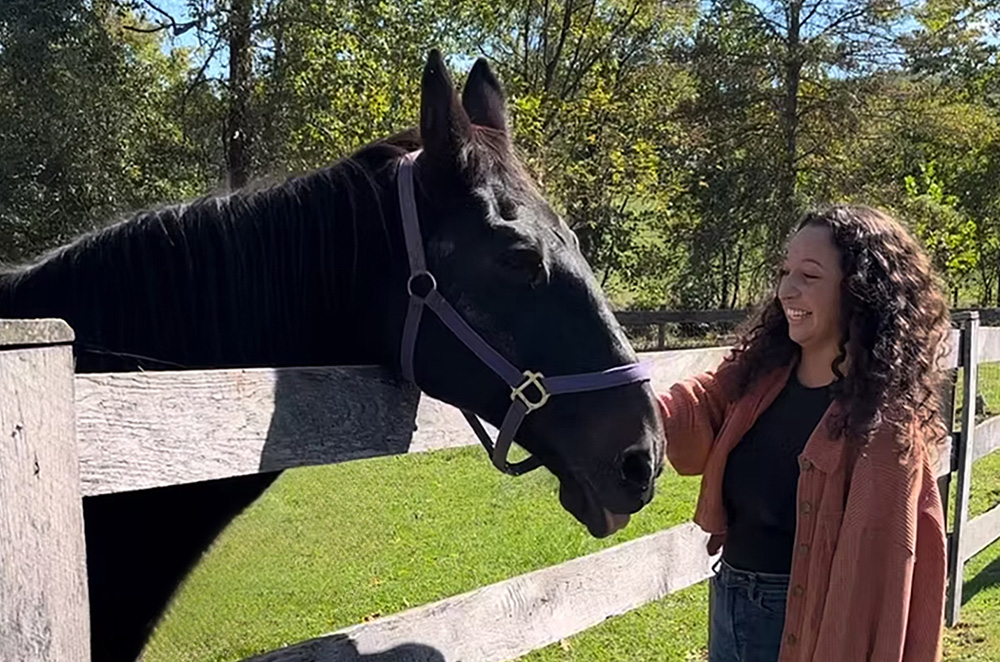
Do volunteers and employees alike get attached to the horses?
Yes. And that’s the sad part of what we do because we’re here to let them live out the remainder of their days. It’s inevitable, but everyone understands our purpose: to give our four-legged friends their best possible life. Frankly, the horses don’t know they’re old; they just feel a little achier, like to lie down more often than usual, and can’t always feed themselves.
How do people react when they visit the farm?
The overwhelming sense I get from visitors is that it’s a wonderful place for them to find contentment. Many aren’t country folks, so they’re here to feel some solitude and let their kids experience the open country and see big animals.
What does Ryerss mean to its community?
That’s a good question. This part of Chester County is becoming suburbanized, but Ryerss will always be evergreen. People here know we’re never going to move, which provides a sense of stability in changing times. And, of course, because of the influx of visitors we get, it’s great for the community as a whole.
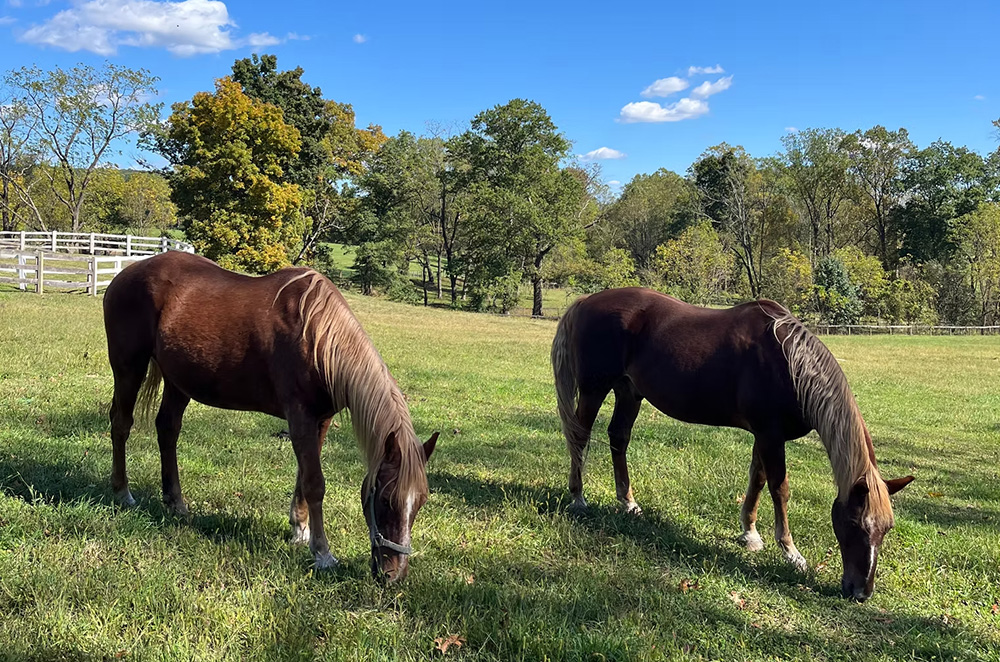
What’s the best part of this venture for you?
I grew up with horses; my grandparents and parents had them. I was a rider from a young age, which I enjoyed immensely, and I was always very attached to our horses. In fact, I was retired when some friends of mine on the board here asked if I’d like to join them, which was a no-brainer. I do this because I love the farm and its residents.
After all, equines work most of their lives for us: they learn how to carry us, how to jump for us, and so forth. I think we should return the favor, which is why Ryerss exists. Once they arrive, they will never be worked or sold again. We make sure that their shoes are off for good—they get to just live like a horse, barefoot and out in the fields. It’s a nice way of saying thank you for everything they’ve done.
For more info, visit ryerssfarm.org