Longer summer days bring a fresh sense of possibility, encouraging small shifts in our routines—and in our homes. One of the simplest ways to capture this seasonal energy is through your use of color. By incorporating certain hues into your decor, you can brighten your spaces, give your home a stylish summer reset, and lift your mood.
Colors are powerful mood setters, and hues apparent throughout nature in summer tap into emotions we often crave this time of year. Warm shades like yellow and orange naturally evoke joy, optimism, and energy. They mimic sunshine and fresh blooms, making them perfect for spaces where you want to feel lively and connected. On the other hand, cooler shades, such as blues and greens, promote calm and restoration, echoing the serenity of ocean waves and a grassy hill. By thoughtfully introducing these tones into your home’s design, you can match each room to the vibe you want to create, whether that’s energetic activity or peaceful retreat.

This space is likely where you relax with loved ones or gather with friends, making it the ideal spot to experiment with cheerful colors. For example, add pillows, throws, or an accent rug in bold red or sunny yellow to energize the space. If you prefer something subtler, swap in blue-toned vases, a colorful art print, or even fresh flowers arranged in shades of orange and pink. These touches can invite conversation and make the room feel more open, lighthearted, and welcoming.

Summer meals are all about freshness and fun, so your kitchen decor should capture that spirit. A bowl of fresh citrus can instantly brighten the counter or table, while colorful dish towels, patterned table runners, or ceramic mugs in different hues can make mealtimes feel more playful. For a bigger refresh, consider lining any open shelves with a peel-and-stick wallpaper in a cheerful pattern, which you can easily remove and swap out later. These small changes can help keep the space feeling lively and inspiring while you cook for your family or entertain guests.

While some rooms thrive on energy, your bedroom can benefit from a calmer palette to help you relax and recharge. For your fabrics, think soft sky blues, aquas, and light greens to create a spa-like atmosphere that’s ideal for unwinding. Lightweight linen or cotton bedding and gauzy curtains can keep things airy, while even modest additions, like artwork in ocean tones or a potted plant on the nightstand, can help create a restful retreat from hectic days.

Since the shades of summer are inspired by the outdoors, your porch, patio, or sunroom is a natural canvas for seasonal swaps. Bright colors like coral and yellow accents can bring more energy to any gatherings you may have, while teal and white would create a laid-back coastal feel. By adding a patterned outdoor rug, cushions, and painted planters in your chosen color scheme, you can instantly transform your space into an outdoor oasis for you and any visitors to enjoy all season long.
Refreshing your home with color is about more than aesthetics. It’s about embracing summer as a chance to reset. Just as you trade winter layers for sundresses or heavy meals for fresh produce, your spaces can reflect the season’s lighter, more joyful rhythm.
Architect Enda Donagher was tasked with invigorating a traditional Florida vacation home with contemporary elegance. The result: a refined ambience perfect for the clients’ first-rate art collection and lively gatherings.
How did you enter the architecture industry?
I grew up in Ireland and studied architecture at University College Dublin. After graduating, I decided to move to New York because I loved its energy whenever I visited and thought the opportunities were terrific. Some friends helped me get my first real jobs in the industry here.
From there, I worked with some of the best residential architecture firms in the United States, including Thierry Despont. After living here for about fifteen years, I started working with interior designer Elizabeth Martell. We’ve been collaborating frequently but not exclusively since 2005, focusing on luxury residential work.
How would you define your design approach?
This project is fairly emblematic of my firm’s style. We’re minimalist but with informed classicism and rich materials and finishes. We think out every detail carefully and take on a small volume of work so I can be individually involved in every job from beginning to end—a level of attention that we’ve always prided ourselves on.
As for my personal approach, I’m influenced by the existing conditions of a building and spend some time soaking rooms in; certain ones might have great ceilings or other distinct architecture. Then I reflect on what initially jumps out at me and start wondering what kind of potential the spaces can achieve.
I then get into schematics with my team and start developing a very methodical plan for improving flow, views, symmetry, etc. Clients will give us a brief with pragmatic requirements for the number of bedrooms and their basic preferences. But every project is an exercise in building a shared vision between the client and designer, and that steers the creative process and important decisions.
To maintain this vision, we create detailed initial design images and share them with the client to make sure they look great and achieve balance. Even if new ideas come along, this early perspective will be our guiding light.

What was that specific guiding light for this project?
The whole project was a collaboration between me and Elizabeth Martell; I handled the architecture while she handled the decorating. We had worked together for these clients before, but this was their summer house, and their tastes had clearly evolved by the time they reached out to us.
The home was originally built in the Regency style in the 1980s and was developed by Robert Gottfried; he’s very well-known in the area and developed what we now call Palm Beach Regency homes. They were actually spec houses, meaning they were all built in a similar layout: a big formal living room in the middle flanked by a kitchen and living room wing on one side and a bedroom wing on the other, as well as openings from the entryway to the landscaping out back. They all end up having terrific scenery.
However, because this was a spec home with a lot of white, it needed more customization. Our clients wanted more personality and larger, more gracious entertaining spaces that could accommodate lots of foot traffic. Additionally, the home was intended to function like an art gallery. These clients have a world-class collection of antique furniture and art to display, so, ultimately, making space for art and entertaining were the key priorities. We also opened up rooms to create good sight lines of the windows and art from virtually any location. We had to get really creative to pull off all these requests.
How did you execute this vision?
One thing we did was place an enormous amount of seating so the clients could host huge gatherings like fundraisers. The dining room, for example, now holds up to twenty people without having to pull in additional chairs. Meanwhile, adding ample seating to the living room required breaking it up into several distinct conversation areas without making any of them feel closed off. We had to get creative about maximizing not just the use of space but also good flow throughout.
Our firm handled all the interior architecture, making renovations and basically designing everything that you see here besides the landscaping, right down to the furniture and placement of art.

How did you bridge the clients’ very contemporary art with classic architecture and decor?
That’s never an issue for us. Contrast is always great! In a room that has more traditional architecture, modern art always looks terrific, as does traditional furniture in a more contemporary setting. It’s all about mixing and balance, allowing elements to complement each other.
On that note, the kitchen is very distinct from its surroundings. Was this intentional?
Indeed, it was. Part of the brief was extending the kitchen and family wing and adding features like the staircase. Our clients love contemporary kitchens (and bathrooms) in each of their homes, so we made the decision that this entire wing would lean contemporary. That allowed us to incorporate clean lines and huge picture windows that bridge the gap between the indoors and the exterior landscaping.

The yard is striking as well. How did you approach it?
As we worked on the interior, it became obvious that the exterior experience needed to evolve in parallel; you can see it from every room. Formerly, it was pleasant but not to the level of what we needed. So we worked with a noted Palm Beach landscape designer named Mario Nievara. He helped redesign these spaces to feel more composed and intentional, such as the front door area, where limestone pavers are interrupted by grass, deftly formalizing the first impression.
This landscaping, which includes palm trees, small plants, and twenty-foot-high hedging, flows perfectly to the pool behind the house. Also, when we installed the very bright marble on the main floor of the central spaces, Nievara installed a matching pale limestone to create a seamless transition inside and out. He did a great job creating a secondary outdoor experience.
What is your favorite space in this project?
One of my favorites is the dining room, which has a honeydew high-class lacquer on the walls. It holds a work by Picasso and a pedestal with a beautiful vase. I also love the entry hall; we restored some arched iron front doors and installed curvature in the foyer’s corners to soften them. There’s an excitement when you enter this space that sets up your expectations perfectly for what follows: tall ceilings, grand views, and a gallery of gorgeous art. Its detailing, like the trim, is classical in nature, but it’s updated with a minimalist take—and this tone of the entire home becomes immediately clear in the entryway.
For more info, visit endadonagher.com
Sometimes, the best recipes aren’t the most complex and difficult ones but those that take a fresh approach to classic fare. Take, for example, this pair of recipes courtesy of Brunch Season: A Year of Delicious Mornings from the Buttermilk Kitchen cookbook. Follow its straightforward recipes to learn how to make the perfect omelet and indulge in a perfectly rich cake.
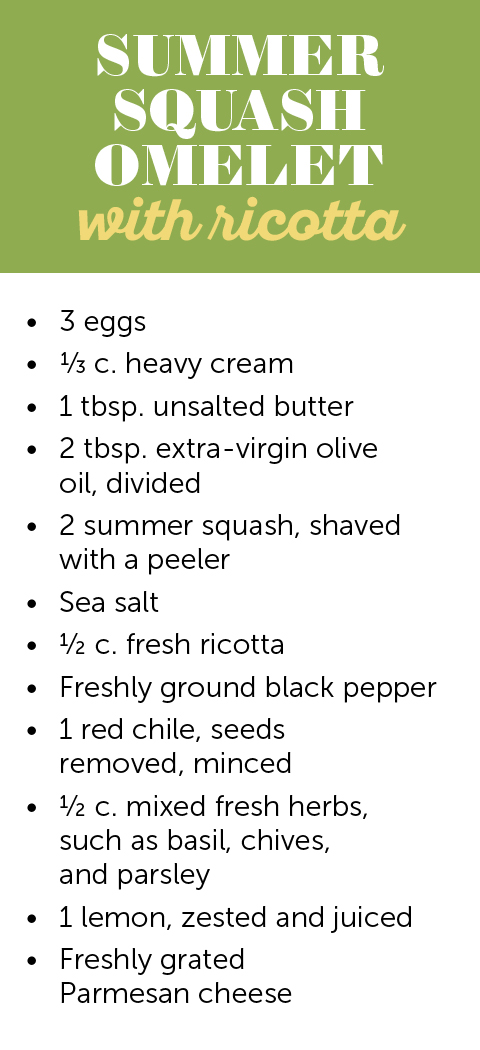
A brunch staple is elevated with fresh vegetables, herbs, and cheese for top-notch results.
This combination of rich chocolate and toasted nuts will transport you to paradise.

Recipes from Brunch Season: A Year of Delicious Mornings from the Buttermilk Kitchen by Suzanne Vizethann. Gibbs Smith, 2025. Photography by Kelly Berry.
This is the kind of dish you make for yourself and feel really good about it. It’s light, and is an easy way to make an omelet thanks to a little help from the oven.

Serves 4


Kitchen Note:
The trick to good eggs is getting the pan to the right temperature. This takes a bit of practice, but the butter will let you know immediately if the pan is too hot. Practice a few times by putting cold butter in a preheated skillet.
This is a version of the Swedish sticky cake called kladdkaka, which is very similar to a brownie. The key here is to not cook it too long.

Makes 6 to 8 slices


Kitchen Note:
This also pairs well with the Brunch Season cookbook’s homemade Whipped Cream.
If you hunger to check out from the hustle and bustle of everyday life, check in to a peaceful escape—one that marries the best of modern amenities with the immediate reset of getting outdoors. Spreading over 4,600 acres of Missouri’s Ozark Mountains, Big Cedar Lodge is a veritable tribute to nature, and it could just become your favorite place to kick back.
What began as a passion project of Bass Pro Shops founder Johnny Morris now invites worldwide guests to reconnect with the great outdoors in a breathtaking American outback. Since opening to the public in 1988, this wilderness beauty has earned a reputation as “America’s Premier Wilderness Resort.” And this title is supported by numerous accolades, including being named the number one resort in the Midwest by Travel + Leisure readers for three consecutive years.

The 262 guest rooms across ten lodges, cottages, and cabins at Big Cedar Lodge nestle visitors in comfortable rustic atmospheres, including traditional hotel rooms in the Falls, Spring View, and Valley View Lodges and private log cabins and cozy cottages tucked into the woods or situated on Table Rock Lake. Each option provides numerous amenities, which may include a fireplace, whirlpool bath, fully equipped kitchen, and/or lake views—so you can design your idea of a comfortable yet secluded stay.
For seamless comfort that will leave you forgetting all about the world outside these forests, enjoy a wellness session on the property. Services here range from a massage therapy hour and a relaxing hot tub plunge to fitness classes like yoga flows held on a gorgeous summit overlook.
Dining at Big Cedar Lodge is an extra indulgence, as the property offers a variety of heartland cuisine served amid historic scenery. For example, the Devil’s Pool restaurant, housed in an original 1920s landowner’s home, offers Southern home-style dishes like house-smoked prime rib and trout. For a more casual meal, the Buzzard Bar provides a selection of eats like indulgent sandwiches and fresh salads with nightly live entertainment.

While residing at Big Cedar Lodge may inspire deep rest, adventure awaits thrill-seeking travelers at every turn; in fact, a wide range of land and water activities is included with your stay. For one, splash into Table Rock Lake via the Bent Hook Marina, which rents out boats, kayaks, and fishing equipment to guests. For those who prefer to keep their feet on land, the resort offers picturesque hiking trails, as well as Fun Mountain, a 50,000-square-foot indoor adventure wonderland with bowling, a ropes course, and go-karts.
The resort also hosts world-class golfing on courses designed by legendary names like Jack Nicklaus and Tiger Woods. Some of the property’s most famous courses, such as the breathtakingly scenic Payne’s Valley, challenge casual and competitive golfers alike with grandiose layouts peppered across the hilly landscape.
The Top of the Rock, meanwhile, is consistently mentioned as a must-see attraction. This popular setting within reach of the resort boasts panoramic views from the Lost Canyon Cave and Nature Trail, a signature par 3 golf course, tours of the Ancient Ozarks Natural History Museum, a stunning dining experience at the Osage Restaurant, and more.

While Big Cedar Lodge feels remote, it is conveniently located in Ridgedale, Missouri, which is about ten miles from Branson and an hour from Springfield-Branson National Airport. If you’d prefer to drive in, the resort is a mere three-to-four-hour trek from St. Louis and Kansas City, Missouri, and Tulsa, Oklahoma, each route offering up-close views of the rolling Ozark Mountains.
Once you arrive at Big Cedar Lodge, modern comforts and wild adventures alike await you. However you design your stay, though, remember to take time to lie back, take a breath, and savor what might just be your new paradise away from home.
For more info, visit bigcedar.com