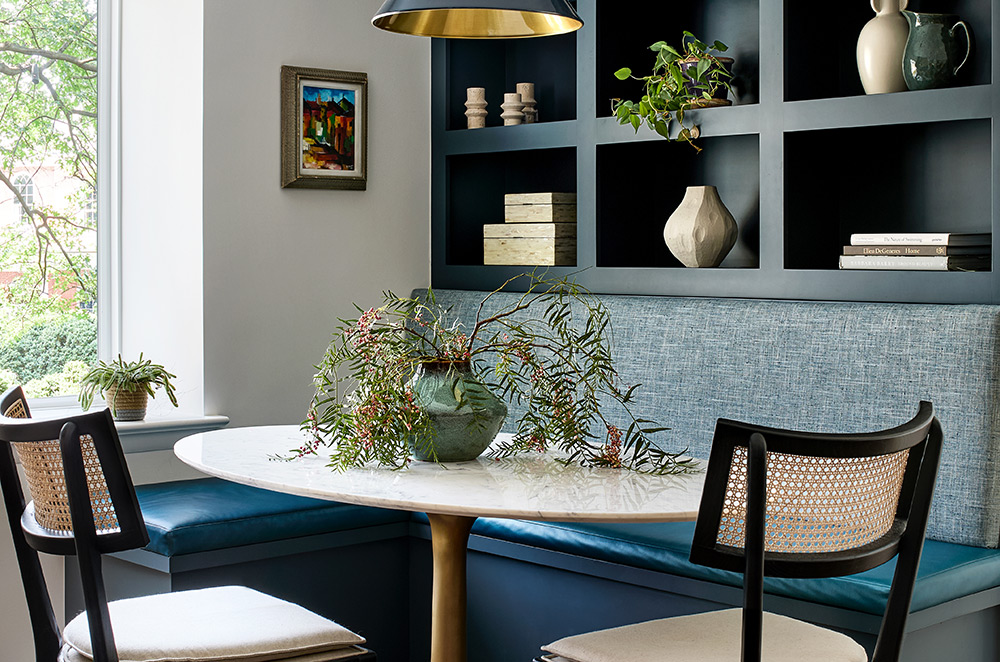
Interior designer Christie Leu, principal designer at Christie Leu Interiors, discusses a Maryland project that quickly expanded, resulting in a dramatic main-floor upgrade.

Tell us about yourself. Was your path always to design?
I started my career as an artist, traveling and selling functional pieces. After I had my children, especially the triplets, that lifestyle wasn’t practical anymore. At the same time, I was renovating my own home and working with contractors. That’s when I realized I could turn that experience into a profession.
How did having triplets shape how you worked?
It changed everything. When you have triplets, you rely on systems, such as schedules, organization, and making sure everything has a place. You’re constantly thinking about efficiency.
That mindset carries directly into my work because it taught me to see problems at scale. When you’re managing five young children, you’re always asking how to make things work better—how to get out the door and where things should go. That’s exactly what I do in design.
Your website states that you often begin your process in the construction phase rather than in design. Why?
That’s where you have control. If I’m involved early, I can make sure outlets are where they need to be, lighting is planned properly, and the layout supports how the homeowners actually live. It’s much harder to fix those things later.
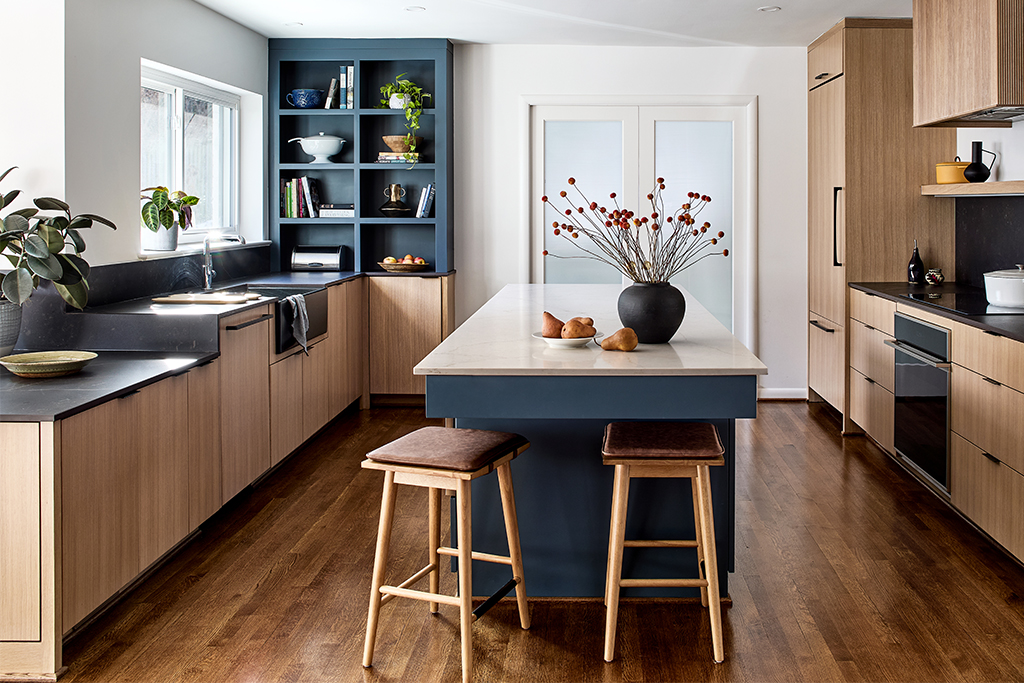
This Kensington, Maryland, project began as a kitchen update but expanded significantly. What changed?
The kitchen itself wasn’t working, but the bigger issue was the surrounding rooms. The family room and a small library weren’t being used well, and the light was trapped in one area. By opening those connections, we not only improved the kitchen but also changed how the entire main level functioned.
Did the clients have a clear vision of what they wanted?
The homeowners have strong tastes, which definitely helped the collaboration. They knew they liked a mid-century modern feel and weren’t afraid of color. That gave us a clear direction. They also understood that function mattered just as much as form, which made decisions easier.
You didn’t fully combine the rooms but adjusted their flow. Why take that approach?
You don’t always need one large, open space. It’s more effective to create strong connections—such as wider openings and better sightlines—so the rooms relate to each other. That way, you keep definition but gain flow, light, and usability.

Light seems central to the outcome. How intentional was that?
Very. The family room had beautiful natural light, but it stayed contained. Once we opened the walls, that light became part of the kitchen experience. It changes how a space feels throughout the day.
Storage plays a major role in this kitchen. How did you approach it?
I always try to maximize storage without compromising the design. In this case, we had the space to do it well, including deep drawers, integrated storage in the island, and hidden areas for appliances. When storage is handled properly, it frees up the rest of the room to feel calm and intentional.
Were the hidden areas planned or added along the way?
Both. Some ideas come from experience, and some come directly from the homeowners. In this project, they suggested a hidden charging shelf under the counter. We worked it out with the cabinetmaker and made it part of the design. Those details make a house easier to live in.

The kitchen includes a lower work surface. What problem were you solving there?
They wanted a baking area that was more comfortable to use. Lowering that section by about six inches made it more usable, especially for their daughter. It’s a small adjustment, but it changes how the space functions day to day.
The powder room also stands out. Was that driven by creativity or constraint?
Constraint at first. It’s a very tight space, so I had to design a curved vanity just to allow the door to open properly. Once that was solved, we added the wallpaper and color. Often the most interesting rooms start with a limitation.
How did that play out here overall?
Every project has limitations, whether in space, structure, or budget. In this house, the existing footprint and layout forced us to think carefully about flow and function. That focus led to better decisions than if we had just expanded outward.
For more info, visit christieleuinteriors.com
Some people look to their peers and wonder if other adults received a manual for life that they somehow missed. While others followed a clearly marked path—paved with stable resources, predictable milestones, and reliable guidance—they feel like they navigated a wilderness alone.
They may have grown up with less guidance, forced to scout the terrain as they went. Although you may have spent years viewing such a lack of direction as a deficit, research and real-world success stories suggest that your difficult start likely gifted you with a unique set of strengths that others rarely develop.

Adversity in childhood often acts as a high-pressure forge. When you cannot rely on a stable environment, your brain may adapt by developing heightened skills in areas like pattern recognition, social intelligence, and creative problem-solving. You may have learned to read a room before you could read a book or mastered the art of making do, which, in adulthood, translates into an impressive ability to innovate under pressure.
These traits are not just survival mechanisms; they are the foundations of resilience. According to Dr. Ann Masten, a leading researcher in the field of developmental resilience, this “ordinary magic” (to use her term) does not come from an extraordinary quality within the individual but rather from the fundamental human adaptive systems that difficulty activates. When you face early challenges, you exercise your resilience muscles long before your peers even know they have them.

History is full of individuals who turned an absent road map into a blueprint for unprecedented success. Consider Howard Schultz, the former CEO of Starbucks. Growing up in public housing projects in Brooklyn, he witnessed the crushing weight of poverty and a lack of health insurance. Schultz did not just survive that environment; he used the empathy and drive he gained there to build a company culture that prioritized employee benefits, setting a benchmark for benefits in retail.
Similarly, Viola Davis has often spoken about the difficulties of poverty and trauma that surrounded her as a child, including food scarcity. She used her early hardships to fuel a relentless work ethic and a deep, empathetic well from which to draw her performances. For Davis, that meant she had to invent her own destination, eventually becoming one of the most decorated actors of her generation.
These individuals prove that a difficult beginning does not define one’s ending; rather, it provides the raw material for a more complex and durable character.

Your history of navigating without a guide has likely made you more comfortable with ambiguity than the average person. While others panic when a plan falls through, people like you often pivot. Researchers call this “stress-related growth”: the phenomenon in which individuals emerge from struggle with a greater appreciation for life, increased personal strength, and new possibilities.
You may not have chosen your youth or upbringing, but any rocky terrain you crossed made you a master navigator. Today, you don’t need a road map because you have something better: a compass built from experience, resilience, and an intimate knowledge of exactly how far you can go.
There’s nothing like a good meal to help you enjoy moments with loved ones and let the stresses of the world slip away. Although many go-to comfort foods are based on time-tested recipes, sometimes a fresh spin is all it takes to make something reliable even more enjoyable. Case in point, check out these delicious and unique dishes from popular content creator and home chef Davon Moseley’s cookbook, Let’s Get Into It.
Rich ingredients elevate ground corn into the perfect side dish for any indulgent entrée.
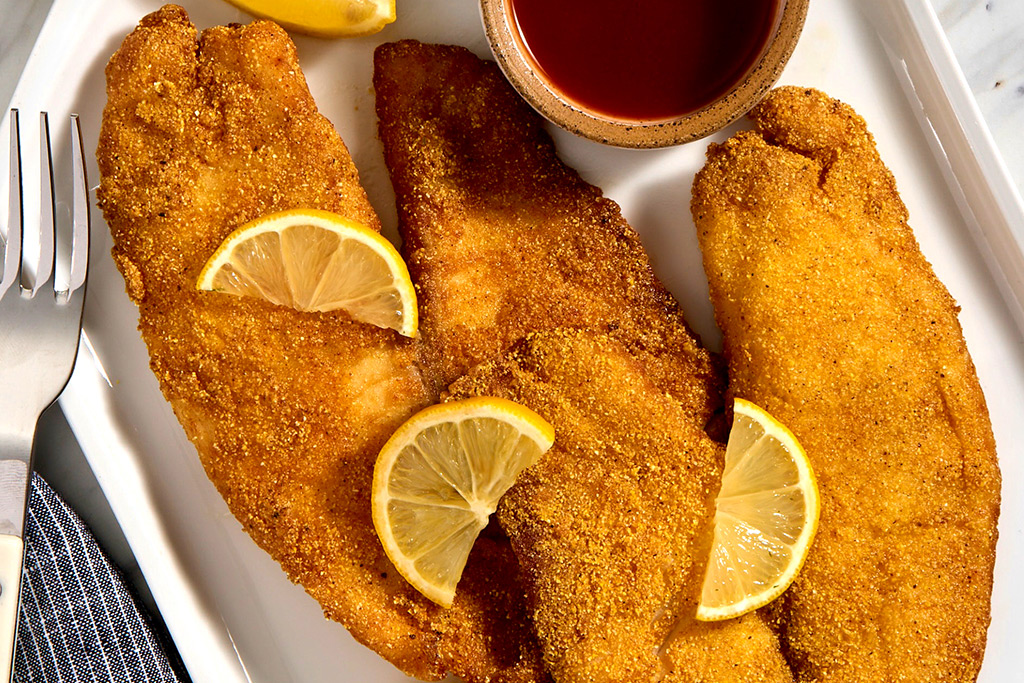
Crispy, well seasoned, and finished with a squeeze of lemon, this fried fish makes an easy spring dinner.

Recipes from Let’s Get Into It: 130+ Comfort Food Recipes for Novice Cooks by Davon Moseley. DK Publishing, 2025. Photography by Stephen Buchanan.
Growing up, I remember eating grits often on Sundays at my Aunt Patricia’s house. She added so much cheddar cheese and butter that the grits were practically orange. We’re not going to that extreme, but my grits are still packed with smoky gouda and sharp cheddar and are rich from just enough butter and cream.

Serves 6



My family often has fish fries to bring everyone together and eat good food. My dad would go on fishing trips and come back home to fry up the fish he caught for us. That will always be a core memory for me. Crispy fish is best served on sandwich bread with hot sauce—if you know, then you know. It’s also great served with grits for breakfast.
Serves 6


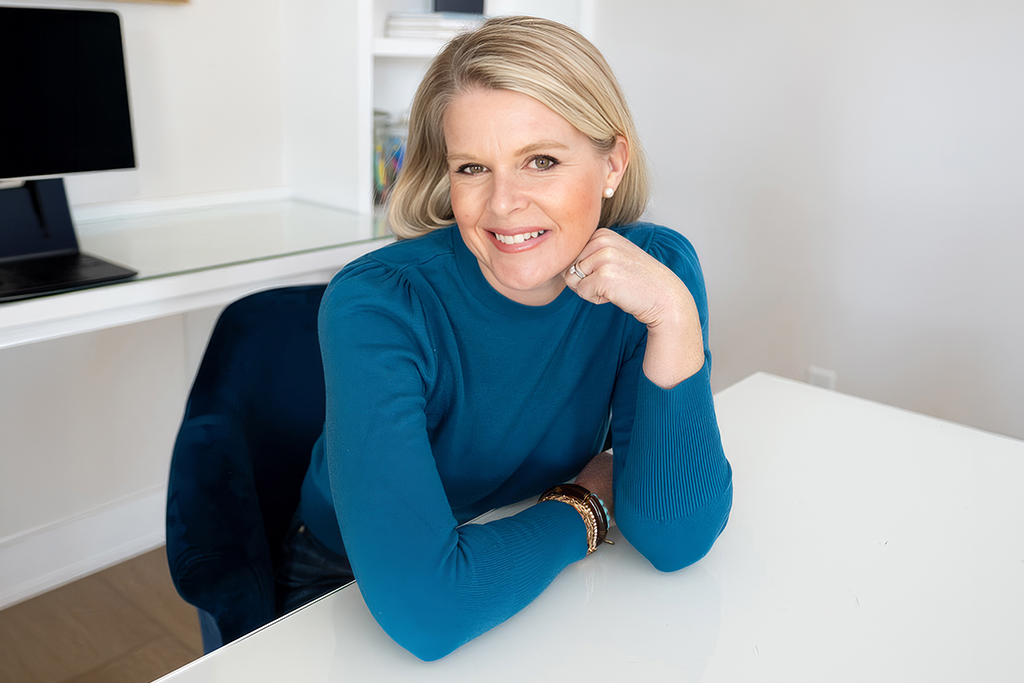
Popular author and speaker Erin Port, founder of the self-help brand Simple Purposeful Living, shares her tips for living a healthier, happier life.
Would you introduce yourself and your background?
I call myself an accidental entrepreneur. I was a first-grade teacher and got my master’s in educational leadership. I thought I wanted to be a principal but realized I was spending more time away from home helping other families than my own, so I decided to stay home.
I started blogging in 2009. I was passionate about helping people simplify their lives because there are parts they can make less complicated, freeing them up to do more of what matters. I founded my Simple Purposeful Living brand in 2018, which now includes blogs, a book, and a podcast.
What is your core approach to simple, purposeful living?
You don’t have to overhaul your life to love it. We think events must be big and grand, but I share quick, practical ways to create meaningful traditions in life. These actions result in fewer expectations, less stress, and feeling more present in the moment.
When something interrupts a big overhaul, people think, I failed. Instead, making small changes, like fixing one drawer, can make a big impact. That builds belief—I can make a change—which snowballs into other areas of life.

Would you share a real-life example?
A reader had a husband with a concussion and a sick child. She said, “I’m going to buy paper plates so I don’t have to wash dishes.” That’s a tiny tweak. Then, “I need help driving my son” turned into asking for carpool help. Her circumstances were heavy, but she became nimbler in the middle of it.
What inspired your book, Tiny Tweaks, Happy Life?
It came from a difficult season. We adopted our son, who was severely malnourished and nonverbal. Feeding him could take up to an hour and often ended in vomiting.
One day, I collapsed in the hallway crying, saying to myself, This is everything I wanted, but it’s really hard. I followed it up with What do I need right now? My answer: step outside for some coffee.
That was a tiny tweak. It didn’t fix everything, but it was an action of regaining control and showing myself that I wasn’t stuck. Tiny Tweaks was born there. It wasn’t a productivity hack; it was my lifeline.

What’s an example of a starting point anyone could take?
Try going on a five-to-ten-minute silent walk. No earbuds, no phone. It gives your brain a break. We input so much information but don’t process it. However, silence helps organize or discard it, so you return from these sessions feeling lighter.
Some other recommendations: Tuck your phone away at night to avoid blue light, and wake up on your terms. And plan your next week on Friday so you can go into the weekend knowing it’s covered.
For more info, visit simplepurposefulliving.com or follow Erin @simplepurposefulliving