
The Value of Friendship

Psychologist, friendship expert, and speaker Dr. Marisa G. Franco discusses the many ways friendships impact our lives.
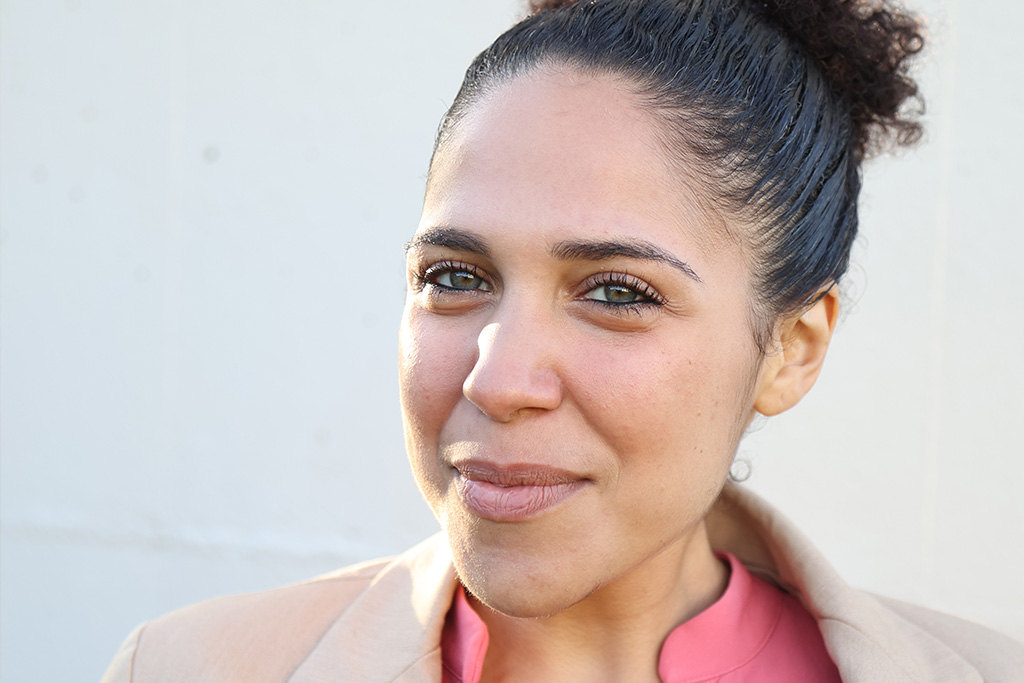
Dr. Marisa G. Franco
Why are friendships so important?
Friendships have a powerful effect on both physical and mental health. In fact, research shows that being lonely is the equivalent of smoking fifteen cigarettes a day. In addition, friendship is related to less depression and anxiety, among other things. Studies have found that if you’re looking at a hill and estimating how steep it is, you’ll see it as less steep if you’re beside a friend, and if you’re looking at someone who seems imposing, you’ll consider them less threatening when you’re alongside a friend. Being with friends fundamentally alters our perception of the world—we perceive it as a safer place.
This is important because loneliness isn’t just a feeling; it’s an entire mental state. People who are lonely report liking people less and believe people are rejecting them even when they’re not. They also get poorer sleep. Historically, if we were lonely, we were separated from our tribe and in danger. Now, our bodies undergo that same process and stress, even though we’re not necessarily in danger. And it’s hard to get out of loneliness because it can be very self-reinforcing.
Are we meant to be around other people?
Yes. We are social creatures by nature. Until recent centuries, people were always part of their community. But with the Industrial Revolution, they started leaving their families and communities for work. It became normal to live alone. That’s also why friendships became more important.
Would you share some friendship advice from your new book, Platonic?
Absolutely. I think the big thing we get wrong about friendship is that it happens organically. Sociologist Rebecca Adams says for friendships to happen organically, we need continuous unplanned interaction and shared vulnerability, which we don’t often have as adults—especially at work, where we’re often neither vulnerable nor our authentic selves. So you need to try to initiate friendship; you can’t just wait for friends to fall into your lap. People who see friendship as happening based on luck are lonelier over time, whereas those that see it as happening based on effort are less lonely.
To find friends, pursue something that interests you and will bring you into a community with other people, whether that’s joining an exercise group, hiking group, or art group, and stick with it. It capitalizes on the mere exposure effect, which is our unconscious tendency to like people when they’re more familiar to us. You also must overcome something called covert avoidance, which is the tendency to show up physically but check out mentally. You’re there, but you’re not putting yourself out there—you’re on your phone or talking to the one person you already know. You need to engage with others. People often don’t because they’re afraid of rejection, so it’s important to assume people like you and take initiative.

Do gender-based differences exist?
Generally speaking, yes. I’ve heard from other researchers that the loneliest person is the older man. There are certain social factors in play, like women keeping their friendships alive when they enter romantic partnerships a lot more than men do. That’s why men’s mental health tends to suffer more than women’s when a partner dies.
Research also tells us that men tend to have less intimacy in their friendships, reaching out for emotional support half the time or less compared to women. I think this problem is fundamentally about vulnerability, which cements all types of relationships. Men are far less vulnerable in their friendships than women are.
Is it better to have a few close friends or many friends?
Quality of friendships affects mental health more than quantity, but quantity can also help; it depends on your circumstance. If I move to a new city, having some friends is going to be better than having none. And it’s going to take time to develop those quality friendships, so I might focus on my “locationships.” But if I’ve lived somewhere for a while, I’ll have a larger friend network already. So I’m going to start vetting my friends because I know quality is the ultimate goal.
Friendship also tends to expand our identity and make things contagious. For example, if my friend colors her hair, I’m more likely to color mine. Younger people, who are figuring out who they are, usually want more friends and to be exposed to different things. In doing so, they’ll likely have friends who are different from them; from a social change perspective, that can also benefit society.
In contrast, socioemotional selectivity theory says that as we get older, we have fewer friends—but we’re happier about it. We tend to focus on quality, not quantity. That’s not to say that everybody’s happy to have only a few friends, but social support tends to be one of the best predictors of people being happy in their retirement.

In the twenty-first century, especially considering social media, do people prioritize and nourish friendships enough?
No. But change is happening. For example, I grew up with the script that finding a romantic partner makes your life complete. Nobody ever asked me about my friends; they always asked if I had a boyfriend. People are acknowledging that you might need a whole community to feel whole. It’s harmful to think a partner can complete you so much that you don’t need anyone else. That puts a lot of pressure on one person.
Social media isn’t linked to loneliness—it depends on its use. People who use it to replace in-person interaction are lonelier, whereas people who use it to facilitate interpersonal interaction, to DM a friend and say, “Let’s hang out,” are less lonely. A decade ago, before smartphones got popular, the young adult population had the best mental health of any generation. Now research shows that Gen Z has the worst of any generation. The problem is people normally develop empathy and emotional intelligence through eye contact. And so, when I’m only texting you, I’m not humanizing you. And that makes it very hard for me to develop friendship skills. Even simply having a phone on the table makes people feel less connected. This was gradually happening before social media, though; the medium just made it worse.
What’s the top quality of a good friendship?
In the end, a lot of us have insecurities about friendship. That gives us what’s called an egocentric bias, which means we focus on how people are treating us versus how we’re treating them. We’ll ask questions like “Why don’t friends reach out to me?” or “Why don’t I feel like I belong?” instead of flipping those questions on ourselves. The number one factor that makes people want to be friends with someone is they make you feel valued. So if you want to create friendships, you must focus less on yourself and more on making other people feel valued.
For more info, visit drmarisagfranco.com or read Dr. Franco’s book, Platonic.