
Bringing Sunshine to Children Facing Cancer


Shannon Malone, director of operations for the Sunshine Kids Foundation, discusses how the nonprofit brightens the lives of thousands of kids across the country.
Tell us about the Sunshine Kids Foundation:
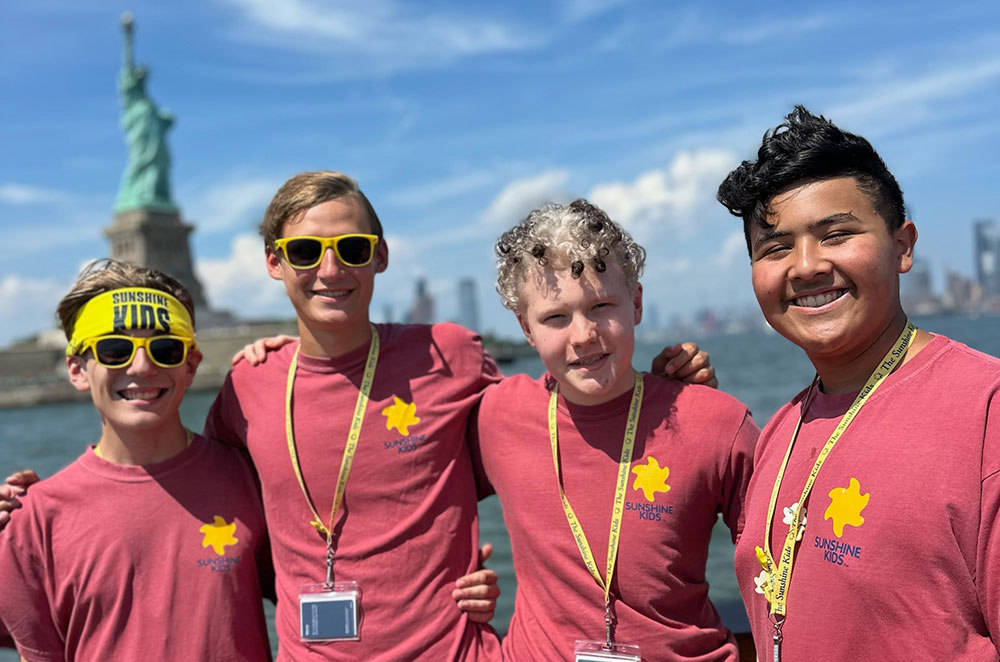
The Sunshine Kids Foundation was founded by Rhoda Tomasco in 1982. At the time, she was serving as a volunteer in the pediatric cancer unit of a Houston hospital and wanted to help kids feel like they were not in a hospital. Our organization exists to widen that world. Through trips, events, and other shared experiences, it helps children and teens step outside the role of patient and simply be. At the heart of our work is a clear belief: Joy is not a reward after hardship. It is part of how they endure it.
How do you see the relationship between joy and resilience?
Joy is absolutely a strategy for resilience. When you go through cancer treatment, so much of your identity becomes wrapped up in being a patient. These moments of fun, even if it’s just being around others like them, can completely shift their mindset. We’ve seen kids who were ready to give up on treatment come back with a renewed desire to fight after one of our trips. That doesn’t happen because we told them to be strong. It happens because they felt connected, understood, and hopeful.
How does your foundation support the whole family?
While our national trips focus on the child, our regional and local activities are about the entire family. Cancer impacts everyone in that household, after all. Among other things, we host sporting events, holiday parties, Disney on Ice, and Monster Jam, activities that bring families together with others who understand what they’re going through, which is incredibly healing. Parents meet parents. Siblings meet siblings.
Would you share an example of how a child experienced something deeper than fun?
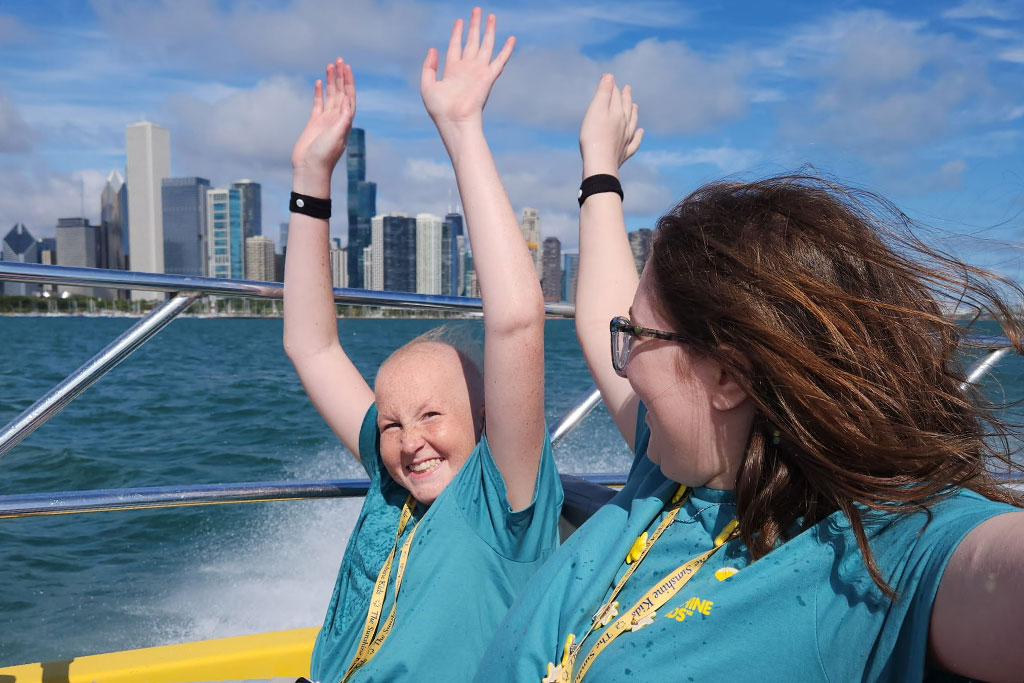
There are so many moments, but one that really stays with me is a child who was nearing hospice care. He had already been on a few Sunshine Kids trips. When it came time for his Make-A-Wish experience, his wish was to go on another Sunshine Kids trip. That was incredibly emotional for us. It showed that what we offer isn’t just an experience; it’s a sense of belonging. He didn’t want something flashy or material. He wanted to be back with kids who understood him.
How do you prepare for the emotional complexities that can surface for the kids?
We rely heavily on our nurses and medical partners. They know these kids deeply and help us prepare for what each child might need emotionally and physically. We also focus on staying positive. We never label our kids as terminal, even though some outcomes are very hard. Treatments have come a long way, and we choose to center on hope while still acknowledging sadness.
In fact, on our national trips, they travel without their parents and just with their nurses. Without parents, kids bond more with each other. They open up. They talk about their ports, their treatments, and their fears, but they also laugh, play, and just exist as kids. By the end of the week, walls come down, wigs come off, and shy ones are suddenly confident.
How do you preserve the close-knit bonds that exist?
Even as we grow, we keep our programs personal. Our trips are intentionally small, and our staff and volunteers build real relationships with these kids. We also create souvenir videos and photo collections so families can relive those memories together. Parents often tell us how much those videos mean, especially after a child has passed.

Do you hear from former Sunshine Kids years later?
Yes, and it’s one of the most inspiring parts of this work. Several former Sunshine Kids are now pediatric oncology nurses, doctors, and advocates. Some even met their future spouses through the program. What stays with them is that sense of connection and resilience. Many want to give back because they remember what it meant to feel supported.
What one thing would you want the public to understand that doesn’t show up in Sunshine Kids photos?
I wish they could feel the emotional weight of it, the joy and the heartbreak together. Giving back isn’t just about funding programs; it’s about showing up for kids fighting something incredibly unfair. When you meet these children, it changes you. You just want to help them smile, even for a moment. And sometimes, that moment means everything.
For more info, visit sunshinekids.org