
The Whole Truth about Whole Foods

With a new year comes refreshed motivation, which may include a new eating regimen. However, it can be overwhelming to know where to start. From keto to vegan, there are diet options that offer a host of benefits for your body. However, these types of diets don’t always deliver long-term results. While you might have some initial success, researchers at UCLA found that some fad diets do not lead to sustained weight loss or provide health benefits.
If you’re looking to make healthy changes to your eating habits, try incorporating more whole foods into your meals. This approach allows you to eat an array of tasty foods by making simple changes.
What are whole foods?
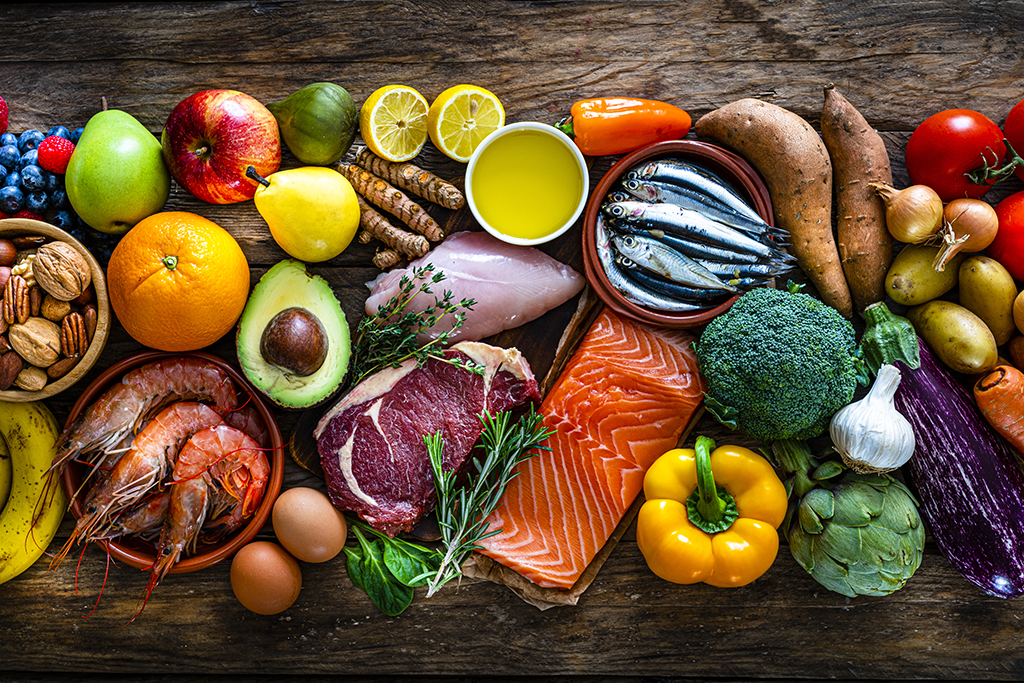
Whole foods, sometimes called unprocessed foods, are not manipulated from their original form before reaching your plate. These foods include plants, such as fruits, nuts, vegetables, and seeds, along with animal products like meat, eggs, and dairy. Two other categories of foods you’ll find are minimally processed foods and heavily processed foods, which usually provide fewer nutritional benefits than the whole foods mentioned above.
Minimally processed foods
These foods start as whole foods before being altered through cutting, freezing, cooking, canning, fermenting, packaging, or a combination of these processes. They have minimal or no added ingredients, making them close or equal to whole foods. A couple of examples of minimally processed foods are bagged salad mixes and frozen fruits.
Heavily processed foods
These foods have added ingredients, such as salt, sugar, preservatives, thickeners, dyes, or oils, that alter the nutritional content by eliminating vitamins, minerals, and fiber. Examples of heavily processed foods include frozen meals and deli meats.
What are the health benefits of whole foods?

There is a lot of truth to the saying “You are what you eat.” By adding more whole and minimally processed foods to your diet, you could reap several health benefits.
-
- Unprocessed foods have no added sugars, fats, or sodium, helping you consume fewer calories than processed foods that have these additives.
- Whole and minimally processed foods are rich in micronutrients, including iron, zinc, calcium, folate, and vitamins A and C.
- Fiber is plentiful in whole foods, such as fresh fruits and vegetables, whole grains, and beans. Eating more fiber helps control blood sugar levels and can lower cholesterol levels.
- Unprocessed foods contain natural, healthy fats compared to the trans fats and saturated fats found in some processed foods.
These findings are significant because the additives in highly processed foods can adversely affect your health. A National Institutes of Health study found that individuals who had a mostly processed diet ate faster, consumed 500 hundred more calories per day, and gained more weight than those consuming an unprocessed diet.
How can I eat more whole foods?

One of the best things about incorporating more whole foods into your diet is it doesn’t have to be all or nothing, and the focus should be on general healthy-eating habits. Try to eat a balance of protein, carbohydrates, and fats in each of your meals.
While some people will take a plant-based approach to a whole foods diet, you can still eat animal products and receive the same benefits. Choose meat raised without hormones or antibiotics, and replace heavily processed dairy with items like plain Greek yogurt or feta cheese.
Start your transition into eating more whole foods with small changes, such as replacing:
-
- White bread with whole-grain bread
- Fried chicken with skinless chicken breast
- Sugary breakfast cereal with rolled oats and a banana
- White rice with brown rice
- Deli meats with roasted chicken or turkey
Remember, you don’t have to adopt a strict whole foods diet overnight. While heavily processed foods aren’t the healthiest option, you should establish healthy boundaries and focus on eating a diet comprised primarily of whole or minimally processed foods. Some good ways to actively eat more whole foods include cooking more meals at home, making smarter decisions when eating out, such as choosing baked or grilled options over deep-fried ones, and packing your lunch for work or school instead of buying takeout.
Where can I find whole foods?

Going shopping is when your healthy-eating plans can fall through as temptation leads you to buy some of your favorite snacks. However, by following some of the simple suggestions below when purchasing food, you’ll be on your way to eating more unprocessed foods:
-
- Make a list to help you shop with purpose, and avoid impulse-buying heavily processed foods.
- Shop the perimeter of the grocery store, where you can find most whole foods products.
- Shop the middle aisles of the grocery store for items such as whole-wheat pasta, brown rice, nuts, seeds, and natural sweeteners like honey.
- Visit a farmers market for fresh produce or a local butcher for meat.
- Buy seeds to start your own fruit-and-vegetable garden.
Remember to check the labels of all products so you know what they contain and avoid unhealthy additions, such as fat, sugar, and salt. A good rule of thumb is to choose food with a shorter ingredient list that contains words you recognize.
By adding more whole foods to your diet, you may feel a whole lot better about healthy eating.