
Super Nutritious Seeds

Small but mighty, seeds are powerhouses that populate our earth with a plethora of plants and trees. But they are also nutritional superfoods that can offer an abundance of benefits when added to your diet. Once overshadowed by nutrient-rich nuts, seeds are now gaining the accolades they deserve from scientists and nutritionists alike.
The benefits of seeds
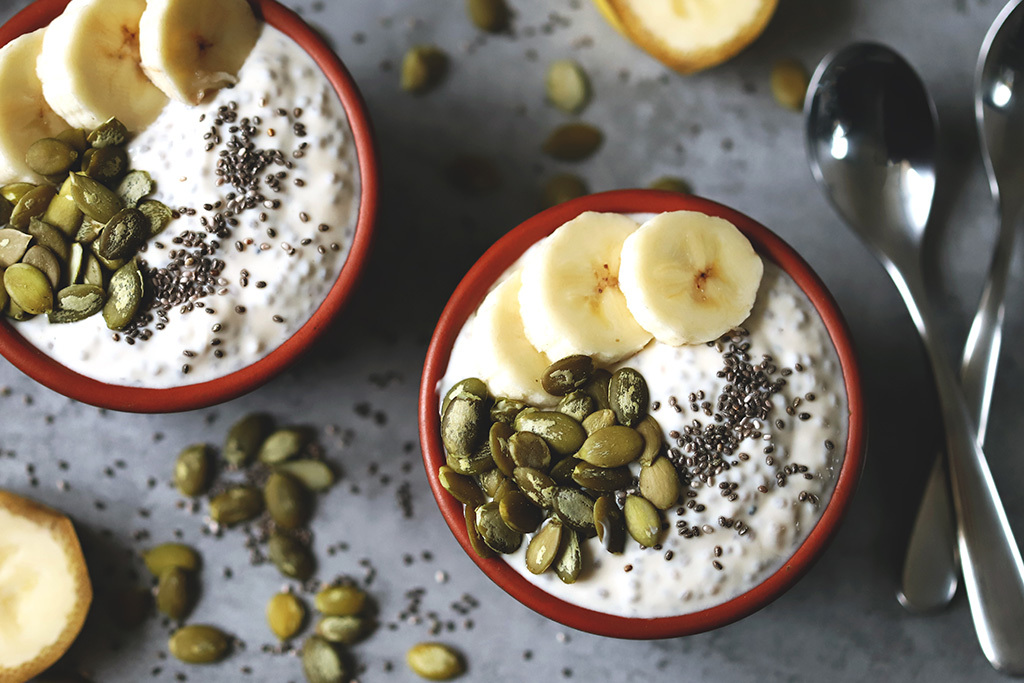
Besides giving life to much of what’s around us, seeds can be a good source of much of what we need to be healthy, such as disease-fighting antioxidants, anti-inflammatory and heart-healthy lignans, and healthy fats like omega-3 fatty acids. They also contain important nutrients like calcium, magnesium, iron, and other minerals and can help reduce blood pressure, cholesterol, and blood sugar when eaten as part of a nutritious diet. On top of all that, seeds are packed with fiber and protein, macronutrients your body needs.
Adding seeds to your diet
Seeds can be a protein substitute for eggs and meats, and you can eat them raw, roasted, or sprouted. But as with other foods, you should enjoy them in moderation: consume only about one to two ounces a day. Besides their nutritional benefits, seeds can add a mild, nutty flavor and a satisfying crunch to food. Consider snacking on these seeds or adding them to your meals.
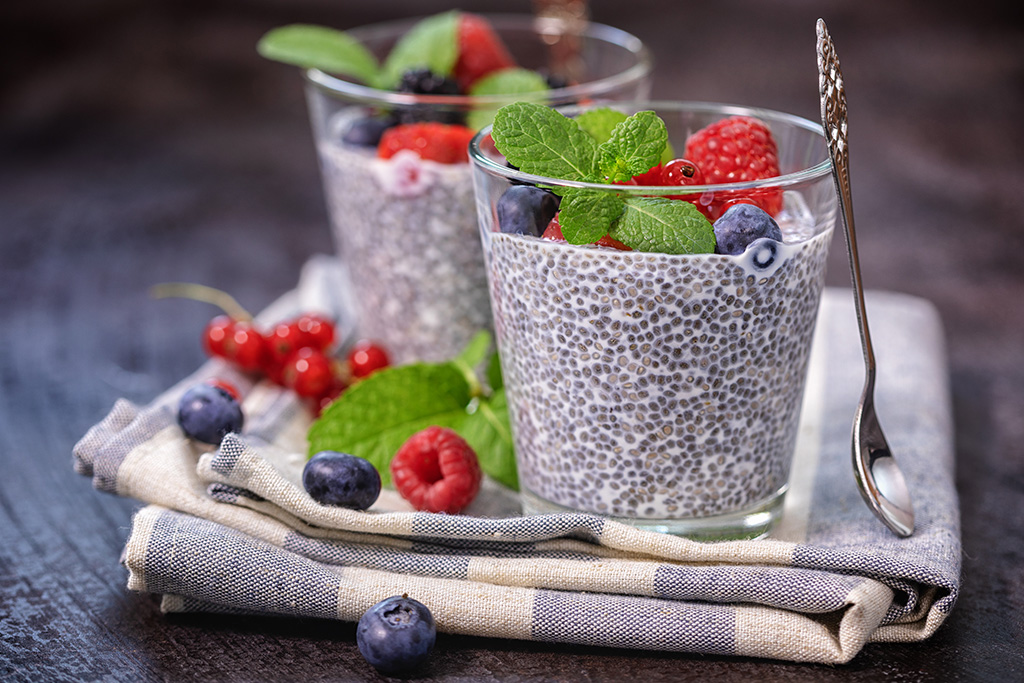
Chia
These tiny black seeds come from the desert plant Salvia hispanica, a member of the mint family that was an important part of the Aztec diet. Add chia seeds to oatmeal, popcorn, smoothies, or yogurt, or toss them into your bread, cake, and muffin recipes. You could also try making some chia pudding, a simple and delicious snack made with as little as four ingredients.
Flaxseed
The flax plant is one of the world’s oldest crops—in fact, it was used to make linens for wrapping mummies in ancient Egypt. Fiber-rich flaxseed (also referred to as linseed) can be ground and added to soups, sauces, and even pancakes.
Hemp
Smaller, softer, and higher in protein than some other seeds, hemp seeds can be incorporated into salads, soups, and smoothies. Note that hemp seeds come from a different plant than the one used to make marijuana and are safe to eat.
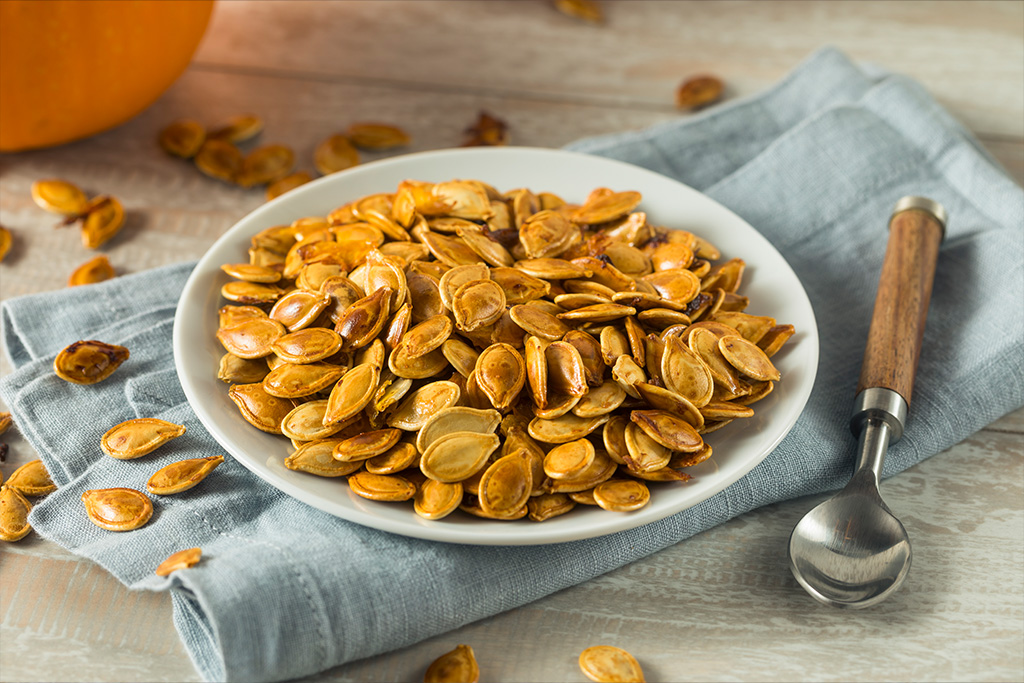
Pumpkin
These tasty treats contain tryptophan, a substance also found in turkey that may help induce sleep and relieve depression. Popularly roasted, they taste great mixed into cereal, yogurt, or granola. For extra crunch and more fiber, leave the shells on—they’re completely edible.
Sesame
Harvested from the Sesamum indicum plant of Indonesia, this popular seed is regularly used in cakes, cookies, crackers, and some Asian cuisines. It is also used to make tahini, a main ingredient in hummus. Sesame seeds are great additions to candy brittle, chicken, and noodles.
Sunflower
There are two main types of sunflower seeds. The ones with black-and-white-striped shells are mainly for snacking, while the solid black variety is most commonly used for feeding birds or making sunflower oil. You can purchase sunflower seeds with or without their shells, but you should not eat the shells. Snack on sunflower seeds, use them in veggie burgers, or spread sunflower butter on apples or crackers.
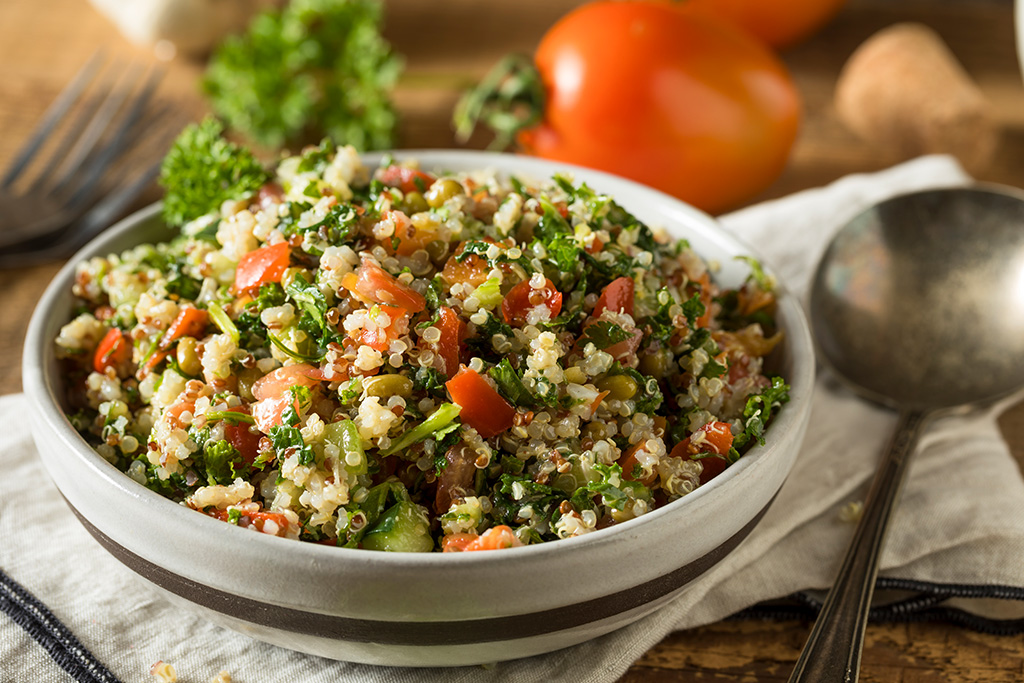
Quinoa
Quinoa, a naturally gluten-free pseudograin, is a seed from the South American plant Chenopodium quinoa and is one of the few plant-based complete proteins, meaning it contains all nine essential amino acids. It comes in a variety of colors, can be eaten as a rice or oatmeal substitute, and can be added to salads or mixed into vegetarian burger patties.
Tasty and inexpensive, seeds are a simple way to add nutrition to your diet. Start small with just one or two types, or incorporate a smorgasbord of these delicious morsels into your meals and snacks. Your body will thank you!