
Shorter Days, Better Sleep


When autumn’s cool and colorful days descend, sunlight also gets noticeably shorter. This change may send your sleep cycle into a tizzy. However, if you make a few adjustments to your habits, you can not only navigate this seasonal shift but actually thrive in it.
The science of sleep
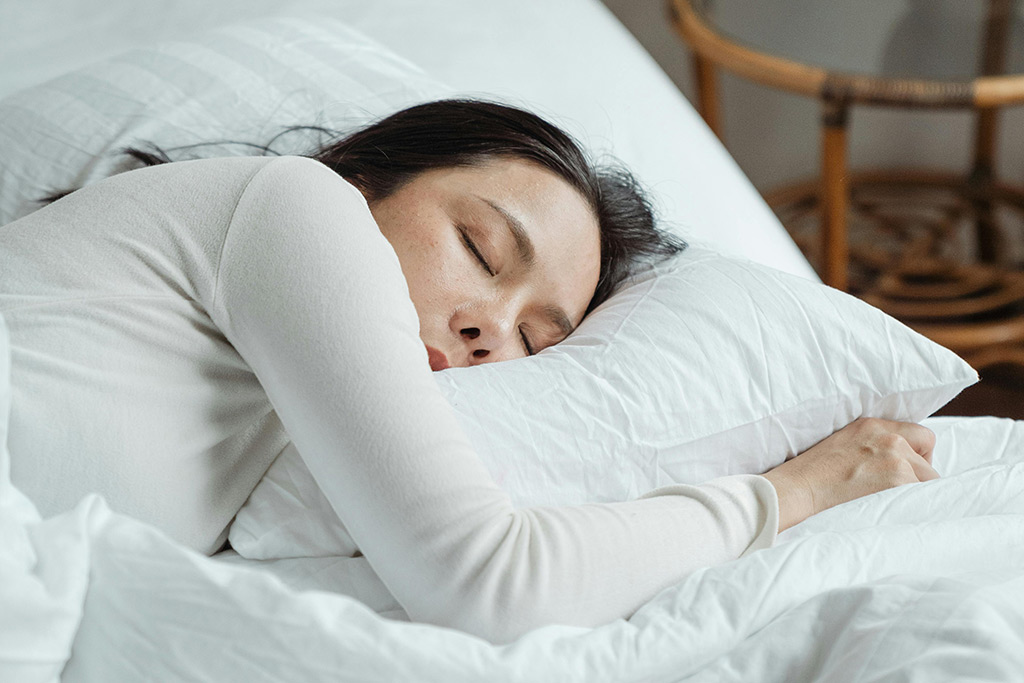
The decreasing daylight hours of fall directly impact circadian rhythm, the body’s internal twenty-four-hour clock that regulates sleep and wakefulness. Less natural light exposure can disrupt the production of melatonin, which tells your body that it’s time to sleep, potentially making it difficult to wind down and wake up naturally. Conversely, a lack of light can affect cortisol, which helps you feel awake in the morning.
Tricks to getting slumber
With these details in mind, you can make the following changes to recalibrate your rest.
Watch your intake
Limit alcohol and caffeine, especially in the late afternoon and evening. While alcohol might initially make you feel drowsy, it can disrupt sleep later in the night, leading to fragmented rest. And caffeine, a stimulant, can stay in your system for up to twelve hours, so go easy on the pumpkin spice lattes after noon.
Stick to a consistent schedule
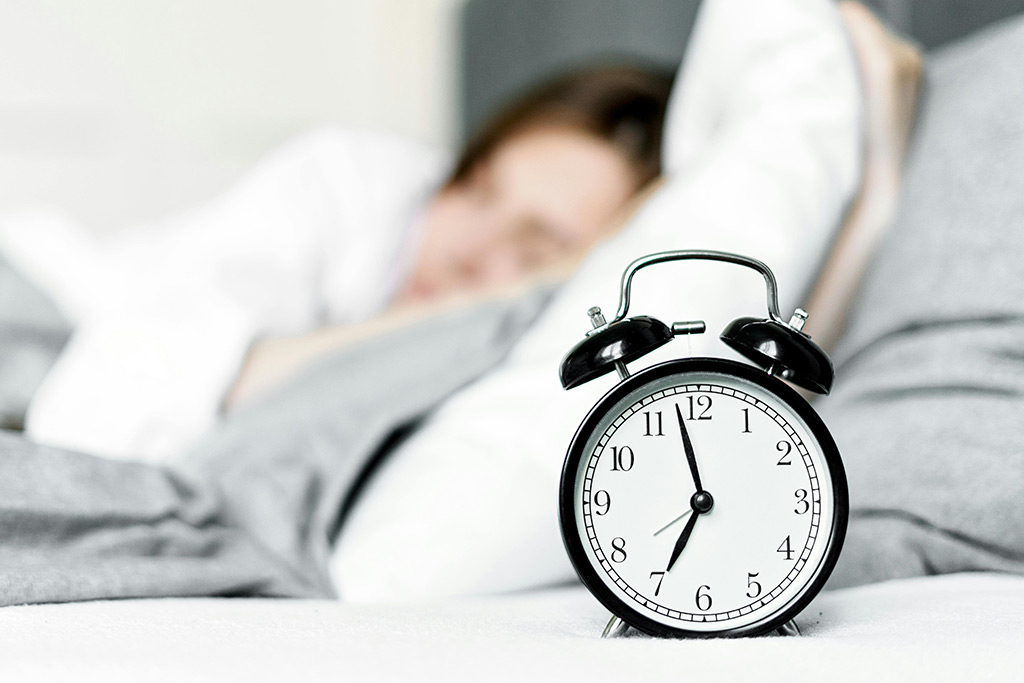
Go to bed and wake up at roughly the same time every day, even on weekends. Such regularity reinforces your circadian rhythm, making it easier for your body to anticipate sleep and wakefulness.
Create a sleep sanctuary
To trigger deep slumber, ensure that your bedroom is dark, quiet, and cool (65–68 degrees). And because fall temperatures can waver between warm and chilly, craft a layered bed that includes thin, heat-dispelling sheets and a cozy blanket so you can easily adjust to comfortable conditions for rest each night.
Power down before bed
Avoid screens, including phones, tablets, and computers, for at least an hour before bedtime. The blue light emitted from these devices mimics daylight—something you’ll naturally crave more of in fall. This can suppress melatonin and signal to your brain that it’s still daytime. Alternatively, read a book, listen to calming music, or meditate.
Embrace the morning
As soon as you wake up, expose yourself to natural light. Open your curtains, step outside for a few minutes, or just sit by a window while you have your coffee. This can help reduce your melatonin and kick-start your cortisol production so you feel awake and alert.

Take the shorter days of fall as an invitation to cozy up and enjoy healthier sleep. If you proactively adjust your habits, you can better embrace this season of change while watching out for your wellness.
*Talk to your doctor for personalized advice on improving your sleep.