
Holiday Budgeting


The holidays are a festive time to share with family and friends, but if you aren’t careful, you can overspend on gifts, food, travel, and other expenditures and wind up in debt after the season is over. These suggestions can help you celebrate without going over budget.
Set money aside

To avoid accumulating debt over the holidays, begin saving now to help ensure that you’ll have enough money to use on holiday-related purchases. If possible, don’t use your credit cards for your holiday spending since you may pay more in the long run and go over budget if you accrue interest and fees. If you can cut out avoidable expenses, such as your daily latte, you might be able to reserve even more cash for your holiday budget. You can use an app like Mint to track your savings, cash, spending, and credit card balances.
Track income and expenses
Calculate how much income, not only from your paycheck or business but also from any side job, you’ll bring in during the weeks leading up to the holidays so you can create a reasonable budget. You should also add up nonholiday expenses, such as your mortgage and credit card payments, that you will have before the holidays. For example, if you have an expensive dentist visit coming up, it may limit how much you can allocate to your budget. Also, determine which of your expenses are essential and which can be pushed back until after the new year if funds are tight. Once you determine your total preholiday costs, deduct the number from how much income you will bring in to determine your maximum holiday budget.
Analyze last year’s spending
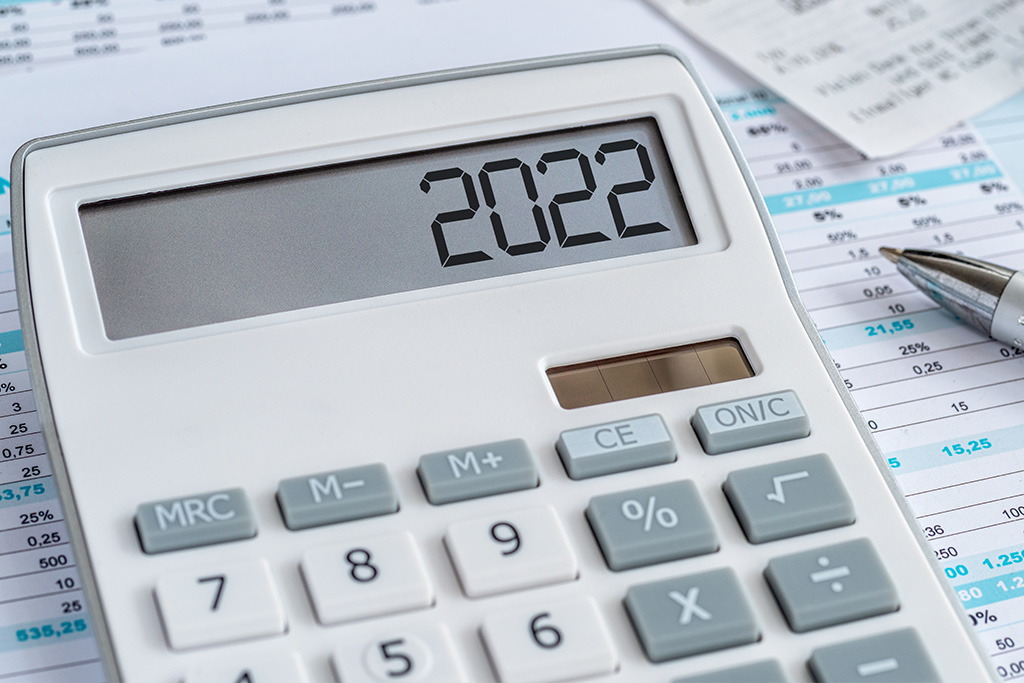
To get an idea of how much you might spend this holiday season, look at what your holiday expenses were last year. As a guide, keep in mind that, on average, Americans planned to spend $998 on holiday-related purchases in 2021, according to the National Retail Federation. Even if you didn’t keep your receipts, you can do some research online to estimate what you spent the previous year if you remember what you bought. If your gift list and circumstances are like last year’s, plan to spend at least as much as last year since prices have increased for most goods.
Make a final list
Put together your gift list, the parties you’ll attend and host, and related purchases you’ll make, such as clothing, decorations, food, and travel. Take your maximum budget, estimate as best as you can how much you would like to spend on everyone and everything on your list, and add them up to create your total holiday budget. Remember that you don’t have to buy an expensive gift for everyone on your list. A thoughtful, inexpensive item like a book by your recipient’s favorite author can be a good substitute for a pricey gift.
Expect the unexpected

It’s a good idea to have additional money in your budget for such unexpected holiday costs. Don’t forget that you may need cash for items like postage, gift wrap, or last-minute activities, such as an impromptu get-together with friends. If you can, try to put an additional $100 into your budget for surprise expenses.
Prioritize and recalculate
If added costs push your projected holiday expenses over what you can afford, you may need to make changes to your budget. Take a closer look to see if you can remove some items on your list or if you can spend less on a category, such as gifts, so you can put more toward other holiday costs, such as travel, to create a holiday budget that works for you.

Plan your saving
Once you have your finalized budget, figure out how much you should set aside each week or month to fund it. So, for instance, if you plan to spend $1,000 this holiday season and have eight weeks to save up before you begin shopping, traveling, and participating in other holiday activities, you could aim to set save $125 a week to pay for it.
With careful planning and budgeting, you can stay in control of your holiday spending and enjoy the season more. Consider it a much-deserved gift to yourself!