
Move More, Not Harder


In life, making a big splash usually captures the most attention, whether it’s an important announcement, a majestic house, or a flashy car. When it comes to your health, though, small, consistent steps usually make more of a difference than dramatic changes—and are usually safer for beginners.
Think about this in terms of your home life. How often do you get things out of cabinets, stand at the counter washing dishes, or carry groceries? The truth is, such common movements, also known as microhabits, can help shape not only your overall health but also your strength and mobility.
Piling up progress

Spending hours sitting each day comes with a cost. At some point, you’ve likely experienced some common effects of being stationary for long periods, such as stiff joints and reduced energy. Most people know what they should do for better well-being: get more active. The stumbling block is usually consistency, which is thwarted by distractions and overloaded schedules.
Take advantage of gaps in your busy calendar since the body adapts remarkably well to frequent, low-level activity. Muscles and joints, for example, respond to regular use, even without pumping iron in the gym. Strength and balance can lead to improvements, especially for beginners or sedentary individuals.
Strength
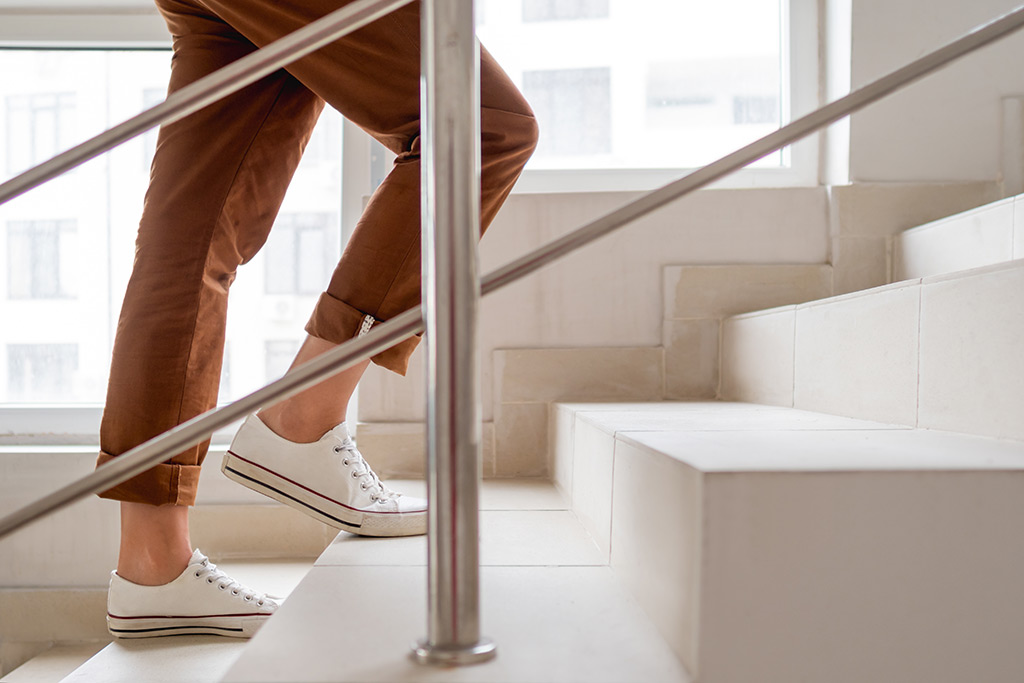
When people hear this word, they usually picture barbells. However, a gym membership isn’t absolutely necessary since strength is required for common movements. Lugging laundry baskets (everyone’s favorite chore) works the arms and core, especially going up the stairs. Reaching for a pot in an overhead kitchen cabinet requires balance (more on that later) while challenging shoulder stability. Merely standing up from a chair engages the legs and hips.
The key is making small adjustments, which turn such routine actions into strength-building opportunities. For example, stand up a little slower and hold your posture for a breath. Place those groceries down deliberately instead of rushing to drop them on the counter. In doing so, you begin to notice how you move, which demands more control and stability. While daily movements won’t fully replace structured strength training, they can help maintain functional strength and reinforce good movement patterns.
Balance and mobility

Having a sense of healthy physical balance and mobility usually falls into the “use it or lose it” category, especially as life becomes more sedentary and predictable—which tends to happen with age. However, research shows that measurable improvements can occur within a few weeks of regular practice, depending on your starting point and consistency.
There are plenty of simple changes you could make to improve your balance, such as standing on one foot while brushing your teeth and shifting weight slowly while waiting for the kettle to boil. Likewise, keeping your joints frequently in motion can aid your mobility, so try rolling your shoulders after waking, turning your neck gently before sitting down, and stretching frequently at your desk. Slow, intentional activity helps maintain joints’ range of motion and provides a good reminder that they’re meant to move. Such moments require little effort, carry minimal risk for most healthy adults, and can help maximize your health when done repeatedly.
As a bonus, sharpening these qualities makes you more confident in your movements, which tend to feel easier and safer. For instance, balance itself is often reduced to merely being a means for preventing falls when, in reality, it can be a tool that helps you move through life more easily.
Designing for microhabits

Your home either encourages motion or shuts it down; it largely depends on how you lay it out. Start by arranging spaces to invite standing and walking. Clear pathways in your hallways that encourage movement between rooms. Also, choose firm seating that allows easy standing rather than sinking too deeply. If it’s too soft or low, it can influence how much getting up and sitting down impacts joints and muscles, especially for older adults. Finally, consider placing frequently used items where they require a reach or a step (as long as it doesn’t put you at risk for injury).
You don’t necessarily need drastic changes to improve your health—often, the key is to just stay more active. By being aware of already existing microhabits and adding new ones to your everyday life, you can foster a routine that makes a noticeable difference in how you feel. The body keeps score of what you repeat, so make sure it’s movement.