
Inexpensive High-Protein Meat Alternatives

Meat has long been the go-to example of a high-protein food. However, we know now that meat isn’t the only, and sometimes not even the best, source of your daily protein intake. The market is catching up to this by releasing various meat substitutes.
Brands like Beyond Meat offer great-tasting plant-based alternatives, but they’re not always the healthiest option for you or your finances. If you’re on a budget or prefer a natural approach to your food, below are the top meat substitutes you should consider adding to your diet.
Make sure you consult a health professional before making any changes to your diet.
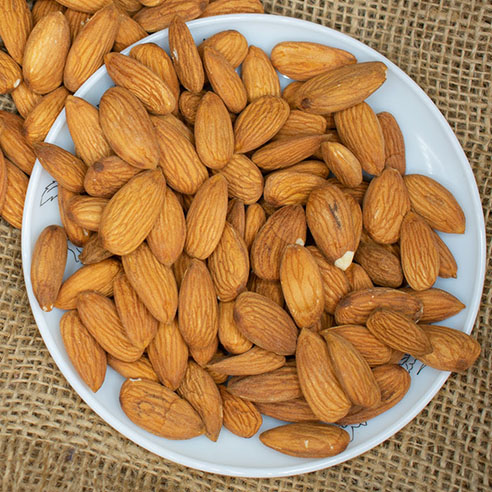
Almonds 7g of protein per ¼ cup
Nuts are a great source of protein in general. But almonds are especially high in protein and offer a few additional health benefits, such as heart-healthy fats. Almonds are tasty on their own or cut up as a topping on dishes like a smoothie bowl.
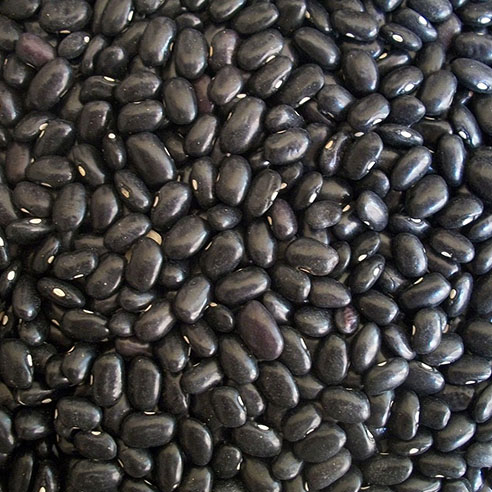
Black beans 8g of protein per ½ cup
Beans are an inexpensive and versatile food you can prepare in a variety of ways. Some of the best options include in meatless tacos or as a side with whole grain rice.
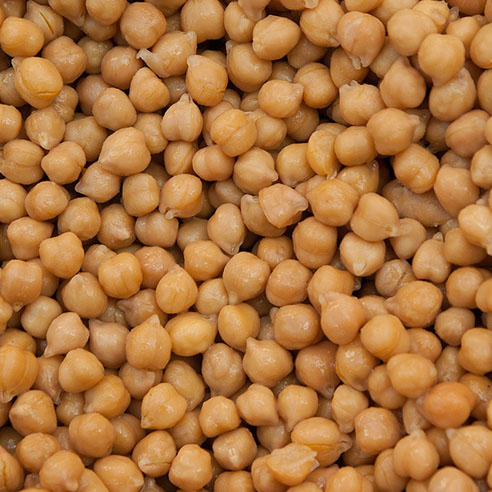
Chickpeas 39g of protein per cup
You’re likely familiar with chickpeas if hummus is one of your go-to snacks. Chickpeas are a soft legume, perfect for mashing into hummus or incorporating into a salad.
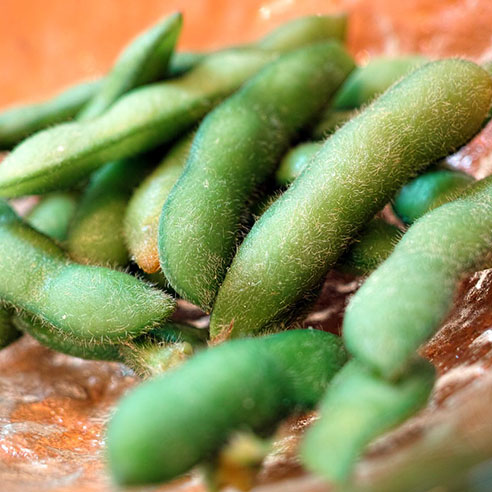
Edamame 17g of protein per cup
Soybeans are an East Asian treasure. These beans are not only high in protein but also in vitamin K, antioxidants, and fiber—all of which are beneficial for your heart and digestive health. Enjoy edamame steamed in the pod or as beans in a meatless stir-fry.
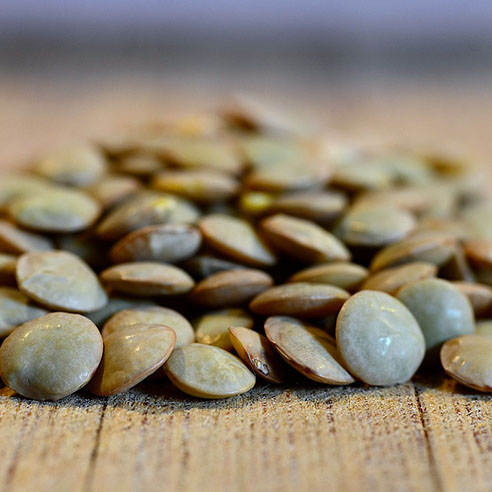
Lentils 18g of protein per cup
Lentils are the smallest of all legumes, but the list of health benefits they provide is long. Lentils are a great source of your daily fiber and protein, and their unique, savory flavor makes for a good choice as the main part of a dish.
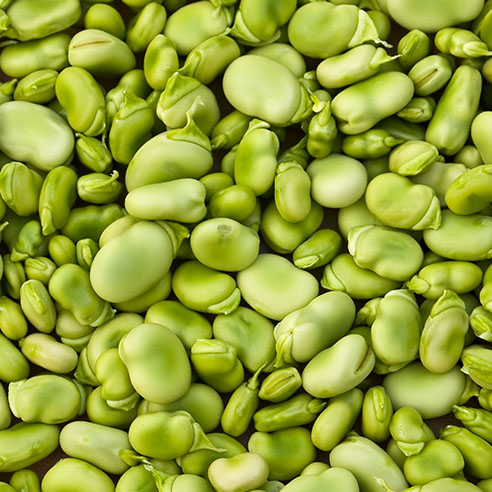
Lima beans 15g of protein per cup
Although they are a popular dinner staple, lima beans were likely one side you avoided putting on your plate as a child. However, you should consider revisiting this vegetable to reap the benefits of its healthy protein, iron, and fiber. Lima beans are delicious in soups and stews.
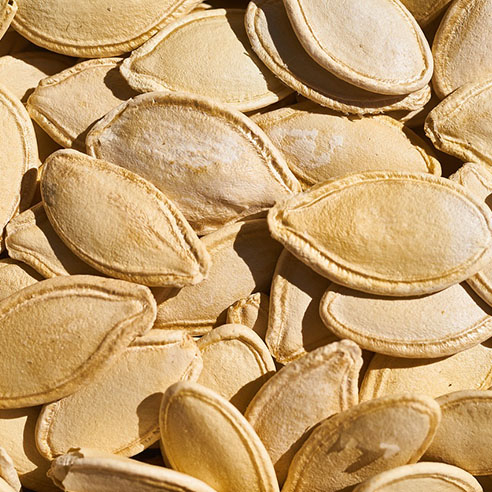
Pumpkin seeds 5g of protein per ¼ cup
Are you planning on carving pumpkins this season? Try using the entire pumpkin by eating some pumpkin seeds! Pumpkin seeds can offer a crunchy and chewy protein boost, plus, if you have occasional insomnia, they can be a natural sleep aid solution. Try roasting and salting them to eat as a snack or adding them to a healthy dessert recipe like pumpkin muffins.
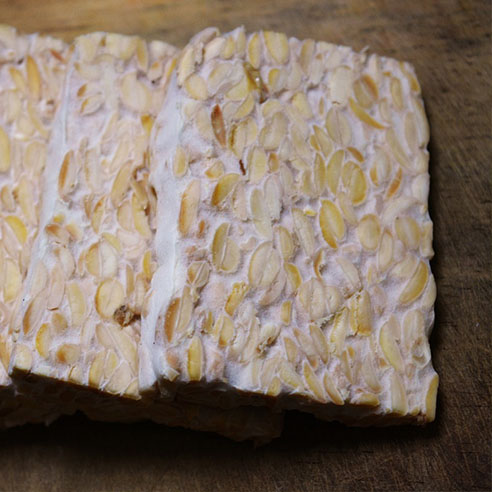
Tempeh 31g of protein per cup
Tempeh is a chewy, nutty, and earthy-tasting soy product that is great as a direct meat substitute in dishes like stir-fry and grilled medleys.
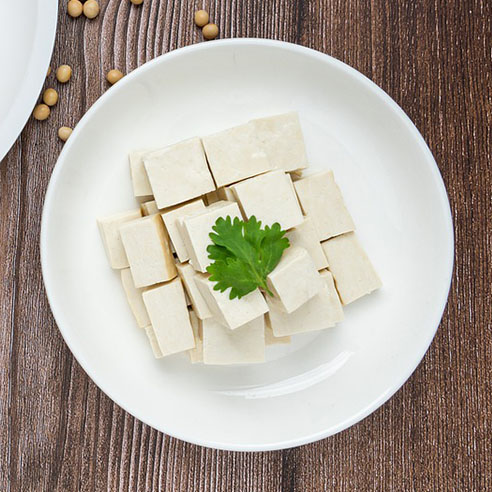
Tofu 10g of protein per ½ cup
Like tempeh, tofu is a soybean product that, on its own, is rather bland. Instead, view tofu as an absorbent, blank canvas to marinate with your preferred flavors. Consider baking or frying your tofu for the best texture.
*Nutritional information courtesy of the USDA.