
Cozy Up to Warm Minimalism


“It’s cold. It’s unwelcoming. It’s downright businesslike in a way that’s better suited for an office than my home.”
“I love minimalism because it’s clean, tidy, and organized. Items with meaning or purpose get to stay, and everything else goes.”
People have quite polarizing views of minimalism, and it’s easy to see why. This design approach doesn’t slot quite as easily into many homeowners’ lifestyles, including those with children and pets or those who prefer to surround themselves with all things familiar and cozy.
But what if minimalism took a step back from the edge of extreme blankness and became more appropriate for various people of different walks of life? Enter warm minimalism, a new take on this classic style that showcases an injection of personality and assures us that, yes, it’s OK for homes to embrace both class and comfort.
A trend timeline
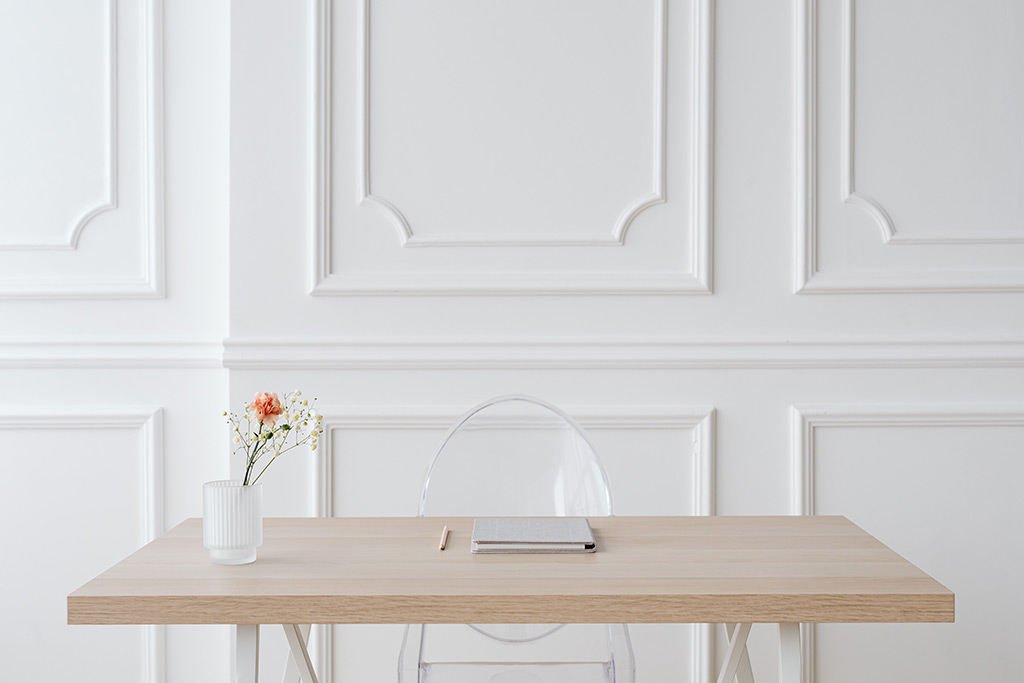
American minimalism was partially inspired by comforting Japanese Zen design, which values simplicity, a lack of clutter, and the harmony and mental clarity of inhabiting undisturbed spaces. But as the aesthetics of the 1990s and 2000s tweaked the design approach, it became decidedly distinct from its origins. A new take on minimalism rose that prioritized starkness and cleanliness above nearly all else. Among the best-known minimalist trends is the all-white kitchen craze that caked every surface, floor-to-ceiling, in this neutral of all neutrals.
But recent years have seen more of an aversion to that kind of minimalism, even inspiring maximalism as a reaction so that people could swim in color and texture and wrap themselves in what they enjoy most. But warm minimalism falls somewhere in between, keeping only the best elements of both extremes.
Get the look

Here’s how to marry the simplicity and smart organization of minimalism with the comfort and familiar touches of more traditional design.
Simple color schemes
While an all-white room might feel clinical, you can take a more reasonable approach to neutral-forward spaces and still create visual calm. Here’s an example of balancing shades that can work anywhere in your home: Start by painting the walls a subtle, calming color like muted green or off-white with a touch of blue. Add large walnut furniture, then smaller pine furniture, tan linens, and black, blue, and white decorative objects. While the color range may seem limited, the balanced composition of dark-to-light shades and touches of calm blue will feel sophisticated yet inviting.
Purpose-first design
Extreme minimalism may only value items that serve a clear purpose, including storage cabinets and beds. These features are essential for organization and rest, but you don’t have to pare down your spaces so ruthlessly. Warm minimalism also values the emotion of the home, so feature items that carry emotional impact too. Lay a rug that makes the area feel inviting, and incorporate multiple layers of lighting to craft a comforting, warm atmosphere. Finish each room with just a few conversation pieces that help balance the color range and showcase your personality. When you omit objects that exist purely to fill space and don’t necessarily make you feel good, the results will actually look more stylish without them.

Cozy materials
Being minimal, by definition, means choosing only a few quality items. When it comes to spaces like bedrooms and living areas, this entails selecting comfortable, well-made, and natural materials. In your living areas, for example, choose seating covered in natural fabrics like linen and cashmere, and storage furniture crafted from warm woods like burl and rattan. As an alternative to overdressing your bed, top it with just two to four well-made plush pillows, then finish the look with a comfortable quilt. The freedom from making a fussy bed with multiple components each morning will inspire more comfort as well!
Patterns over pieces
Throughout your entertaining spaces, like your dining room and den, opt for patterned textiles that draw the eye and do the visual work of several smaller decor items, without leaving behind a feeling of emptiness. For instance, rather than staging your dining table with several candlesticks and serving dishes, lay a single patterned runner across it, then finish the look with one grand centerpiece.

Design across time
Contemporary decor is often straightforward and well-structured, and it intentionally omits the intricacy of antique woodwork, including desks with detailed legs and armoires crowned in flared molding. While true minimalism shuns meticulously made furniture, warm minimalism welcomes you to create a more transitional look, balancing the chic austerity of newer pieces with the comfort and familiarity of older ones. Decorate with furniture from various time periods, and you’ll craft a more engaging and well-curated space.
Architecture above all else
What are the most eye-catching elements of your interiors? Maybe you have detailed molding, arches, columns, stairs, prominent windows, or a fireplace. Don’t obscure these intricate features with cluttered decor; give them the spotlight they deserve! Paint remarkable architectural elements with a semigloss finish so they catch more light, then decorate minimally around them, orienting your seating or bed to capture views of them. The result will perfectly embody warm minimalism: A few features carry major impact, and subtracting clutter adds value.
So, by all means, incorporate hand-me-downs and flea market finds alike, but use them with restraint. These elements will play off each other for fascinating visual harmony, inviting you to cozy up in an ambience that is as serene as it is simple.