
The World’s Most Inspiring Places to Reset


Destinations for rest, reflection, creativity, and a fresh start
Some years call for ambitious goals. Others call for distance—enough to step away from familiar routines and hear ourselves think.
The most restorative destinations offer more than beautiful surroundings. They create a change in rhythm—a landscape, culture, or way of life that encourages us to slow down, look more closely, and return home with a renewed sense of possibility. From an Atlantic island threaded with mountain paths to a Mexican city alive with artistic tradition, these distinctive places offer compelling settings for beginning again.
Madeira, Portugal: follow a greener path
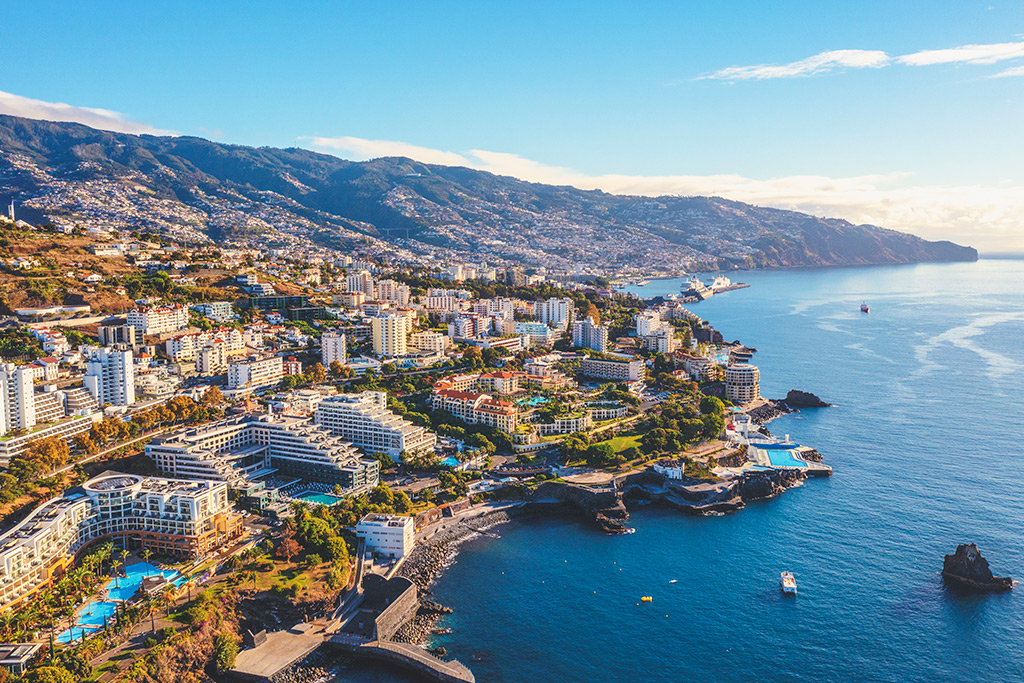
Rising dramatically from the Atlantic Ocean, Madeira feels both remote and remarkably alive. Volcanic peaks, terraced hillsides, and villages overlooking the sea give the island an almost cinematic quality, while its subtropical climate makes outdoor living possible throughout much of the year.
The island’s historic levadas—irrigation channels accompanied by walking paths—offer a particularly memorable way to experience the landscape. Routes pass through fern-filled forests, beside waterfalls, and into the Laurisilva, Madeira’s ancient laurel forest. On the greener northern coast, mountains, natural pools, streams, and volcanic formations create an environment that seems designed to restore tired senses.
Madeira suits those who reset through movement: a morning hike above the clouds, a swim in the ocean, or a long lunch overlooking the water. Funchal provides sophistication and convenience, but quieter communities such as Ponta do Sol, Santana, and São Vicente offer an appealing sense of retreat.
Kyoto, Japan: rediscover the beauty of ritual
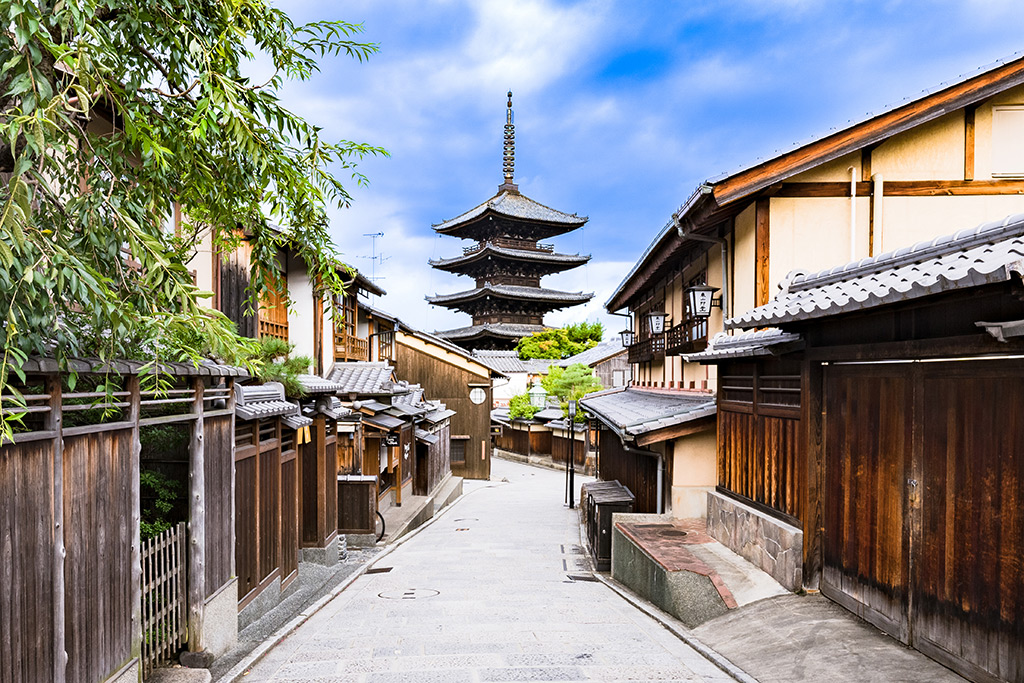
Kyoto’s power lies not simply in what visitors see but in how the city encourages them to see. A carefully prepared bowl of tea, light moving across a temple garden, or the texture of handmade paper can become an invitation to pay attention.
Although celebrated for its shrines, temples, and historic districts, Kyoto is also a living center of craftsmanship and creativity. Artists, architects, chefs, and designers continue to reinterpret its traditions, while restored machiya townhouses, former bathhouses, and artisan workshops provide new settings for contemporary life. The city’s relationship with nature—expressed through gardens, seasonal food, bamboo groves, and contemplative walking routes—adds to its enduring appeal.
In Kyoto, urgency gives way to intention. Staying in a residential neighborhood beyond the busiest landmarks allows its quieter patterns to emerge: bicycles passing in narrow lanes, small shops opening for the day, and mountains visible at the city’s edge.
San Pedro de Atacama, Chile: find perspective beneath the stars

Few places make everyday concerns feel smaller than the Atacama Desert. Surrounding San Pedro de Atacama, salt flats, volcanoes, sculpted valleys, and vast expanses of earth stretch toward an immense horizon.
The desert’s elevation, extreme dryness, and limited light pollution create exceptional conditions for observing the night sky. After dark, the Milky Way, planets, nebulae, and distant galaxies appear with extraordinary clarity, making stargazing one of the region’s defining experiences.
Days can be spent exploring the otherworldly terrain of Valle de la Luna, watching flamingos move across salt lagoons, or witnessing steam rise from the El Tatio geysers at dawn. Yet the desert’s greatest luxury may be its emptiness. With fewer distractions, your thoughts expand to fill the space. For travelers seeking perspective rather than pampering alone, Atacama offers a profound form of renewal.
Tasmania, Australia: return to the wild
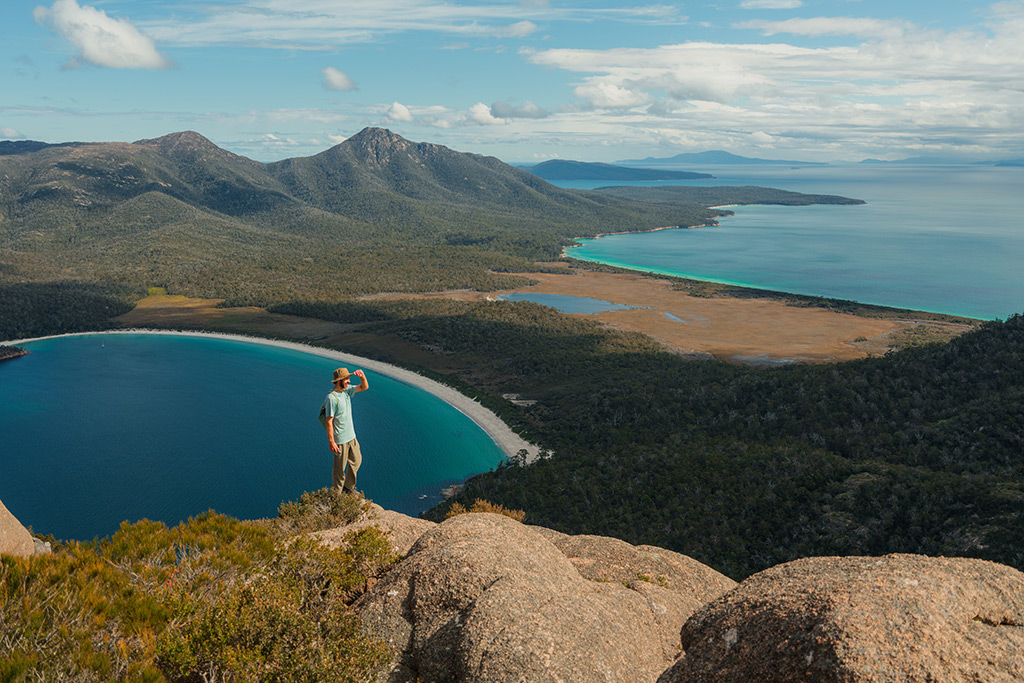
At the southern edge of Australia, Tasmania offers an invigorating combination of wilderness and refinement. Ancient forests, rugged mountains, secluded beaches, and clear waterways make nature the dominant presence, while Hobart and the island’s smaller communities bring together art, inventive cuisine, and a strong appreciation for local craftsmanship.
The island rewards slow exploration. A gentler journey might include walking part of the dramatic east coast, staying near a remote bay, or driving through landscapes where vineyards and orchards give way to protected forest reserves. Tasmania’s seasons also create distinct moods, from summer’s long outdoor days to autumn’s color and winter’s fireside pleasures.
For creative travelers, Hobart provides a stimulating counterpoint to the island’s slower pace. Galleries, studios, historic architecture, and experimental cultural spaces make it possible to alternate solitude with inspiration—and to enjoy some of Australia’s most memorable food along the way.
Oaxaca, Mexico: rekindle creative energy
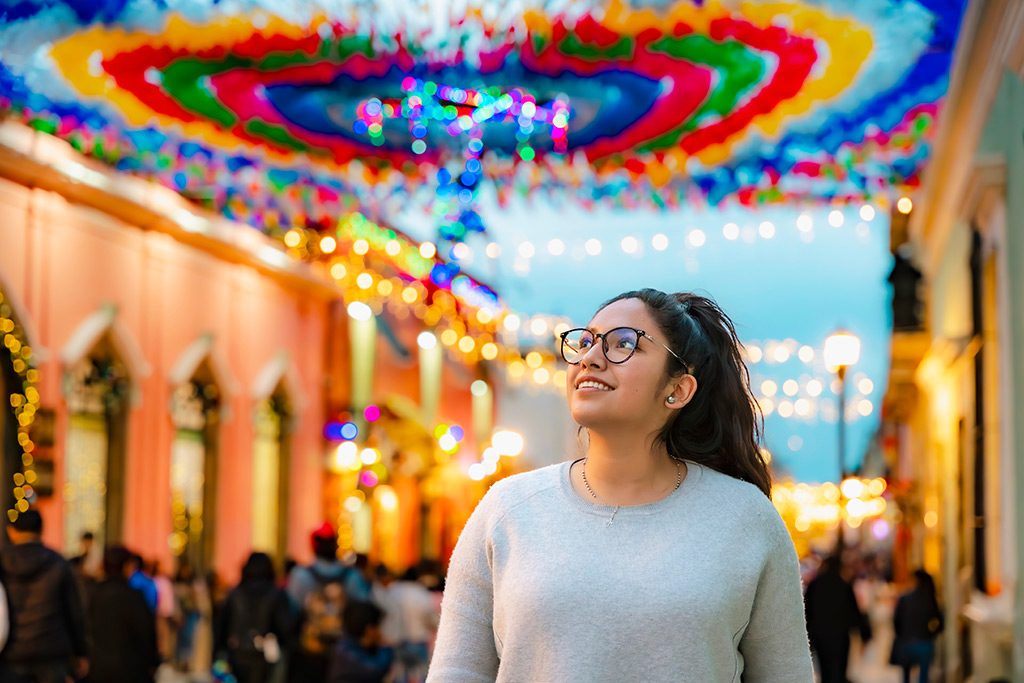
Some resets thrive on stimulation. Oaxaca offers color, texture, flavor, and artistry in abundance, making it an especially compelling destination for anyone hoping to begin the year with renewed creative energy.
The city’s distinctive architecture provides the backdrop for a thriving culture of ceramics, textiles, contemporary art, design, and cuisine. Historic convents have become cultural centers, traditional techniques are preserved in working studios, and new generations of makers continue to reinterpret regional forms. Beyond the city, archaeological sites, mountain communities, and artisan villages deepen the connection between landscape and culture.
Oaxaca invites curiosity. A day might move from a bustling market to a quiet courtyard, a weaving workshop, and a memorable meal centered on local ingredients. It reminds visitors that renewal can begin by engaging with the world more fully.
Slovenia: embrace life at a gentler scale
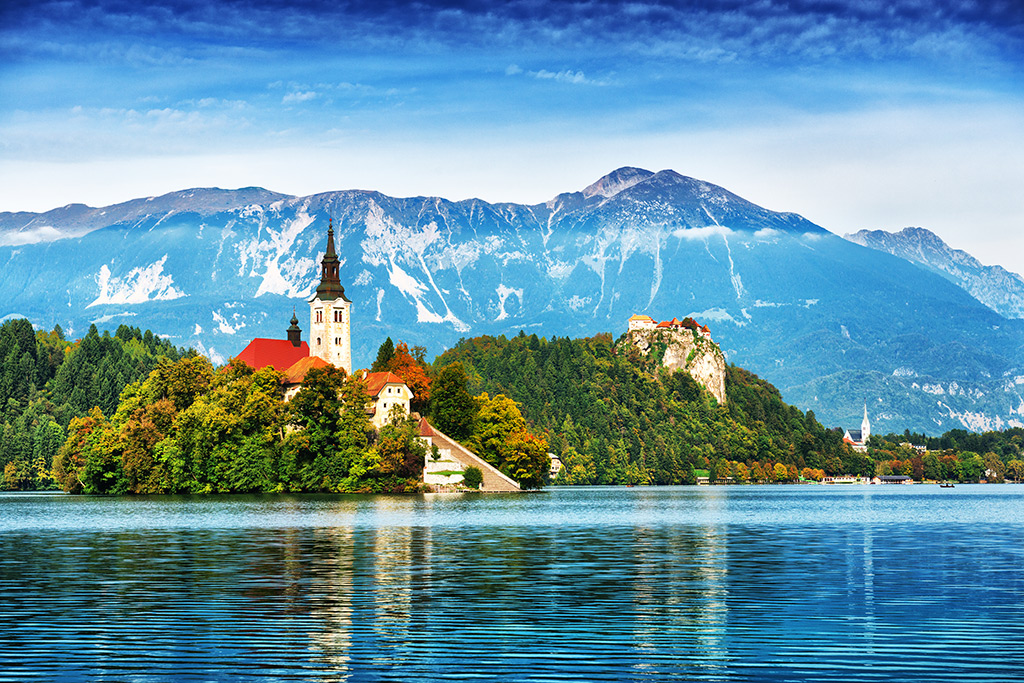
Compact, green, and quietly captivating, Slovenia makes it easy to move between contrasting worlds. Alpine peaks rise above clear lakes, forests surround historic spa towns, and the Adriatic coast lies within reach of the capital, Ljubljana.
Lake Bled may be the country’s most recognizable view, but Slovenia’s unhurried character extends well beyond it. The tranquil shores of Lake Bohinj, traditional villages of the Julian Alps, and mineral-water retreats of the country’s eastern regions offer space for walking, cycling, bathing, and unhurried meals. Slovenia also retains a strong connection to small-scale craftsmanship, local food traditions, and experiences rooted in community.
Culture fills the morning and nature the afternoon, and a welcoming town square rounds out the evening.
Whether found in a forest, desert, studio, or centuries-old street, the right place can alter our perspective. The most meaningful resets give us just enough distance, beauty, and inspiration to see the way forward more clearly.