
A Guide to Evergreen Entertaining


It’s interesting how seasons can make certain gathering places more appealing depending on the time of year. For instance, guests may spill onto the patio in the evening warmth of July. Today, though, they likely gather closer to the fireplace while cold winds whip against the windows.
However, you shouldn’t let your climate dictate your get-togethers. The key is to create living spaces that offer comfort any time of year. With just a little adaptability, flexible furnishings, and thoughtful planning, you can host successful gatherings year-round—wherever you live.
Prioritize flexibility
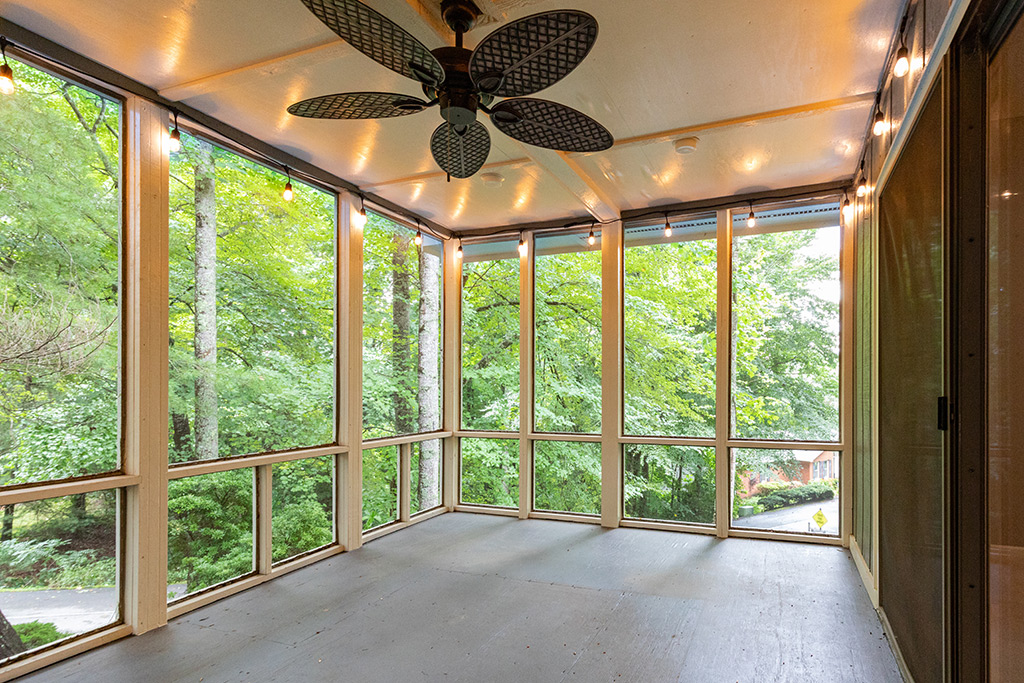
Memorable hosting often relies on what designers call flexible living spaces. In short, rather than building your furniture and decor around one specific season, the idea is to focus on what functions comfortably in any month. In some homes, that might be a covered patio or screened porch. In others, it may take the form of a sunroom, finished basement, or living room that opens to a deck.
Similarly, multipurpose rooms have been increasingly popular in recent years. Though the root cause—more remote work since the COVID-19 pandemic—was born out of necessity, homeowners, designers, and architects alike have embraced the idea. For instance, a converted garage could not only serve as a home office or workout space in everyday life but also double as a game room or guest room.
Account for temperature shifts
Regardless of your climate, the goal should be comfort. For people in warm states, that means being strategic with shade and airflow. For instance, adding light-blocking shading can reduce indoor heat gain on south-facing windows. In addition, foster cross-ventilation by opening windows across from each other on a mild day. And remember to be intentional with any ceiling fans—they should turn counterclockwise when the temps are warm, which pushes cool air down.
Colder regions, many of which are now feeling the chill, require a different approach. In these homes, insulation and heat retention take priority. Install energy-efficient windows to retain more warmth and keep guests cozy while also reducing your energy bills. If window replacement isn’t in your budget, make sure that these openings are well sealed to keep hosting areas toasty. Adding a fireplace, outdoor heaters, or wind barriers can make a patio usable deep into the year. And, yes, the aforementioned ceiling fans can help: Running them clockwise can help redistribute warm air.
Focus on furniture
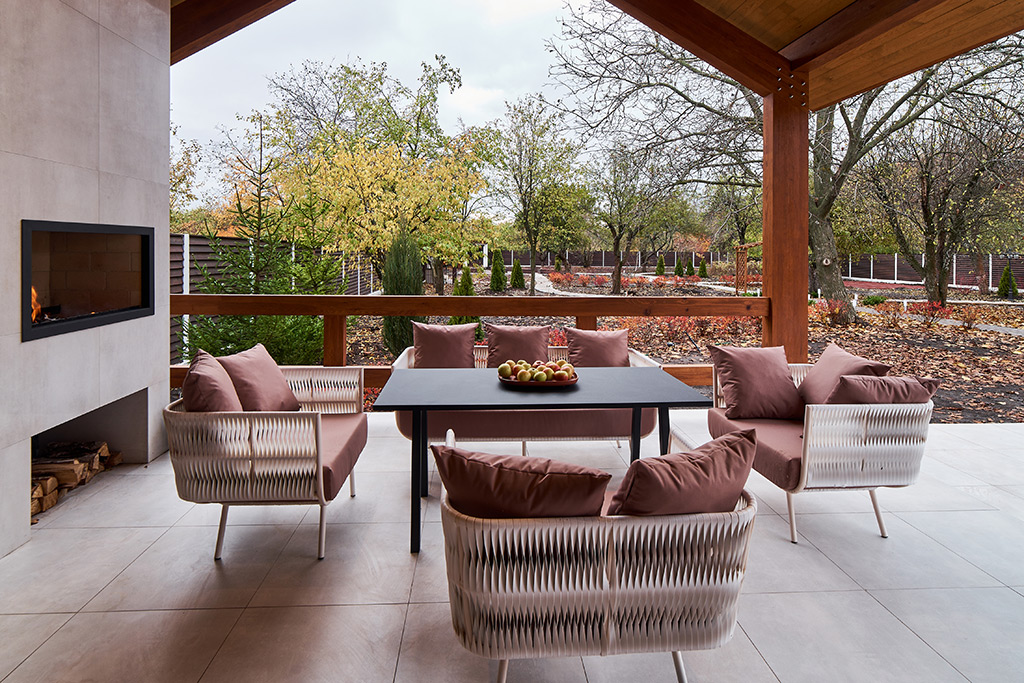
Where you place furniture is almost as important as the pieces you choose. One simple hack is to create more space between seating and tables for larger gatherings, which allows guests to mingle easily. Yet those same pieces can be brought closer together to create cozier conversation areas, such as a quieter dinner. Another good idea: keeping lightweight, stackable chairs stored away in case extra seating is needed. (As a bonus, such furniture allows for easy indoor-outdoor movement.)
Speaking of the outdoors, dedicated alfresco furnishings have also improved significantly, especially since many performance textiles such as solution-dyed acrylics now resist moisture, fading, and mildew while still feeling soft. As a result, cushions can often remain outside longer without constant worry about sudden precipitation, making flexible hosting even more viable.
Even the smallest decor tweaks can make a big difference. Simply swapping pillow covers, rolling out a heavier rug, or adding textured throws for different seasons or holidays can elicit a different feeling for guests while the bones of the space stay the same.
Adjust the atmosphere
Ambience can also determine whether guests linger in a space, and lighting plays a central role in that experience. In winter, layered interior lighting helps offset the early darkness of the season, whereas string lights and lanterns extend gatherings comfortably into the evening during summer and fall.
Making use of portable objects can also make every season enjoyable. Fans and misting systems can cool a crowded patio in summer, of course. But for this time of year, firepits and outdoor heaters keep guests cozy during cooler nights. Larger upgrades, such as improved doors or built-in heating, can also be impactful.
Foster indoor-outdoor movement
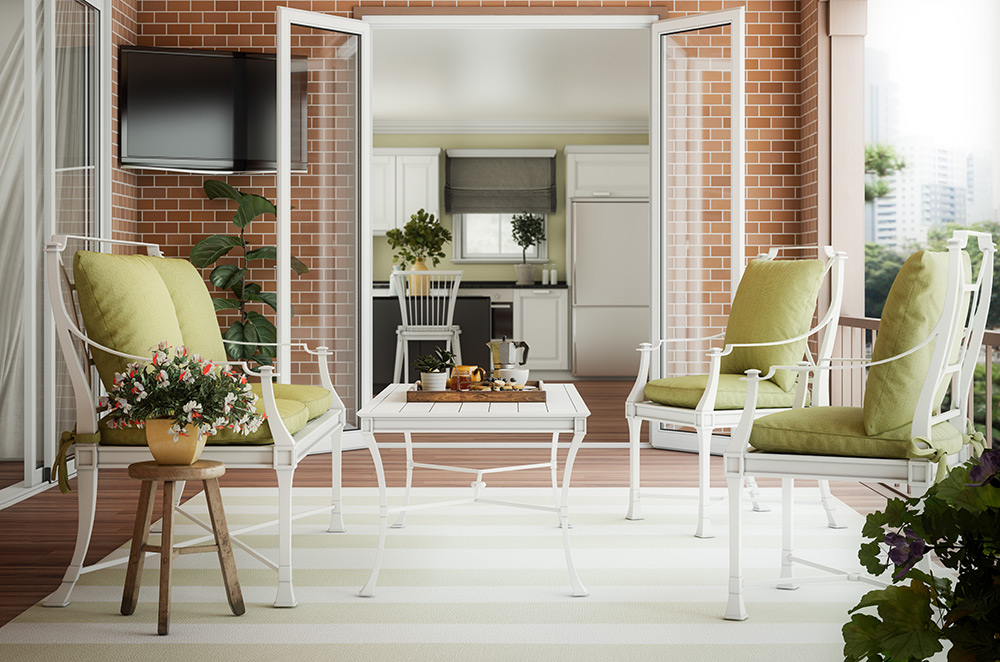
When the weather cooperates, purposeful usage of your spaces can encourage gatherings to move naturally between indoor and outdoor spaces. If conditions shift in the fickle fall season, for example, a flexible plan keeps the evening comfortable. You might serve drinks outside before dinner moves indoors, allowing the flow of your gathering to adjust with the temperature.
Winter entertaining often benefits from flexible hosting as well. Instead of concentrating everyone in a single room (and creating a stifling atmosphere), set up your gathering to encourage guests to circulate between rooms throughout the evening. Come spring and summer, any open-house gatherings you host will feel especially relaxed as guests move between the kitchen, patio, and living room.
Your local climate will always impact your get-togethers, but it rarely determines whether they happen at all. Homes designed with flexibility in mind can better accommodate a wide array of conditions with equal aplomb—allowing the same home to welcome guests comfortably in every season.