
Room-by-Room Fire Safety


According to the National Fire Protection Association, there were nearly 351,000 residential fires in America in 2024 alone, with losses totaling $11.7 billion. While you can’t completely eliminate your risk of experiencing one, you can reduce your chances and improve your family’s protection if you take these essential steps.
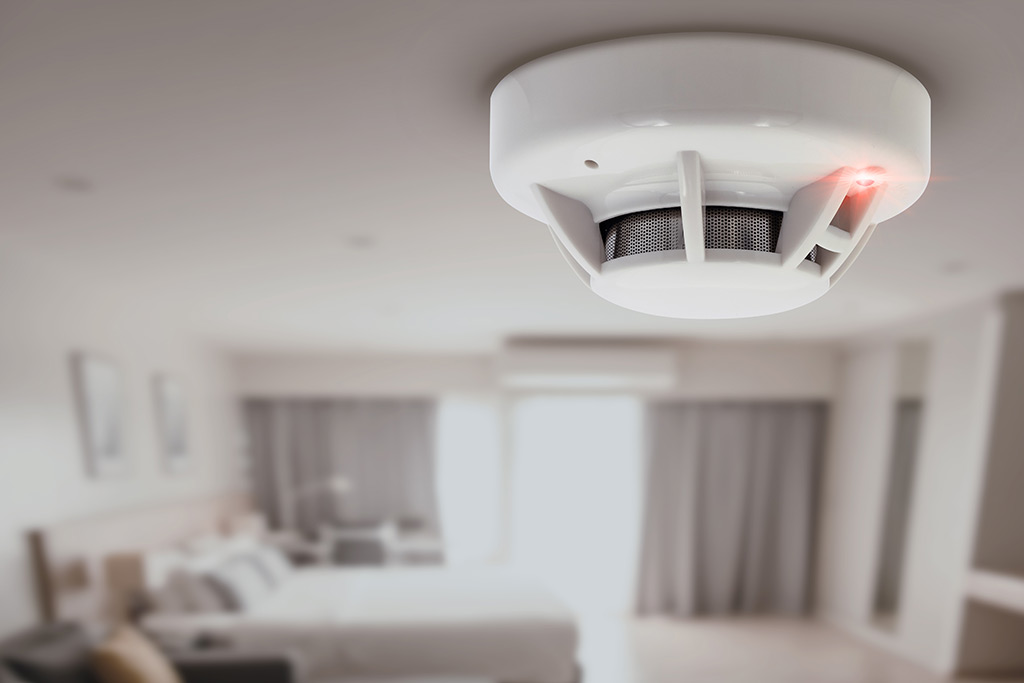
Whole-home tips
- Test all smoke and carbon monoxide detectors monthly. Set a reminder in your calendar so you do them on the same day each month.
- Replace detector batteries annually, carbon monoxide detectors every five to seven years, and smoke detectors every ten years.
- Swap out all cracked, loose, or damaged electrical cords where possible, replacing the appliance itself if that’s not an option.
- Always unplug small appliances when not in use, especially those that create heat.

Living room
- Always plug large appliances into wall outlets, not extension cords.
- Place slip-resistant pads under area rugs to eliminate possible trip hazards during a fire evacuation.
- If you own a chimney, have it professionally inspected every year and cleared of any dangerous deposit build-ups.
Kitchen
- This is where most home fires and fire-related injuries occur, so never leave cooking food unattended, and distance any flammable items like oven mitts from hot appliances.
- Keep a multipurpose fire extinguisher (labeled A, B, and C) or a Class K version (for grease) in your kitchen, and hang the instructions for using the product somewhere in the room for easy reference.
Bedrooms
- Be sure that there are no large obstacles between the bed (or any bedroom seating) and an escape route, whether that’s a window or doorway.
- Test your windows regularly to ensure that they open properly and without too much effort.
- Avoid charging devices like your phone or laptop on your bed, where linens can limit airflow and cause heat to build up.

Home office
- Store all important documents, including birth certificates, passports, property titles, and tax forms, in a fire-resistant cabinet or safe at all times. This saves you the time of rushing to retrieve them during an evacuation.
Hallways
- Ensure that your hallways are spacious and easy to travel down, eliminating any floor obstacles so you can pass through them easily.
Basement
- Keep anything that can burn more than three feet away from your water heater, furnace, and any other heat-generating machinery.
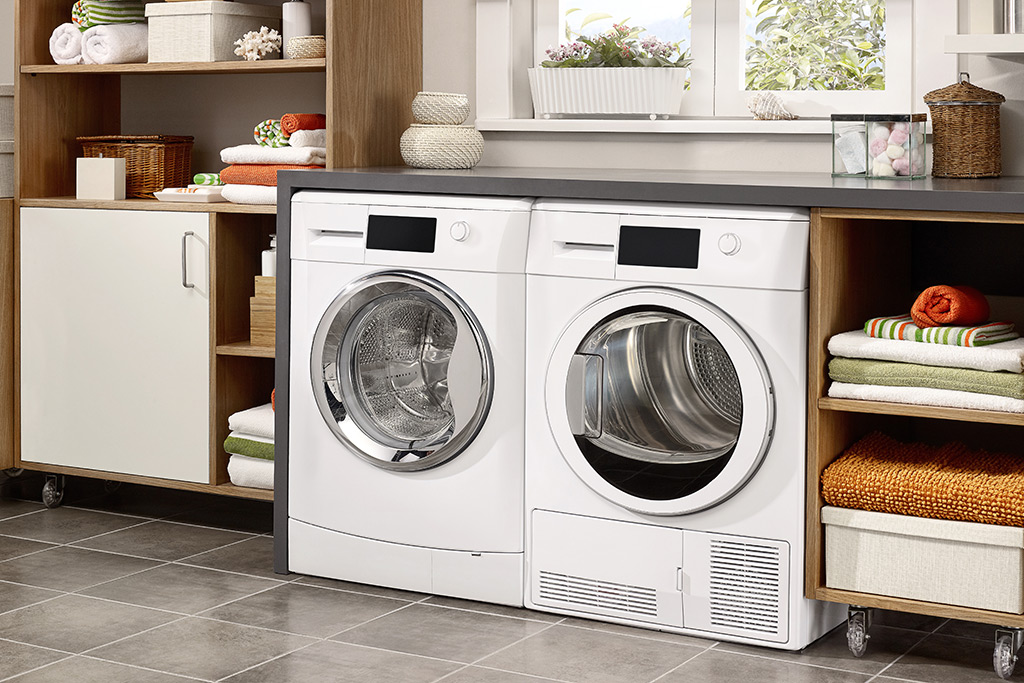
Laundry room
- To prevent dryer fires, clean the lint trap between cycles, avoid overloading the unit, and have the system inspected and its components cleaned annually by an appliance professional.
Bathroom
- Never leave burning candles unattended, and keep all matches and lighters out of reach of children.
- If you’re looking to improve bathroom odors, use products that don’t require heat or a flame, such as scent sprays.
Finally, here’s the most important point to consider: According to the American Red Cross, you may have as little as two minutes to escape your home once a fire starts. So be sure to practice an escape plan with your family and pets twice a year so you can execute it if need be, being sure that you have a route to evacuate from every room. And as the longtime saying succinctly advises, “If in doubt, just get out!” Leave your home with your family immediately, and call 911 once everyone is outside and accounted for.