
Making Sense of Magnesium


When your body is fueled optimally, you feel your best. And when you get all the beneficial chemicals your body depends on, the difference is transformative. To function optimally from day to day, accomplishing everything from your workday to your workout, you need magnesium.
This powerful yet underutilized nutrient can help your muscles operate properly, keep your heart beating strong, sustain your long-term bone health, and so much more. In fact, more than three hundred chemical reactions inside you depend largely on it. Thankfully, it’s easier than you may think to get the amount you need.
Living with low magnesium

When you consume magnesium, it settles inside the cells throughout your body, powering them up to generate many essential processes. However, a deficiency (called hypomagnesemia) can lead to numerous adverse effects. Some possible signs include muscle twitches, high blood pressure, migraines, and, surprisingly, some mental-health conditions like anxiety and insomnia. Should you fail to get a sufficient supply of magnesium, you can even increase your risk of developing osteoporosis.
But how much magnesium should you aim for? Look to meet the recommended daily amount of 310–320 milligrams for women and 400–420 for men. As Robert H. Shmerling, MD, writes in Harvard Health Publishing, this figure is not difficult at all to reach if you maintain a healthy diet. However, many Americans may not get enough of it, and those living with a condition such as diabetes can actually burn through more magnesium than other individuals, making regular consumption a necessity. Further, experiencing high levels of stress can actually cause your body to deplete it.
Tackling your needs

If you want to measure your magnesium against the aforementioned guidelines, a smart first step is to see your doctor. You can discuss your concerns with them, request a blood test, and develop a health-care plan based on your results.
If you must boost your levels, you have a few primary options to consider. You can increase your magnesium by taking over-the-counter supplements, but the best way to obtain it is through your diet. Ingesting more magnesium through natural sources improves absorption while reducing your risk of reaching excessive quantities by self-medicating.
Eating your way to wellness
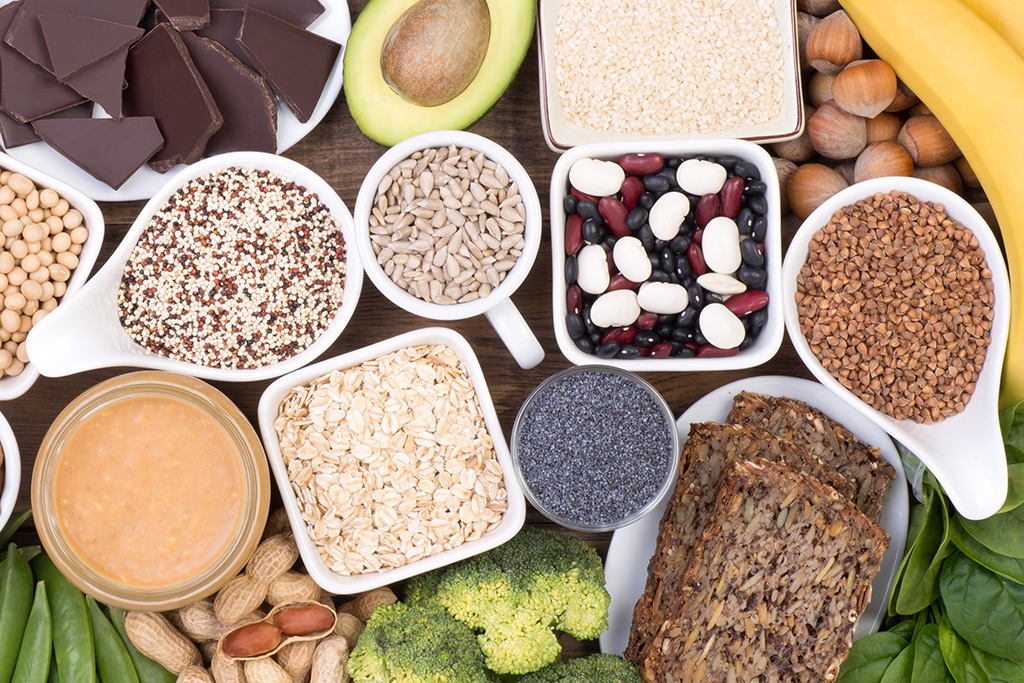
Now that you know more about magnesium, take a look at some of the best sources to fuel you with it.
Chocolate
You may be thrilled to learn that such a delicious treat can satisfy your health as well as your palate. But surprisingly, chocolate is packed with magnesium. Try to avoid overindulging to limit sugar, saturated fat, and other less-ideal ingredients, or eat cocoa nibs, an unprocessed and unsweetened version that tastes wonderful in smoothies and on toast.
Green vegetables
These paragons of nutrition are go-to sources of many vitamins and minerals, and magnesium is no exception. Spinach and Swiss chard are especially beneficial, so dress your sandwiches with some raw greens or quickly sauté the veggies to make a wholesome side for your weeknight dinners.

Nuts
Nuts are packed with magnesium, with roasted almonds being a particularly high source at 80 milligrams per ounce. Snack on a handful of nuts during your workday, or incorporate them into salads, your morning bowl of oatmeal, and more.
Seeds
Like nuts, seeds pack exceptional quantities of this helpful chemical for their size, with pumpkin and chia varieties being particularly advantageous. And because they’re so small, you can easily sprinkle them into all kinds of recipes, including soups.
Water
There are innumerable benefits to hydrating well, and another you may not know is that water from various sources (i.e., filtered, tap, or others) can actually supply you with magnesium. In fact, meeting the recommended daily water intake of 2.7 liters for women and 3.7 liters for men could fortify your intake of this nutrient. Check nutrition labels of bottled water and, if possible, choose a mineral-rich brand.

While magnesium may share the spotlight with some more well-known and readily considered ones like vitamins C and D, it is just as crucial to your overall health. Whether you are tackling lower levels of it, are at risk of reduced quantities, or simply want to improve your diet, be sure to incorporate more magnesium-rich foods and beverages into each day so you have more strength to tackle whatever your lifestyle demands of you.
*Talk to your doctor before making any dietary changes.