
A Guide to Community Involvement


Building strong neighborhood bonds is a labor of love. They’re often built slowly through shared experiences, mutual support, and countless small moments of connection. While developing them can sound like a huge abstract goal, it’s actually rooted in simple, approachable actions like lending a hand and choosing to engage with the people around you. In fact, the mere act of showing up is a positive first step. So whether you’ve lived in the same place for decades or just moved in, there are meaningful ways to get involved that can create a lasting sense of belonging for everyone.
Start with simple connections
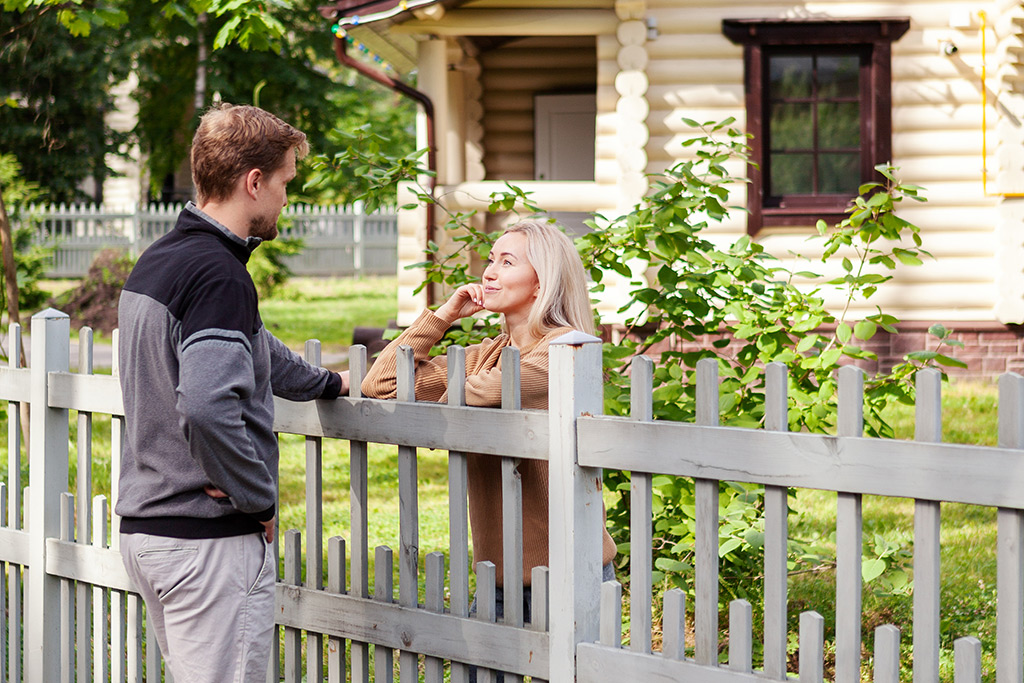
Something as small as a conversation can be a big starting point. Saying hello to your neighbors, introducing yourself to a neighborhood newbie, or exchanging a few words with a fellow pet parent can help break down barriers. Even kind gestures like holding a door open and offering a genuine compliment contribute to a more supportive environment.
You may ask: Can I do this if I live in an apartment building or planned community? The answer is yes! These shared spaces offer natural opportunities to connect. For example, take advantage of common areas by hanging out in one for a few minutes. Building events are another place where residents mingle and conversation opportunities flourish. You could even start a casual chat at the community mailbox. Regardless of where you live, such brief interactions can have a cumulative effect by both building familiarity over time and making your community feel more welcoming.
Join interest-based groups
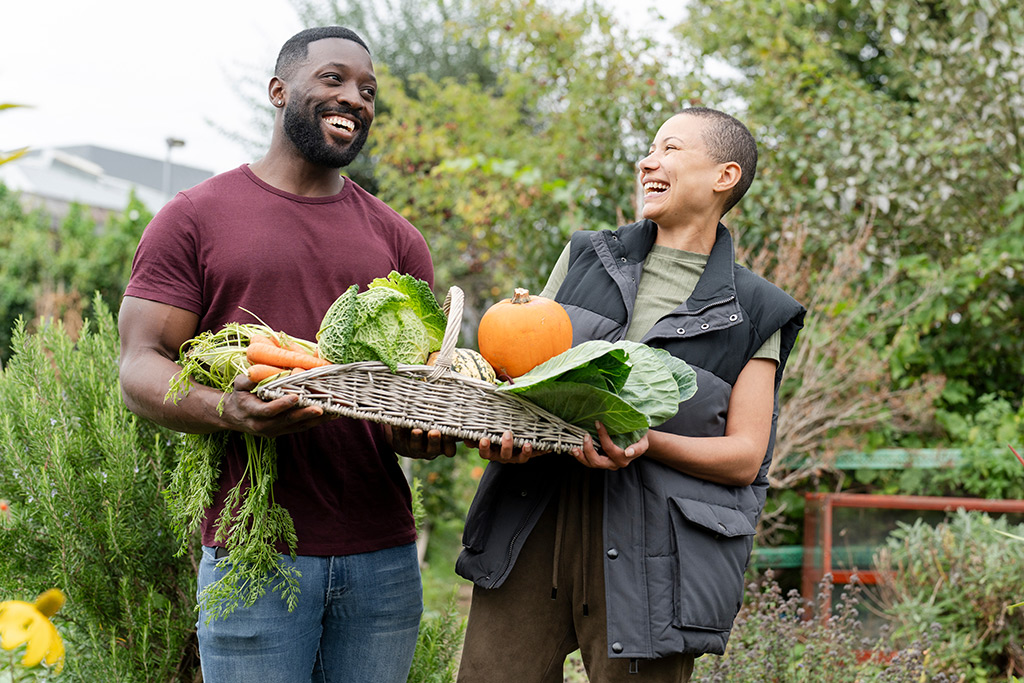
Do you thrive more in a low-pressure environment for forming connections? If so, one of the easiest ways to build community is through shared interests. Book clubs are a popular example of this; you could even start one. Fitness classes, gardening groups, crafting circles, and recreational sports leagues are just a few other examples of activities that could bring people together in your neighborhood.
Look for these opportunities at places like local community centers or parks-and-rec departments, which, as a bonus, often host free or low-cost programs for all ages. Online neighborhood platforms and social media groups can also be a gold mine for unearthing meetups and clubs in your area. Show up consistently, and you might just begin to form relationships that extend beyond the activity itself.
Support local businesses and initiatives

Shopping at local businesses and dining at neighborhood restaurants help sustain the local economy while fostering personal connections. As many people have experienced, when business owners recognize customers by name (re-creating a mom-and-pop feel), it fosters a sense of mutual investment and pride in the area.
Volunteer your time and skills

Giving your time is one of the most impactful ways to contribute to your community while meeting others who care about similar causes. Opportunities range from food banks to animal shelters to youth-mentoring programs to environmental cleanups. And don’t fret about commitment: many organizations welcome both one-time volunteers and those looking for ongoing involvement. If traditional volunteering doesn’t fit your personality or schedule, consider offering your skills informally, such as by helping a neighbor with yard work or setting up a yard sale.
Foster neighborly relationships

Strong communities are built on trust, and trust grows through kindness and reliability. Simple gestures, such as shoveling a neighbor’s sidewalk, checking in with them during extreme weather, or offering to share your tools, can have a big impact. These actions show care without expecting anything in return.
If you’re comfortable doing so, consider taking the next step by organizing casual gatherings yourself. They don’t need to be elaborate; the goal is simply to create space for people to connect. Over time, such shared moments can turn acquaintances into friends.
Building a strong community doesn’t require grand gestures or formal titles. It’s the result of taking small, consistent actions that create a ripple effect of connection and trust over time. Each conversation, shared activity, and act of generosity contributes to nurturing a culture of belonging for everyone.