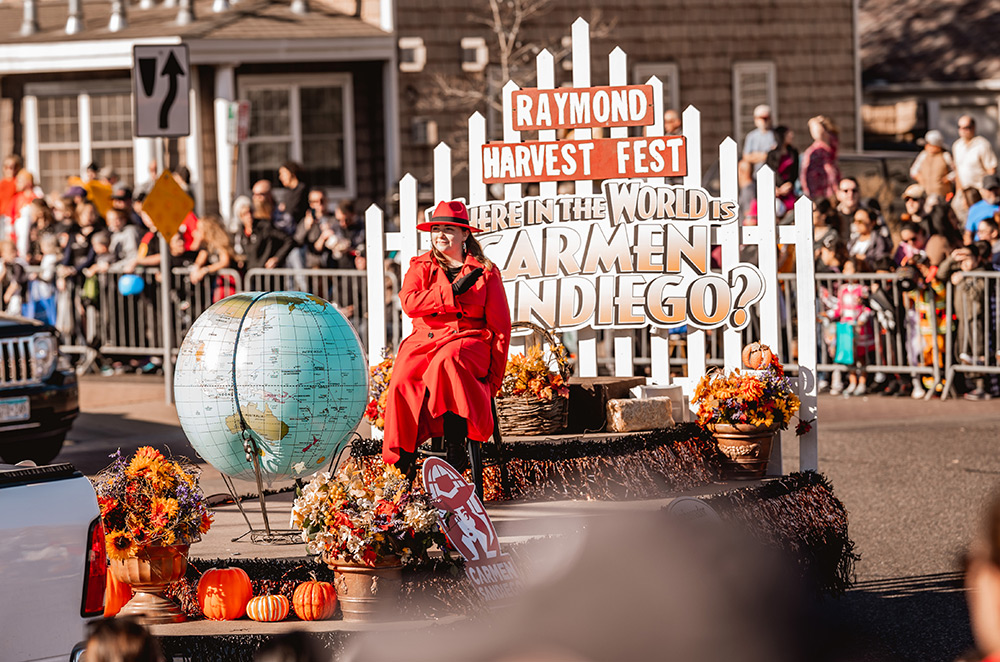
If you’re looking for a getaway that blends small-town charm with spirited seasonal fun, point your compass toward Anoka, Minnesota. Located around twenty minutes north of Minneapolis, this riverfront city proudly calls itself the Halloween Capital of the World—and it has the heritage to back it up. In 1920, Anoka hosted what’s believed to be the United States’ first citywide Halloween celebration and parade as a way to keep mischievous kids out of trouble.
Today, that playful legacy has evolved into a monthlong celebration, making it a festive fall destination unlike any other. But while Halloween put Anoka on the map, there’s far more to the city than just jack-o’-lanterns and parades. With its historic downtown, scenic trails, and friendly community spirit, it’s the perfect spot for an autumnal escape.
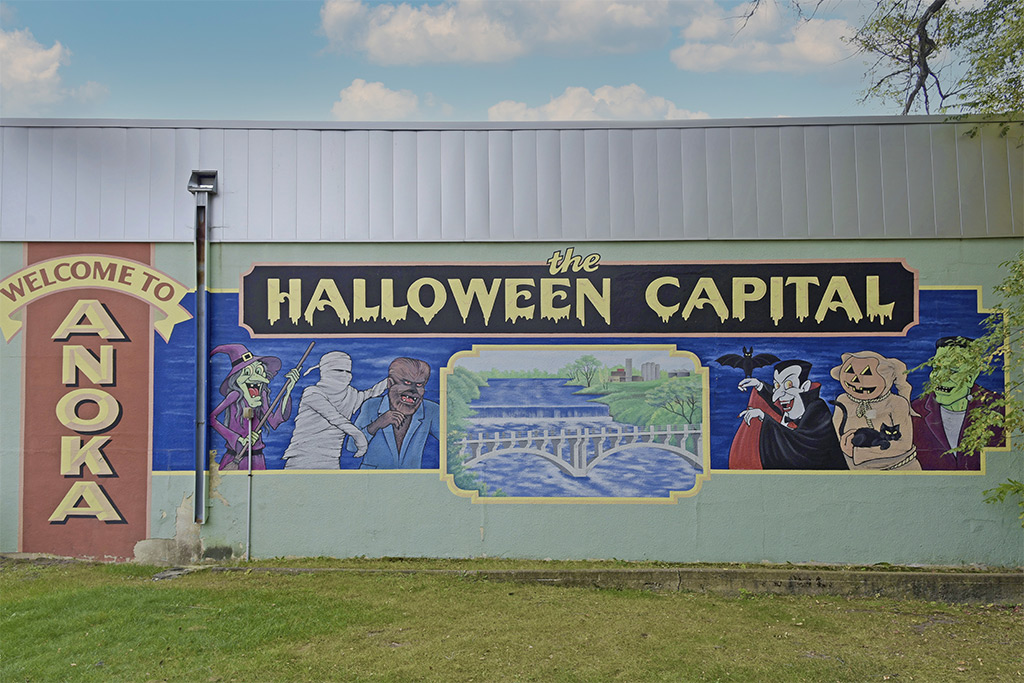
Anoka might be peaceful and quiet for much of the year, but come September, the anticipation builds as it gradually transforms with pumpkin-filled storefronts, playful decorations, and hints of the festivities to come. By early October, the celebration is in full swing. Visitors can enjoy everything from children’s pumpkin-carving and costume contests to a haunted house and ghost tours. On a Saturday evening in mid-October, it hosts its annual Light Up the Night parade, where the Main Street lights turn down low so spectators can enjoy the colorfully lit floats. The event concludes with the annual bonfire, a tradition dating back to 1920.

But the main event, as it has been for over a century, is the Grande Day Parade. Preceded by a military flyover, it winds for one and a half miles through Anoka’s historic downtown and features colorful floats, costumed performers, marching bands, and elaborate displays that draw spectators from all around.
Beyond its spirited seasonal celebrations, Anoka offers a downtown area filled with character and locally owned gems that make wandering its streets a pleasure. The city’s nineteenth-century architecture adds a nostalgic backdrop to an afternoon of exploring, whether you’re browsing its boutiques or settling in at a cozy café. Start with a stroll along Main Street, where you’ll find spots like Sassy Squirrel, a unique boutique shop, and Avant Garden, an independently owned bookstore and coffee bar beloved for its curated selection of new and used titles. Antique lovers can easily spend hours in the city’s several antique shops, including Amoré Antiques, a two-level business brimming with vintage finds, home decor, and collectibles.
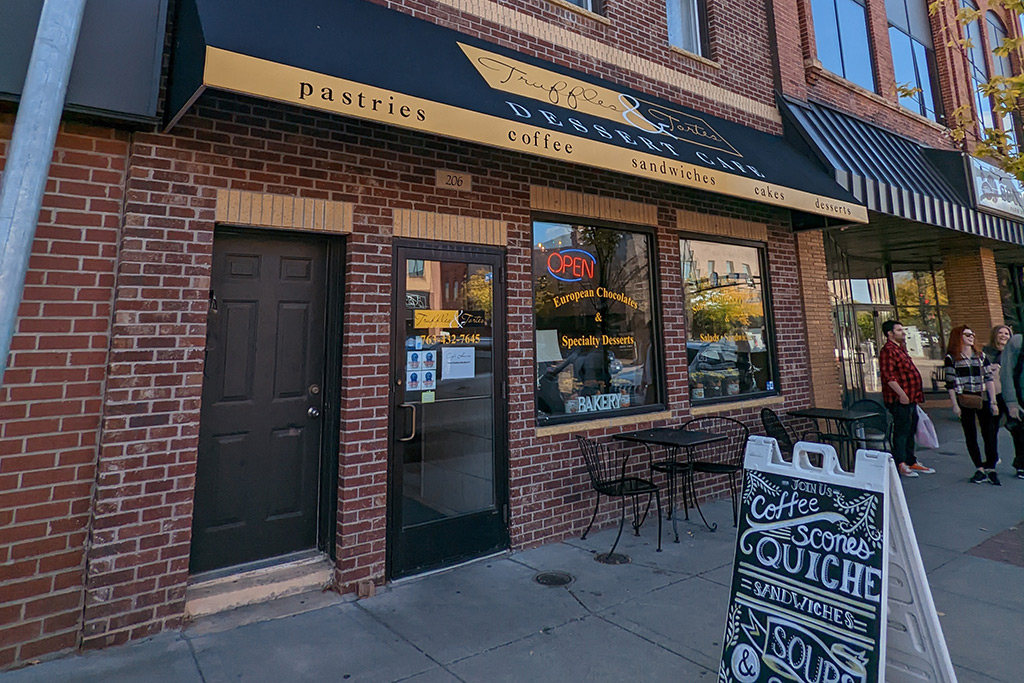
History buffs will also appreciate a visit to the Anoka County Historical Society, where the exhibits tell the story of the area’s settlement, industry, and, of course, Halloween legacy origins. And you never know what may be playing at Lyric Arts, the local professional theater with an annual calendar of musicals and plays. However you choose to spend your time, a day in the downtown area is sure to delight.
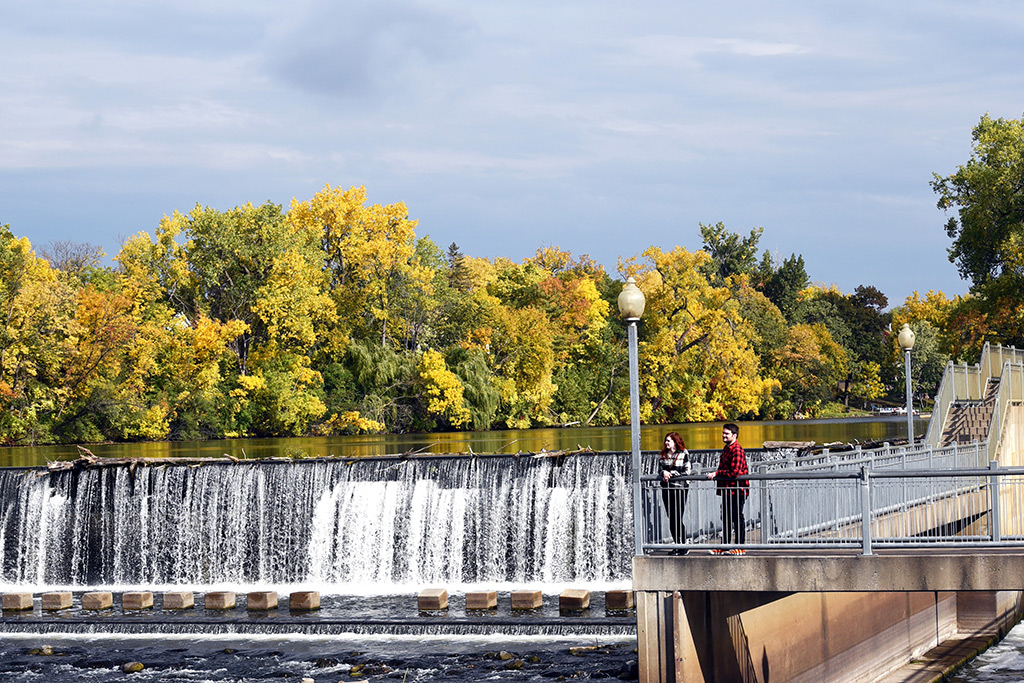
While Anoka shines throughout the year, the changing leaves make it a wonderful destination in late summer and early fall. Situated at the meeting point of the Rum and Mississippi Rivers, the city offers plenty of options for soaking up the beautiful scenery. Head to Akin Riverside Park, one of Anoka’s most beloved green spaces, where paved walking trails hug the riverbank and shaded picnic areas provide a peaceful spot to relax. You can also watch the water flow from a bench or bring lunch from a local restaurant to enjoy under the trees. If you prefer getting out on the water, the calm stretches of the Rum River are also ideal for kayaking and canoeing. Head over to Rum River South County Park, and prepare to spend a few hours paddling through quiet channels lined with golden leaves.
After a day of exploring downtown or taking up river activities, Anoka’s dining scene offers plenty of inviting spots to unwind. For a memorable meal in a historic setting, book a table at the Mad Hatter Tea House, which sits inside a beautifully restored 1850s home along the Rum River. Its cozy, Victorian-inspired dining rooms and weekend afternoon teas make it an especially charming choice during the fall season.
If you’re craving a more casual ambience, head to Serum’s Good Time Emporium, a local landmark known for its wings, vintage saloon atmosphere, and regular live music. Just a short walk away, Casa Rio Tex Mex serves favorites for both kids and adults, making it an ideal place for a relaxed lunch or dinner. Craft beer lovers will enjoy stopping at 10K Brewing, a small-batch brewery in the heart of downtown with a selection of ales, lagers, and seasonal brews. Grab a flight and settle into the welcoming taproom, or check the calendar for live music nights. For a delightful treat to end your day, swing by Sweet River Candy Company, a nostalgic candy shop offering everything from hand-dipped chocolates to retro rock candy.
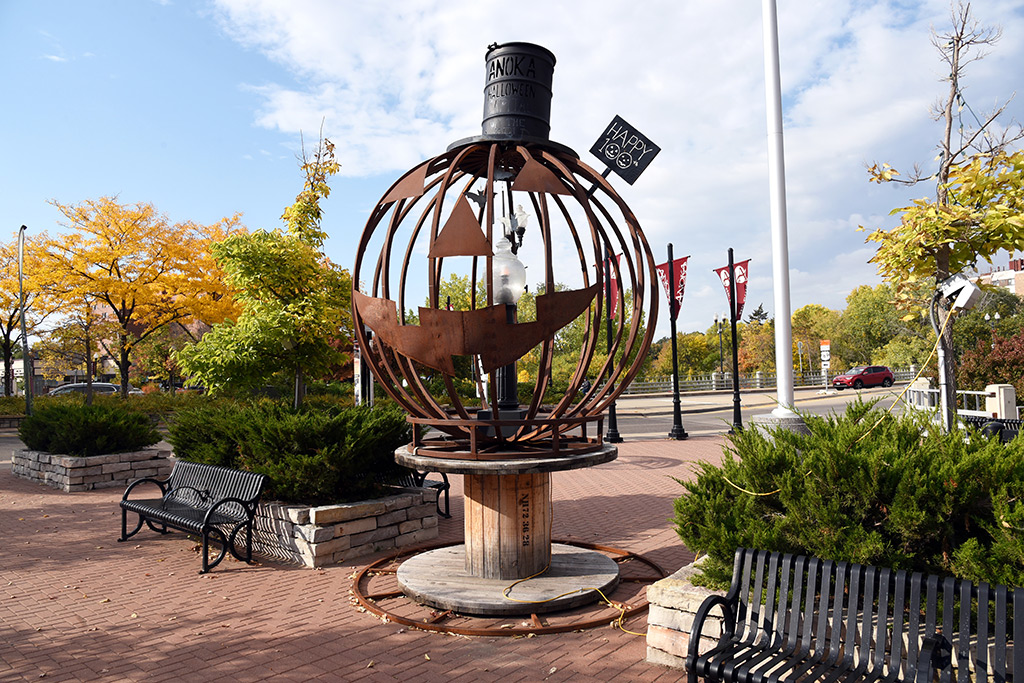
Anoka is a place where tradition and community spirit run deep and where fall is more than just a season—it’s a citywide celebration. From pumpkin-lined streets and festive parades to scenic river views and locally owned shops, this Minnesota gem offers an autumn escape filled with warmth, whimsy, and spook-tacular character. Whether you’re cheering along the Grande Day Parade, sipping a warm drink at a local coffee shop, or wandering peaceful trails as the leaves begin to turn, Anoka delivers the magic of fall in a way that’s uniquely its own.
For more info, visit discoveranoka.com
Fall is practically synonymous with comfort. The cool breezes, flannel blankets, and warm spices practically define the season. If you want to enjoy it to your best, try these recipes from The Phone Eats First cookbook, from an invigorating morning treat to a rich, hearty dessert.
Pudding for breakfast? This lightly sweet, autumn-spiced treat is actually perfect for starting your day.
End your day with an updated take on a classic treat that spotlights autumn fruit and warm spices.

Recipes from The Phone Eats First by Allyson Reedy. Rizzoli International 2025. Photography by Chelsea Chorpenning.
Older millennials, and people from previous generations, probably remember chia seeds as one thing: Chia Pets. (Ch-ch-ch-chia! Look it up, Gen Z.) It wasn’t until the early 2010s, when Instagram made sharing pics of our virtuous breakfasts so much easier, that we upped our ingestion of the seeds and cut back on growing little chia hedgehogs out of terra-cotta statues.
Of course, chia seeds existed long before camera phones and even before Chia Pets! They were an Aztec superfood, but for some reason the Aztecs didn’t take pictures of their chia smoothies and cereals, so most of us didn’t realize we could consume them until much later. A tasty way to eat chia seeds is in this dessert-for-breakfast pumpkin pie pudding. (It might be a little borderline on the virtuousness, but since chia seeds are loaded with antioxidants, fiber, omega-3s, and vitamin B, we’re going with it.) More than a decade after starting to make the social media rounds, chia seeds are still trending, with chia-related recipes on TikTok racking up a couple hundred million views and counting.
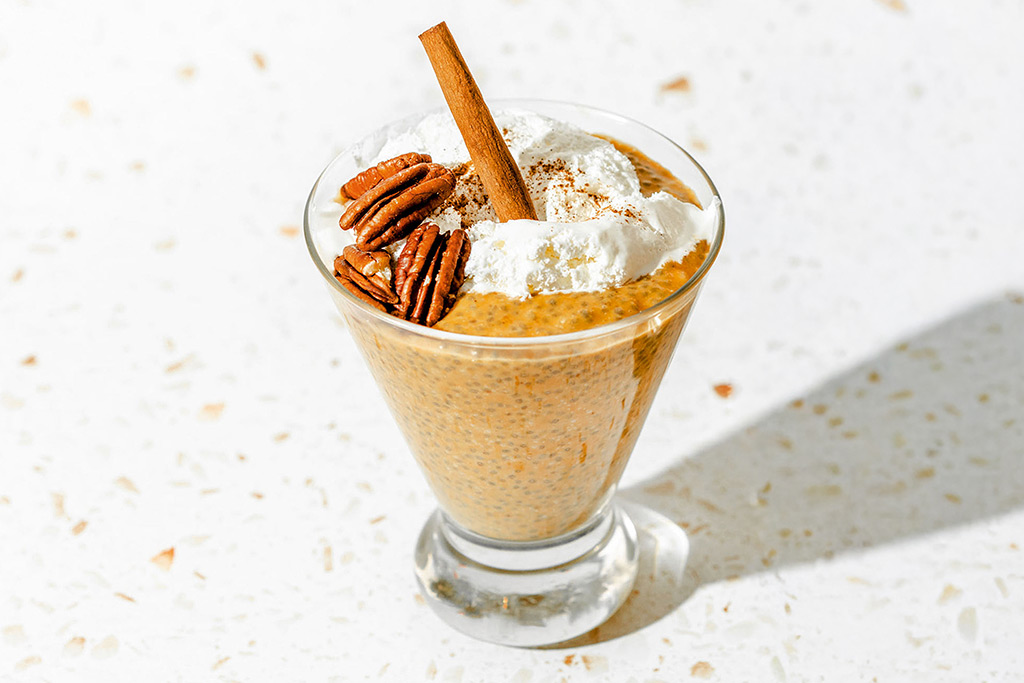
SERVES 1



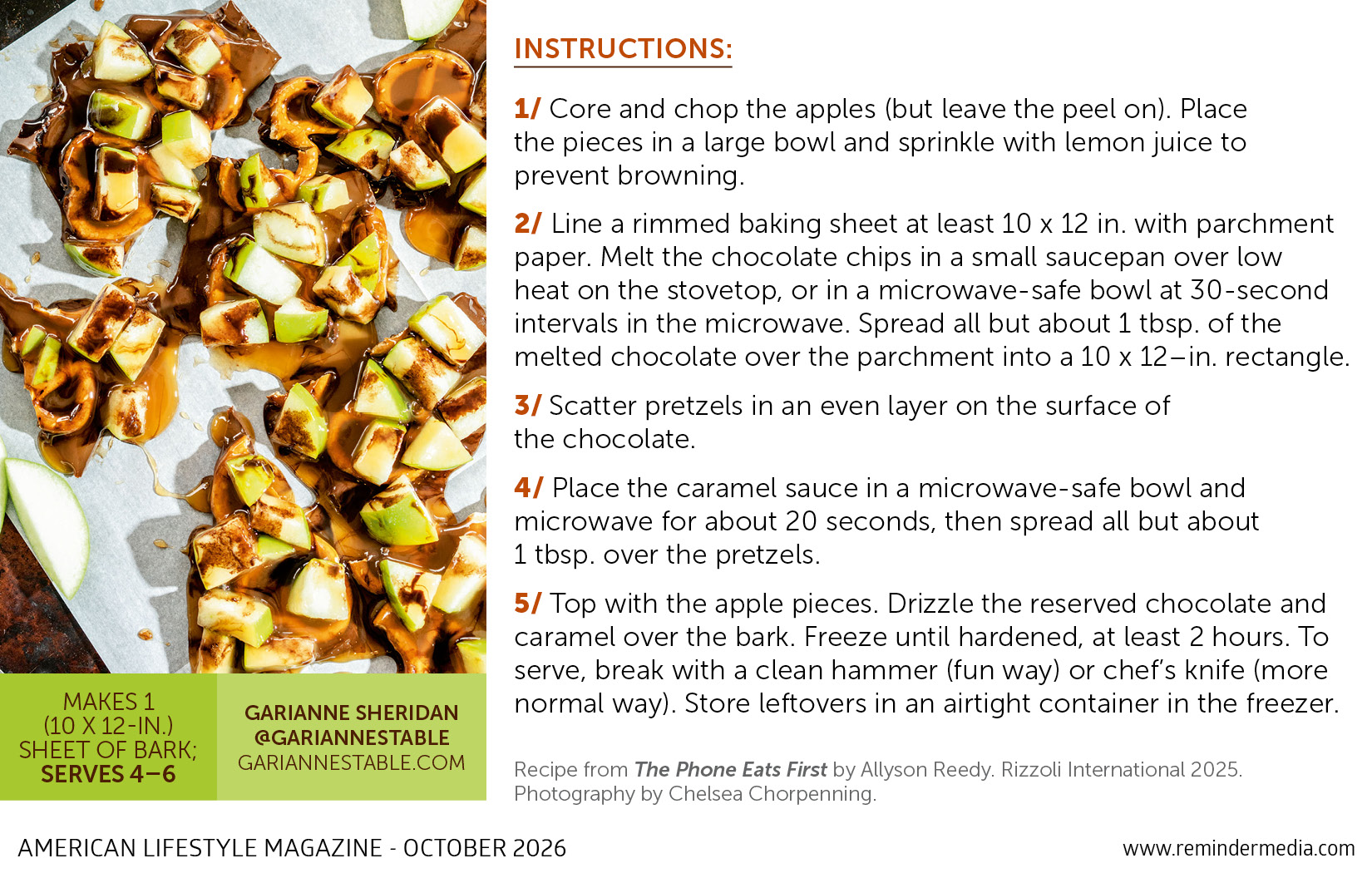
Candy bark has been around forever (or maybe not forever, but why wouldn’t cavemen melt down some cacao beans and throw in something crunchy?), but you probably didn’t take notice until recently. Why? Because Instagram didn’t exist until 2010. It wasn’t until our great food trend disseminator came about that we got to know, love, and post pictures of our bark creations. Now we’re all about that bark because it’s super easy to make and endlessly customizable, and you literally get to break it!
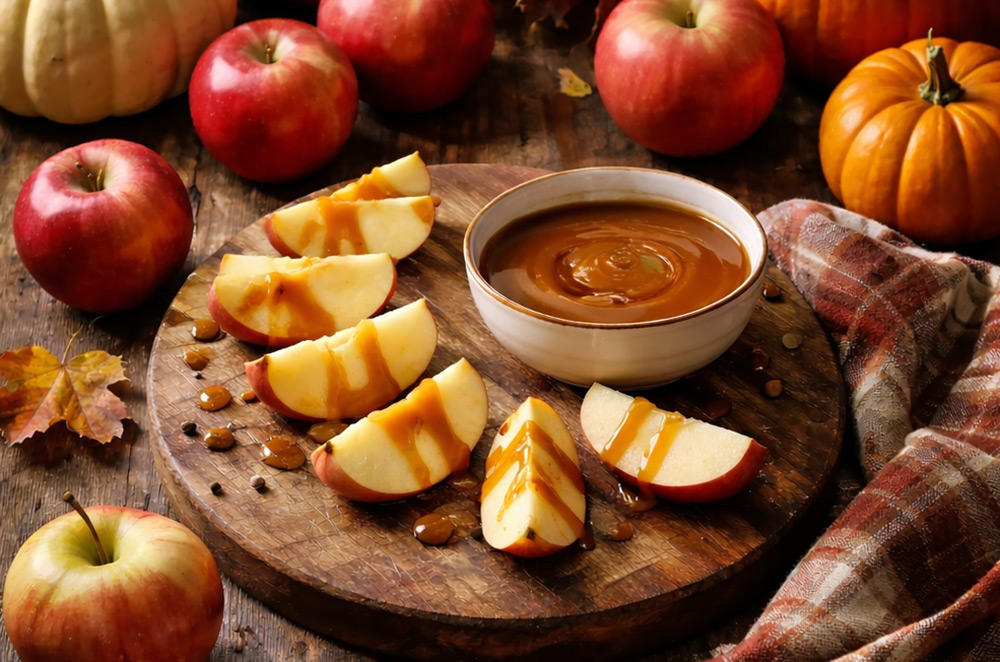
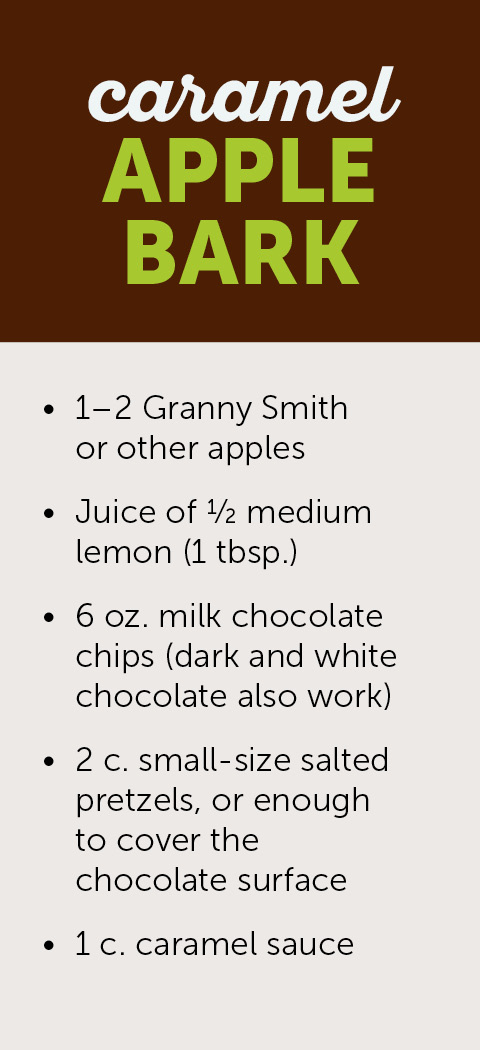
@gariannestable’s caramel apple bark went viral in 2022, and not just because all of us basic Bs jump at any excuse to screech, “It’s fall, y’all!” Eating this salty (thanks to the pretzels), chocolatey, caramelly, appley treat in a flat version is way easier than losing a filling biting into an actual caramel apple. You can use any type of apple you’d like, but squeeze a little lemon juice over the pieces to prevent them from browning.
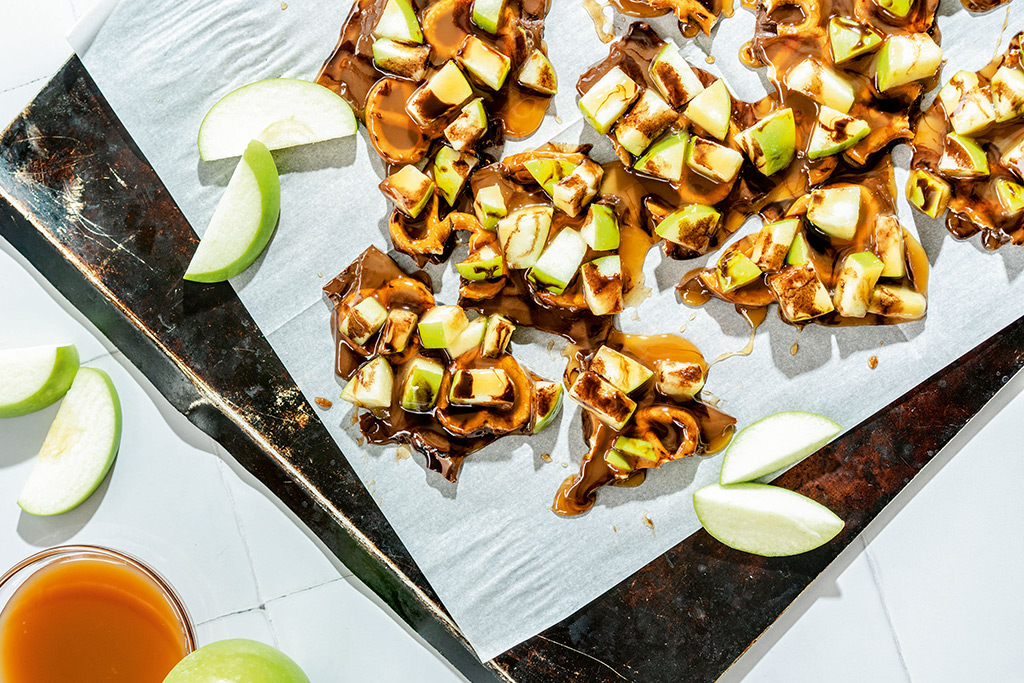
MAKES 1 (10 BY 12-IN.) SHEET OF BARK; SERVES 4 TO 6
When interior designer Chris Goddard was tasked with designing a country house for the second time, he reinvented its refined spaces to take on a youthful, more creative vigor.
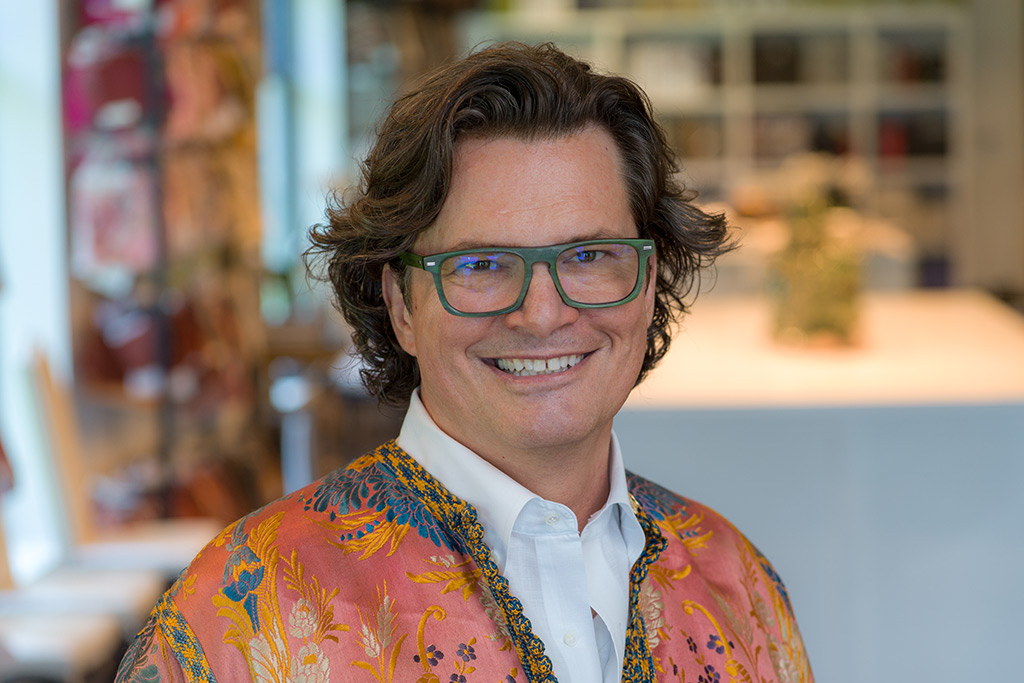
Would you tell us about your background in the industry?
This is my thirty-ninth year as an interior designer. I’m based in northwest Arkansas, but I work all over the world. Some braggy stuff: I’ve been named one of the top 100 designers in the world, and I was named International Designer of the Year by the Royal Academy in London in 2021.
How do you typically approach your work?
I work in all different styles—everything from ultramodern to French chateau—but I’m a firm believer in never creating the same thing twice. So my firm is known for individuality, especially with materials, paint colors, and products. This reflects more of the client than us. The best compliment I can get as a designer is that it looks like I was never there; it looks like the homeowner’s own choices.
On your website, you describe your work as “quality over trend.” Would you elaborate?
It’s best to invest in quality items that will stand the test of time instead of buying a lot of things that have no meaning. So I’m big on investing in timeless goods, not necessarily expensive ones. Whether something is $300 or $300,000, quality is about how it is made and what it means to you. And that’s why so many people make the mistake of furnishing a house with meaningless decor. When you enter these spaces, they have no soul because they’ve been packed so quickly, not curated over time.
How did the client approach you for this project?
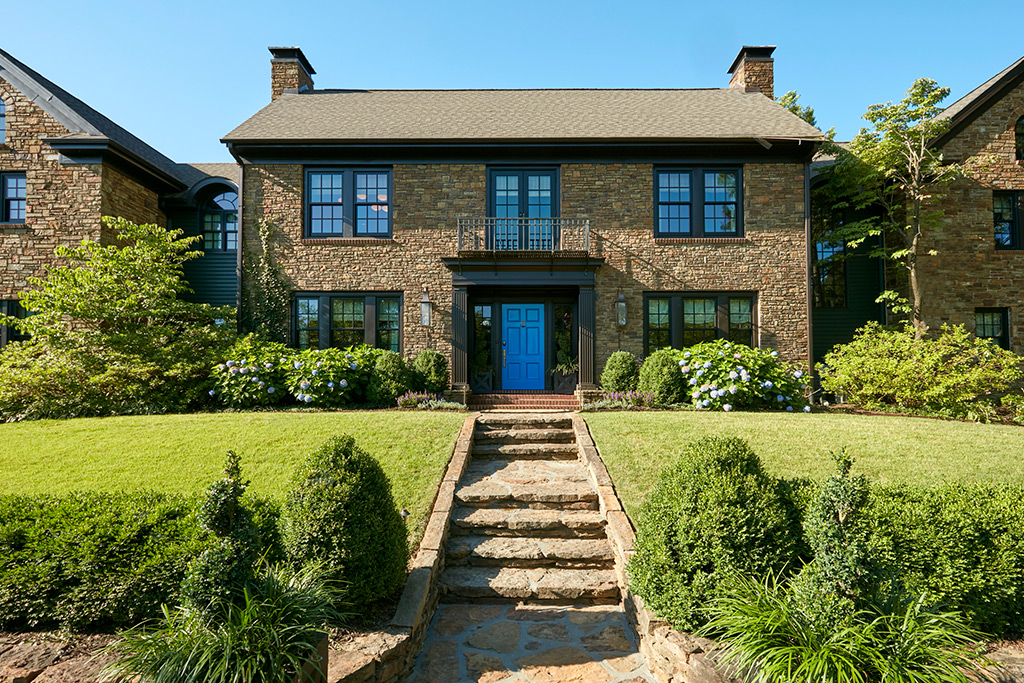
This project is really special to me because it’s one of the few times that I’ve done a house twice. It’s a stone structure that was originally built in the 1890s. Throughout the years, the house was added on to by different families, and about ten years ago, a couple approached me to redo the home with an English country motif. The result was completely based on an equestrian theme, and it was very light and airy.
After the couple parted ways, the husband stayed in the house and asked me to reinvent it. This was a bit intimidating because I was changing the way someone lives and helping him start the next chapter of his life.
To implement this, I refreshed the home to reflect his personal style. I took a whole different spin on it, going from a very traditional English country interior to more of a modern, edgier vibe. It was a rare journey that few interior designers get to take—transforming a project largely from one extreme to the other.
Did you have to replace the traditional elements of the architecture?
The structure had to dictate the interior style, so I did leave behind a lot of the really traditional elements, including heavy moldings and antique floors. The bones of the house reflected more of a country home, but I updated these features by using higher-gloss finishes and lacquering while adding a lot more layering and texture. I also used color saturation, applying the same color on the trim and walls for an instantly modern feel.
How much freedom did the client give you to go wild with the design?
This was our ninth project together. I’ve done all of his commercial work and other homes, so we have a really great, trusting relationship.
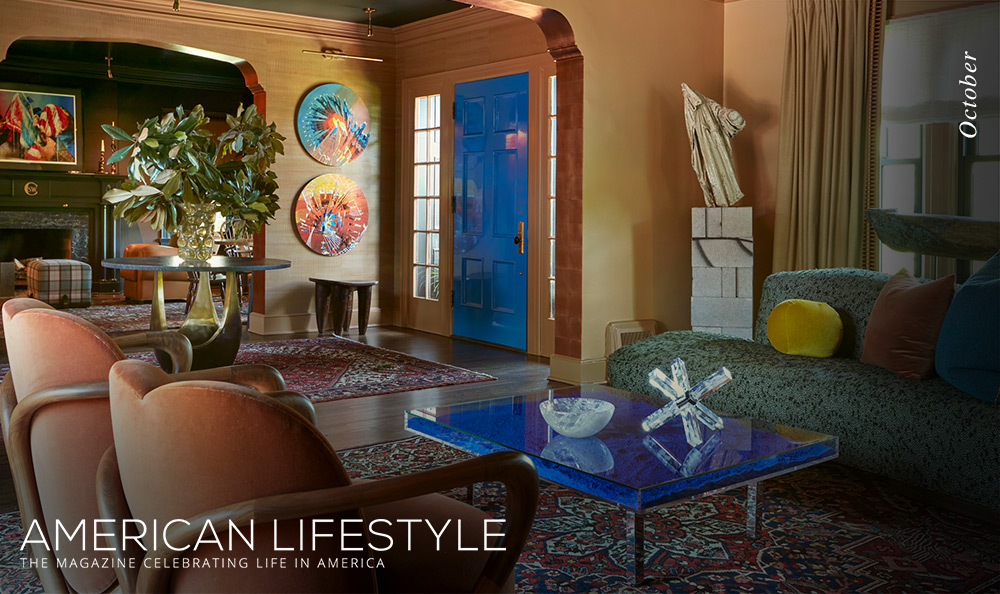
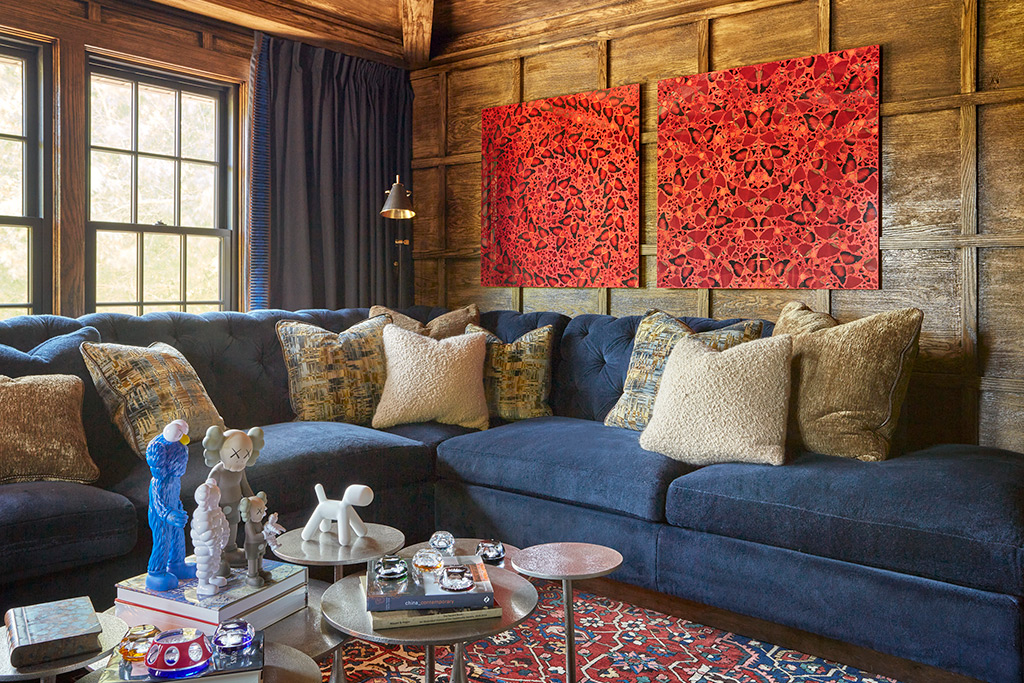
He basically sent me some images of rooms he liked and then let me go for it. Another main thing that he brought to the table was his huge collection of work by famous artists like Damien Hirst and Yves Klein, as well as some notable street art, all of which is kind of cool, edgy, and fun.
I wanted to highlight the art with color and contemporary furniture. But I also layered in some antiques that give their surroundings a sense of history because I think a modern ambience gets very cold unless you pepper in some interesting textures and funky antiques. Traditional touches help give interiors a sense of history, so you’ll notice that every room has something old-fashioned in it.
Why did you decide to make the library lean more traditional?
That’s the one area that still looks like an English country room, so it feels cozy and old-world. I wanted to create a retreat that, at the end of the day, could be a refuge where he could go have a drink, lie on the giant sectional, and watch TV. He could also get work done here in this hypermasculine but comfortable space.
To bridge its different uses, I split the room in two. One side has the antique desk and bookcases, while the other has a custom sectional that’s so big, I had to have a crane deliver it through a window. But at the same time, some butterfly paintings by Damien Hirst help modernize the room so it doesn’t feel stuffy. I also sandblasted the bookshelves to give them an unexpected driftwood texture.
I did something similar in the smoking room, which is my favorite space. That room encompasses the ultimate lounge to me with its fireplace and club chairs surrounded by edgy contemporary art and sharp color contrast.
How did you approach his bedroom?
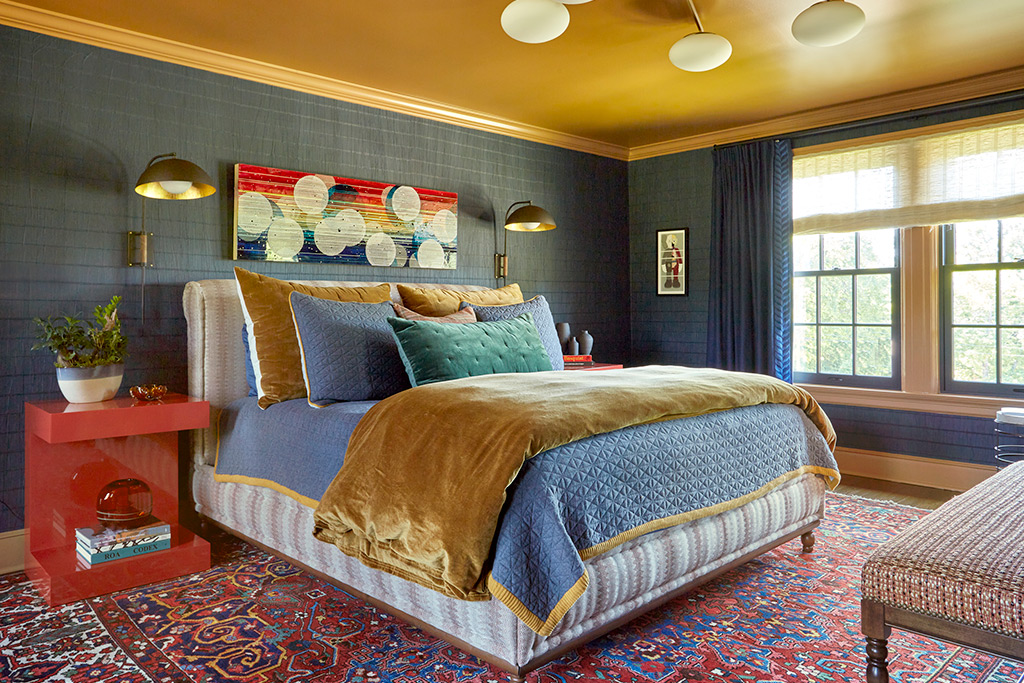
I’m not a big fan of TVs (or much technology at all) in bedrooms. Every day, we’re bombarded with so much info, but these spaces should be free of distractions. Instead, layered textures like the upholstered headboard in this one make these spaces feel cozy and warm, which is perfect for an escape.
A lot of people ask me how I make colorful rooms feel cohesive. I use nature as inspiration, pulling in the views from outside—in this case, his giant windows. I essentially combine all the colors of all the seasons because, if Mother Nature can mix them together and make it work, why can’t we? Many of my clients come to me to break the rules and push boundaries. Like I say, if it’s done well and you love it, then it works!
Is there another established design rule that you don’t believe in?
We all have gotten so focused on social media and what everybody else likes. I always say to people, “Why do you want what your neighbor has? What is it that you want? Because your friends don’t live here—you do.” So I’m big into pushing my clients to really find out what makes them happy and comfortable, whether it’s places they’ve traveled to, hotels they stayed in, stores they’ve browsed, etc. It’s essential to see past what you’re bombarded with every day and discover how your home can be fine-tuned to fit you perfectly.
For more info, visit goddarddesigngroup.com
Kendle Frank, content coordinator at Freedom Service Dogs of America, shares the paw-some story of the Colorado nonprofit’s work matching assistance dogs with service members and others in need.
Would you share the origins of your organization and its purpose?
Freedom Service Dogs of America was founded in 1987 by PJ and Michael Roche, and since then, we’ve grown from a two-person effort to one of the country’s largest assistance dog organizations. We are accredited by Assistance Dogs International, a worldwide accreditation coalition that sets high standards for care, health, and training of assistance dogs all over the world.
Our mission is to custom-train and purpose-breed service, professional therapy, facility, and skilled companion dogs for veterans and first responders with PTSD or traumatic brain injuries. We also serve adults with autism or mobility challenges, as well as professionals providing mental health and crisis-support services. Recipients get their own assistance dogs and lifetime support services at no cost to them, thanks to our community of supporters.

How and where do the service animals undergo training?
Most of our service dogs-in-training—Labrador retrievers, golden retrievers, and mixes of the two—are a result of our in-house purpose breeding program here in Colorado. They are born on-site and spend their first few weeks of life in our nursery, where they undergo socialization and enrichment from our staff and volunteers.
They then receive their first formal training with our prison puppy-training program partners before being matched with a volunteer puppy raiser, who provides ongoing socialization and basic training until they reach adulthood. During that time, FSD covers the cost of their veterinary care, food, and supplies.
At about fourteen months old, our dogs return to the FSD facility for formal training, where they start working on advanced service dog cues and begin their custom training process. Our dogs learn to perform up to forty unique tasks that are directly related to an individual’s particular needs. For example, if someone living with mobility challenges has a hard time bending over, we can train a dog to do tasks such as pressing automatic door buttons and pulling laundry out of the dryer.
When we have a dog who we believe may be a candidate for someone on our wait list based on their skills and temperament, the individual comes to our facility to make sure the dog is a good fit. Once a match is made, the person returns for a two-week placement class, where they practice the custom cues their dog learned and go on outings with our trainers and the other teams to learn how to navigate public spaces.
At the end of the placement class, we hold a graduation celebration for the team and they officially begin their life together. They’ll continue receiving ongoing support services, including additional training and guidance. When an assistance dog retires at around age eight or nine, the recipient will have the opportunity to receive a successor dog to fill their place.

Would you break down the types of services your dogs provide?
Our service dogs can learn to perform life-changing tasks such as creating space in crowds, retrieving dropped items or medication, performing deep-pressure therapy, and more. Our PTSD assist dogs can also be trained to do things like recognize and interrupt anxious behaviors and flashbacks and awaken veterans and first responders from nightmares.
In addition, our professional therapy dogs and facility dogs are placed with professionals who provide mental health or crisis support services, including clinical therapists and members of law enforcement. Their main role is to provide joy, comfort, and stress relief to the public and specific populations, such as those within hospitals, schools, fire stations, and police departments.
Finally, our skilled companion dogs are partnered with first responders, veterans, active-duty military members and their families, and Gold Star families. While these pups aren’t trained to perform specialized tasks and don’t have public access rights like service dogs, they are skilled at providing loving comfort, and their main purpose is to bring joy to service members and their families.
What kind of impact does Freedom Service Dogs of America make?
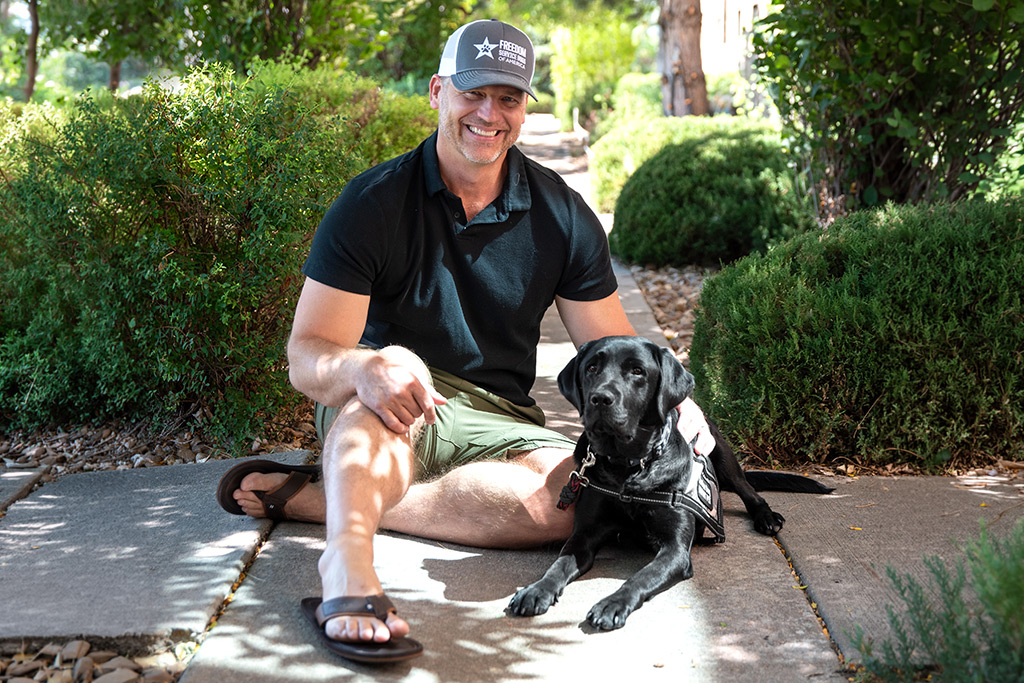
We take great care to ensure that each dog in our program is placed with the person or situation where they’ll have the greatest impact. If a dog is not meeting our high standards of health or temperament required to graduate as an assistance dog, they may find an alternative career as an FSD skilled companion dog or be placed as a pet with a loving member of our community.
Our work is truly life-changing for both humans and dogs alike. Our dogs love their roles as assistance animals. We like to say our dogs wag while they work. And with an FSD dog by their side, individuals can go from being isolated to living a life filled with joy, hope, and independence.
For more info, freedomservicedogs.org